Can Jasmine Grow in Bali? A Florist's Perspective
Yes, jasmine grows abundantly in Bali — here's a florist's honest guide to which varieties thrive, where to source them, and how they differ from imported stems.
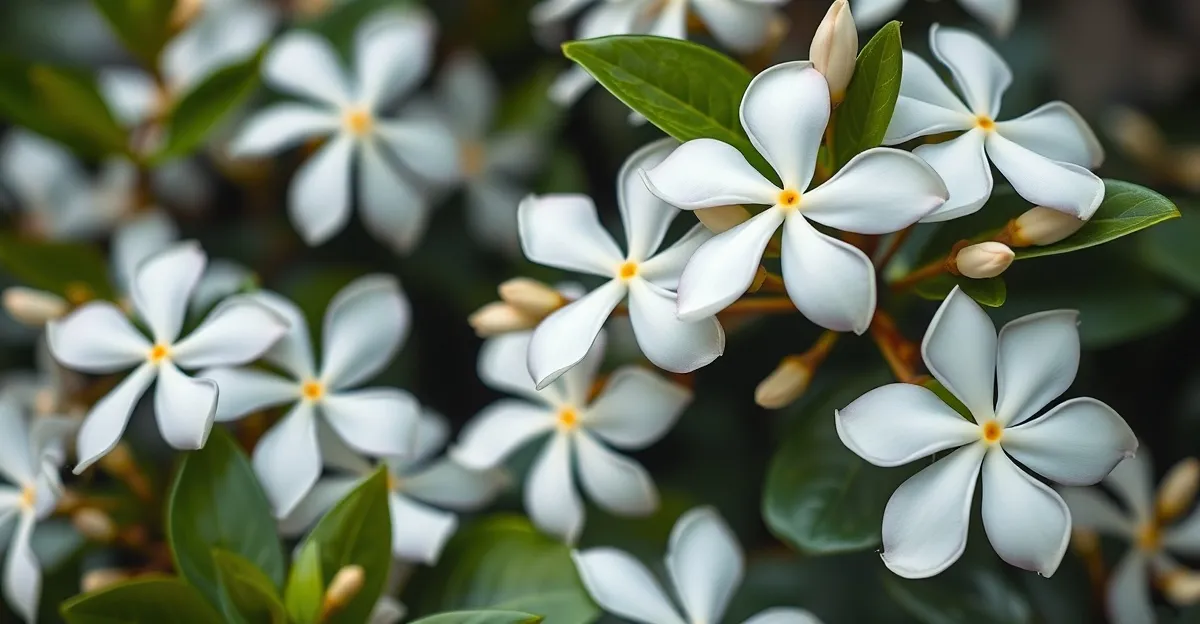
One of the most common questions from people who have arrived in Bali and suddenly found themselves surrounded by the unmistakable fragrance of jasmine — drifting from temple offerings, garden hedges, street stalls — is whether you can actually grow it here, or whether what they are smelling is something more exotic and harder to cultivate.
The answer is a very enthusiastic yes. Jasmine not only grows in Bali — it positively thrives here. The island's warm, humid, equatorial climate is essentially the ancestral home of the jasmine family's most celebrated member (Jasminum sambac is thought to have originated in tropical South and Southeast Asia), and Bali's rich volcanic soil, abundant rainfall, and year-round warmth create growing conditions that jasmine responds to with generous, near-continuous flowering.
Here is the full picture, from a florist who works with Balinese jasmine every day.
The Jasmine Species That Grow in Bali
Not all jasmine is equally at home in Bali's climate, and understanding the species helps you make better choices for your garden or when you are selecting arrangements.
Jasminum sambac: The Queen of Balinese Jasmine
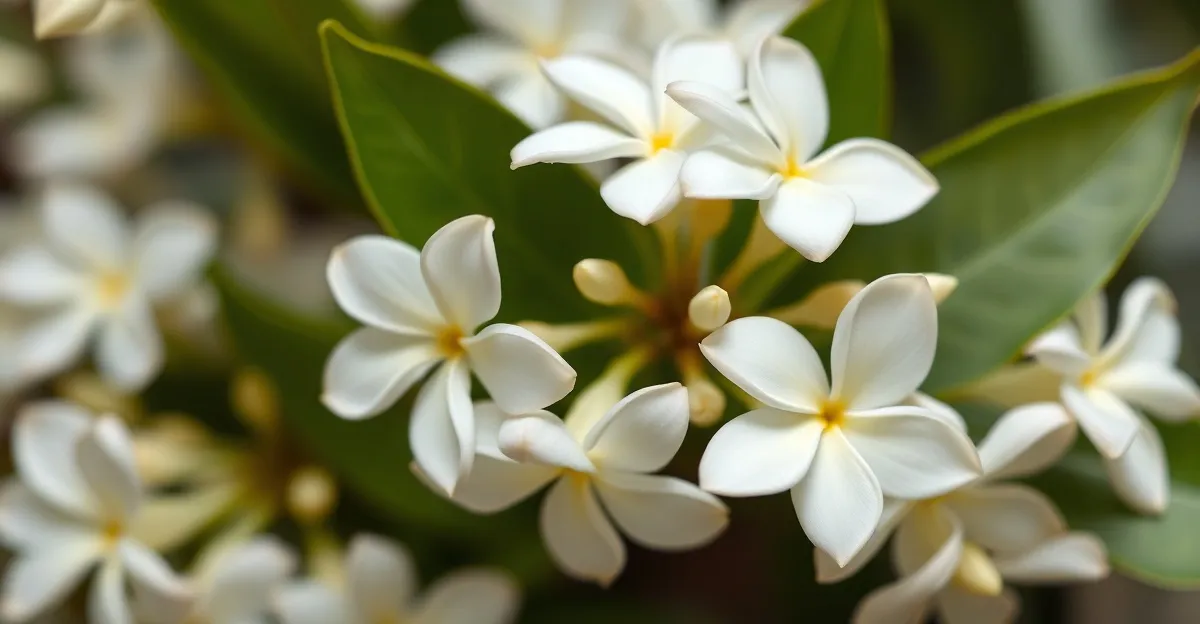
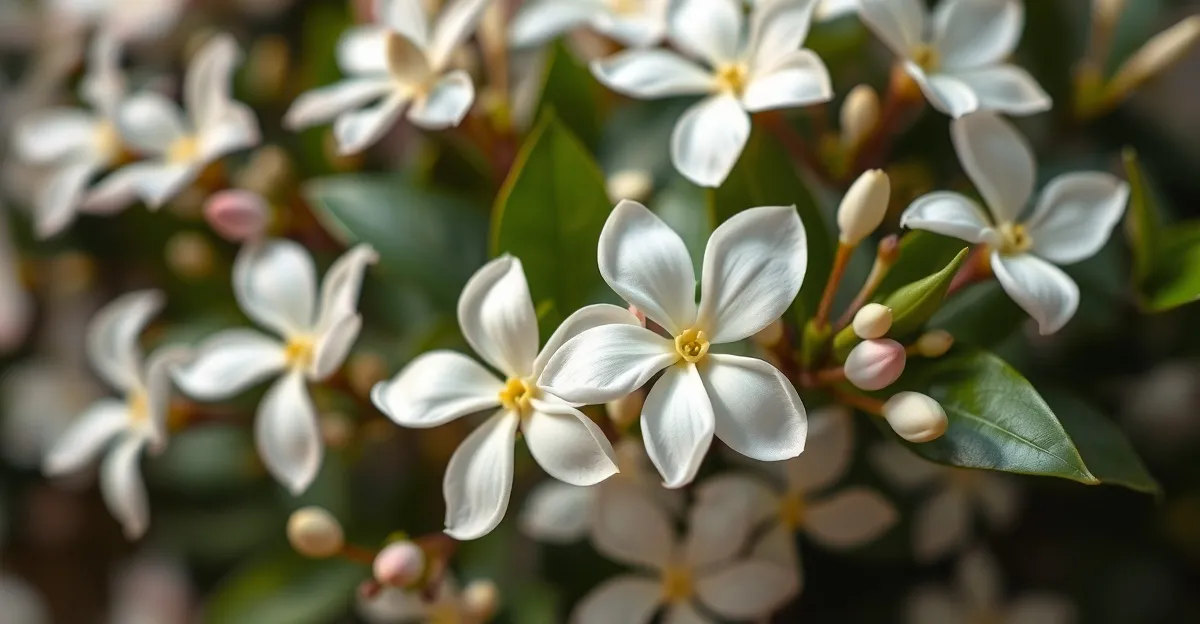
This is the species you smell in Bali. Also known as melati in Indonesian, Arabian jasmine in English, and sometimes mugra in India where it is also widely cultivated, Jasminum sambac is the national flower of Indonesia — and for good reason. It is deeply embedded in Balinese culture, used in daily temple offerings (canang sari), woven into ceremonial garlands, and sold fresh every morning in flower markets from Denpasar to Ubud.
In the right conditions — well-draining soil, morning sun, good airflow — melati can be in near-continuous flower in Bali, with brief rest periods rather than the clear seasonal dormancy it would experience in cooler climates. It is a compact, bushy plant or light climber that does well in containers as well as in-ground.
The fragrance of Jasminum sambac is considered by many perfumers to be the finest natural jasmine scent: warm, complex, slightly animalic at the heart, with a bright clean top note. It is the jasmine used as the base of most commercial jasmine perfumes and jasmine essential oil.
Jasminum polyanthum: The Vigorous Climber
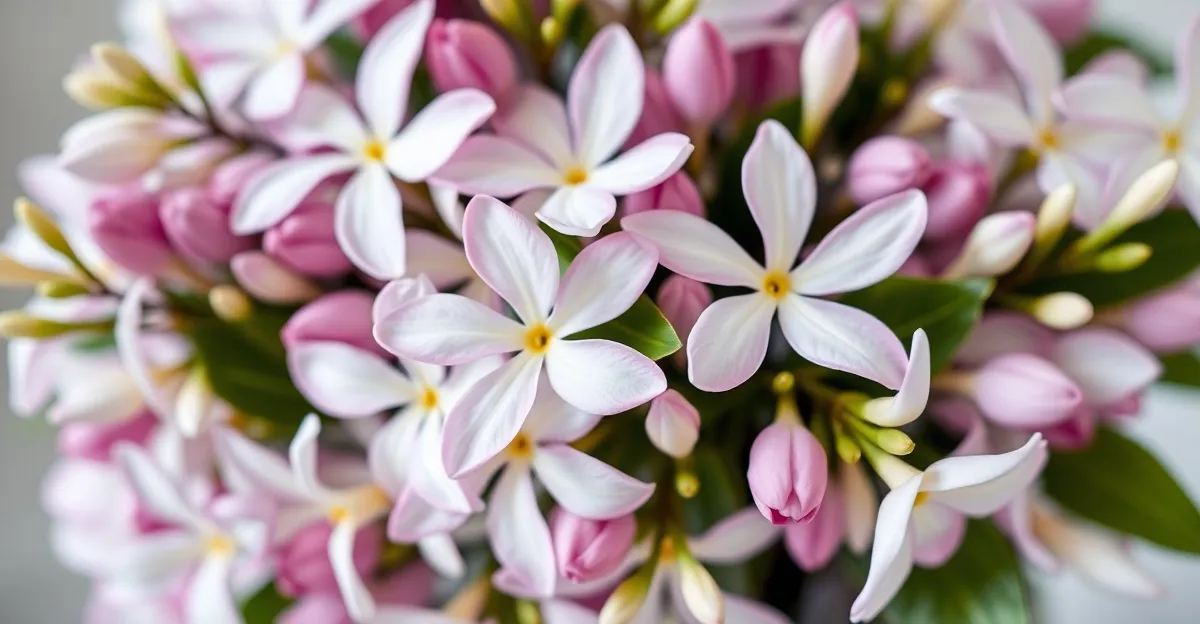
This is the pink-bud white-flower variety that many Western expats and villa owners know from their home countries, where it is sold as a houseplant or garden climber. In Bali, Jasminum polyanthum grows with even more vigour than it does in temperate climates — it can cover a large trellis or fence wall within a single growing season.
The fragrance of polyanthum is lighter and sweeter than sambac — pleasant and pervasive but less complex. For covering a garden wall or pergola with flower and scent, polyanthum is one of the most effective plants available in Bali. It flowers most prolifically during the cooler months (June–August) but will produce flowers year-round in good conditions.
Jasminum multiflorum: The Star Jasmine
Sometimes called star jasmine (though not to be confused with Trachelospermum jasminoides, which is also called star jasmine but is from a completely different family), Jasminum multiflorum produces small, clean white flowers with a pleasant fragrance and grows well in Bali's climate. It is particularly popular as a hedge plant and grows in both sunny and partially shaded positions.
Jasminum officinale: The Classic Garden Jasmine
This species, the "true jasmine" of European tradition, grows in Bali but is less common than the above three. It prefers the cooler temperatures of Bali's upland areas — Bedugul, Kintamani, the mountain regions — where it grows and flowers well. At coastal elevations in Seminyak or Canggu, it tends to be more vigorous in growth but slightly less prolific in flowering than in its preferred cooler conditions.
Where Jasmine Is Grown in Bali
Commercial jasmine cultivation in Bali is concentrated in several areas, particularly:
Gianyar Regency: The regency that includes Ubud is a significant producer of ceremonial flowers, including melati. The moderate temperatures and reliable rainfall create excellent growing conditions.
Tabanan Regency: The agricultural heartland of Bali produces both rice and an extraordinary array of flowers, including jasmine for the market. The rich volcanic soils here support particularly vigorous growth.
Around Denpasar: The large wholesale flower markets at Kumbasari and the smaller neighbourhood flower markets throughout Denpasar receive jasmine from growers across southern Bali. Early morning visits to these markets reveal the extraordinary daily scale of jasmine production that sustains Bali's offering culture.
At heyflower.co, we source our jasmine from trusted growers in these regions, which means our bouquets arrive with stems that have typically been cut within 24 hours — a significant freshness advantage over jasmine that has been flown in from Java, Thailand, or further afield.
Growing Your Own Jasmine in Bali
If you have a villa, a long-term rental with a garden, or a terrace with container growing space, you can absolutely grow jasmine in Bali with excellent results.
Getting Started
Sources: Jasmine plants are widely available at garden centres (toko tanaman) throughout Bali — look for them in Kerobokan, around the Tohpati area east of Denpasar, and in the garden districts north of Ubud. Prices are very reasonable: a mature melati plant in a 20 cm pot typically costs Rp 25,000–50,000.
Soil: Jasmine in Bali does best in a well-draining mix — if you are planting in a container, use a quality potting mix with some added perlite or coarse sand for drainage. In-ground planting works beautifully in Bali's naturally well-draining volcanic soils; avoid areas where water pools after heavy rain.
Sun and position: Morning sun (3–4 hours of direct light) with afternoon shade or filtered light is ideal. Jasmine will flower adequately in full shade but less prolifically. Full afternoon sun at coastal Bali elevations can be very intense and may stress the plant.
Support: If you want jasmine as a climber — covering a wall, fence, or pergola — provide a trellis or wire framework from the start. Jasmine attaches by wrapping, not by adhesion, so it needs something to wind around.
Year-Round Considerations
One of the genuine pleasures of growing jasmine in Bali is its near-continuous flowering. Unlike jasmine grown in temperate climates with clear seasons, Bali jasmine can produce flowers almost every month of the year with only brief resting periods. The peak of flowering tends to come in the warmer months (October–April in many varieties), but with good care you can have flowers on the plant most of the time.
The wet season (November–March) requires some additional attention: ensure good drainage, watch for fungal issues in still, humid corners, and reduce watering when natural rainfall is doing the job.

The team
your florists
weekly subscription · Bali
We write about flowers because we love them. We deliver them because someone should — properly, weekly, across Bali.
— heyflowerPay once for 3, 6, or 12 months, no auto-renewal.
Local vs. Imported Jasmine: What's the Difference?
For florists in Bali, the choice between locally grown and imported jasmine is significant — both in terms of quality and cost.
Locally grown melati (Jasminum sambac): Unquestionably the most fragrant option, cut fresh daily and available in every flower market in Bali. The vase life is shorter than some imported varieties (2–4 days), but the fragrance is extraordinary and the flower is deeply authentic to Balinese culture.
Imported Jasminum polyanthum from Java or Sumatra: Sometimes available from larger flower wholesalers. Slightly longer vase life but similar fragrance character to locally grown polyanthum.
Imported from outside Indonesia: Rare for standard jasmine, as local production is so abundant. Some specialty jasmine or jasmine-related products (like high-grade sambac for perfumery) are imported, but for fresh flower purposes, local is almost always the right choice in Bali.
For a broader comparison of what grows locally in Bali versus what is imported, can heliconia grow in Bali? A florist's perspective takes a similar approach for another tropical favourite.
Frequently Asked Questions
Does jasmine grow better in Bali's highlands or coastal areas?
Both work well, but different species perform slightly differently. Jasminum sambac (melati) thrives at coastal elevations and is the dominant variety in lowland Bali. Jasminum officinale and some other species prefer the cooler temperatures of upland Bali (Ubud, Bedugul, Kintamani). For a coastal garden in Canggu or Seminyak, melati is the definitive choice.
How quickly does jasmine grow in Bali's climate?
Very quickly by temperate standards. In good conditions, a jasmine vine can extend by 30–60 cm per month during the growing season. Jasminum polyanthum is particularly vigorous and can cover a modest fence entirely within 4–6 months of planting.
Can I grow jasmine from cuttings in Bali?
Yes, and it is easy. Jasmine roots readily from stem cuttings in Bali's warm conditions. Take a cutting of 10–15 cm from actively growing (non-flowering) stems, remove the lower leaves, dip in rooting hormone if available, and plant in a moist potting mix. Keep in bright indirect light and mist lightly. Rooting typically occurs within 3–4 weeks.
Is jasmine available at Bali flower markets year-round?
Yes. The flower markets in Denpasar (particularly Pasar Kumbasari) and in Ubud's morning market sell fresh melati every morning of the year. Quantity and quality are highest from about February to October; the wet season peak (December–January) can see slightly reduced availability.
What pests should I watch for on jasmine grown in Bali?
The most common pests are mealybugs, spider mites (more common in dry season), and scale insects. Regular inspection of the undersides of leaves and the junction points between stems and leaves allows early detection. Neem oil spray is an effective and widely available organic treatment for all three.
Jasmine in Bali is not an exotic imported flower — it is a local flower in the truest sense, woven into the island's daily spiritual and sensory life. At heyflower.co, we celebrate this by sourcing our jasmine directly from Balinese growers, keeping the chain from garden to vase as short as possible. If you love having fresh jasmine in your Bali home, our flower subscriptions deliver it to your door every week or fortnight — no garden required.
For care advice to get the most from your jasmine blooms, read how to care for jasmine in Bali's humid climate.
More on Jasmine