The History and Origin of the Hibiscus
Explore the fascinating history and origin of the hibiscus flower — from ancient Egypt to tropical Asia, and its deep roots in Balinese culture.
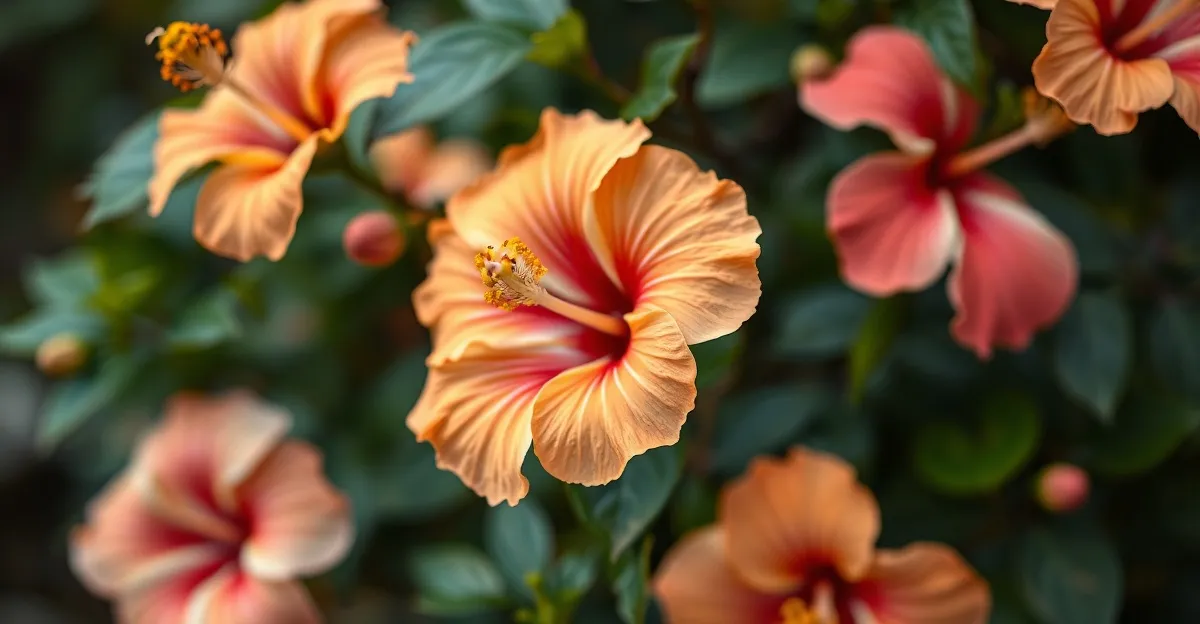
Few flowers carry as rich a history as hibiscus. This vivid, wide-faced bloom has been cultivated, worshipped, eaten, medicinalised, and woven into poetry across thousands of years and dozens of cultures. From the temples of ancient Egypt to the ceremonial baskets of Balinese women, hibiscus has left its mark on human civilisation in ways that most people who admire the flower have never fully considered.
Understanding where hibiscus comes from — its botanical origins, its journey across continents, and its particular resonance in Bali — transforms an already beautiful flower into something even more remarkable.
Botanical Origins: Where Does Hibiscus Come From?
The genus Hibiscus belongs to the family Malvaceae and encompasses over 300 species, making it one of the more diverse genera in the flowering plant world. Native species are found across tropical and subtropical regions of Africa, Asia, and the Pacific Islands, which gives some indication of the genus's ancient distribution and adaptability.
The Species That Shaped History
Hibiscus rosa-sinensis — literally "rose of China" — is the species most people picture when they think of hibiscus. Despite its Latin name suggesting Chinese origin, its precise wild origin remains debated among botanists. The most accepted theory is that it originated somewhere in East Asia or South/Southeast Asia, with some researchers pointing to India and others to tropical Asia more broadly. What is clear is that it has been cultivated in Asia for so long that its wild ancestors are effectively lost.
Hibiscus sabdariffa (roselle) originated in West Africa and has been cultivated for thousands of years for its calyces, used to make the vivid red hibiscus tea found across Africa, the Caribbean, and Central America. This species has a completely different cultural history from the ornamental hibiscus but belongs to the same genus.
Hibiscus tiliaceus (sea hibiscus, or waru in Bali) is native to the coastlines and littoral zones of tropical Asia and the Pacific. It's been used in traditional cultures across Southeast Asia for rope-making, medicinal purposes, and ceremony for millennia.
Hibiscus in Ancient and Medieval History
Egypt and North Africa
Hibiscus sabdariffa has been found in the records of ancient Egyptian cultivation and was used medicinally and as a beverage. Hibiscus tea remains a cultural staple across much of Africa today, a continuity of use stretching back thousands of years. The plant was likely traded along ancient trade routes into the Middle East and eventually into Asia.
India and the Sanskrit Tradition
Hibiscus has deep roots in Indian Ayurvedic medicine and Hindu religious practice. The red hibiscus (japa kusuma in Sanskrit) is sacred to the goddess Kali, one of the most powerful and complex deities in the Hindu pantheon. Offerings of red hibiscus to Kali appear in texts dating back over a thousand years.
This Indian religious significance is directly connected to Balinese Hinduism, which was strongly shaped by Indian Hindu traditions that arrived in Indonesia through maritime trade routes over the first millennium CE. The association of red hibiscus with protective and powerful feminine deities was transmitted to Bali through this cultural exchange.
China and East Asia
The name Hibiscus rosa-sinensis acknowledges China's long historical relationship with this flower. In Chinese culture, hibiscus symbolises beauty, wealth, and fame — the flower appears in classical poetry and art. The plant was extensively cultivated in Chinese gardens and spread throughout the Chinese cultural sphere.
From China, hibiscus cultivation spread to Japan, Korea, and throughout Southeast Asia, following both trade and cultural influence.
Hibiscus Reaches the New World
European colonial expansion in the 15th–17th centuries brought hibiscus westward and eventually to the Americas. Portuguese traders transported hibiscus species to their Atlantic island colonies, and from there the ornamental hibiscus spread to Central and South America, the Caribbean, and eventually North America.
In the American South, the native hibiscus species (including Hibiscus moscheutos, the swamp rose mallow) was already present, and introduced Asian varieties hybridised with local species over time to create many of the dramatic large-flowered varieties now popular in horticulture.
Hawaii and the Cultural Icon Status
Perhaps no culture outside Asia has embraced hibiscus more completely than Hawaii. The yellow hibiscus (Pua aloalo, or Hibiscus brackenridgei) became the official state flower of Hawaii in 1988, but hibiscus had been a symbol of Hawaii long before statehood. The flower's association with the aloha spirit — open-hearted, warm, beautiful — made it a natural emblem.
Hawaiian hula dance incorporates hibiscus; the flower is woven into leis; wearing a hibiscus flower behind the right ear traditionally signals that the wearer is single and available, while the left ear indicates someone already taken. These traditions have since spread to other Pacific Island cultures.
Hibiscus in Bali: A Deep and Living History
Bali's relationship with hibiscus is not merely ornamental — it's sacred, practical, and woven into the texture of daily life in ways that have been continuous for centuries.
The Balinese Hindu Connection
Balinese Hinduism (Agama Hindu Dharma) arrived in Bali primarily through Javanese Hindu-Buddhist kingdoms between the 9th and 15th centuries, bringing with it the Indian sacred associations of red hibiscus with powerful feminine deities. In Bali, the red hibiscus (pucuk or kembang sepatu) became part of the ceremonial flower vocabulary used in daily offerings (canang sari) and major ceremonies.
Everyday Ceremony
The most vivid way to understand hibiscus's history in Bali is to observe what Balinese women do every morning. Across the island, households prepare fresh canang sari — small palm-leaf offerings containing flowers, rice, incense, and other items — and place them at household shrines, shop fronts, and temple gates. Red and white hibiscus appear in these offerings with remarkable frequency, sourced fresh each day from gardens and village markets.
This daily practice, performed millions of times each year across Bali, represents an unbroken thread of flower offering practice stretching back centuries. Hibiscus is part of that continuity.
The Waru Tree in Coastal Bali
Hibiscus tiliaceus (waru) is deeply embedded in Balinese material culture. Its bark has traditionally been used to make rope and cordage; its large leaves are used for wrapping and cooking; its wood is used in boat-building and construction. The tree grows throughout coastal Bali and is often planted near temples and ceremonial sites.

The team
your florists
weekly subscription · Bali
We write about flowers because we love them. We deliver them because someone should — properly, weekly, across Bali.
— heyflowerPay once for 3, 6, or 12 months, no auto-renewal.
Modern Hybridisation and the Global Hibiscus
The 20th century brought extraordinary development in hibiscus horticulture. Plant breeders — particularly in Hawaii, Florida, and Southeast Asia — created thousands of new cultivars with larger blooms, richer colours, longer individual flower life, and greater heat tolerance. Today's ornamental hibiscus varieties are the product of decades of careful crossing and selection.
Bali's nurseries and commercial flower growers work with a mix of traditional local varieties and modern hybrid cultivars, giving florists access to a wider colour and form range than ever before while local varieties maintain their ceremonial integrity.
Frequently Asked Questions
Where did hibiscus originally come from?
The most widely cultivated ornamental species, Hibiscus rosa-sinensis, is believed to have originated somewhere in tropical Asia — most likely South or Southeast Asia — though its precise wild origin is debated because it has been cultivated for so long that no wild ancestral populations are clearly identified. Other hibiscus species originated in West Africa (H. sabdariffa), North Africa, the Americas, and the Pacific.
Why is hibiscus so important in Balinese culture?
Hibiscus's significance in Bali traces back to Balinese Hinduism's roots in Indian Hindu tradition, where red hibiscus is sacred to powerful feminine deities. This association travelled to Bali through centuries of cultural and religious exchange with Java and India. Over time, hibiscus became embedded in daily Balinese ceremonial life as a readily available, locally grown sacred flower.
What does the name "hibiscus" come from?
The word "hibiscus" comes from the Latin form of the Greek hibiskos, used by the ancient Greek physician Dioscorides to describe a marshmallow plant. Over time, the name was applied more broadly to the genus we know today.
Was hibiscus used medicinally in history?
Yes, extensively. Hibiscus sabdariffa is still widely used in herbal medicine and food. Hibiscus rosa-sinensis has documented uses in traditional Ayurvedic medicine (as a treatment for hair conditions, fever, and other complaints), and many other species have localised medicinal applications in their native regions.
Is hibiscus related to cotton?
Yes — both hibiscus and cotton (Gossypium species) belong to the family Malvaceae. Other relatives include okra, cacao, and the baobab tree. The family is characterised by distinctive staminal columns and flowers with five petals, which you can see clearly in both hibiscus and cotton flowers.
A Flower That Belongs to the World — and to Bali
The history of hibiscus is a history of movement, exchange, and adaptation. It has followed human beings across oceans, taken root in new cultures, and acquired new meanings at each stop on the journey. In Bali, it arrived as a sacred flower and became part of the living fabric of daily devotion — an outcome that speaks to both the flower's remarkable adaptability and the Balinese people's gift for making the sacred beautifully ordinary.
At heyflower.co, we work with this history every day — sourcing local hibiscus and tropical blooms that connect the people of Bali's international community to the island's floral heritage. Explore our flower subscriptions to bring that connection into your home each week, or read more about Bali's floral culture in our guide to hibiscus in Balinese ceremonies.
More on Hibiscus