Can Hibiscus Grow in Bali? A Florist's Perspective
Hibiscus grows abundantly in Bali — a local florist explains where to find it, how it's used, and what conditions make it thrive on the island.
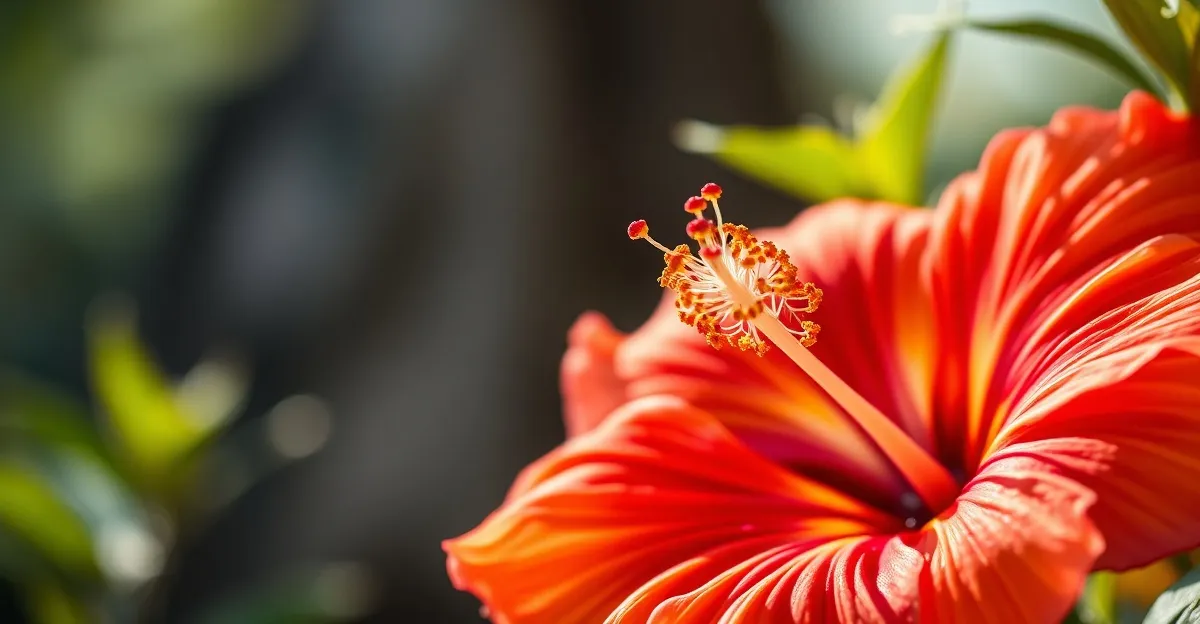
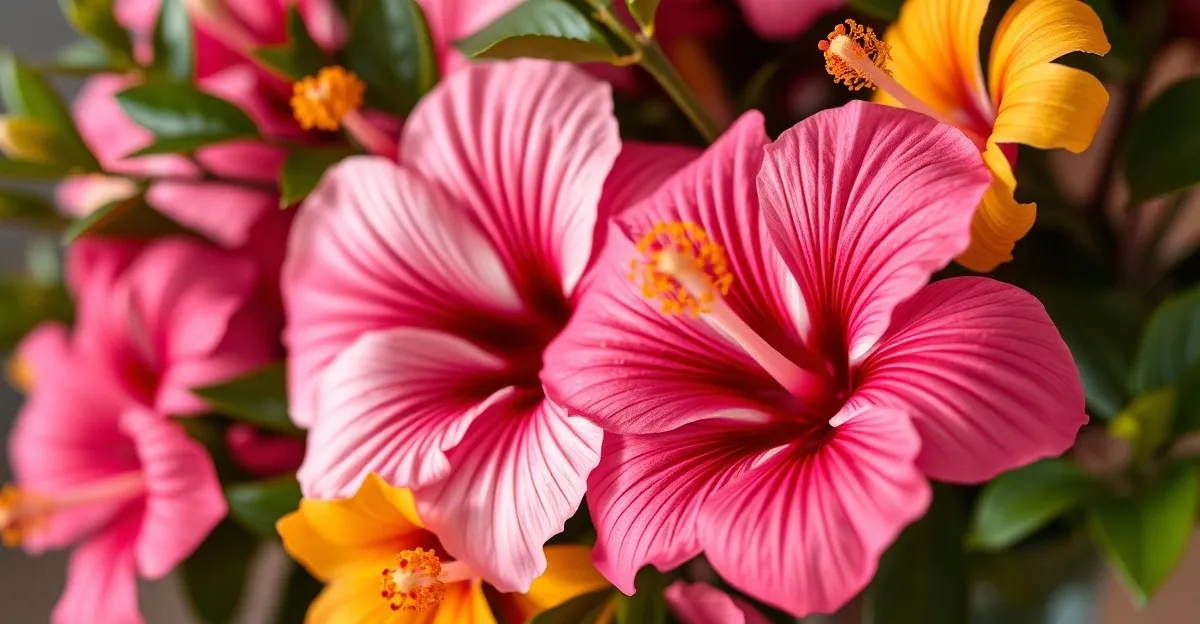
Walk down almost any lane in Bali — from the narrow gang of a Seminyak neighbourhood to a temple compound in Ubud — and you'll likely spot hibiscus within the first few minutes. It grows along walls, in courtyards, in hotel garden beds, and in the ceremonial baskets that Balinese women carry each morning on the way to the temple. The question isn't really whether hibiscus can grow in Bali. It grows brilliantly here. The better questions are why it thrives so well, what the local varieties look like, and how it's used by the people who've been growing it for centuries.
As florists based in Canggu, we work with hibiscus year-round. Here's our honest perspective on growing and sourcing it on the island.
Why Hibiscus Loves Bali
Hibiscus (Hibiscus rosa-sinensis and related species) is a tropical plant by origin. It evolved in a climate very similar to Bali's: warm year-round temperatures, high humidity, generous sunlight, and seasonal rainfall. Bali provides all of this in abundance.
Temperature
Hibiscus grows best at temperatures between 20°C and 35°C. Bali's average temperature falls comfortably within this range at most elevations. In the lowland tourist areas — Canggu, Seminyak, Kuta, Sanur — temperatures rarely drop below 22°C even at night, keeping hibiscus in its growth zone throughout the year.
At higher elevations — Ubud, Kintamani, Bedugul — nighttime temperatures can drop to 15–17°C, which slows hibiscus growth but doesn't kill established plants. In these areas, hibiscus flowers slightly less prolifically but still grows reliably.
Rainfall and Humidity
Bali's wet season (October to April) provides the deep watering hibiscus needs for vigorous growth. The dry season, meanwhile, triggers a slight stress response that often leads to a flush of particularly abundant flowering. This seasonal rhythm actually suits hibiscus beautifully — wet season for growth, dry season for blooming.
Soil Conditions
Much of Bali's lowland soil is volcanic in origin — rich in minerals, free-draining, and fertile. This suits hibiscus well, as the plant needs nutrients but cannot tolerate waterlogging. In coastal areas where soil is sandier, adding organic matter improves performance.
Where Hibiscus Grows in Bali
You'll find hibiscus growing throughout the island, but certain areas are particularly notable.
Ceremonial and Village Gardens
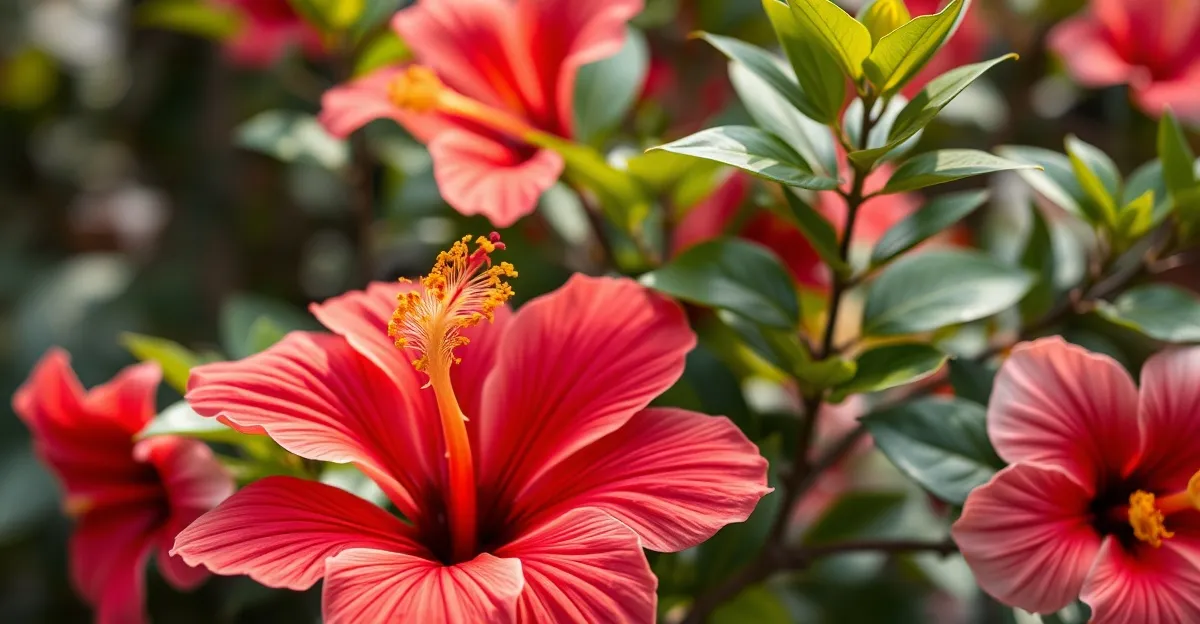
Every Balinese home compound typically has a small garden or courtyard where ceremonial flowers are grown. Hibiscus — particularly the red variety, known locally as kembang sepatu or pucuk merah — is almost universally present. Balinese families harvest fresh blooms each morning for daily offerings.
Temple Grounds
Temple compounds across Bali are often beautifully planted, and hibiscus appears regularly. The red and white varieties are especially common, reflecting their ceremonial significance — red for Durga and protective energies, white for purification and devotion.
Commercial Flower Farming
The areas around Bedugul (specifically the Lake Beratan region) and parts of eastern Bali have established cut-flower farming industries. While roses, carnations, and chrysanthemums dominate commercial farming, hibiscus is grown locally and available from market vendors in Denpasar's Pasar Kumbasari flower market.
Hotel and Villa Gardens
Any resort, boutique hotel, or well-maintained villa in Bali almost certainly has hibiscus in its garden. The flower's prolific blooming, tropical aesthetic, and cultural significance make it a near-universal choice for Bali's hospitality sector.
The Local Varieties You'll Find in Bali
Hibiscus Rosa-Sinensis (Common Tropical Hibiscus)
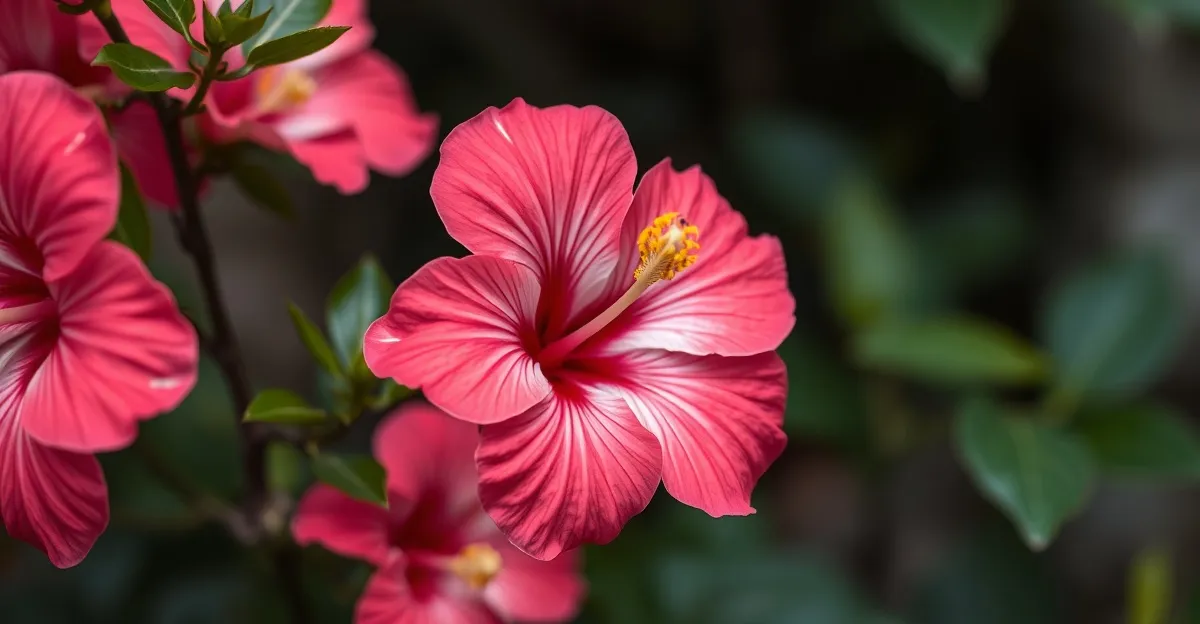
This is the species you see everywhere in Bali — the classic single-flower hibiscus in red, pink, yellow, orange, and white. It grows vigorously in Bali's climate, typically reaching 1.5–3 metres in height as a shrub. It blooms continuously in favourable conditions.
Hibiscus Tiliaceus (Sea Hibiscus / Waru)
The waru tree is deeply embedded in Balinese culture and is found across the island, particularly near the coast. Its yellow flowers with dark centres are beautiful, and the tree itself is large and spreading. It's used in traditional crafts (the bark makes rope) as well as in offerings.
Double-Flowered Varieties
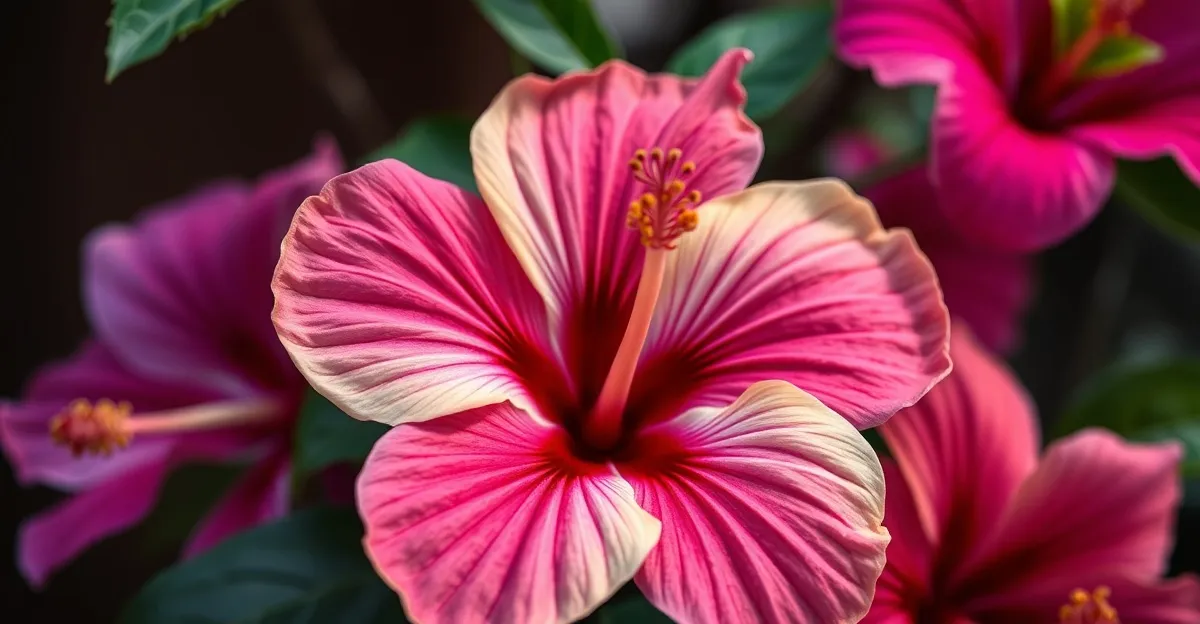
Some hibiscus cultivars produce multi-layered, rose-like double flowers. These are grown in Bali primarily as ornamental garden plants and are less commonly used in ceremony. They tend to have slightly longer individual bloom life than single-flower varieties.
From a Florist's Perspective: Sourcing Hibiscus in Bali
As Canggu-based florists, we source hibiscus primarily from local growers and the wholesale flower markets in Denpasar. A few things we've learned:
Freshness is Everything
Hibiscus's short individual bloom life means freshness at the point of sourcing is critical. We collect from growers on the morning of arrangement, ensuring that buds are at the right stage for delivery — firm enough to travel but close enough to opening that recipients get the full experience.
Seasonality Matters
While hibiscus grows year-round in Bali, peak availability and quality varies. The transition from wet to dry season (around April–May) and the early dry season (May–July) tend to produce particularly abundant flowering. During the peak wet season (December–February), plants are in heavy growth mode and flowers can be somewhat smaller.
Local vs. Imported
For hibiscus, local Balinese-grown flowers are almost always preferable to imported alternatives. The flowers are fresher, the varieties are better adapted to our climate, and supporting local growers is the right thing to do. You'll sometimes see imported hibiscus from Java or even overseas in upscale arrangements — it's not necessary.
Growing Hibiscus at Home in Bali
If you want to grow your own hibiscus in Bali — whether in a villa garden, on a balcony, or in a courtyard — it's genuinely one of the more rewarding choices you can make. The plant establishes quickly, is relatively pest-resistant (compared to roses or chrysanthemums), and rewards consistent basic care with almost year-round flowers.
Key requirements:
- At least six hours of direct sunlight per day
- Well-draining soil or potting mix
- Regular watering and fertilising (see our hibiscus care guide for detailed tips)
- Pruning after each flowering flush
Nurseries across Bali stock hibiscus reliably — look for established plants already showing buds rather than bare-root cuttings, which take longer to establish.

The team
your florists
weekly subscription · Bali
We write about flowers because we love them. We deliver them because someone should — properly, weekly, across Bali.
— heyflowerPay once for 3, 6, or 12 months, no auto-renewal.
Hibiscus in Balinese Cultural Life
It would be incomplete to write about hibiscus growing in Bali without acknowledging how deeply it's woven into daily Balinese life. It's not merely a garden flower here — it's a spiritual presence.
Red hibiscus is used in the banten (offerings) placed at shrines each morning and evening. White hibiscus appears in purification rituals. The flower is braided into temple decorations, woven into ceremonial headdresses, and offered to the gods in the same daily rhythm as rice, incense, and prayer.
This cultural embeddedness is why hibiscus feels different in Bali than it does in a flower shop in Amsterdam or Sydney. The flower carries lived meaning here, accumulated over centuries of devotional practice. When you grow hibiscus in Bali, you're participating — however indirectly — in something much larger than gardening.
Frequently Asked Questions
Is hibiscus easy to grow as a beginner in Bali?
Yes — hibiscus is one of the most forgiving garden plants for beginners in Bali. It establishes quickly, tolerates some neglect, and rewards basic care with consistent flowering. The main mistakes beginners make are overwatering (which causes root rot) and using nitrogen-heavy fertiliser (which produces foliage at the expense of flowers).
Where can I buy hibiscus plants in Bali?
Nurseries are found throughout Bali — particularly along the main road through Denpasar and in the areas around Ubud. Many local village markets also sell basic plants. For ornamental or unusual cultivars, specialist plant nurseries in Seminyak and Canggu sometimes stock uncommon varieties.
Does hibiscus need to be replanted each year in Bali?
No — established hibiscus is a perennial shrub in Bali's climate and can grow and flower for many years. Potted hibiscus may need repotting every two to three years as it becomes root-bound, but it won't need replacing annually.
Can hibiscus survive Bali's wet season monsoon rains?
Yes, with good drainage. Hibiscus is vulnerable to root rot in waterlogged soil, but established plants in well-draining beds handle Bali's wet season comfortably. Containerised plants should be placed under cover during extended heavy rain periods.
Why do Balinese women use hibiscus flowers in their hair?
In Balinese tradition, wearing hibiscus in the hair is both a beautifying practice and a symbol of devotion. The flower (particularly red hibiscus) is associated with feminine beauty and divine grace. Women often wear a bloom tucked behind the ear when visiting temples or during ceremonies.
Hibiscus, Rooted in Bali
Hibiscus doesn't just grow in Bali — it belongs here, woven into the landscape, the culture, and the daily rhythm of island life. Whether you're growing it in your villa garden, seeking it as a cut flower, or noticing it for the first time in someone's hair at a temple, hibiscus is one of those flowers that deepens your connection to this place.
At heyflower.co, we work with locally grown hibiscus and tropical blooms to create arrangements that feel genuinely Balinese. Explore our flower subscriptions for weekly or fortnightly delivery of fresh local arrangements, or browse our seasonal bouquet collections for gifts and special occasions. Also worth reading: our guide to last-minute housewarming flower ideas for Bali for ways hibiscus can welcome someone into a new home.
More on Hibiscus