How to Care for Hibiscus in Bali's Humid Climate
Expert tips for keeping hibiscus thriving in Bali's tropical humidity — watering, soil, sunlight, and common mistakes to avoid.
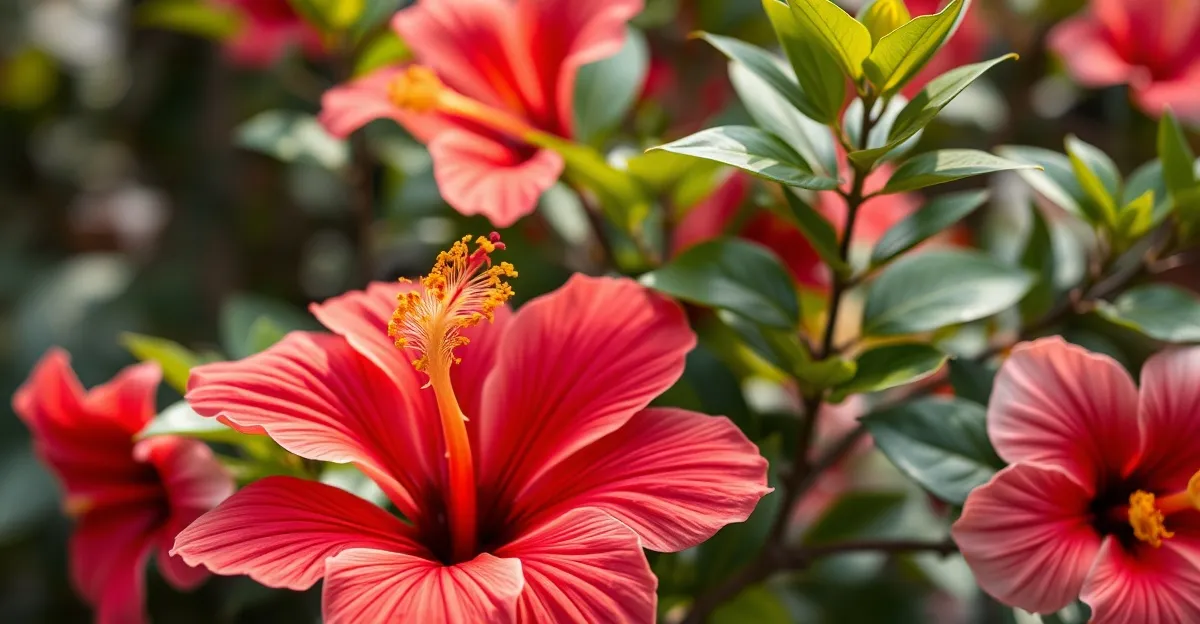
Hibiscus is one of those flowers that looks like it belongs in Bali — bold, sun-drenched, and unapologetically tropical. And in many ways, it does. But anyone who has brought a hibiscus arrangement home or tried to grow one in a Canggu garden knows that Bali's heat and humidity can be both a blessing and a challenge. Done right, hibiscus rewards you with vivid blooms almost year-round. Done wrong, it drops leaves, refuses to flower, and quietly sulks until you figure out what went wrong.
This guide shares everything we've learned caring for hibiscus in Bali's specific climate — from soil preparation and watering rhythms to the pests that love our tropical conditions a little too much. Whether you're maintaining a potted plant on your villa balcony or tending a garden bed in Seminyak, these tips will help your hibiscus put on a proper show.
Understanding Bali's Climate and What Hibiscus Needs
Hibiscus is a tropical plant by nature, so at first glance Bali seems perfect for it. Average temperatures hover between 24°C and 33°C, humidity rarely drops below 70%, and sunlight is generous. But there are nuances.
Wet Season vs. Dry Season Adjustments
Bali has two distinct seasons: wet (roughly October to April) and dry (May to September). During the wet season, hibiscus can suffer from root rot if drainage isn't adequate. During the dry season, plants dry out faster than you'd expect even in humid air.
- Wet season: Reduce watering frequency, ensure pots and garden beds drain freely, and watch for fungal issues on leaves.
- Dry season: Water more consistently, ideally in the morning so foliage dries before nightfall.
The Role of Humidity
Bali's humidity is genuinely tropical — often 80–90% in the wet months. Hibiscus enjoys humidity but not stagnant air. Plants in sheltered courtyards or densely packed gardens can develop fungal leaf spots. Give plants enough spacing for airflow, and avoid overhead watering when possible.
Soil, Potting, and Fertiliser
Getting the Soil Right
Hibiscus loves well-draining, slightly acidic soil with a pH between 6.0 and 6.5. In Bali, local garden soil is often clay-heavy and compacts easily, especially in lowland areas near the coast. Mix in coarse sand or perlite and compost to improve drainage and aeration.
For potted plants, use a quality potting mix and ensure the pot has at least three drainage holes. Terra cotta pots work beautifully in Bali — they breathe well and help prevent waterlogging.
Fertilising for Continuous Blooms
Hibiscus is a heavy feeder, particularly when it comes to potassium and phosphorus, which support flower development. In Bali's tropical conditions, nutrients leach from soil faster due to rainfall and high moisture levels.
- Apply a balanced slow-release fertiliser (such as NPK 15-15-15) every six to eight weeks.
- During flowering season, supplement with a liquid fertiliser high in potassium every two weeks.
- Avoid over-fertilising with nitrogen — it encourages lush foliage at the expense of flowers.
Watering Hibiscus in the Tropics
How Often to Water
In Bali's climate, potted hibiscus typically needs watering every one to two days during dry season and every two to three days during wet season. The golden rule: stick your finger two centimetres into the soil. If it's dry, water thoroughly. If it's still moist, wait.
Common Watering Mistakes
- Shallow watering: Wetting just the surface encourages shallow roots. Water deeply each time so moisture reaches the root zone.
- Evening watering: Wet foliage overnight in humid conditions is a recipe for fungal disease. Always water in the morning.
- Waterlogging: The most common reason hibiscus dies in Bali. Ensure pots never sit in standing water.
Sunlight and Positioning
Hibiscus needs at least six hours of direct sunlight each day to bloom consistently. In Bali, this is rarely the limiting factor — the challenge is usually the opposite. Intense afternoon sun (especially from 1pm to 4pm) can scorch leaves, particularly in coastal areas where reflected heat is intense.
The ideal position is full morning sun with partial afternoon shade. East-facing balconies and north-facing garden beds tend to work beautifully for hibiscus in Bali.
Indoor and Covered Spaces
Many Bali villas and homes have covered verandas or interior courtyards with filtered light. Hibiscus can survive in these spaces but won't bloom as prolifically. If you want flowers, aim for a spot that catches direct sun for most of the morning.
Pruning and Shaping
Regular pruning keeps hibiscus bushy, encourages new growth, and prevents the leggy appearance that often develops in tropical climates where plants grow fast year-round.
When and How to Prune
- Prune after each flowering flush, cutting back stems by about one-third.
- Remove dead, crossing, or damaged branches at any time.
- After major pruning, apply a balanced fertiliser to support recovery.
In Bali's climate, hibiscus can be pruned three to four times per year without issue. The plant grows quickly here, and light regular pruning results in more flowers than infrequent heavy cuts.
Repotting and Root Health
One often-overlooked aspect of hibiscus care in Bali is root health. In tropical conditions, hibiscus in containers can become root-bound within one to two years, with roots circling the pot and limiting nutrient and water uptake. Signs that your hibiscus needs repotting: roots growing out of drainage holes, water running through the pot without being absorbed, or a noticeable drop in flower production despite good feeding.
When repotting, move up one pot size at a time rather than jumping to a much larger container — too much excess soil can hold moisture and cause root problems. The best time to repot in Bali is at the start of the dry season (around May), when the plant is entering its main flowering period and conditions are more stable.

The team
your florists
weekly subscription · Bali
We write about flowers because we love them. We deliver them because someone should — properly, weekly, across Bali.
— heyflowerPay once for 3, 6, or 12 months, no auto-renewal.
Common Pests and Diseases in Bali
Bali's warm, humid climate is paradise for hibiscus — and also for many of the insects and fungi that prey on it.
Aphids and Whiteflies
These are the most common pests on hibiscus in Bali. They cluster on new growth and the undersides of leaves. A neem oil spray every two weeks acts as an effective organic preventative. For active infestations, a diluted insecticidal soap spray works well.
Mealybugs
Mealybugs look like small patches of white cotton and tend to appear at leaf junctions. They're particularly common during the dry season when plants are under stress. Wipe off visible mealybugs with a cotton swab dipped in rubbing alcohol, then follow up with a neem spray.
Fungal Leaf Spot
In the wet season, circular brown or yellow spots on leaves often indicate fungal disease. Improve air circulation, avoid wetting foliage, and apply a copper-based fungicide if the problem persists. Remove and dispose of affected leaves — don't compost them.
Frequently Asked Questions
Why is my hibiscus not flowering in Bali?
The most common reasons are insufficient sunlight, over-fertilising with nitrogen, or being root-bound in a small pot. Hibiscus needs at least six hours of direct sun and a potassium-rich fertiliser to bloom. If the plant is potted, check whether it needs repotting into a larger container.
How often should I water hibiscus in Bali's dry season?
During dry season, most potted hibiscus in Bali need watering every one to two days. Garden-bed plants may need water every two to three days depending on soil type. Always check soil moisture before watering rather than following a fixed schedule.
Can hibiscus survive Bali's wet season rains?
Yes, but drainage is critical. Hibiscus will rot quickly if roots sit in waterlogged soil. In heavy wet-season rains, temporarily move potted plants under cover if possible, or ensure garden beds have excellent drainage. Raised beds help significantly.
What fertiliser is best for hibiscus in tropical climates?
Look for a fertiliser with a higher potassium (K) ratio than nitrogen (N). In Bali's conditions, nutrients wash out quickly with rainfall, so slow-release granular fertilisers combined with monthly liquid feeds give the best results. Avoid high-nitrogen blends.
How do I prevent leaf drop on my hibiscus?
Sudden leaf drop is usually caused by a change in environment (such as moving the plant), inconsistent watering, or pest stress. In Bali, it often happens after transplanting or during extreme weather changes. Keep watering consistent, avoid moving plants unnecessarily, and check for pests on the undersides of remaining leaves.
Bring Hibiscus Beauty Into Your Home
Growing hibiscus in Bali is genuinely rewarding when you give the plant what it needs: good drainage, morning sun, consistent feeding, and a little pest vigilance. And if you'd rather enjoy the beauty of hibiscus without the gardening, we've got you covered.
At heyflower.co, we source the freshest tropical blooms — including stunning hibiscus arrangements — delivered straight to your door across Bali. Whether it's a one-time gift or a recurring order to keep your villa feeling alive and beautiful, explore our flower subscriptions and let us do the growing for you.
You might also enjoy reading about burgundy flower arrangements for villa interiors for more ideas on using tropical blooms to elevate your space, or check out our flower arrangement ideas for your bedroom to see how hibiscus and other bold blooms can transform an interior.
More on Hibiscus