The History and Origin of the Gerbera
From South African grasslands to global florist shelves: the fascinating history and botanical origin of the gerbera daisy.
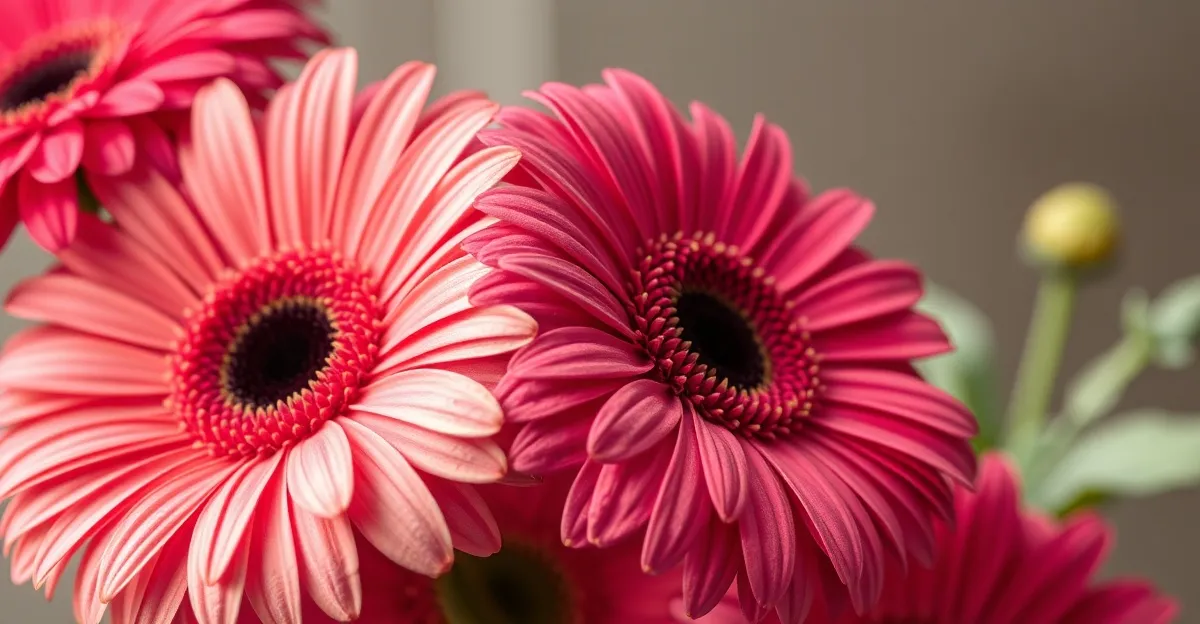
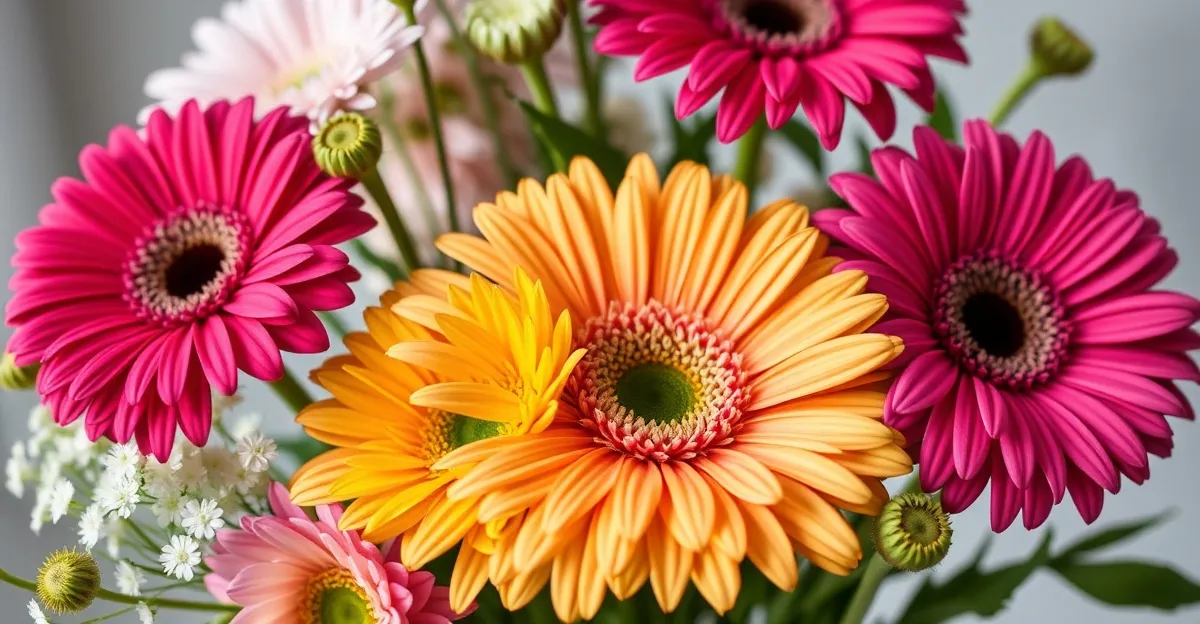
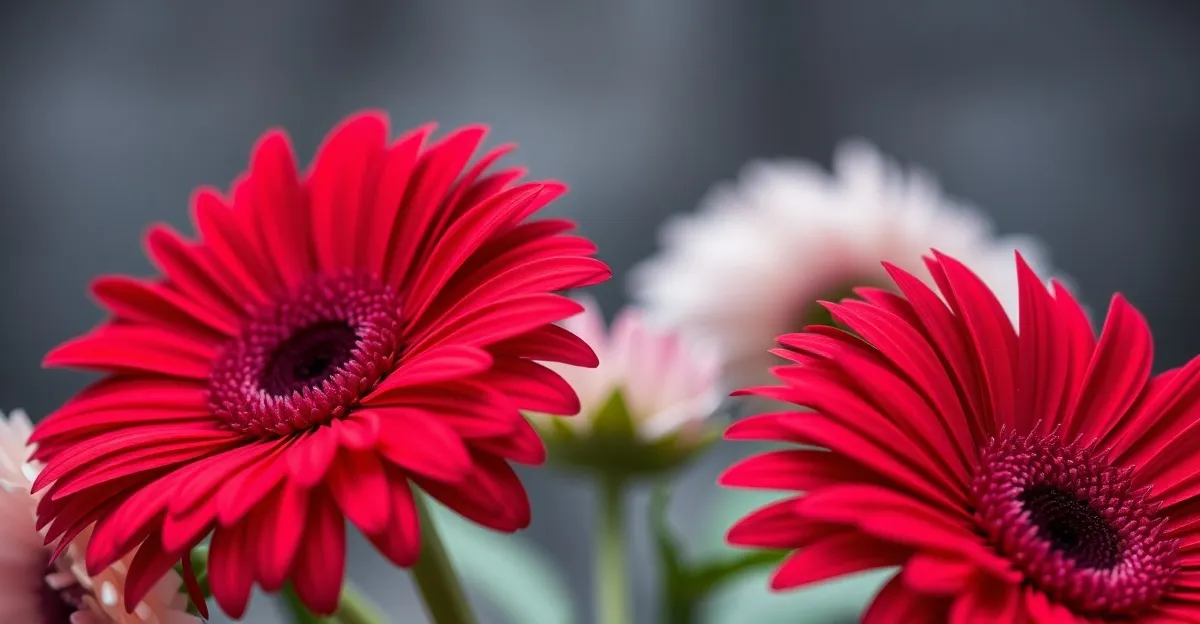
Walk into almost any florist in Bali and you will find gerberas. They sit in buckets near the entrance, bold and upright — bright orange, crimson, pale yellow, coral. They look like they have always been there, a staple so familiar it is easy to forget that the gerbera has a specific and surprisingly recent origin story. It was formally classified only in the 1880s, became a significant commercial flower only in the twentieth century, and arrived in Bali through overlapping colonial, horticultural, and trade histories that most people who buy them never think about.
Here is the actual story.
Discovery in South Africa
The gerbera's botanical history begins in the grasslands and rocky hillsides of South Africa. The plant was encountered by European collectors during the era of botanical expeditions through southern Africa — a period when European herbalists and natural historians were cataloguing and collecting the flora of what felt to them like an unexplored world (though, of course, indigenous communities had known these plants for generations).
The credit for the formal scientific description goes to J.D. Hooker, who published the plant's classification in 1889. He named the genus Gerbera in honour of Traugott Gerber, an eighteenth-century German naturalist and physician who had worked extensively in Russia and contributed to botanical science, though Gerber himself never visited South Africa or worked with these flowers.
The species that became commercially dominant is Gerbera jamesonii, named after Robert Jameson, a Scottish landowner in Transvaal, South Africa, near whose property a large natural population of the flowers was discovered. Jameson sent specimens to Kew Gardens in London, which at the time served as a global clearinghouse for botanical specimens and new plant varieties from across the British empire.
Early Cultivation and the Move to Europe
Kew Gardens began cultivating Gerbera jamesonii in the 1890s, and from there specimens spread to other botanical gardens across Europe. The first crosses and hybrids began in France at the beginning of the twentieth century, where plant breeders started experimenting with the flower's colour range — the natural South African species are primarily orange and yellow, and breeders wanted to expand this palette.
The development of the modern hybrid gerbera (Gerbera jamesonii hybrida) with its wide range of colours, from white through pink, red, and near-purple, is largely the product of twentieth-century Dutch and French horticulture. The Netherlands became and remains the global centre of cut flower production, and Dutch growers refined gerbera cultivation to the point where it became one of the most commercially produced flowers in the world.
Today gerberas rank among the top five most purchased cut flowers globally, alongside roses, chrysanthemums, carnations, and tulips.
The Name and Its Roots
The genus name Gerbera references Traugott Gerber (1710–1743), a German-Polish botanist and physician who spent most of his working life in Russia, cataloguing the flora of the Volga region and the eastern steppe. He died young — only 33 — and his botanical work was published posthumously. The honouring of his name through this South African genus is one of those oblique threads in botanical history: a man who worked in Russia remembered through a flower he never saw, growing in a country he never visited.
Common names vary: in English, they are often called Gerbera daisies or Transvaal daisies (a reference to their South African origin). In Indonesia they are generally known as gerbera or sometimes bunga matahari kecil (small sunflower), though this usage is informal.
Gerbera in Asian Floriculture
Gerberas arrived in Asia through European colonial networks — initially through Dutch-influenced trade routes (relevant for Indonesia, which was under Dutch colonial rule for over 300 years) and later through the global cut flower trade that expanded rapidly in the second half of the twentieth century.
In Indonesia, gerberas are grown commercially in highland areas like West Java (around Lembang), parts of East Java, and increasingly in highland Bali around the Bedugul area. The cooler temperatures at altitude suit the plant better than coastal heat — gerberas prefer temperatures between 15–25°C for optimal growth, which is why commercial farms are concentrated in the hills rather than on the coast.
For a broader look at how flowers from various origins have become part of Bali's landscape, can frangipani grow in Bali? A florist's perspective explores how a flower now considered quintessentially Balinese arrived from elsewhere and took root.
Botanical Characteristics
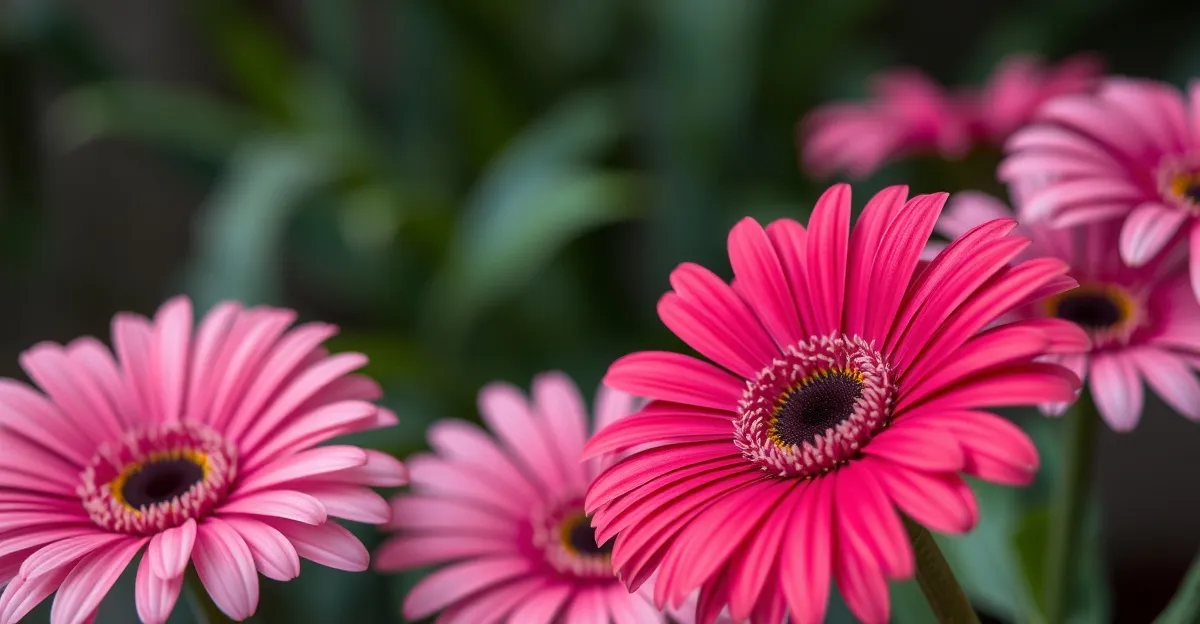
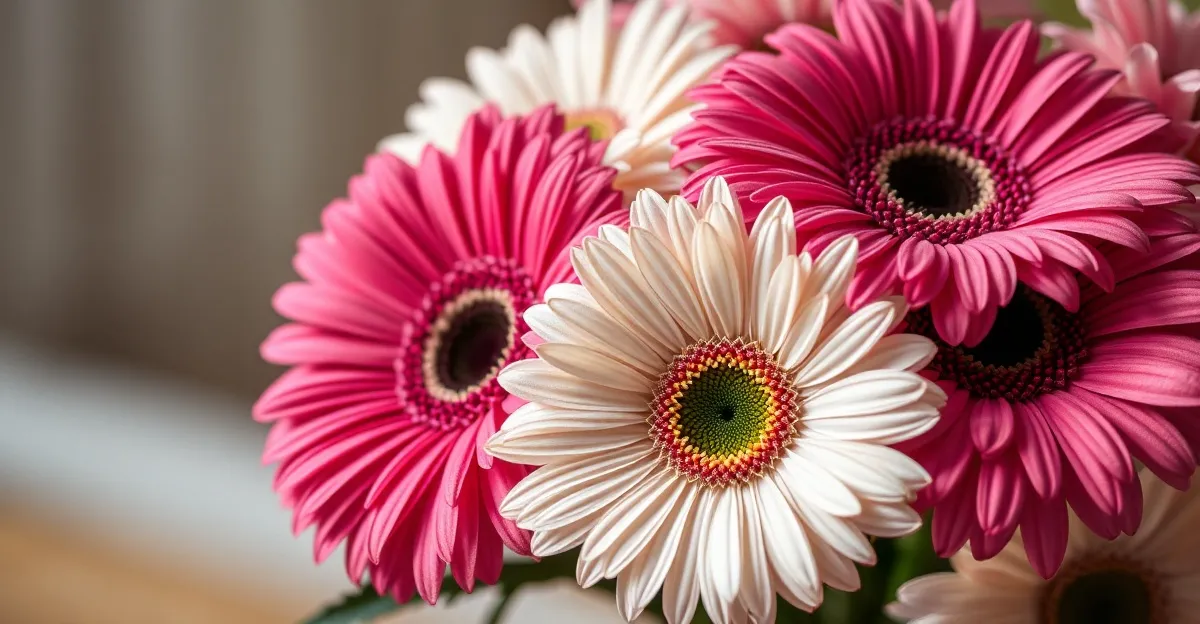
The gerbera belongs to the Asteraceae family — the same vast family that includes sunflowers, daisies, chrysanthemums, and marigolds. What appears to be a single flower is actually a composite: the central disc contains hundreds of tiny florets, and the outer ray of "petals" are technically individual ray florets. This composite structure is characteristic of the entire Asteraceae family.
In the wild, Gerbera jamesonii grows as a rosette perennial, producing stems up to 45 cm long that emerge directly from the base of the plant. Commercially grown gerberas are bred to produce longer, straighter stems — the single most important characteristic for the cut flower market.
The flowers are largely scentless, which is unusual for such visually prominent blooms. This trait, combined with their long vase life and exceptional colour range, makes them practical commercial flowers: they do not trigger scent sensitivities, they last well, and they photograph in near-perfect colour.
The Modern Commercial Gerbera
Today the cut gerbera trade is dominated by Dutch growers and a handful of Kenyan farms, with Colombia and Ecuador also contributing significant volume. The Netherlands' famous flower auction at Aalsmeer processes millions of gerbera stems annually.
Contemporary breeding has produced varieties with:
- Doubled flowers — extra rows of petals around the central disc
- Spider varieties — elongated, narrow petals that give a starburst appearance
- Pompom varieties — small, densely petalled heads
- Standard single and double — the most common forms seen in Bali's markets
Colours now span nearly the full visible spectrum except true blue, with extensive ranges of bicolour varieties where the inner and outer petals differ in shade.

The team
your florists
weekly subscription · Bali
We write about flowers because we love them. We deliver them because someone should — properly, weekly, across Bali.
— heyflowerPay once for 3, 6, or 12 months, no auto-renewal.
Gerberas in Bali Today
In Bali, gerberas have become a reliable fixture in local flower markets and florist shops. They are bought for daily flower offerings, for decoration in villas and restaurants, and increasingly for weddings and events where clients want something bright and tropical-feeling without paying premium prices for orchids or imported roses.
Local growers in highland Bali have been expanding gerbera cultivation, which means fresher stems are available with lower food miles than imported varieties. When you buy locally grown gerberas in Canggu or Seminyak, the flowers may have been cut as recently as the previous day — a significant quality advantage over air-freighted imports.
The story of the gerbera is, in many ways, a miniature version of Bali's own relationship with the wider world: a flower from one continent, shaped by European hands, travelling through global trade, and finding a new home in tropical soil where it has become part of the everyday beauty of the island.
Exploring the history of other commonly gifted flowers reveals similar trajectories. The history and origin of the daisy covers the broader daisy family, of which gerbera is a relative.
Frequently Asked Questions
Where do gerberas originally come from?
The gerbera originated in South Africa, specifically in the Transvaal grasslands. The species Gerbera jamesonii was formally described in the 1880s from specimens collected near Barberton in what is now Mpumalanga province.
Who named the gerbera and why?
The genus was named after Traugott Gerber, an eighteenth-century German-Polish naturalist who worked in Russia. He never visited South Africa or encountered the flower himself — the naming was a posthumous tribute by botanists who classified the plant after his death.
Are gerberas grown in Bali or imported?
Both. Gerberas are grown commercially in highland Bali, particularly around the Bedugul area where cooler temperatures suit the plant. Many flowers in Bali's coastal florists are locally sourced, though some imported stems also come through Java and the global cut flower trade.
Why do gerberas have no scent?
The gerbera evolved in a pollination context that did not require strong scent to attract pollinators — its vivid colours and large display were sufficient to draw insects. In commercial breeding, the absence of scent was actually reinforced as a desirable trait because it makes the flowers suitable for people with fragrance sensitivities.
When did gerberas become popular commercially?
Commercial cultivation began in earnest in the early twentieth century after European breeders started developing hybrid varieties with expanded colour ranges. The massive growth in the global cut flower trade from the 1970s onward brought gerberas to florists worldwide, and by the 1990s they had become one of the top five most commercially traded cut flowers globally.
Fresh locally grown gerberas and seasonal arrangements are available for weekly or fortnightly delivery through heyflower.co — serving Canggu, Berawa, Pererenan, Seminyak, and Kerobokan. Let the story of this extraordinary flower continue in your home.
More on Gerbera