Can Frangipani Grow in Bali? A Florist's Perspective
Frangipani grows so abundantly in Bali it's practically the island's official flower. A florist explains why, where to find it, and how to grow it yourself.
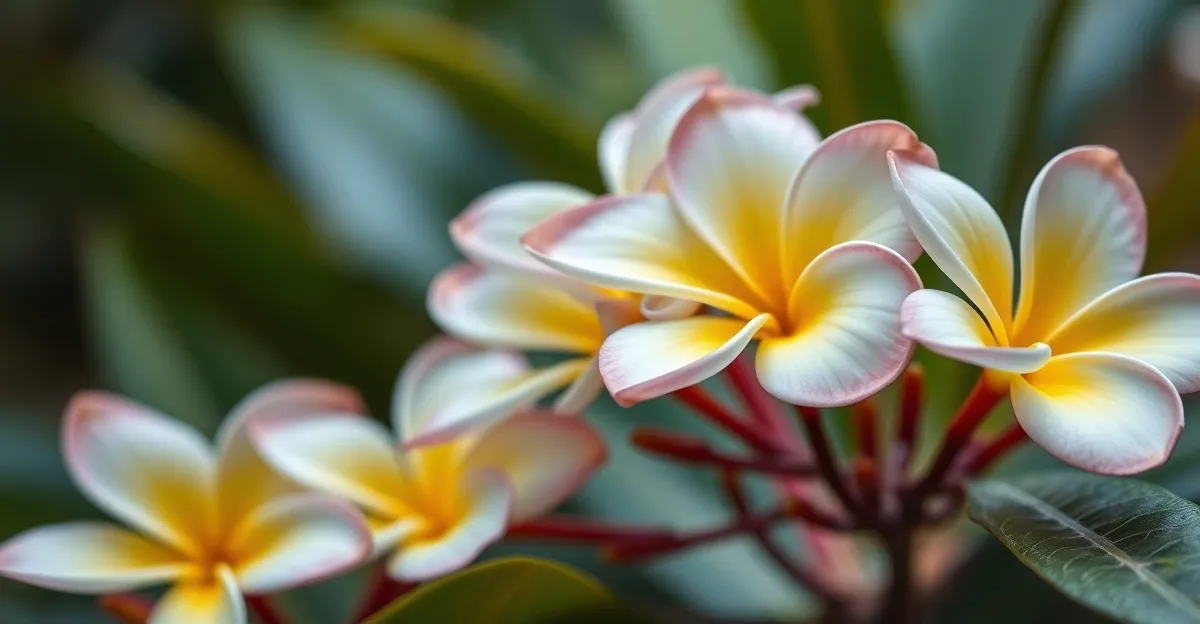
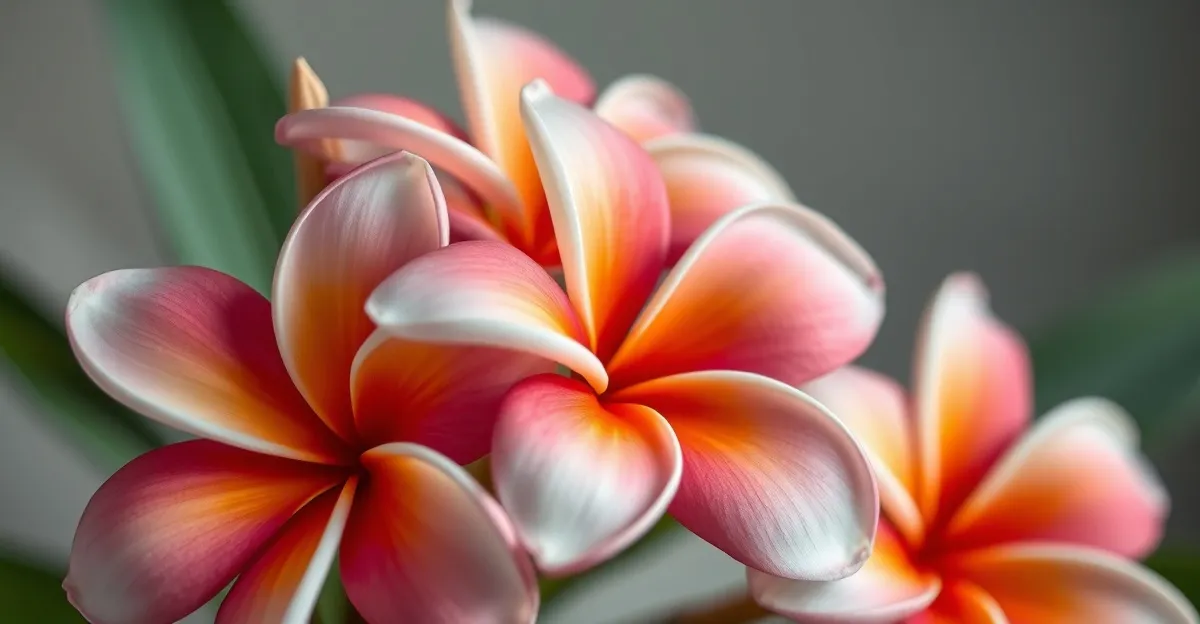
Not only can frangipani grow in Bali — it's hard to imagine Bali without it. Walk through any neighborhood in Canggu, Seminyak, or Ubud and frangipani trees are a constant presence: overhanging walls, shading temple entrances, dropping petals onto offerings, perfuming the morning air. The flower is so embedded in Balinese landscape and culture that most people arriving on the island assume it must be native.
It isn't, actually. Frangipani (Plumeria spp.) originated in tropical Central America and the Caribbean. But the tree has been growing in Bali for so long — arriving via Portuguese and Dutch trade routes from at least the 16th century — that it has been fully absorbed into the island's identity. The Balinese have made it their own in a way that few introduced plants achieve anywhere in the world.
Why Frangipani Thrives So Well in Bali
Frangipani's preferences align almost perfectly with Bali's year-round growing conditions.
Temperature
Frangipani is a tropical plant that grows best between 20°C and 35°C. Bali's coastal areas sit comfortably within this range year-round — daytime temperatures between 27°C and 33°C, rarely dropping below 20°C at night even in the coolest months (June and July). There's no frost, no damaging cold, none of the temperature extremes that limit frangipani in subtropical or temperate locations. Bali's warmth is consistent enough that frangipani grows without interruption.
Sunlight
Bali receives abundant sunshine — even in the wet season, daily sun hours typically remain at five to seven hours. In the dry season (May through September), clear skies and intense equatorial sun create optimal conditions for frangipani growth and flowering. Full sun for six or more hours daily is ideal, and Bali's open gardens, coastal roadsides, and temple courtyards provide exactly this.
Seasonal Water Pattern
This is where Bali's climate perfectly matches frangipani's evolutionary biology. Frangipani evolved in the seasonally dry tropics of Central America — it's adapted to a wet season of growth and flowering followed by a dry season that triggers partial dormancy and leaf drop. Bali's November-to-March wet season followed by May-to-October dry season mirrors this pattern almost exactly.
During the dry season, frangipani enters its partial dormancy: leaves drop, growth slows, the tree looks bare. When the rains come, new leaves burst from the tips and the tree floods with flowers. This seasonal rhythm is so predictable that Balinese gardeners and florists can time flowering fairly accurately.
Soil and Drainage
Bali's volcanic soils — particularly in the lowland and mid-elevation areas around Canggu, Tabanan, and Gianyar — are rich, well-draining, and slightly acidic: conditions frangipani tolerates well. The island's topography also naturally creates good drainage across most areas, reducing the root-rot risk that flat, clay-heavy soils create.
Frangipani as a Ceremonial Plant in Bali
The tree is so central to Balinese ceremonial life that understanding it purely as an ornamental tree misses the point. Frangipani (jepun in Balinese, kamboja in Indonesian) is planted at:
- Temples (pura): Almost every Balinese temple has frangipani trees in its compound, providing continuous flowers for offerings.
- Cremation grounds: Frangipani is traditional in Balinese burial and cremation areas, not because of any morbid association but because the continuous flowers provide fresh material for offerings honoring the dead.
- Household shrines: The sanggah (family temple) in the northeast corner of a Balinese compound almost always has frangipani nearby.
- Villa and hotel gardens: Any property wanting to create authentic Balinese atmosphere plants frangipani as a first priority.
The flowers from these trees feed the daily canang sari offering cycle — white petals are among the most commonly used flowers in daily offerings across the island.
Growing Frangipani in Bali: Practical Guide
From Cuttings
Propagating frangipani from cuttings is the most common method in Bali, and it's genuinely easy in the island's climate:
- Cut a branch tip 30–60 cm long, ideally in the dry season when the tree is in active growth
- Allow the cut to callous — leave it in a shaded, dry spot for five to seven days until the latex sap has dried and the cut end has formed a papery skin
- Plant in a pot with very free-draining medium (50% potting mix, 25% coarse sand, 25% perlite)
- Water lightly — the cutting doesn't need much water to initiate rooting
- In Bali's warmth, rooting typically begins within three to six weeks
During the wet season, be more careful with the callousing step — the higher ambient humidity can prevent proper drying of the cut end. Callous indoors (in an air-conditioned space or covered area) if you're propagating during November through March.
From Young Plants
Specialist nurseries in Tabanan, Bedugul, and Denpasar sell young frangipani plants in sizes ranging from small cuttings to established flowering specimens. A young flowering-size frangipani in a 20-litre pot might cost Rp 75,000–200,000 depending on variety and size. Mature specimen trees in large containers command considerably more.
For villa gardens wanting established, blooming trees quickly, buying a 1–2 meter specimen and transplanting it is faster than propagating from cuttings, though it requires more care immediately after transplanting.
The Ideal Planting Spot
In a Bali villa garden, frangipani does best:
- Against a north or east-facing wall that provides some shelter from the strongest afternoon sun while allowing good morning light
- In a position with at least 3 meters of space to grow — the trees eventually become substantial
- Not in a low point where wet season water collects
- Near an outdoor living or entertaining area, where the fragrance can be enjoyed

The team
your florists
weekly subscription · Bali
We write about flowers because we love them. We deliver them because someone should — properly, weekly, across Bali.
— heyflowerPay once for 3, 6, or 12 months, no auto-renewal.
Where to Find Frangipani in Bali's Flower Markets
Cut frangipani blooms are available daily at Bali's pasar bunga (flower markets) — particularly at Pasar Badung and Pasar Kumbasari in Denpasar, and at local morning markets throughout Canggu, Seminyak, and other areas. They're typically sold by the bag (a hundred or more blooms) for relatively little — Rp 10,000–30,000 depending on volume and season.
In the dry season peak (August-September), frangipani blooms are more abundant and fresher; during the wet season, availability may be slightly reduced and freshness varies more.
For more on how Bali's tropical environment shapes its floral landscape, our piece on whether gardenia can grow in Bali covers a related and equally interesting plant story.
Frequently Asked Questions
How long does a frangipani tree take to flower from a cutting in Bali?
In Bali's warmth, a cutting planted in the right conditions can produce its first blooms within twelve to eighteen months. A purchased young plant in a pot is typically already flowering or will begin within a season of being established in the ground.
Can frangipani grow in a pot on a Bali apartment terrace?
Yes. Frangipani in pots is common across Bali's villas and apartments. Choose a large pot (minimum 40 litres), ensure excellent drainage, and accept that potted specimens will be smaller and flower less abundantly than garden-planted trees. They still flower and produce the characteristic fragrance.
What does frangipani grow best alongside in a Bali garden?
Bougainvillea, heliconia, bird of paradise, and hibiscus are excellent garden companions. All are equally sun-tolerant and drought-adapted during dry season. The combination of bougainvillea's vivid pink-purple with frangipani's warm white is a classic Bali garden palette.
Are there pest problems specific to frangipani in Bali?
Frangipani rust (a fungal disease producing orange-yellow spots on leaves) is the main issue in humid wet-season conditions. Occasional mealybug infestations can affect the stem tips. Both are manageable — rust with copper fungicide, mealybugs with neem oil or insecticidal soap. Neither typically threatens an established tree's life.
How do I know which frangipani variety will do best in my Bali garden?
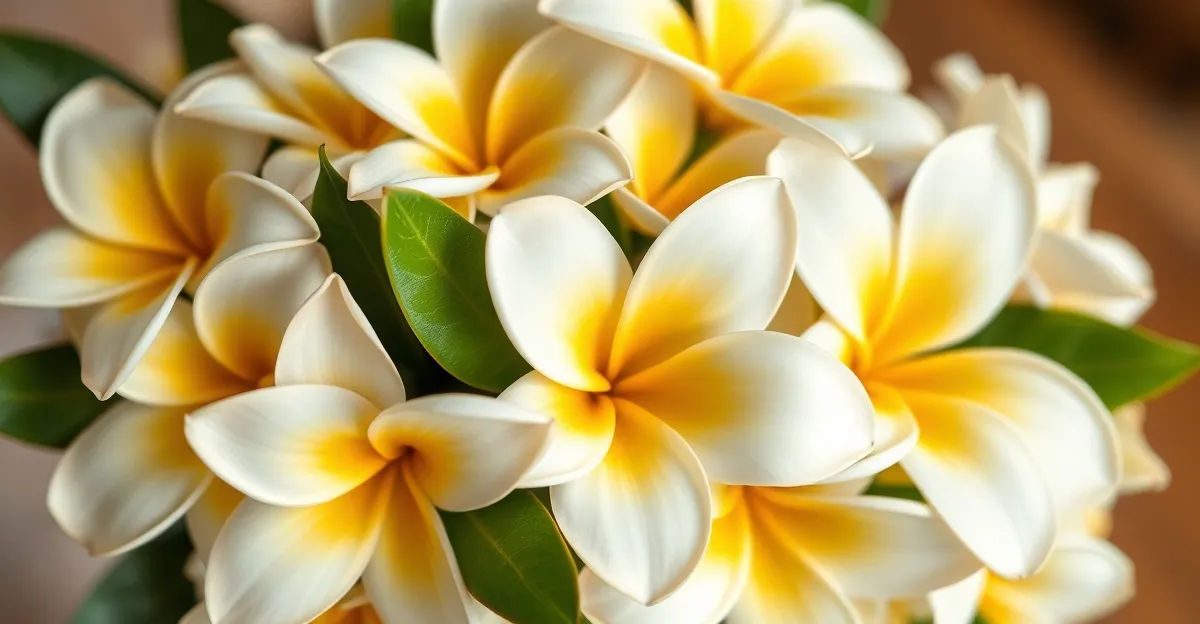
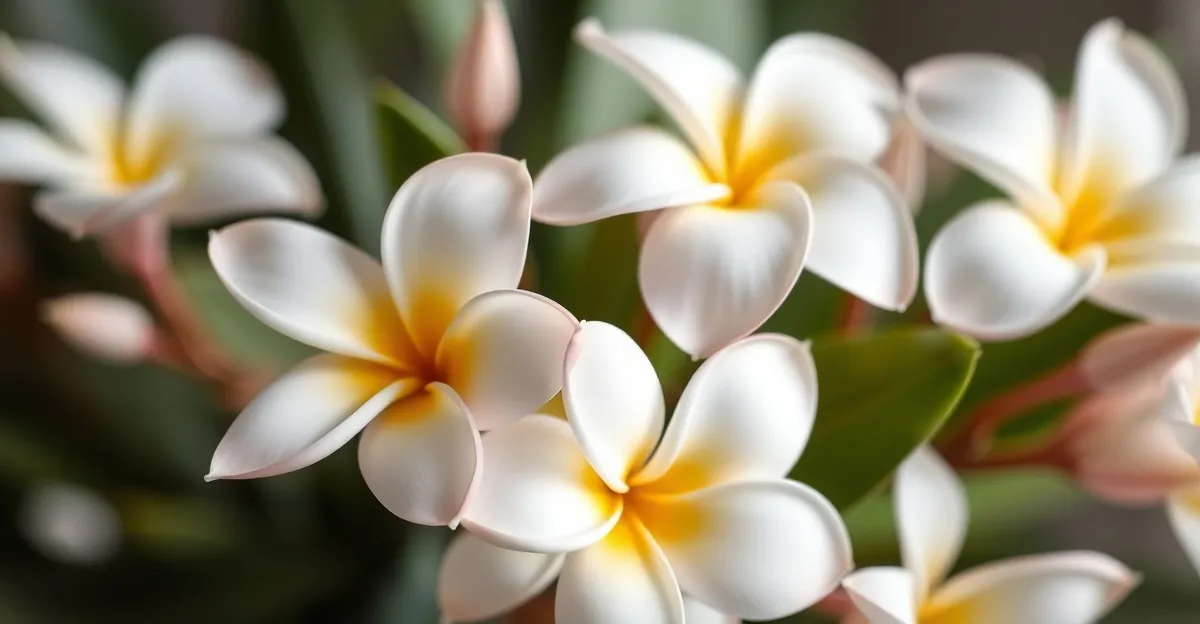
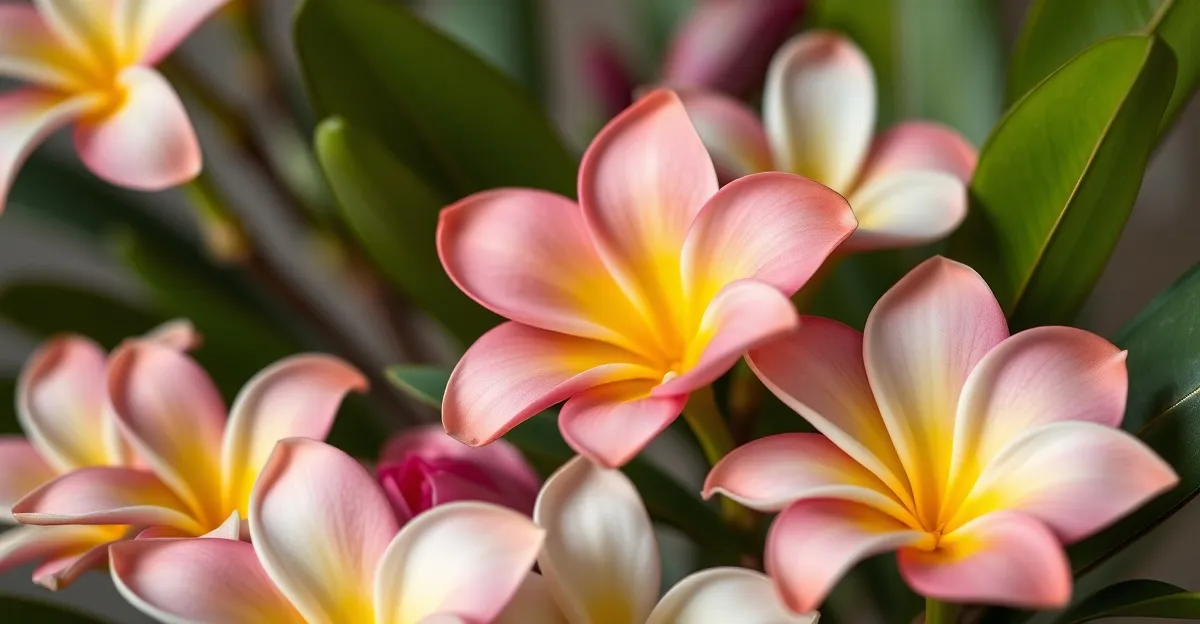
The common white Plumeria obtusa is the most reliably vigorous and free-flowering variety across all of Bali's growing conditions. It's also the most traditional and the most deeply embedded in Balinese ceremony. For color variety, P. rubra hybrids in pink, yellow, and red are also well-adapted. Ask a local nursery for advice specific to your area's conditions.
At heyflower.co, we source frangipani from local growers and incorporate it into arrangements that capture everything that makes Bali's flowers special. Browse our collections and weekly subscription options at heyflower.co, delivering to Canggu, Berawa, Pererenan, Seminyak, and Kerobokan.
More on Frangipani