The history and origin of the delphinium
Delphinium has a history spanning ancient medicine, European cottage gardens, and modern floristry. Here's the full story of this dramatic flower.
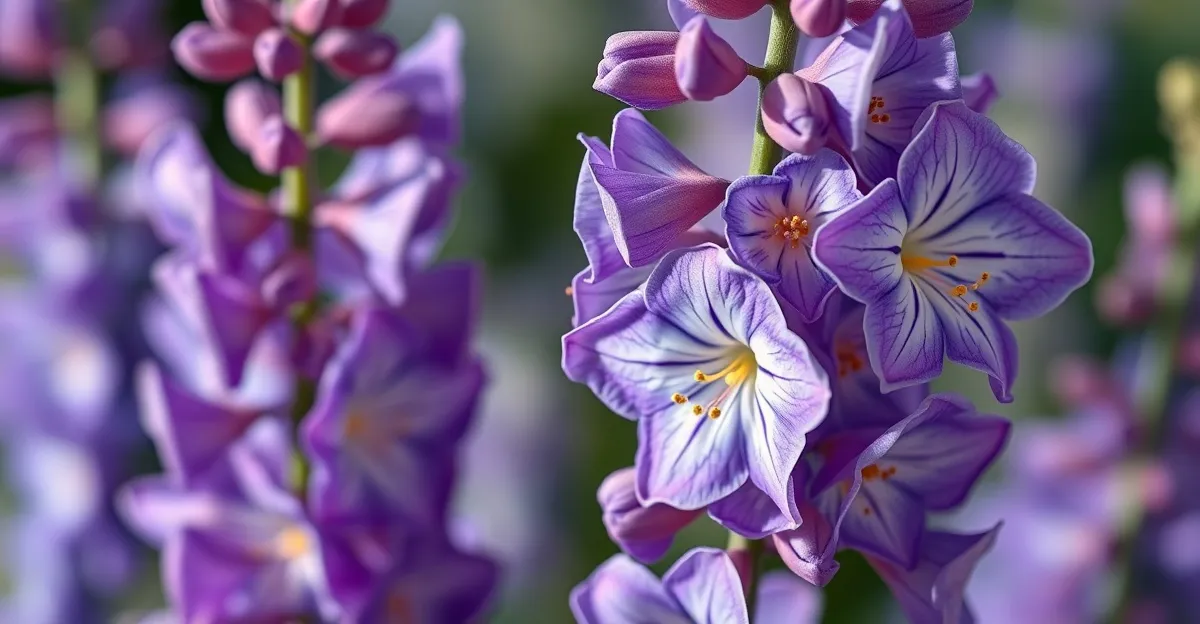
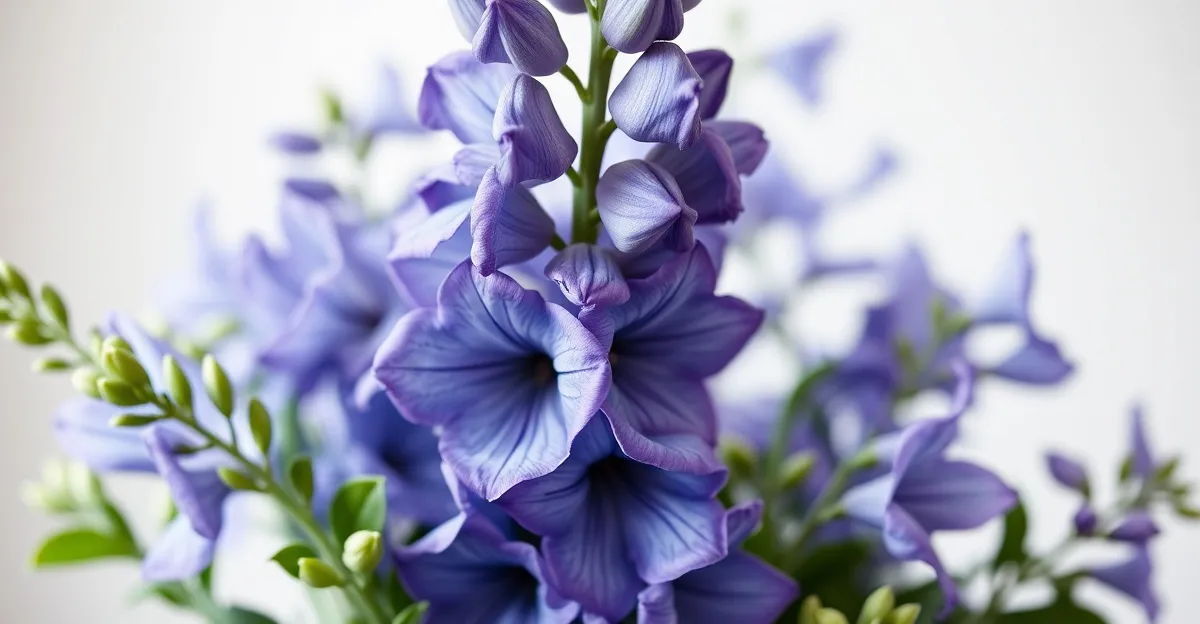
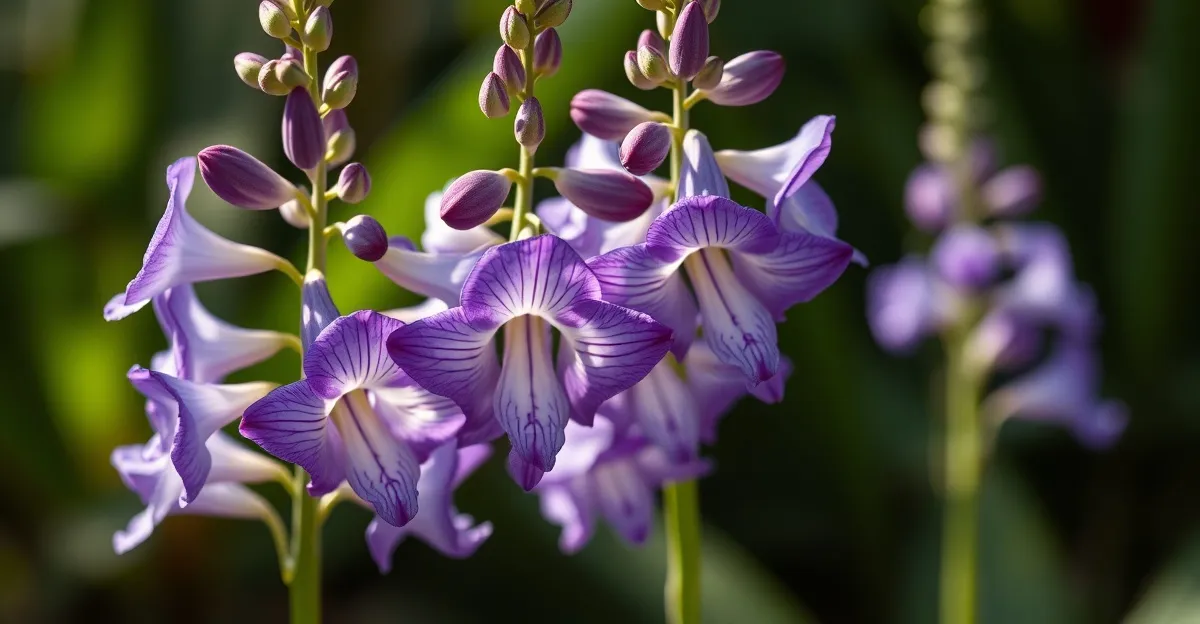
The name delphinium comes from the Greek word for dolphin — delphis. Look at the unopened bud of a delphinium flower and you can understand why the ancient Greeks made that connection: the nectary spur of the developing bud has a curved, rounded shape that the imagination can map onto the arcing form of a dolphin's back. That etymology tells you something about how long humans have been paying attention to this flower. Delphinium's presence in human culture stretches back to antiquity, and the journey from its ancient wild origins to the tall, densely-flowered spikes you see in Bali's florist displays today is genuinely interesting.
Ancient origins and early uses
Delphinium belongs to the buttercup family (Ranunculaceae) and encompasses roughly 300 to 400 species native to the temperate regions of the Northern Hemisphere. The greatest diversity of species is found across Central Asia, the Himalayan foothills, and the mountain regions of Europe and North Africa — places with cooler temperatures, strong seasonal variation, and the rocky, well-draining soils that many species prefer.
Ancient Greek and Roman traditions documented delphinium not primarily for its ornamental beauty but for its medicinal (and toxic) properties. The plant contains alkaloids — particularly delphinine — that in small quantities were used in preparations for skin parasites and lice treatments. Ancient texts note the plant's use in this context, alongside warnings about its general toxicity when ingested. Roman writers referenced it in agricultural contexts, noting that preparations from the plant could repel insects from grain stores.
Medieval European herbalists continued to document delphinium in medical traditions, where it appeared in treatments for intestinal parasites and other applications. The dual nature of the plant — medically useful in tiny quantities, toxic in larger ones — placed it firmly in the tradition of "poison plants" that medieval medicine worked with cautiously.
From medicine to garden ornamental
The transition of delphinium from a medicinal plant of note to a beloved garden ornamental began in earnest during the Renaissance and accelerated through the seventeenth and eighteenth centuries as European botanical gardens expanded and the appreciation of flowers for their beauty alone became culturally legitimate.
English cottage garden tradition — which reached its height in the eighteenth and nineteenth centuries — embraced delphinium enthusiastically. The tall flower spikes in shades of blue, violet, and white suited the layered, exuberant aesthetic of the cottage garden, and the plant's capacity to grow vigorously in English conditions made it a reliable performer. By the Victorian era, delphinium was among the most fashionable and widely grown perennial flowers in British gardens.
The Victorian language of flowers (floriography) gave delphinium specific meanings that have persisted into modern gifting tradition. Blue delphinium was associated with an open heart and big-hearted generosity — the quality of giving without reservation. Purple delphinium spoke to admiration, transformation, and spiritual seeking. These meanings suited the social norms of the era, where flower messages were a coded form of communication between people who could not speak openly about their feelings.
Breeding and the modern delphinium
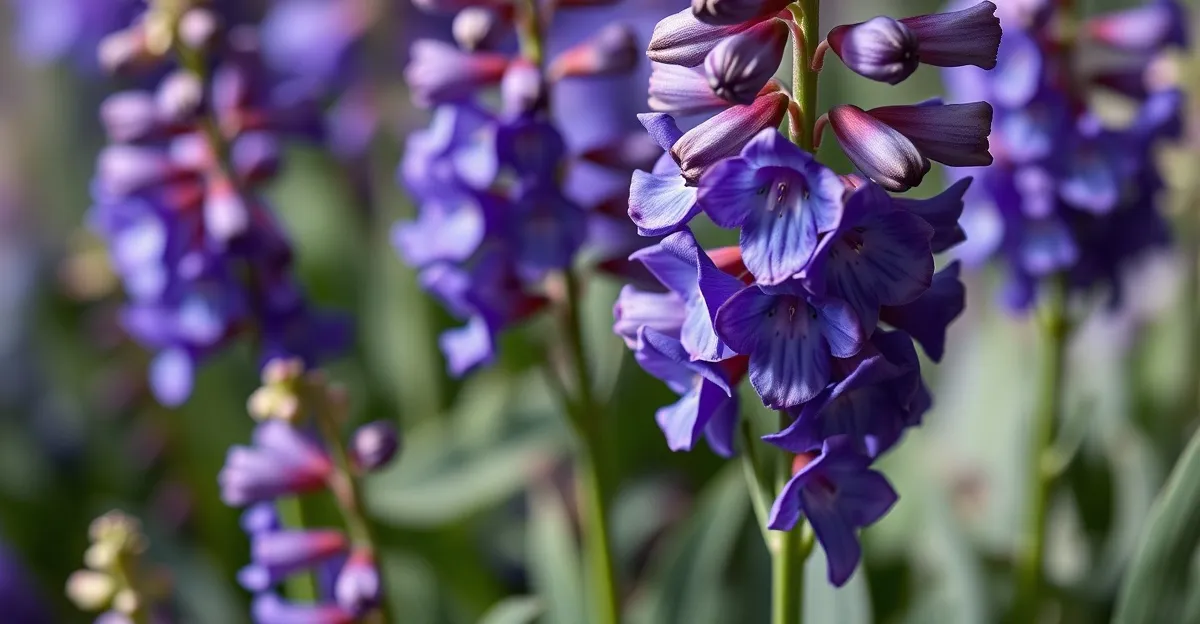
The delphinium varieties that dominate floristry today are substantially different from any wild species. The tall hybrid delphiniums — the ones with densely packed flower spikes, long stems, and a wide color range — are the product of intensive selective breeding, primarily carried out in Europe and the United States from the nineteenth century onward.
British breeders in the late nineteenth and early twentieth centuries produced some of the most influential delphinium hybrids, particularly in the "Elatum Group" — large-flowered, tall-spiked varieties that became the template for modern show delphinium. Significant breeding work was also carried out in the United States, particularly on California's coast, where the cool Pacific climate suited delphinium well.
By the mid-twentieth century, delphinium hybridization had produced commercial cut flower varieties optimized for consistency, stem length, and color range — the qualities that matter in a flower traded on international markets. The Dutch cut flower industry, which processes and trades the majority of the world's commercially grown cut flowers, developed delphinium as a significant category.
The Pacific Coast connection: larkspur and the American tradition
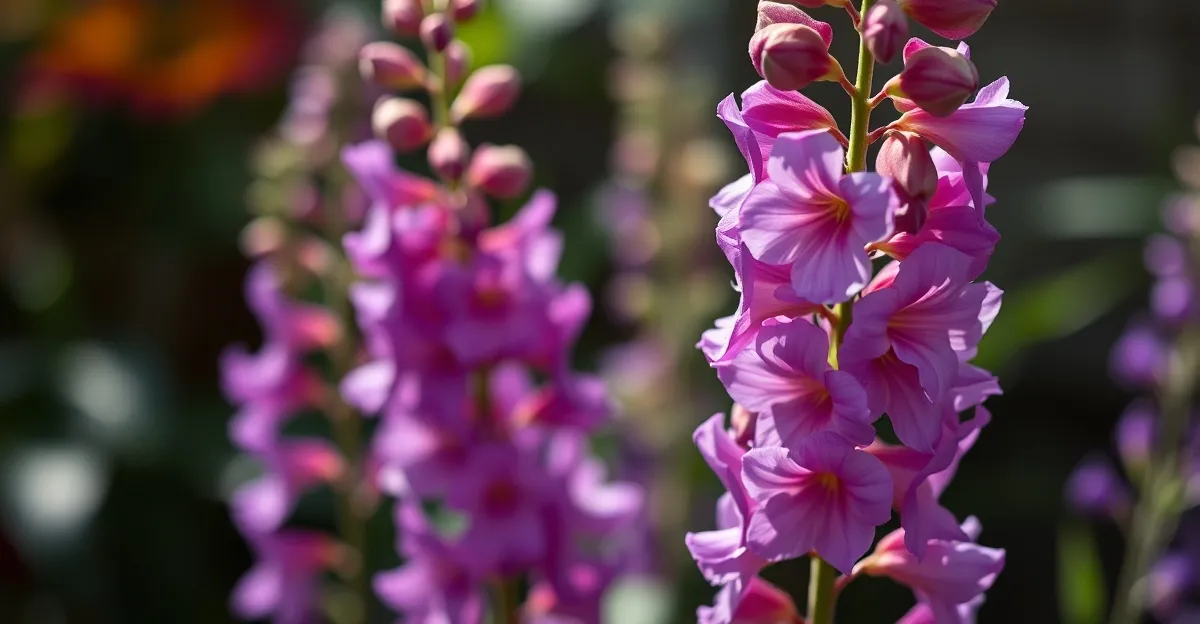
The story of delphinium in North America takes an interesting parallel path. Annual larkspurs — Consolida species, once classified as delphinium — are native to Mediterranean regions but naturalized widely in North America and became deeply embedded in the American cottage and farmhouse garden tradition. California poppies and larkspur filling a summer meadow have been an image in American garden culture for over a century.
The Consolida connection helps explain why delphinium has a strong foothold in American floristry. The annual forms, more heat-tolerant than hybrid delphiniums, could be grown in more of the country, making the flower accessible across a wider market. Today both the tall Elatum hybrids and larkspur are used in American commercial floristry, while internationally traded cut flowers are primarily the Elatum and Pacific Coast hybrid varieties.

The team
your florists
weekly subscription · Bali
We write about flowers because we love them. We deliver them because someone should — properly, weekly, across Bali.
— heyflowerPay once for 3, 6, or 12 months, no auto-renewal.
How delphinium reached Bali's flower scene
The global cut flower trade is how delphinium arrived in Bali. As the island's tourism economy expanded from the 1970s onward, international hotels began importing and sourcing cut flowers that matched the expectations of their international guests — flowers that read as premium and cosmopolitan regardless of local availability.
Delphinium fit this profile well: it is a flower recognizable to European and American visitors as luxury and occasion. Supply through highland Java — where the cool growing conditions at 1,000 to 1,500 meters altitude allow commercial cultivation — made it gradually more accessible. Today, delphinium is a regular feature in Bali's florist inventories, imported fresh and used in everything from hotel lobby installations to intimate gifting arrangements.
The lotus in Balinese Hinduism has a deep spiritual symbolism rooted in centuries of local tradition. Delphinium represents the other side of Bali's flower world — a flower of global trade whose presence on the island reflects what the island has become in the twenty-first century. You can learn more about the lotus and its deep meaning in Balinese ritual life for a contrasting perspective on how flowers carry meaning in Bali.
FAQ
Why is it called delphinium? The name comes from the Greek word for dolphin (delphis), a reference to the shape of the unopened flower bud, which resembles a dolphin's back.
How many species of delphinium exist? Roughly 300 to 400 species are recognized, native primarily to the temperate regions of the Northern Hemisphere, with the greatest diversity in Central Asia and the Himalayas.
Is delphinium the same as larkspur? Closely related but distinct. Larkspur (Consolida species) was once classified as Delphinium but has been separated taxonomically. They share similar appearance and are related but are different genera. Larkspur is generally more heat-tolerant.
When did delphinium become a major cut flower? Delphinium became a significant commercial cut flower from the mid-twentieth century onward, as Dutch flower market infrastructure developed and international cut flower trade expanded.
Who developed the tall hybrid delphiniums used in floristry today? British breeders in the late nineteenth and early twentieth centuries developed the foundational Elatum Group hybrids. American breeders on the Pacific Coast further developed the plant into commercial cut flower forms. Ongoing breeding continues in the Netherlands and other major floriculture countries.
Ready to bring fresh flowers to your Bali home or event? Explore our weekly flower subscription and get handpicked blooms delivered to your door every week.
More on Delphinium