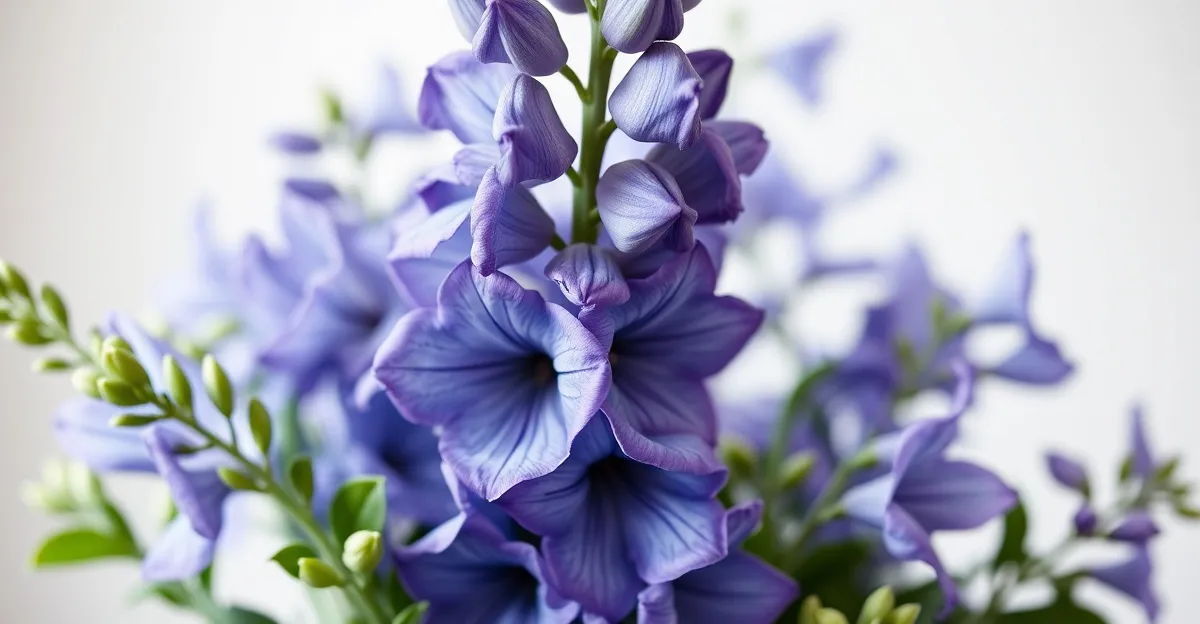
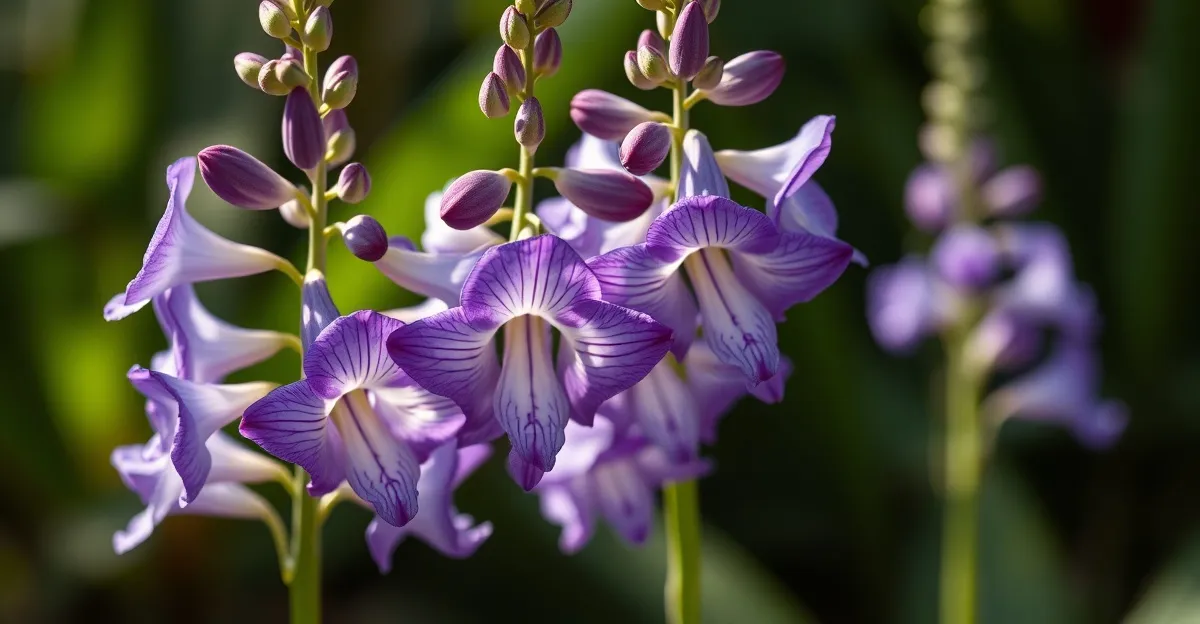
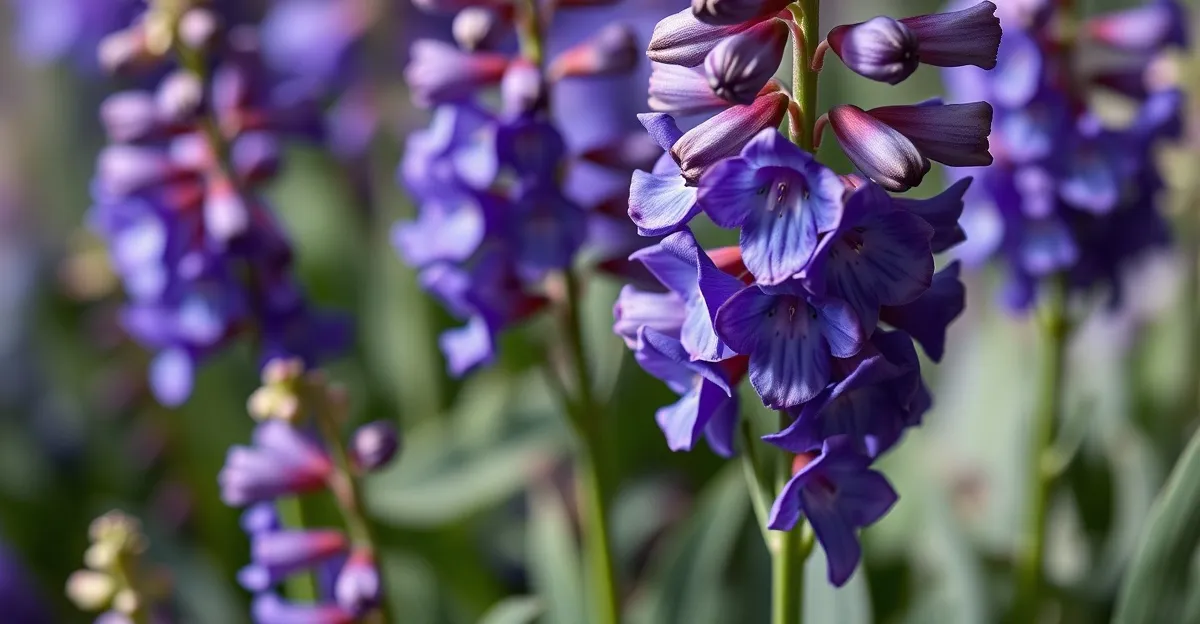
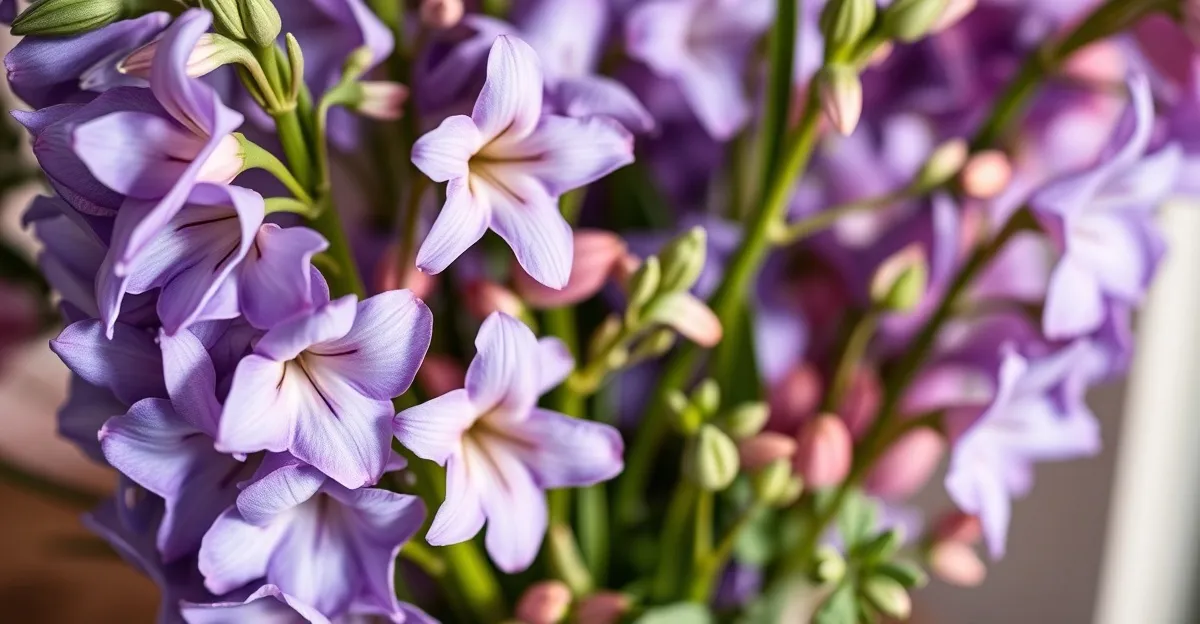
How to care for delphinium in Bali's humid climate
Practical tips for keeping delphinium fresh in Bali's tropical heat and humidity, including water care, placement, and what makes delphinium fail faster here.
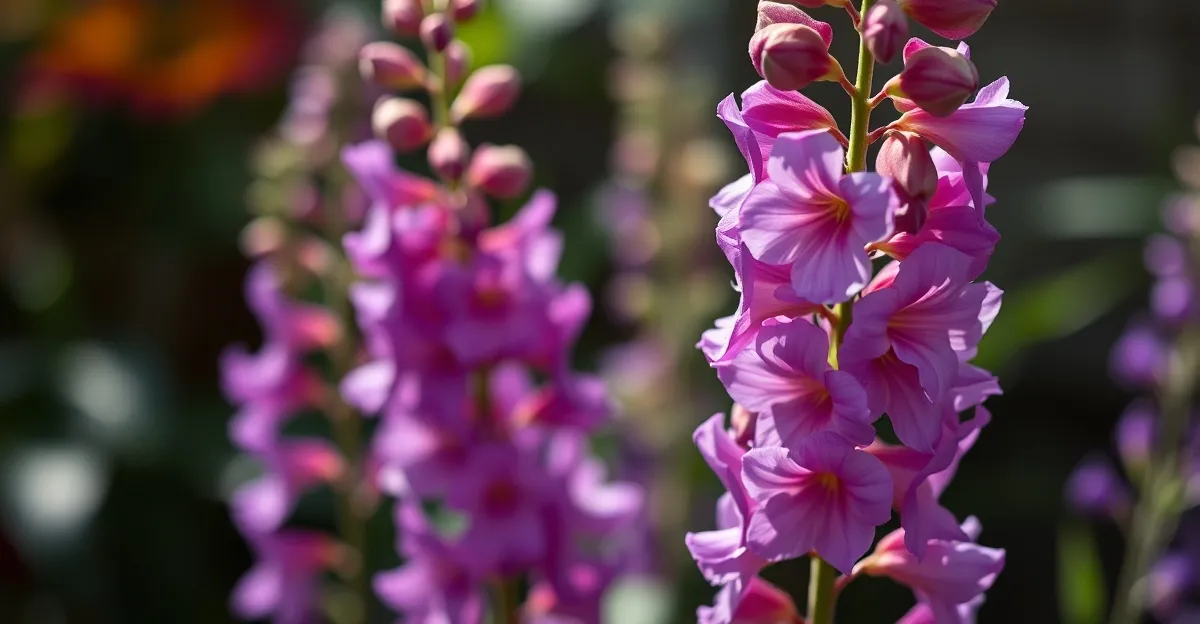
Delphinium is one of those flowers that needs a bit more attention in Bali than it would in, say, a cool Dutch flower shop or a temperature-controlled London event venue. It's not difficult to care for, but it's unforgiving of the specific mistakes that Bali's climate makes more likely — and understanding what those are makes the difference between a bouquet that lasts a week and one that collapses in three days.
Why delphinium is more demanding in the tropics
Delphinium is a cool-climate plant. In its natural alpine and temperate garden habitats, it grows in conditions that couldn't be more different from Bali's coastal lowlands: cool air, low humidity, excellent drainage, and long hours of moderate (not intense) sun. Cut delphiniums are bred for extended vase life, but even the most commercially robust varieties are working against biology when placed in a room at 30°C with 80% humidity.
The primary risks in tropical conditions:
Bacterial vase water: Warm water accelerates bacterial growth dramatically. In a Bali room without air conditioning, water in a vase can become heavily contaminated with bacteria within 24 hours. These bacteria block the delphinium's stem, preventing water uptake and causing the stems and flower spikes to wilt from the top down — a symptom called "top wilt" that's one of the most common problems with tropical delphiniums.
Botrytis and petal browning: High humidity encourages the fungal pathogen botrytis cinerea, which causes petals to brown and wilt prematurely. You'll notice this most on the individual florets of the spike — they develop a water-soaked, then brown, appearance. Good air circulation is the main preventative.
Stem hollow collapse: Delphinium stems are hollow — unlike roses, which have solid pithy stems. Hollow stems are more susceptible to bacterial blockage and to physical collapse under the weight of a fully hydrated flower spike. If stems are cut too short or positioned at a bad angle in a narrow vase, the weight of the spike can cause the stem to buckle.
The most important care steps for Bali conditions
Recut stems immediately on arrival: If you've purchased or received delphinium and it's been out of water for any period, recut the stems immediately under water or at a steep angle before placing in a vase. For hollow-stemmed delphiniums, some florists recommend briefly inverting the stem, filling it with water, then plugging the cut end with cotton wool before placing in the vase — this technique ensures the hollow stem stays water-filled.
Change water every day or every other day: This is non-negotiable in tropical conditions. Bacterial buildup in warm vase water is the primary reason delphiniums fail early in Bali. Cool, clean water every 24–48 hours, along with a fresh stem cut, extends vase life significantly.
Use flower preservative: The flower food sachet that comes with a good florist bouquet is genuinely useful for delphinium in tropical conditions. The biocide component controls bacterial growth; the sugar component fuels the flowers. If you don't have a sachet, a small amount of bleach (two to three drops per liter) in the water provides similar bacterial control.
Keep in air conditioning if possible: The single most impactful factor for delphinium vase life in Bali is air conditioning. An AC room at 20–22°C can extend delphinium life to 10–12 days, compared to five to seven days in non-AC conditions. This isn't always practical, but if you have the option, prioritize it for delphinium.
Good air circulation, not direct fan blast: A gentle flow of air around the arrangement prevents botrytis. Don't place delphiniums directly in the blast of an air conditioner or a strong fan — the rapid moisture loss from petals causes them to brown at the edges. Gentle circulation is the goal.
Height of vase matters: Delphinium stems are tall — 60–90cm is common for commercial cut varieties. The vase needs to provide substantial support. At least a third of the total stem length should be in the vase to prevent top-heavy tipping. If you don't have a tall enough vase, cut the stems to a manageable length and keep the most attractive upper portion of each spike.
Conditioning delphinium before arranging
If you're building a bouquet or arrangement with delphinium, conditioning the stems before arranging helps significantly.
After recutting, place stems in a clean bucket of water (with flower preservative) in a cool, shaded location for two to four hours before arranging. This allows the stems to fully hydrate after any travel or handling time, meaning the flowers enter their display life at full hydration rather than playing catch-up.
Some florists in Bali "condition" delphinium overnight in a cool room (ideally with AC) before delivering it to clients. If you're receiving delphiniums for a special occasion and can arrange for an early delivery, this pre-conditioning time is worth building in.
What "top wilt" looks like and what to do about it
Top wilt — where the top florets of the delphinium spike wilt while the lower ones look fine — is almost always caused by bacterial stem blockage. The bottom of the stem is clogged, preventing water from reaching the uppermost flowers.
Fix: Remove the delphinium from the vase, recut at least 5cm off the base of the stem at a sharp angle, and place immediately into clean fresh water. In many cases, the top will recover within two to three hours. If it doesn't recover after four hours in fresh water, the bacterial blockage is likely too severe and that stem is past saving.
Prevention is much easier than cure, which is why daily water changes are so important in Bali's heat.

The team
your florists
weekly subscription · Bali
We write about flowers because we love them. We deliver them because someone should — properly, weekly, across Bali.
— heyflowerPay once for 3, 6, or 12 months, no auto-renewal.
Placement in a Bali home or villa
The ideal placement for delphinium in a Bali home: bright indirect light, good air circulation, away from direct tropical sun (which generates heat that accelerates water loss and bacterial growth), away from fruit, and away from ceiling fans that create air turbulence around the petals.
In practical Bali terms: a living room side table away from the window rather than on the window sill; a dining table centerpiece but not directly under a ceiling fan; an entrance hall away from the front door where hot air enters when opened.
For outdoor pavilions (bale) that are popular in Bali villas: delphinium is not well-suited to fully open-air tropical placement. The heat, moving air, and potential dew exposure make vase life very short. Keep delphiniums indoors.
FAQ
How long will delphinium typically last in a Bali villa without AC? In an open-air or naturally ventilated villa with ambient temperatures around 28–32°C, expect four to six days with attentive care (daily water changes, stem recutting). In direct sun or poor conditions, this can drop to two to three days.
Should I mist delphinium with water to keep it fresh in the heat? No. Misting the flowers adds surface moisture that can encourage botrytis. Keep the air around the flowers moving rather than wet. The water supply should be through the stem, not the petals.
Can I refrigerate delphinium overnight to extend its life? Yes, this works well. Wrap the bouquet loosely in paper and place in the fridge (not freezer) overnight. Make sure it's not near ethylene-producing fruits. Overnight refrigeration can add two to three days to the overall vase life in Bali conditions.
The delphinium in my arrangement is leaning and flopping — what do I do? This is likely a stem support issue. Either the vase isn't providing enough height for the stem, the hollow stem has partially collapsed, or the stem is undersupplied with water. Recut, move to a taller vase with fresh water, and allow a few hours to recover. Adding a support stick alongside the stem inside the vase can help stabilize tall spikes.
Is it worth buying delphinium at Bali's flower markets or is it too fragile? Market delphinium in Bali can be fine quality, but it's often been unrefrigerated for some time before purchase. If buying from Pasar Kumbasari or roadside stalls, look for tight buds (with some beginning to open) rather than fully open spikes — flowers in bud have more remaining vase life ahead of them.
Ready to bring fresh flowers to your Bali home or event? Explore our weekly flower subscription and get handpicked blooms delivered to your door every week.
More on Delphinium