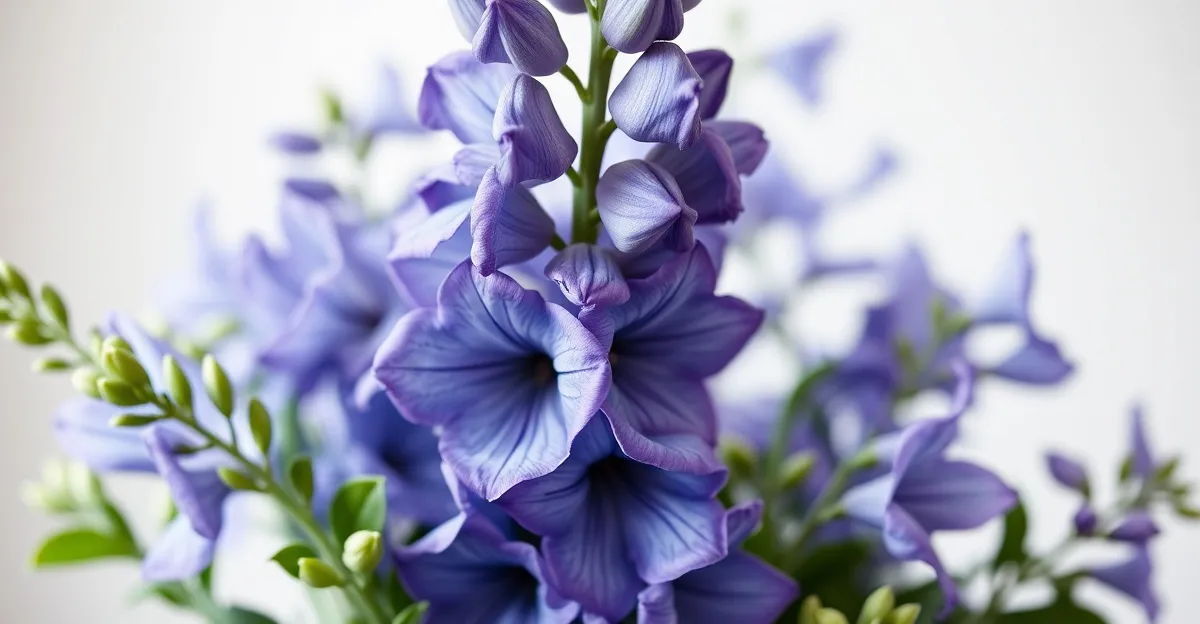
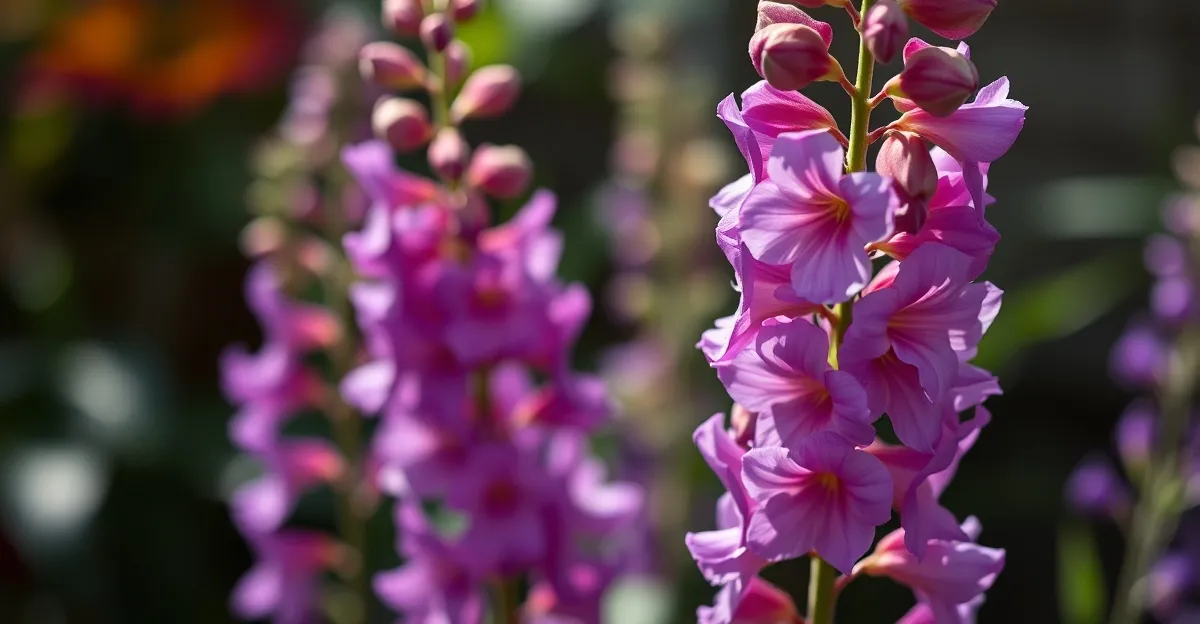
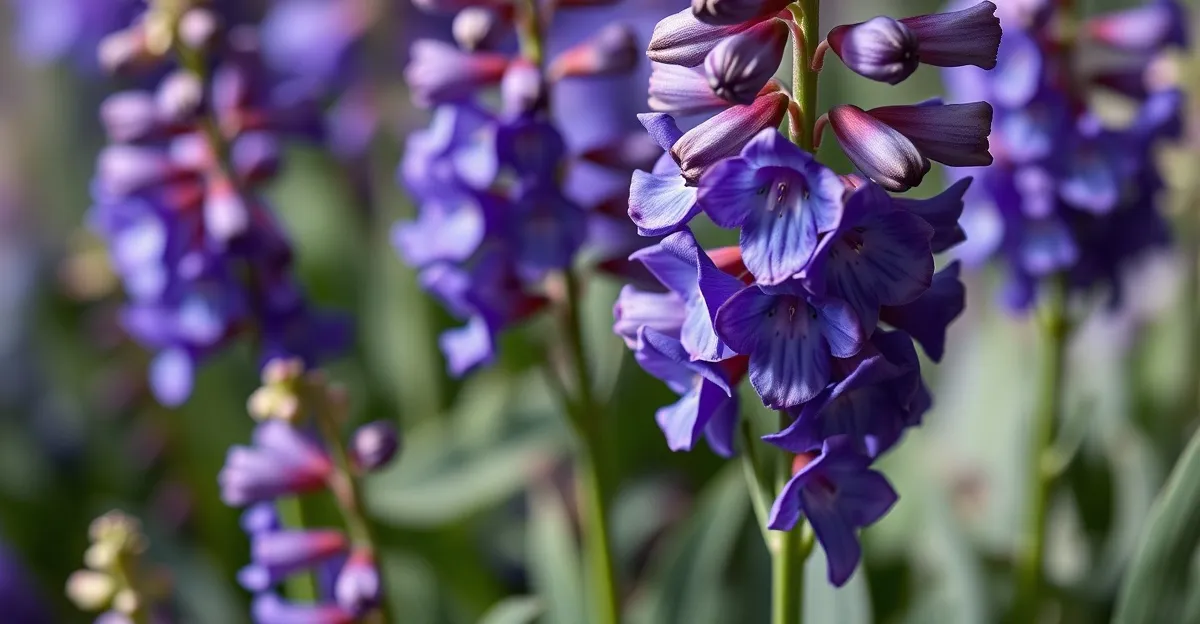
Delphinium in Balinese ceremonies: traditional uses in Bali
Delphinium has no place in traditional Balinese ritual, but it plays a growing role in the modern ceremony scene. Here's an honest look at both worlds.
Bali's ceremony life is one of the most striking aspects of the island for anyone who spends real time here. The Balinese Hindu tradition creates a calendar so dense with ritual occasions that there is rarely a week without some ceremony taking place somewhere in any given village. Flowers are not decorative accents in this world — they are functional ritual components with specific meanings, specific placement protocols, and specific requirements that have been established through generations of tradition.
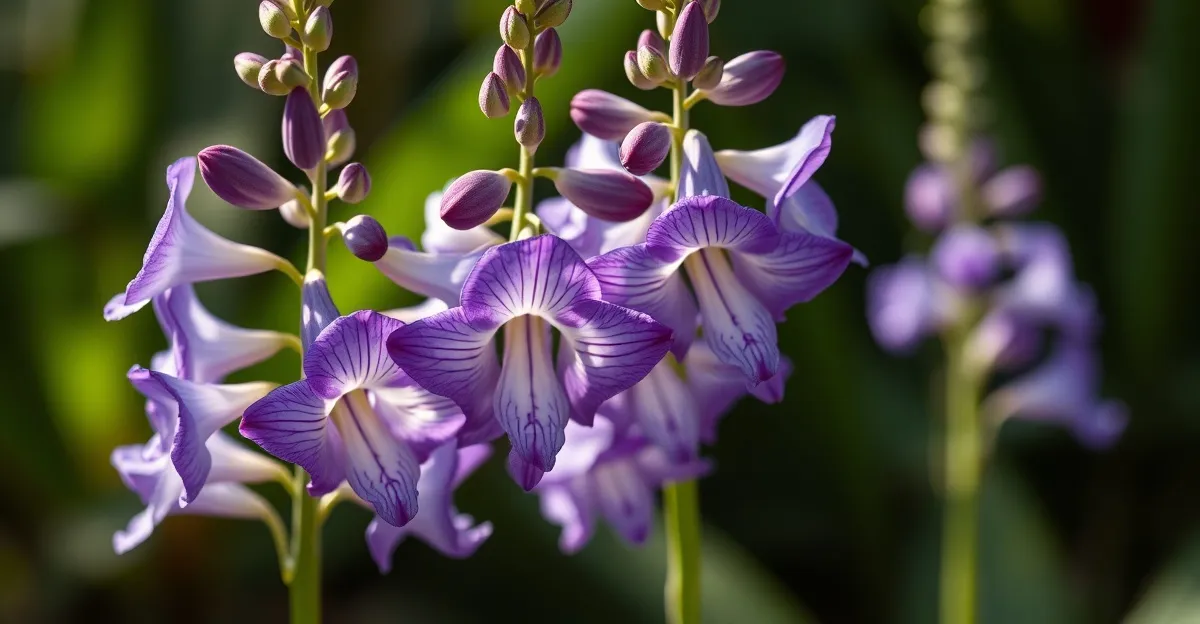
Delphinium, the tall-spiked blue and purple flower of European mountain meadows and florist shops, has no place in that traditional ritual system. It arrived too late, from too far away, to be incorporated into the ancient flower vocabularies of Balinese Hindu ceremony. But that is only part of the story of delphinium in Bali's ceremony world — and the rest of the story is about how the island's ceremony culture has evolved alongside its role as a global destination.
Traditional Balinese ceremony flowers: what delphinium is not
To understand where delphinium sits, you first need to understand what it is sitting outside. Traditional Balinese ritual offerings — the banten, the canang sari, the elaborate constructions used for major ceremonies — use a specific vocabulary of flowers. Frangipani (jepun) is perhaps the most fundamental: the white and yellow varieties especially carry strong associations with the divine and with ceremony across nearly every ritual context. Hibiscus (pucuk), marigold (gumitir), jasmine (melati), and various local species that grow readily in Bali's climate are the core vocabulary.
These flowers are chosen not simply because they are available but because they carry the correct symbolic weight within the tradition, because they grow in Bali and therefore connect the offering to the land, and because the ritual texts and oral traditions that guide Balinese ceremony have specified them over centuries. A pemangku (Balinese priest) guiding an offering ceremony knows which flowers belong in which positions within a banten structure and why.
Delphinium does not enter this system. Its origins are too remote, its arrival too recent, its relationship to the Balinese landscape too absent. A delphinium spike placed in a traditional banten would simply be out of place — not offensive, but contextually wrong in the way that any item placed in the wrong category is wrong.
Where delphinium does appear in Bali's ceremony world
The boundary between the ritual and the social has always been somewhat porous in Bali's ceremony culture. Around every major ceremony — after the temple rituals, during the feast that follows, at the reception celebrations that accompany weddings and tooth filings — there are spaces that are social and celebratory rather than strictly ritual. These spaces have always allowed for more flexible choices, including flowers that are not part of the ritual vocabulary.
In this social ceremony space, delphinium appears increasingly in contemporary Bali. It is the flower in the centrepiece arrangement at the reception following a wedding. It is part of the welcome arch through which the newly married couple passes on their way to the celebration feast. It appears in the boutonnieres of the wedding party and in the table decorations at the gathering that follows a significant family ceremony.
For mixed-culture weddings — a Balinese Hindu ceremony conducted by a pemangku followed by a celebration with international guests — delphinium is a common choice for the international-facing decorative elements. It reads as globally familiar, as premium, as occasion-appropriate. The ritual elements use traditional flowers; the celebration elements can use whatever best serves the couple's vision.
Galungan and Kuningan: the community context
Galungan and Kuningan, the most widely observed recurring ceremonies in the Balinese Hindu calendar, have a particular quality relevant to this discussion. During Galungan, every family compound decorates the entrance to their yard with a penjor — a tall bamboo pole curved at the top and decorated with specific natural materials. The penjor is not a casual decoration; it is a ritual construction with specific requirements.
Delphinium is not a component of traditional penjor decoration. The materials used — bamboo, palm fronds, coconut products, specific woven decorations, and particular flowers — are part of the ritual tradition. But the atmosphere of Galungan also includes community gatherings, family visits, and shared meals where the decorative language is looser. In this community and family context, delphinium might appear in informal table decorations or as part of flowers brought as a visit gift to a family compound.
The last-minute Galungan flower ideas for Bali article addresses the practical question of what to bring and when in the context of these ceremonies — delphinium as a gift for a family you are visiting during Galungan is broadly fine, though locally meaningful flowers are often more resonant.
International destination weddings: delphinium's strongest Bali context
The clearest and most natural space for delphinium in Bali's ceremony world is the international destination wedding. Bali receives thousands of couples each year who want to marry on the island — attracted by its beauty, its ceremony culture, its skilled vendor community, and the experience it offers guests. Many of these couples want a ceremony that genuinely honors Balinese tradition while also speaking to their own cultural aesthetic and their international guest community.
In this context, delphinium is frequently used. The ceremony space itself might use traditional Balinese flowers in the ritual elements. The reception decorations, the bridal bouquet, the guest table centrepieces, and the welcome arch can use delphinium, garden roses, lisianthus, and other international cut flowers freely.
Skilled Bali event florists who work in the international wedding market understand this distinction intuitively. They source traditional ritual flowers for the ceremony elements and international cut flowers — including delphinium — for the social celebration elements. This is not a compromise; it is an understanding of how two different vocabularies serve two different functions within the same event.

The team
your florists
weekly subscription · Bali
We write about flowers because we love them. We deliver them because someone should — properly, weekly, across Bali.
— heyflowerPay once for 3, 6, or 12 months, no auto-renewal.
Gifting delphinium at Balinese ceremonies
If you are attending a Balinese ceremony as a guest and considering bringing delphinium as a gift for the family, the practical guidance is:
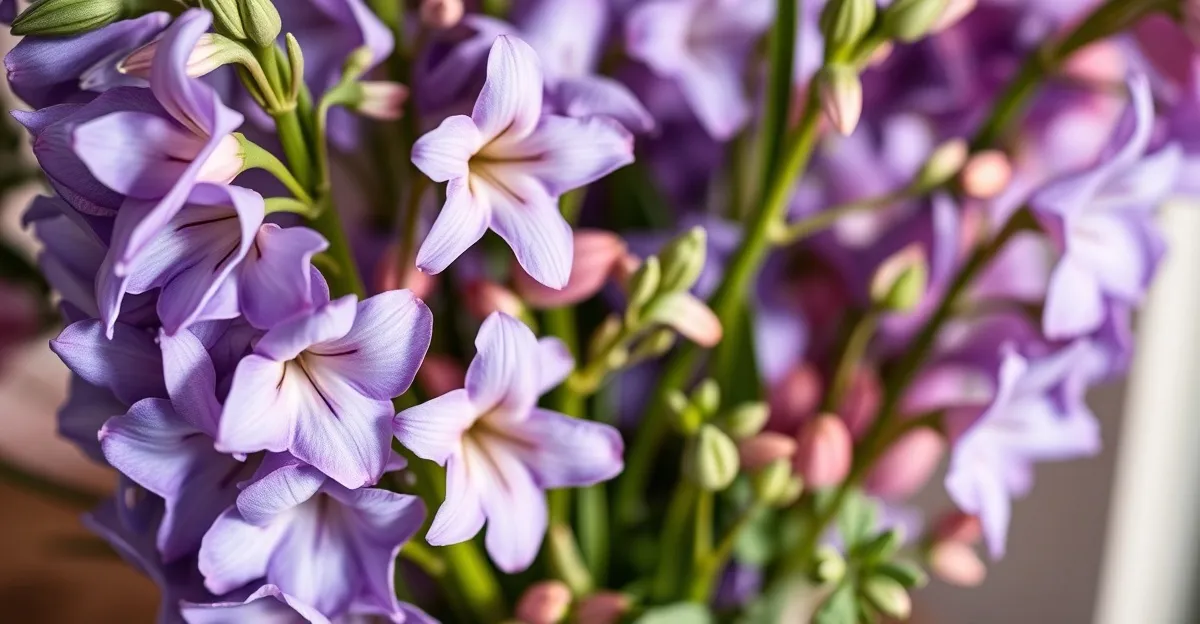
Delphinium as a gift for the family — brought to their home, to the celebration, as a gesture of appreciation and congratulation — is fine. White or lavender delphinium is more appropriate than dramatically vivid blue if you want to match the general color sensibility of many ceremony contexts.
Delphinium as part of the ritual offerings themselves is not appropriate and would not be used in that context by the family regardless.
Reading calla lily in Balinese ceremonies gives useful parallel context about how another non-traditional flower navigates Bali's ceremony culture.
FAQ
Can I use delphinium in a Balinese-themed event that is not a formal ceremony? Absolutely. Delphinium works beautifully in Balinese-inspired event settings — restaurant dinners, villa parties, celebration gatherings. The flower's scale and drama suit many Balinese architectural settings.
Is delphinium appropriate as a gift to a Balinese family hosting a ceremony? Yes — as a gift for the home or the celebration, not as part of ritual materials. White or soft lavender tones are the most broadly appropriate.
Why isn't delphinium used in traditional Balinese flower offerings? Balinese ritual flower traditions are tied to locally meaningful plants with deep ceremonial histories. Delphinium has no local history on the island and arrived too recently through commercial trade to be incorporated into the traditional ritual vocabulary.
Do any Balinese florists specialize in both traditional ceremony flowers and international cut flowers like delphinium? Yes — many experienced Bali event florists work across both traditions, sourcing traditional ritual flowers for ceremony elements and importing or sourcing from Java the international cut flowers for the celebratory decorative elements. This dual competency is valuable for international weddings with Balinese ceremony components.
Are there Balinese-grown alternatives to delphinium that have similar visual impact? For vertical height and blue-purple color, agapanthus grown in highland Bali areas is the closest locally available alternative with visual similarities. Lobelia and Salvia farinacea are also blue-toned options, though with different structure and scale.
Ready to bring fresh flowers to your Bali home or event? Explore our weekly flower subscription and get handpicked blooms delivered to your door every week.
More on Delphinium