The history and origin of the baby's breath
Explore the fascinating history and botanical origins of baby's breath, from the steppes of Europe to Bali's modern flower markets.
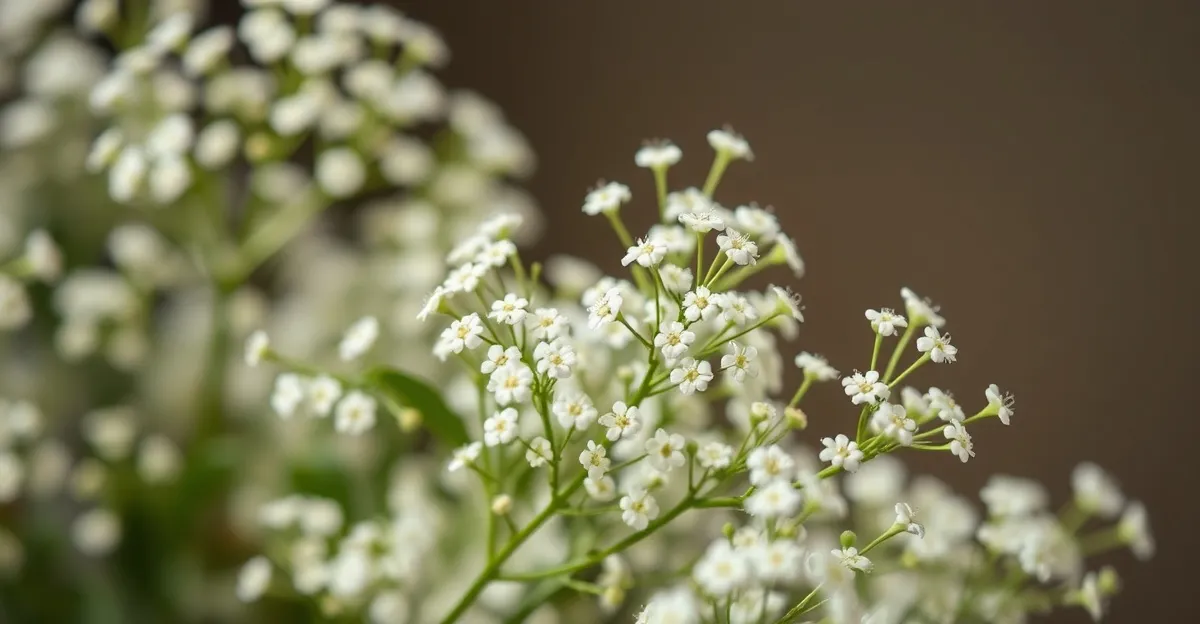
Baby's breath is everywhere in the floral world — in weddings, in bouquets, in the Instagram-worthy cloud arrangements that flood social media feeds. Yet most people who've given or received it know surprisingly little about where it comes from and what its story actually is. The history of Gypsophila paniculata is richer and more interesting than its filler-flower reputation suggests. It stretches from the dry steppes of central Europe to Victorian drawing rooms to a global commercial flower industry, and now to the flower markets of Bali.
Botanical Origins: A Plant of Difficult Terrain
The Wild Gypsophila
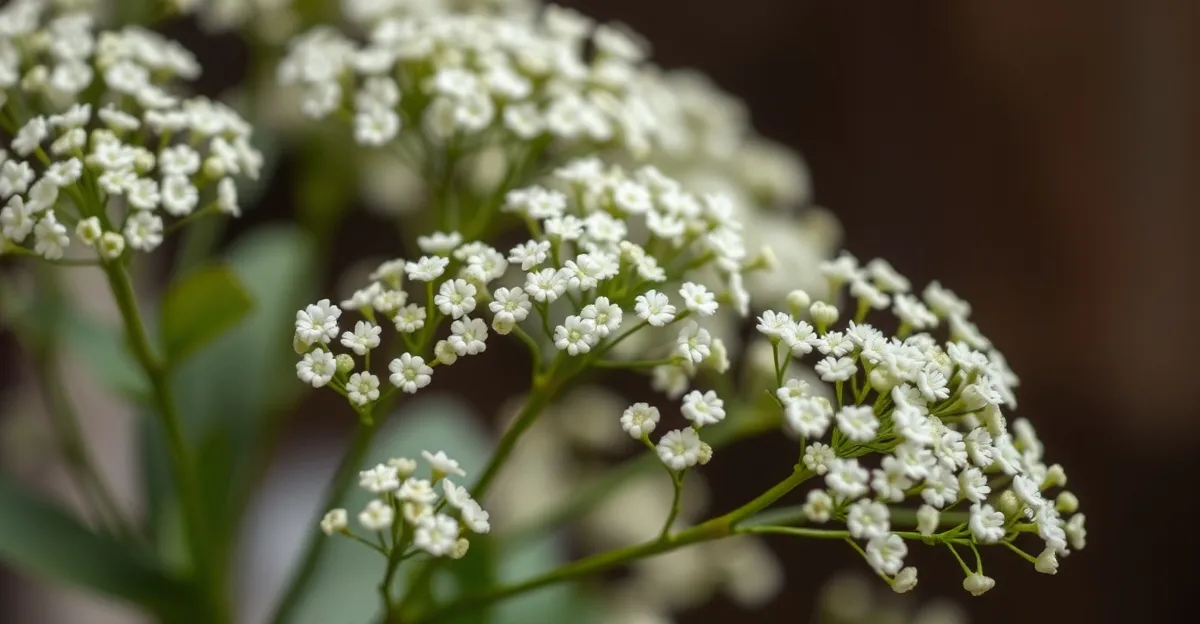
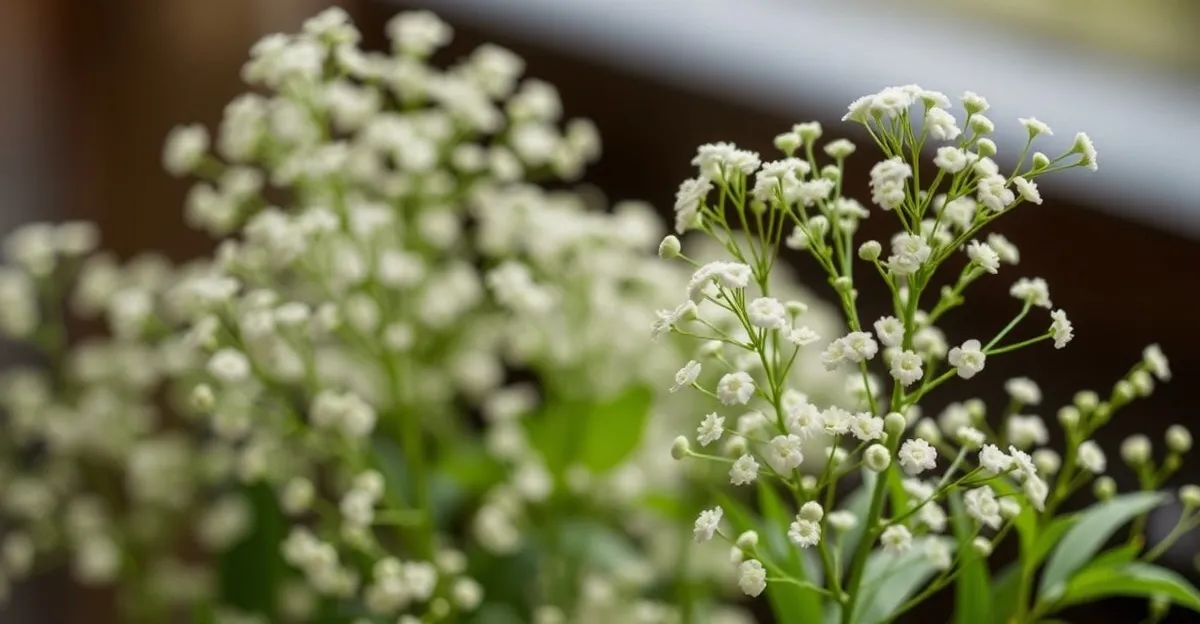
The genus Gypsophila contains around 150 species, most of them native to the Mediterranean basin, central and eastern Europe, central Asia, and the Himalayan foothills. The species most familiar to florists — G. paniculata, the large-flowered baby's breath used in most commercial arrangements — originates primarily from the Eurasian steppe: the great grassland belt stretching from the Black Sea region through Kazakhstan and into central Asia.
In the wild, G. paniculata grows in open, sunny habitats: rocky hillsides, dry meadows, riverbanks with gravelly or sandy soils. It's adapted to environments that most plants find inhospitable — thin, alkaline, nutrient-poor soils in areas with cold winters and warm summers. The name Gypsophila comes directly from this affinity: gypsum (calcium sulphate, a common mineral in these alkaline soils) and philos (loving). It is, quite literally, the gypsum-loving plant.
The Species
The most commercially important species in floristry are:
- Gypsophila paniculata: Common baby's breath, the large-flowered species used in most cut flower arrangements. Native to central and eastern Europe and central Asia.
- Gypsophila elegans: Annual baby's breath, smaller and more delicate, often grown from seed for garden use.
- Gypsophila repens: Creeping baby's breath, a low-growing rock garden variety native to the mountains of Europe.
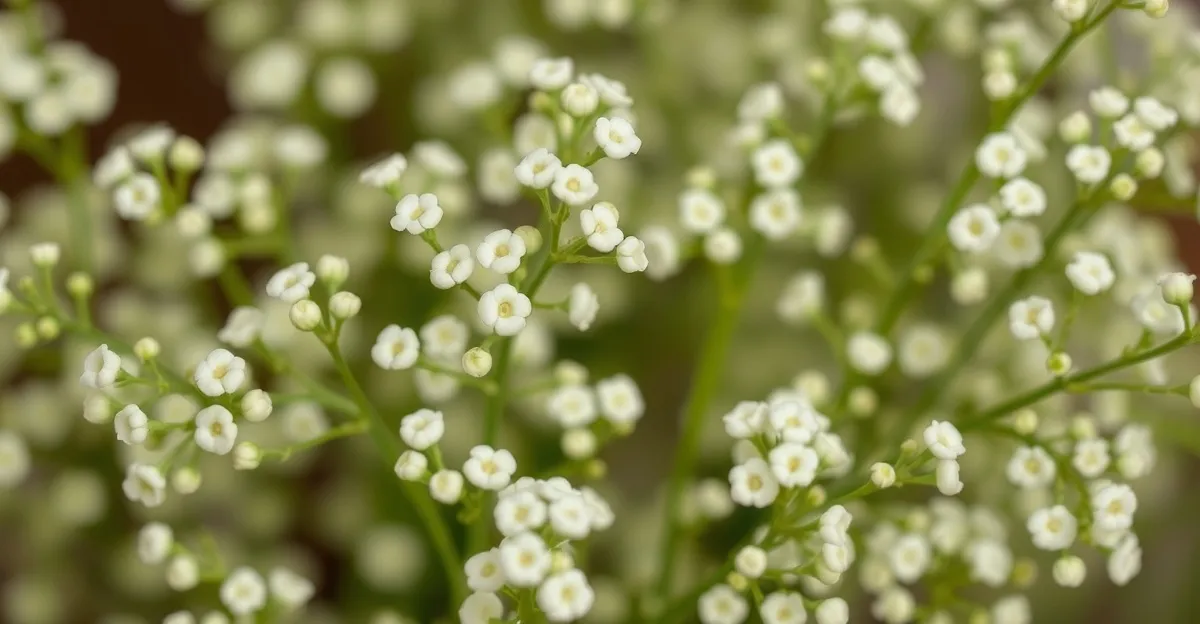
G. paniculata is a perennial, dying back in winter and returning each spring. In cultivation, it's been selectively bred for denser, larger flower clusters — the commercial varieties bear only a passing resemblance to the rather sparse wild plant.
Gypsophila in European Folk Tradition
Early Medicinal and Domestic Use
Long before baby's breath became a florist's staple, the Gypsophila plant was valued across central European folk traditions for a different reason entirely: its roots contain saponins, natural compounds that create a soapy lather when mixed with water.
In Germany, Poland, and parts of Russia, dried Gypsophila root (known as Seifenkraut, or "soap herb") was used as a natural detergent for washing delicate fabrics, particularly wool and silk. The gentle lather cleaned without stripping natural oils the way harsh alkaline soaps would. This use was particularly valued in households that owned fine textiles.
Some traditional healers also used Gypsophila preparations for respiratory complaints — the saponin compounds were believed to have expectorant properties — though the evidence for medicinal efficacy was never strong.
Folklore and Symbolic Associations
In central European folk tradition, Gypsophila accumulated various symbolic associations over time. Its cloudlike appearance and the delicacy of its tiny white flowers led to associations with the ephemeral, the spiritual, and the heavenly. Some traditions connected it with good luck and protection, weaving dried sprays into wreaths and garlands for home decoration.
The association with purity and innocence — which remains central to baby's breath's symbolic meaning today — likely derives in part from the visual impression of the flower itself: white, light, seemingly untouchable.
Victorian England and the Language of Flowers
Floriography
The Victorian era (roughly 1837 to 1901) saw an extraordinary flourishing of interest in the symbolic meanings of flowers. This practice — floriography — became a sophisticated social code in Victorian Britain, allowing people to communicate emotions and intentions through carefully chosen floral arrangements.
Baby's breath earned its place in this code. In the Victorian language of flowers, Gypsophila was associated with sincere love, everlasting affection, and spiritual purity. The combination of white colour (associated with purity across most European traditions) and the cloud-like, seemingly weightless form of the flower made it a natural carrier of these sentiments.
Giving someone a bouquet containing baby's breath was a way of saying: my feelings for you are sincere, not performed. They are light and real and lasting, like breath itself.
Naming the Flower
The common English name "baby's breath" appears to have become established in the Victorian period, though its precise origin is unclear. The most plausible explanation is the visual: the tiny, cloud-like white flowers resemble the gentle, almost-invisible breath of a sleeping infant. Other names used historically include chalk plant (referencing its preference for chalky soils), maiden's breath, and in German, Schleierkraut (veil plant).
Commercial Floristry: How Baby's Breath Became Global
Early Cultivation
As commercial floristry developed in Europe and North America through the late 19th and early 20th centuries, florists quickly recognised the value of baby's breath as a filler flower. Its cloudlike texture, its ability to soften arrangements, its relative durability compared to many flowers of similar delicacy, and its willingness to grow prolifically in cultivation all made it ideal.
By the early 20th century, commercial baby's breath cultivation was established in the Netherlands, Germany, and parts of the United States.
The Dutch Flower Industry Connection
The Netherlands became the global centre of the cut flower trade through the 20th century, and Dutch breeders played a major role in developing the commercial Gypsophila varieties used today. Key achievements included selecting for larger, denser flower heads, longer vase life, and more uniform stem length.
The most significant commercial baby's breath variety, Gypsophila paniculata 'Bristol Fairy' (a double-flowered cultivar with particularly round, full florets), was developed in the Netherlands and became the industry standard for much of the latter 20th century.
Global Production Today
Today, commercial baby's breath is produced in many countries: Israel and Colombia supply much of the European and North American market. China has become a major producer. For the Southeast Asian and Indonesian market, production in Java (particularly the Malang highlands) and imports from Australia and the Netherlands supply the region.
The global scale of the industry means that baby's breath is one of the most widely distributed cut flowers in the world, available virtually everywhere in the world that has a flower market.

The team
your florists
weekly subscription · Bali
We write about flowers because we love them. We deliver them because someone should — properly, weekly, across Bali.
— heyflowerPay once for 3, 6, or 12 months, no auto-renewal.
Baby's Breath in the Age of Social Media
The Korean Bouquet Phenomenon
The 21st century saw baby's breath's status shift dramatically, and much of the credit goes to South Korean floral culture. Korean aesthetic sensibilities — particularly as expressed through K-pop, K-drama, and associated visual trends — popularised the oversized, all-Gypsophila cloud bouquet as a romantic gesture.
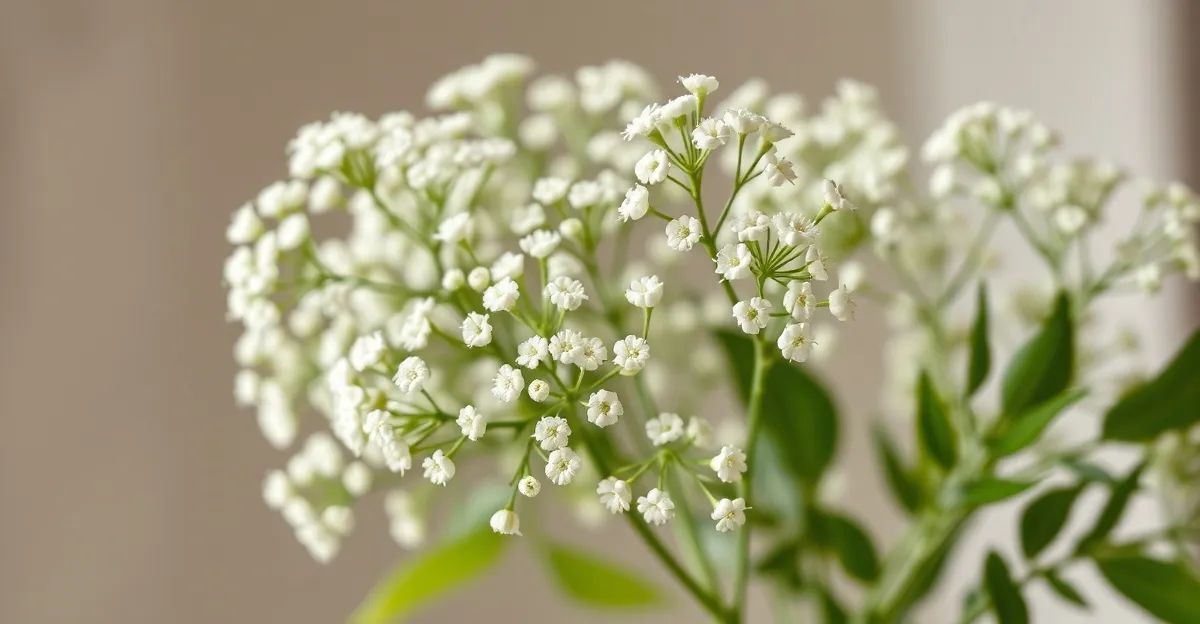
Bouquets consisting entirely of baby's breath, shaped into enormous soft clouds and wrapped in translucent paper, became a social media phenomenon. The aesthetic was soft, dreamy, and photogenic in a very specific way that resonated with millions of people. By the early 2020s, this style had spread globally and sparked a significant reevaluation of baby's breath in florist communities worldwide.
The flower went from background player to headline act — a remarkable transformation for a bloom that had spent decades being mildly condescended to.
Bali's Contemporary Baby's Breath Market
In Bali's contemporary flower market, baby's breath occupies an interesting position. It's widely used in the island's growing destination wedding industry, appearing in everything from bridal bouquets to ceremony arch installations. The Korean-influenced cloud bouquet style has influenced local flower culture, and demand for larger, single-variety baby's breath arrangements has grown consistently.
At heyflower.co, we've seen this trend play out directly. Baby's breath has moved from a default filler to an actively requested primary flower for many customers. Its combination of affordability, versatility, and rich symbolism makes it one of the most rewarding flowers to work with.
Frequently Asked Questions
Where does baby's breath originally come from?
Gypsophila paniculata, the most common florist's baby's breath, originates from the Eurasian steppe — the grassland belt stretching from central Europe through central Asia. It's native to rocky, alkaline, well-drained habitats and has been cultivated commercially since the 19th century.
How did baby's breath get its English name?
The most widely accepted explanation is the visual resemblance between the tiny, cloud-like white florets and the gentle breath of a sleeping infant — something barely visible but warm and alive. The name appears to have become established in the Victorian period.
When did baby's breath become popular in weddings?
Baby's breath has appeared in wedding arrangements since at least the Victorian era, when its symbolism of sincere and everlasting love made it appropriate for bridal flowers. Its current popularity as a standalone bouquet flower rather than just a filler dates primarily from the 2010s, influenced significantly by Korean floral trends.
Is baby's breath related to any other common flowers?
Gypsophila belongs to the carnation family (Caryophyllaceae), making it a distant botanical relative of carnations, pinks (Dianthus), and sweet william. It doesn't share much visual resemblance with these relatives — the family connection is at the botanical rather than aesthetic level.
How has baby's breath cultivation changed over time?
Commercial breeding has significantly altered baby's breath from its wild ancestors. Modern commercial varieties have much denser, larger flower heads, more uniform stem length, and longer vase life than the original wild G. paniculata. The development of double-flowered varieties (with extra petals per individual floret) was particularly significant in creating the fluffy, cloud-like appearance of modern commercial baby's breath.
From the Eurasian Steppe to Your Bali Doorstep
There's something satisfying about knowing that the delicate cloud of white flowers in your vase has a story stretching back thousands of years across the grasslands of central Asia, through Victorian drawing rooms, Dutch breeding programmes, and Korean social media trends — before arriving, beautifully arranged, at a villa in Canggu.
At heyflower.co, we bring this kind of history and care to every arrangement we create. Explore our subscription service at heyflower.co/#subscriptions for fresh, beautifully considered flowers delivered regularly to your door in Bali.
For more on the flower world's fascinating backstories, see our piece on the history and origin of the daisy — another flower with a richer past than its everyday familiarity suggests.
More on Baby's breath