Baby's breath in Balinese ceremonies: traditional uses in Bali
How baby's breath fits (and doesn't fit) into Balinese ceremony and flower culture — an honest look from a Canggu florist.
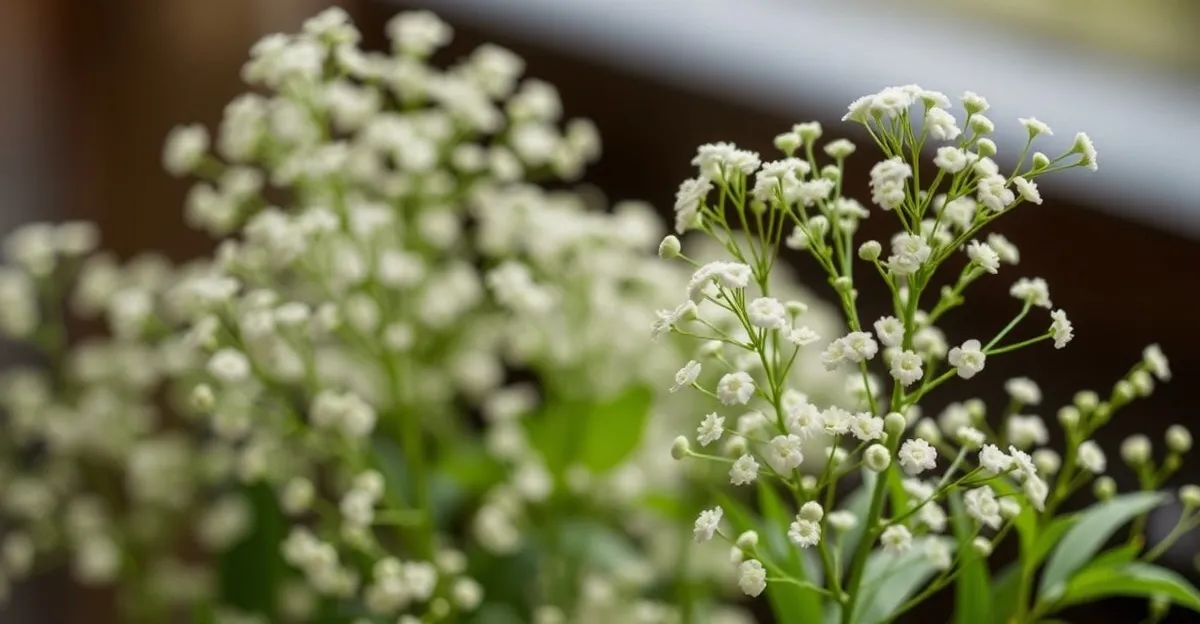
When people ask us at heyflower.co whether baby's breath is used in Balinese ceremonies, the honest answer is nuanced. Traditional Balinese ceremonies use a specific, deeply considered palette of flowers — and baby's breath isn't part of that traditional palette. But the story doesn't end there. Contemporary Bali has developed its own hybrid flower culture, and baby's breath has found its place within it.
This article is an honest exploration of where baby's breath sits in Bali's flower culture: what the traditional Balinese ceremonial flower world looks like, how it differs from contemporary gifting and event floristry, and where baby's breath does and doesn't fit appropriately.
The Traditional Balinese Ceremonial Flower World
Flowers in Balinese Hindu Practice
Flowers are sacred in Balinese Hinduism. They're not decorative in the way that Western culture primarily understands flowers — they're offerings, they're prayers, they're a physical expression of devotion. The canang sari, the small daily offering placed at household shrines, temple entrances, and shop doors across Bali, always includes flowers. Understanding this context is essential before asking where any particular flower fits.
The flowers used in traditional Balinese ceremonial contexts are carefully chosen for their symbolic and cosmological significance. The Balinese colour system — aligned with the four cardinal directions and their associated deities — determines which colours are used in which ceremonial contexts:
- White (Iswara/East): Frangipani (Plumeria spp.), jasmine, white marigold, white hibiscus
- Red (Brahma/South): Red hibiscus, red rose, red frangipani, marigold (red varieties)
- Yellow/Gold (Mahadeva/West): Yellow marigold, yellow frangipani, yellow chrysanthemum
- Black/Blue (Wisnu/North): Blue hydrangea, purple flowers, dark foliage
The flowers of the canang sari are placed in specific positions within the offering to align with this directional cosmology. This is a living, daily spiritual practice — not folklore.
Key Ceremonial Flowers in Bali
Frangipani (Jepun): The most iconic Bali flower. Used in almost every ceremonial context. White frangipani is particularly sacred. Available year-round from the abundant temple trees that grow across the island.
Marigold (Bunga Gumitir): The bright orange-yellow marigold is ubiquitous in Balinese offerings, particularly in the yellow/gold directional position. Its strong colour and pleasant scent make it practically indispensable.
Jasmine (Melati): White jasmine is used extensively for its purity and fragrance. It appears in canang sari, in ceremonial head garlands, and woven into bridal hair arrangements for Balinese weddings.
Hibiscus (Pucuk): Both red and yellow hibiscus are used in offerings. The flower has particular association with Balinese Hindu worship.
Chrysanthemum (Seruni): Used widely in ceremonial contexts, both yellow (more common) and white varieties. Its round, full-headed form makes it visually impactful in offerings.
Kenanga (Ylang-Ylang): The small, intensely fragrant kenanga flower is used in ceremonial contexts for its powerful scent.
What Makes a Flower Ceremonially Appropriate
A flower's ceremonial appropriateness in Balinese Hinduism is determined by several factors: its colour (aligned with the cosmological system), its traditional symbolic associations within the Balinese canon, its availability (most ceremonial flowers can be grown locally), and in some cases its scent. Flowers that are locally grown, have deep roots in Balinese agricultural and spiritual tradition, and align with the cosmological colour system are the foundation of the ceremonial palette.
Why Baby's Breath Is Not Part of Traditional Balinese Ceremony
Baby's breath has no traditional place in Balinese ceremonial flower work, for several straightforward reasons:
It's not locally native: Gypsophila paniculata is a temperate European and central Asian plant. It has no indigenous presence in Bali's cultural or botanical history. Traditional ceremonial flowers are drawn from plants with deep local roots.
It's not part of the symbolic canon: The Balinese flower symbolic system developed over centuries around locally available plants. Baby's breath wasn't present during that development and carries no established place in the system.
It doesn't grow readily in Bali's lowlands: As explored in our article on can baby's breath grow in Bali, Gypsophila struggles with Bali's tropical lowland climate. A plant that doesn't grow locally rarely becomes deeply integrated into local ceremony.
This doesn't mean baby's breath is disrespectful or inappropriate in Bali — simply that it belongs to a different cultural register.
Contemporary Bali Ceremony and Event Flowers
A Hybrid Flower Culture
Modern Bali has developed a sophisticated and genuinely hybrid flower culture that blends traditional Balinese ceremonial practice with contemporary Western floristry, Indonesian national flower traditions, and the influences of Bali's large international community.
This hybrid culture is visible in:
- Destination weddings: Couples from around the world marry in Bali's spectacular outdoor venues. Their ceremonies often blend Western bridal flower conventions (white bouquets, floral arches) with Balinese ceremonial elements (traditional offerings made by local priests and flower arrangers, pejati offerings at the ceremony site).
- Hotel and resort décor: Bali's luxury hospitality sector uses both traditional Balinese flower arrangements (particularly in common areas with religious significance) and contemporary Western-style arrangements (in restaurants, rooms, spas).
- Corporate and event floristry: Events held in Bali for international audiences typically use contemporary Western floristry conventions with tropical Bali flowers incorporated.
Baby's breath fits comfortably into this contemporary hybrid context. It appears at destination weddings, hotel lobbies, corporate events, and private villa celebrations — always in the contemporary floristry register rather than the traditional ceremonial one.
Appropriate Contemporary Uses in Bali
Baby's breath is genuinely well-suited to:
Destination wedding bouquets and décor: The cloud-like white Gypsophila pairs beautifully with tropical greenery and Bali's outdoor ceremony settings. It's one of the most popular contemporary wedding flowers in Bali.
Spa and wellness spaces: Bali's wellness culture — yoga retreats, meditation centres, healing spas — creates contexts where the soft, light energy of baby's breath is very appropriate. It's used in floral arrangements at retreat centres, wellness spas, and yoga studios across the island.
Villa and accommodation décor: Baby's breath in contemporary villa arrangements is common and appropriate. The international guests staying in Bali's villas and boutique hotels respond positively to baby's breath as part of their welcome or room arrangement.
Gifting in international and expat contexts: The substantial international and expat community in Bali (particularly in Canggu, Seminyak, and Ubud) operates largely within Western flower-gifting conventions where baby's breath is a natural and appropriate choice.
Respectful Engagement with Balinese Flower Culture
For visitors and residents who want to engage respectfully with Bali's flower culture, a few guidelines:
Don't use Western floristry flowers in traditional offerings: If you're participating in or helping to prepare traditional Balinese offerings — canang sari, pejati, or other ceremonial arrangements — use traditional flowers. This isn't about rules so much as respect for the meaning system the offering belongs to.
Appreciate the difference: Part of the beauty of living in or visiting Bali is encountering a flower culture genuinely different from Western norms. The canang sari is a daily practice of extraordinary beauty and intention. Observing it, learning about it, and treating it with respect is one of the most rewarding aspects of time in Bali.
Hybrid is fine in contemporary contexts: For contemporary events, gifts, and home décor — whether you're Balinese or not — the hybrid flower culture of modern Bali embraces baby's breath alongside traditional flowers. A villa welcome arrangement that includes both frangipani and baby's breath is entirely appropriate.

The team
your florists
weekly subscription · Bali
We write about flowers because we love them. We deliver them because someone should — properly, weekly, across Bali.
— heyflowerPay once for 3, 6, or 12 months, no auto-renewal.
Baby's Breath at Galungan and Other Major Ceremonies
Galungan
Galungan — celebrated every 210 days in the Balinese calendar — is one of the most visually spectacular Balinese ceremonies. The roads are lined with penjor (tall bamboo poles decorated with offerings, flowers, and palm leaves), and families make elaborate offerings. Flower usage during Galungan is intensely traditional and focused on locally symbolic blooms.
Baby's breath doesn't have a place in the traditional Galungan flower world. However, giving a contemporary flower arrangement incorporating baby's breath as a personal gift to a Balinese friend around Galungan is a warm and appropriate gesture — just don't conflate it with the ceremonial practice.
For ideas on how flowers work around major Balinese celebrations, see our guide on Galungan flower subscription ideas that keep giving.
Nyepi
Nyepi — the Balinese Day of Silence — is preceded by the Ogoh-Ogoh parade and followed by a day when all activity on Bali essentially ceases. Flower gifting around Nyepi is uncommon (deliveries aren't possible on Nyepi itself), but the days before can be an occasion for sharing flowers with neighbours and friends.
Frequently Asked Questions
Can I bring baby's breath to a Balinese temple?
Baby's breath shouldn't be placed on temple offering sites or used in formal ceremonial offerings — that domain belongs to traditional ceremonial flowers. As a visitor to a Balinese temple, bringing any flowers specifically to place as an offering should only be done with guidance from Balinese community members who can ensure you're using appropriate flowers in the right way.
Is it offensive to have baby's breath arrangements in a Bali villa with temple offerings on the property?
Not at all. Having a contemporary flower arrangement in one part of your living space while traditional canang sari offerings are placed at the household shrine is completely normal in Bali. The two flower cultures coexist without conflict.
What traditional Bali flowers can I request alongside baby's breath in a contemporary arrangement?
Frangipani (when available as cut flower), jasmine, marigold, and tropical foliage like palm fronds or monstera leaves all mix beautifully with baby's breath in contemporary arrangements. We can create hybrid arrangements at heyflower.co that honour both the traditional and contemporary flower cultures of Bali.
Are there Balinese florists who incorporate baby's breath into traditional designs?
Yes. Contemporary Balinese florists working in the event and wedding sector regularly use baby's breath alongside traditional flowers. The integration of Western floristry conventions with Balinese tradition is a standard part of Bali's professional floristry scene.
When does baby's breath work well in Bali's ceremonial calendar?
Baby's breath works well for contemporary gift-giving around major Balinese celebrations (as personal gifts between friends, not as ceremonial offerings). It's also excellent for weddings that blend Western and Balinese elements, for events during religious festival periods, and for any contemporary occasion where the warmth and beauty of flowers is called for.
Beautiful Flowers, Thoughtfully Understood
At heyflower.co, we believe knowing the cultural context of flowers makes gifting them more meaningful. Bali's flower culture is genuinely rich, layered, and worth understanding — and contemporary floristry in Bali is richer for its blend of influences.
Whether you want a contemporary arrangement that honours the aesthetic of modern Bali or a hybrid design that incorporates traditional elements alongside beautiful Gypsophila, we create with care and knowledge. Explore our subscription service at heyflower.co/#subscriptions to bring regular flower beauty into your Bali life.
More on Baby's breath