Baby's breath vase life in the tropics: how long do they last?
How long does baby's breath really last in Bali's heat and humidity? A practical guide to maximising vase life in tropical conditions.
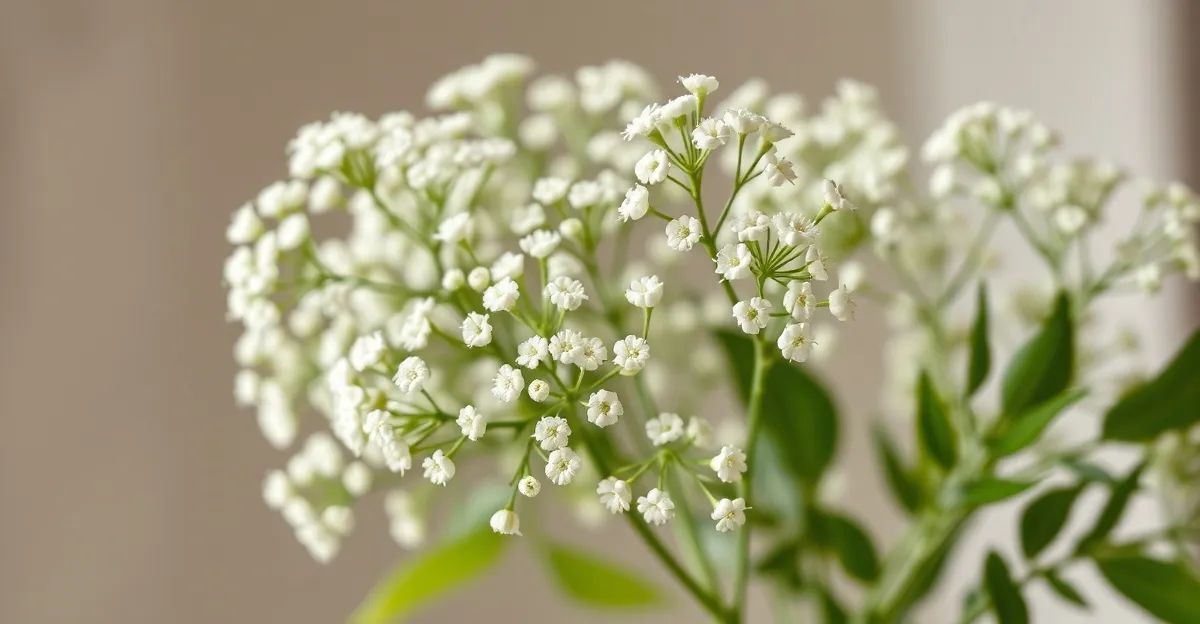
One of the most common questions we hear at heyflower.co is also one of the most practical: how long will my flowers actually last? It's a fair question, particularly in Bali, where the climate works actively against cut flower longevity. The combination of heat, humidity, and limited refrigeration creates conditions quite different from the cool European flower shops where many care guides are written.
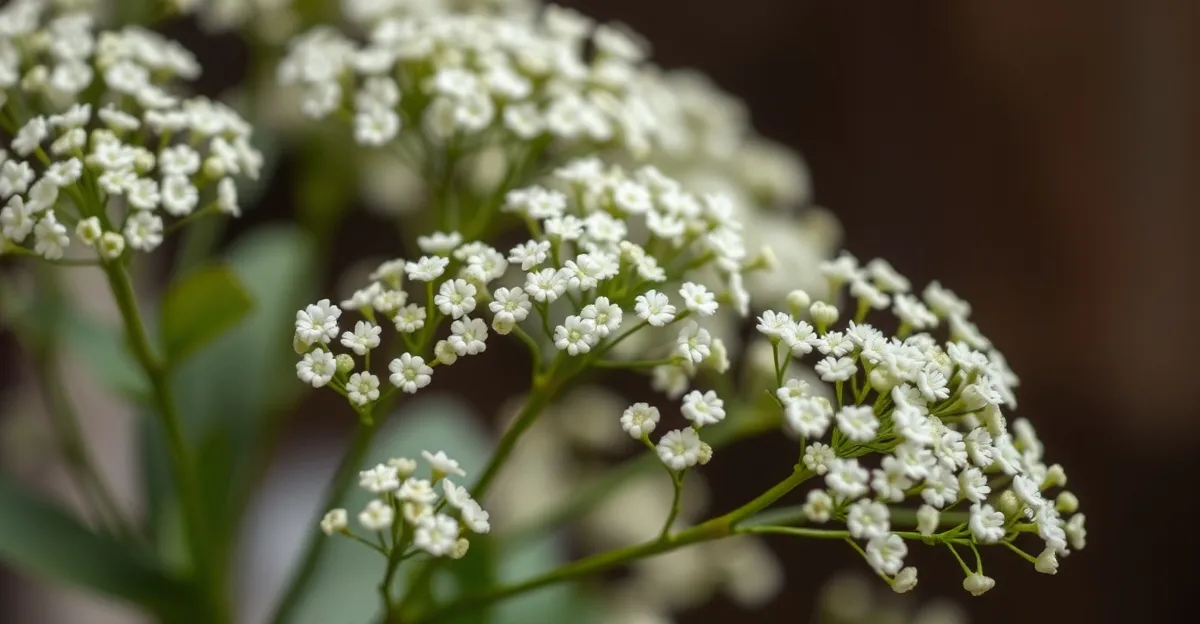
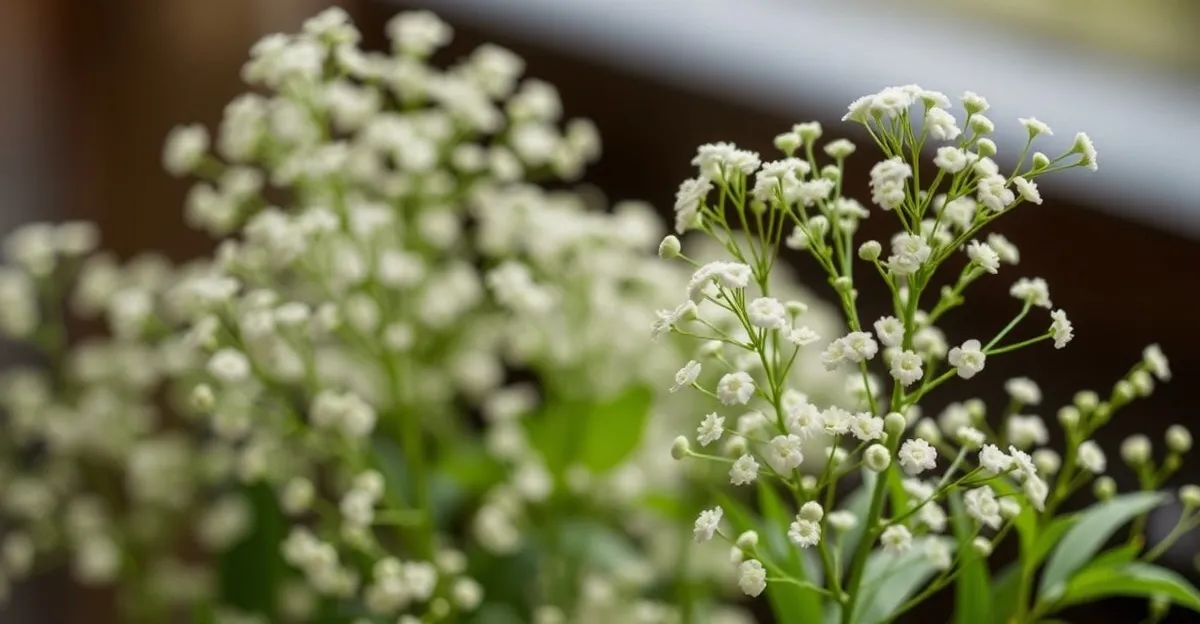
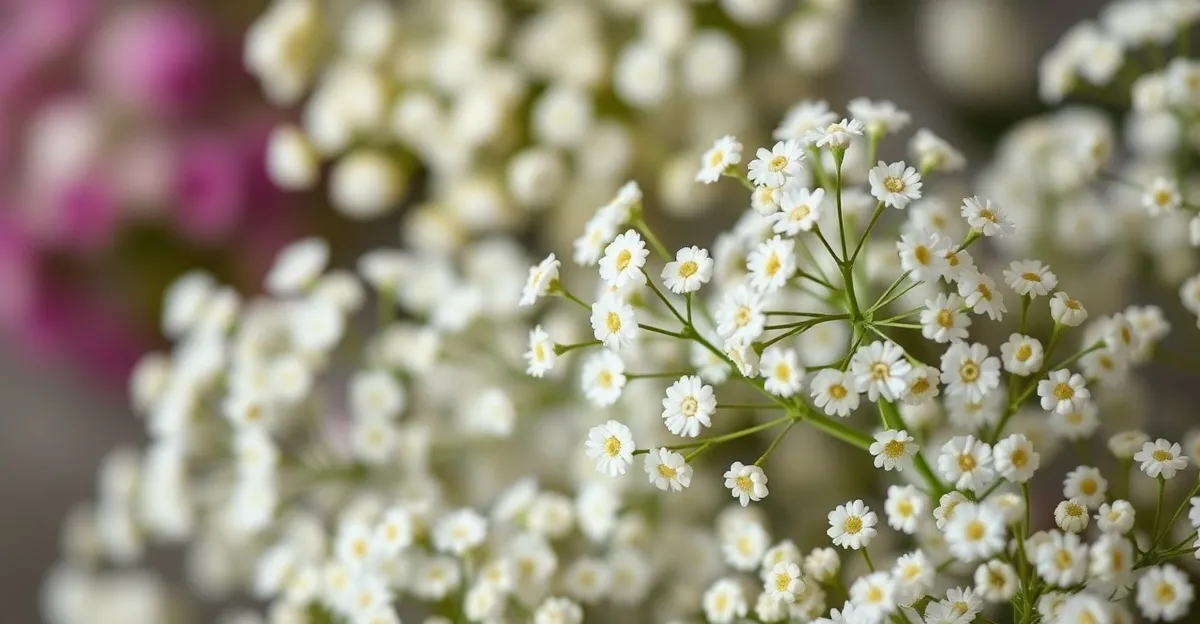
Baby's breath, or Gypsophila paniculata, has a reputation for being relatively long-lasting among cut flowers. That reputation is earned — but it comes with caveats in a tropical environment. This guide gives you honest, specific information about what to expect from baby's breath in Bali, and what you can do to push toward the upper end of the vase life range.
What the Research Actually Says
Standard Vase Life
In controlled, cool conditions — a florist's chiller at around 2°C to 5°C — baby's breath can last up to three weeks. At room temperature in a temperate European or North American home (around 18°C to 21°C), vase life is typically seven to ten days with good care.
Those are the baseline figures you'll find in most flower care guides. In Bali, they need significant adjustment.
What Happens in the Tropics
Bali's average ambient temperature hovers around 28°C to 32°C. At that temperature range, the metabolic rate of cut plant material approximately doubles compared to temperate conditions. In practice, this means:
- Bacterial growth in vase water accelerates significantly
- Ethylene gas (which promotes aging) is produced faster by the flowers themselves
- Water is drawn up and transpired more quickly through the stems
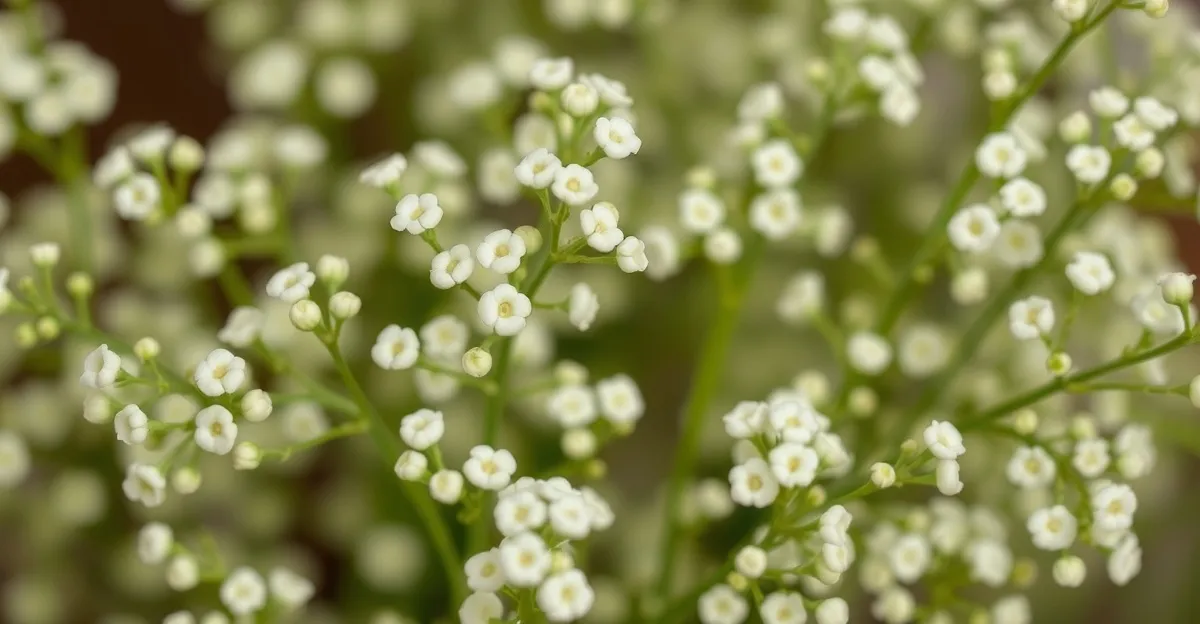
- The small individual florets of baby's breath, with their high surface-area-to-volume ratio, dry out faster than larger-petalled flowers
Realistic Bali vase life for baby's breath: four to seven days with proper care.
Without proper care — particularly without regular water changes in the heat — you might see decline starting within two to three days.
Factors That Most Affect Vase Life in Bali
Temperature
This is the single biggest variable. Baby's breath kept in an air-conditioned room (typically 22°C to 25°C in Bali homes) will outlast the same flowers in a non-air-conditioned space by two to three days, sometimes more. If you have the option, keeping your arrangement in a cooled room — or at least moving it there overnight — makes a meaningful difference.
A brief stint in the refrigerator each night (a cool, light-free environment away from fruit) is the most effective thing you can do for flower longevity in Bali.
Water Quality and Change Frequency
In cooler climates, changing vase water every two to three days is adequate. In Bali's heat, every one to two days is better. Bacteria multiply rapidly in warm water, and those bacteria clog the vascular tissue in the stems, preventing water uptake and causing wilting.
The tell-tale sign of bacterial contamination is cloudy or foul-smelling water. If you see or smell this, change the water immediately, rinse the vase, and recut the stems.
Light Exposure
Direct sunlight is the enemy of vase life for almost all cut flowers, and baby's breath is no exception. Bali's intense tropical sun will accelerate wilting and bleach the colour from flowers very quickly. Keep arrangements out of direct sun entirely — a bright, shaded spot is ideal.
Airflow
This one is counterintuitive. Most people think airflow is good for flowers, but high airflow (strong fans, air conditioning vents blowing directly onto flowers) desiccates the tiny florets of baby's breath very quickly. Baby's breath is particularly vulnerable to drying from airflow because of its high surface area. Keep it away from fans and direct AC vents.
Stem Cut Quality
A clean, angled cut on the stems when you first receive the flowers — and a fresh recut every time you change the water — makes a significant difference. The angle maximises the surface area for water uptake. Using sharp scissors or a clean knife (not blunt scissors that crush the stems) is important.
Day-by-Day: What to Expect in Bali
Here's an honest breakdown of what well-cared-for baby's breath typically looks like over its vase life in Bali:
Days 1–2: Peak freshness. Florets bright, perky, and fully open. The arrangement looks exactly as intended.
Days 3–4: Slight softening. Individual florets may begin to show minor browning at the very tips. The overall arrangement still looks beautiful and full. This is when your first water change (if you haven't done it daily) becomes critical.
Days 5–6: Visible aging on some florets. Some individual stems may have begun to dry out slightly. The arrangement remains attractive, particularly with browning outer stems removed. If you're keeping it for a photo or event, day 5 is probably your last reliable "still beautiful" window.
Day 7+: Depending on care quality and ambient temperature, some arrangements will still have attractive portions at this point. The flowers may have begun to dry in place — which is actually a pleasant outcome for baby's breath, since dried Gypsophila is beautiful in its own right.
The Drying Alternative: When Vase Life Becomes Permanent
One of the unique qualities of baby's breath as a cut flower is how gracefully it ages into a dried state. Many flowers look sad and defeated as they die in the vase. Baby's breath often looks better dried than fresh — the colour deepens slightly to a warm ivory or cream, the form becomes even more cloud-like, and the papery texture is genuinely lovely.
If you have baby's breath that's getting to the end of its fresh vase life, you have two options: discard it, or intentionally dry it. Drying is almost always the better choice.
Method 1: Hang Drying
Remove from the vase, bundle two to four stems together, and hang them upside down in a warm, well-ventilated spot with no direct sunlight. In Bali's climate, they'll be fully dry within five to seven days. The result is a permanent arrangement element that can last months or years.
Method 2: In-Vase Drying
Simply leave the arrangement in a dry vase without water and allow the flowers to dry in place. This works best with arrangements that are already a few days old — the flowers are partially dehydrated and will continue drying rather than rotting. The result is less controlled than hang drying but often looks organic and beautiful.
Dried Baby's Breath for Bali Villa Décor
For Bali villa and home décor specifically, dried baby's breath is an excellent choice. It requires no water, no maintenance, and holds up well in the humidity. Arrange it in a beautiful ceramic vase and you have something that adds genuine warmth to a space without the ongoing attention that fresh flowers require.

The team
your florists
weekly subscription · Bali
We write about flowers because we love them. We deliver them because someone should — properly, weekly, across Bali.
— heyflowerPay once for 3, 6, or 12 months, no auto-renewal.
Baby's Breath for Events: Timing Your Order
If you're planning a Bali event — a wedding reception, a birthday dinner, a villa gathering — the timing of your baby's breath order matters. Here's our general guidance:
Order two to three days before the event: Allows time for conditioning and arranging. At this point, the flowers are at or near peak freshness for your event day.
Pre-condition in cool water: Keep newly arrived baby's breath in clean, cool water with preservative for at least twelve to twenty-four hours before arranging. This fully hydrates the stems.
For outdoor events in Bali: Build some buffer. Outdoor events in Bali's heat and sun are harder on flowers. If your event runs from 5pm to midnight, baby's breath arranged earlier that afternoon should hold reasonably well. Morning setup for an evening event is manageable.
Consider dried baby's breath for outdoor daytime events: For a beach ceremony or garden gathering in full Bali sun, dried baby's breath is actually more practical than fresh — it's already adapted to dry conditions and won't wilt.
For local delivery options and event flower support, our flower delivery in Sanur guide gives a sense of how we handle timing across Bali's different areas.
Frequently Asked Questions
How long does baby's breath last in Bali without air conditioning?
Without air conditioning, in Bali's ambient heat, you're looking at three to five days of good-looking vase life with careful care, or two to three days with basic care. Changing the water daily and keeping flowers in the coolest, shadiest spot in your home makes the biggest difference.
Does Bali's humidity help or hurt baby's breath?
Both. The ambient humidity in the air helps prevent desiccation through the petals, which is good. But it accelerates bacterial growth in vase water and on stems, which is bad. On balance, the bacterial issue is more significant for vase life, so good water hygiene matters more in humid Bali conditions.
Should I use the flower food sachet that comes with my delivery?
Yes, always. The preservative sachet contains a mild biocide (to slow bacteria), a pH buffer (to help water travel up stems), and sugars (to feed the flowers). In Bali's climate, the biocide component is particularly important. We include a sachet with every heyflower.co delivery for this reason.
Can I revive wilting baby's breath?
If wilting is caused by dehydration rather than age, sometimes yes. Recut the stems, place in clean cool water with preservative, and move to the coolest spot available. Many times, flowers will recover within a few hours. If the water has been sitting too long without a change and bacterial contamination is the issue, a thorough clean-out and recut can also revive flowers that look beyond saving.
Is there a type of baby's breath that lasts longer in the tropics?
Gypsophila paniculata (common baby's breath) is the most widely available variety. Some suppliers offer G. elegans, which can be slightly more delicate. Generally, the freshness of the flower at the time of purchase matters more than the variety — fresher flowers, handled well from source to your home, will always outlast older ones even with perfect care.
Fresh Flowers, Handled with Care
At heyflower.co, we time our sourcing and delivery to minimise the time between stem cut and your door. Our flowers are pre-conditioned before dispatch and arrive with care instructions and a preservative sachet.
If you love having fresh flowers at home in Bali but find the upkeep of sourcing them tiring, our subscription service is designed for exactly this. Weekly or fortnightly arrangements, delivered on a schedule that works for you, means you're always in the early part of the vase life curve — not the end of it.
Explore our subscription options at heyflower.co/#subscriptions and bring consistent freshness into your Bali home.
More on Baby's breath