The best flowers for Galungan in Bali
Discover which flowers are most meaningful for Galungan celebrations in Bali, from traditional offerings to gifts for Balinese friends and neighbors.
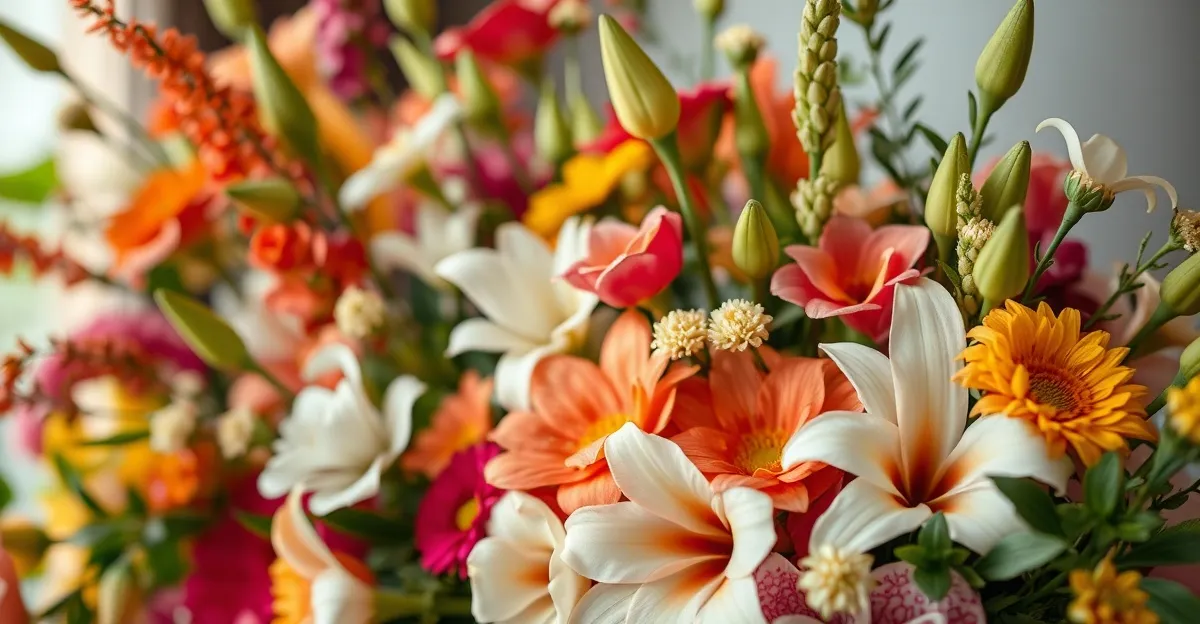
Galungan is one of the most important celebrations in the Balinese Hindu calendar — a ten-day festival marking the victory of dharma over adharma, during which ancestral spirits are believed to visit the world of the living. For anyone living on this island, whether local or expat, understanding what flowers carry meaning during Galungan will help you participate respectfully and beautifully in one of Bali's most heartfelt occasions.
Flowers are not decorative afterthoughts at Galungan. They are woven into every part of the ceremony — pressed into offering baskets, woven onto penjor poles along the roadsides, laid on household altars, and brought as gifts between neighbors. Getting the flowers right is a genuine act of respect.
Penjor flowers: what adorns the bamboo poles
If you've spent any Galungan in Bali — even a single one — you'll remember the sight of those tall, arching bamboo poles called penjor lining every road from Seminyak to Sidemen. The top tips of these poles are decorated with a combination of dried palm fronds, coconut shells, and flowers.
The most traditional penjor flower is yellow chrysanthemum, which Balinese call gumitir. Its bright gold color represents the sun and divine light. You'll also see marigolds tucked into offerings and woven garlands — known locally as jempiring (though technically jempiring is gardenia, the terms sometimes overlap in market use). Plumeria, Bali's iconic frangipani, also appears regularly, particularly white and yellow varieties, which carry connotations of purity and prayer.
The layered look of penjor decoration is intentional: gold-yellow tones dominate because they reference prosperity and the spirit world. If you're sourcing flowers for a penjor or helping a Balinese household prepare, focus on yellow and white blooms.
Canang sari and small offering flowers
The canang sari — those small woven palm leaf trays you see everywhere from doorsteps in Kerobokan to temple steps in Ubud — require specific flower placements based on compass direction and color symbolism. White flowers go in the east (for Iswara), red in the south (for Brahma), yellow in the west (for Mahadeva), and blue or black in the north (for Wisnu).
During Galungan, these offerings are made more elaborate and more frequently than usual. The flowers most commonly used include:
- White frangipani (jepun putih) — widely available, deeply meaningful for prayer
- Yellow marigold (gumitir) — essential for Galungan offerings, grown in abundance in Tabanan and Bedugul
- Red hibiscus (pucuk merah) — common in south-direction placements
- Blue or purple ageratum — used for the north-facing element
If you're attending a ceremony or want to bring a meaningful gift to a Balinese family during Galungan, a bundle of these four color categories makes a genuinely thoughtful contribution. Any good florist or pasar (traditional market) in Gianyar, Sukawati, or Denpasar will understand exactly what you need.
Gift bouquets for Galungan: what to give
If you want to send flowers to a Balinese friend, colleague, or neighbor during Galungan as a personal gift rather than for ceremony, the considerations shift slightly. You want something celebratory and generous-looking, without borrowing from ceremonial aesthetics too literally.
Good choices for Galungan gift bouquets include:
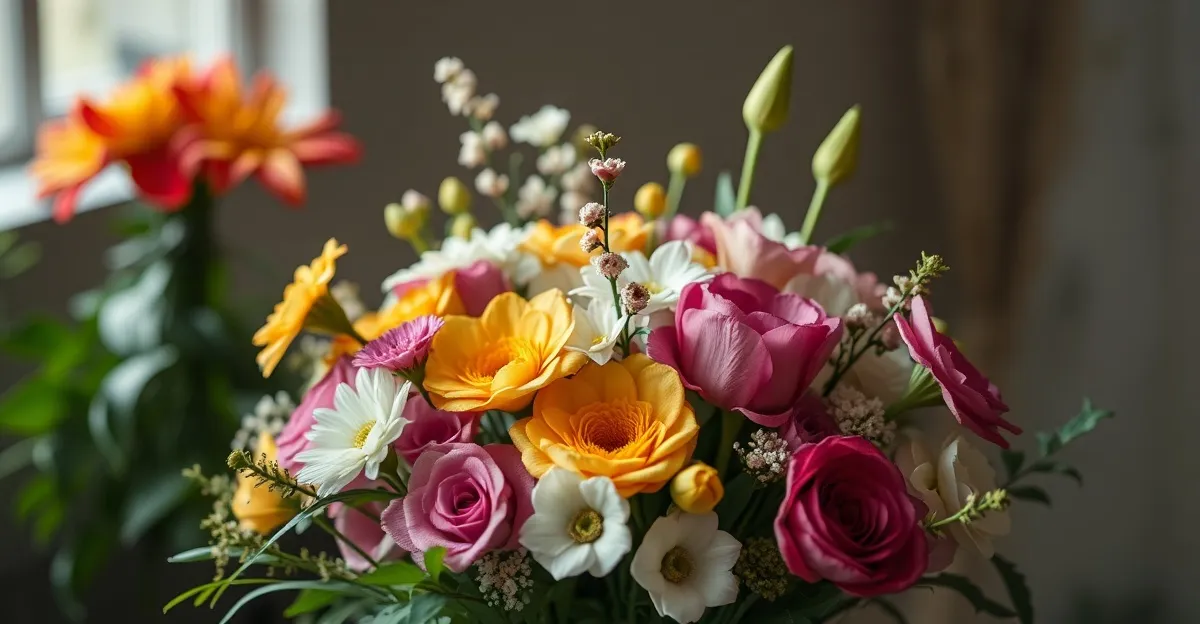
- Yellow and orange spray roses — festive without being ritual
- Sunflowers — symbolize light and joy in many cultures, and the bright yellow resonates with Galungan's gold tones
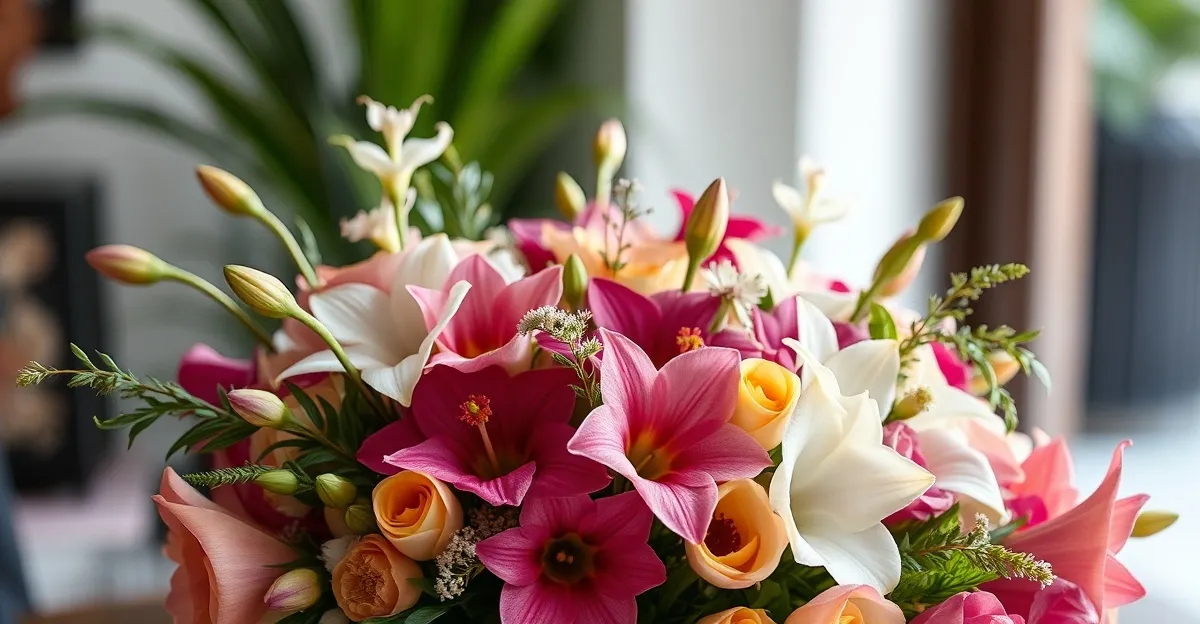
- Yellow and white lilies — elegant, long-lasting in Bali's humidity if kept away from direct noon sun
- Tropical arrangements with heliconia and ginger lily — thoroughly Balinese in character, especially for families who appreciate local flair
What to avoid: pure white arrangements can read as funeral in some contexts across Southeast Asia, so if you're gifting to a more traditional family, balance any white flowers with yellow or orange blooms. Pure red arrangements work better for other celebrations — Chinese New Year or Valentine's Day — than for Galungan.
For more ideas on choosing flowers that translate well across Balinese cultural settings, see our guide to calla lily in Balinese ceremonies: traditional uses in Bali.
Fresh flower considerations in Bali's tropical climate
Galungan timing varies according to the 210-day Balinese Pawukon calendar, so it doesn't fall at the same Gregorian date each year. In 2025 and 2026, this means the ceremony can land in either rainy season or dry season, and your flowers need to handle either.
The tropical humidity in Bali — regularly above 80% near the coast — is brutal on some flowers. Roses and standard carnations can wilt fast if left out during midday. For any flowers you're incorporating into outdoor decorations or leaving on an altar, prioritize tropical-hardy varieties.
Flowers that hold well in Bali's heat and humidity:
- Marigold and chrysanthemum (extremely resilient, which is why they're used so widely in ceremony)
- Heliconia and bird of paradise
- Anthurium (lasts beautifully indoors and out)
- Orchids — especially the Dendrobium varieties grown locally in Gianyar
For cut bouquet gifts, keep flowers in a cool, shaded spot and change the water every 24 hours during Galungan's ten-day window if you want them to last through the celebration.

The team
your florists
weekly subscription · Bali
We write about flowers because we love them. We deliver them because someone should — properly, weekly, across Bali.
— heyflowerPay once for 3, 6, or 12 months, no auto-renewal.
Flowers for temple visits during Galungan
Many expats and visitors join in temple visits during Galungan — and if you're invited to a family temple (sanggah or merajan) or a village temple (pura), bringing a small offering of flowers is a sign of goodwill.
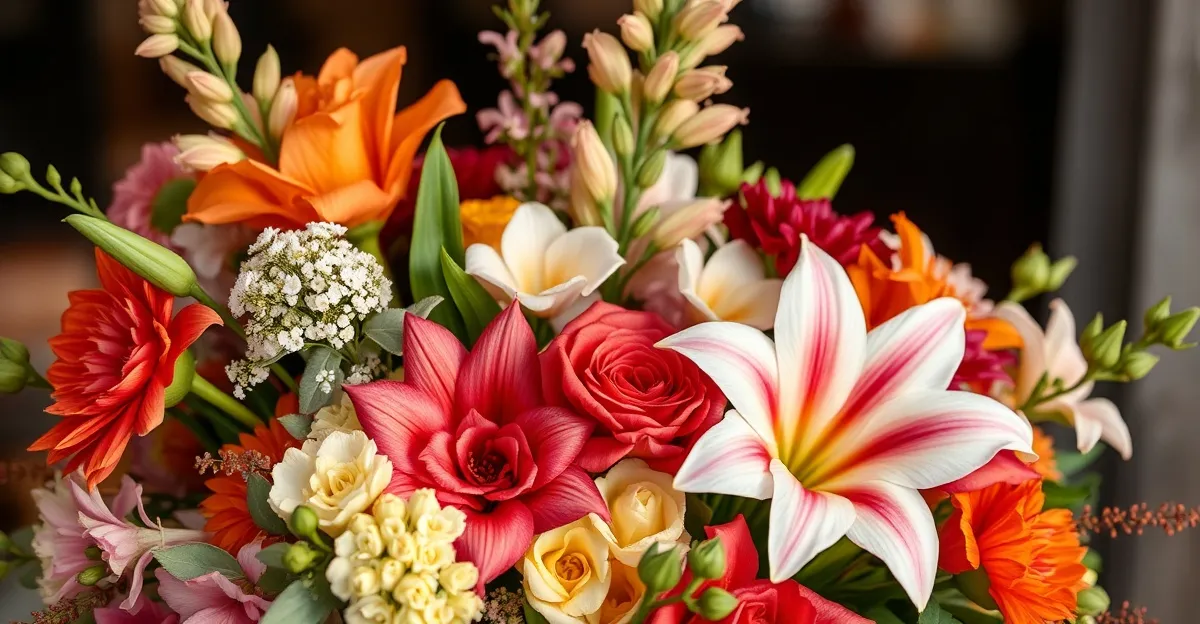
The most respectful option is to purchase a pre-made small offering bundle from a local ibu at a morning market. These will have all the correct flower placements done correctly. However, if you'd like to bring a separate gift for the family hosting you, a hand-tied bouquet of seasonal tropical flowers in yellow and orange tones is always well-received.
You don't need to bring expensive or imported flowers. Many Balinese families will actually appreciate local blooms over roses or peonies — jepun bali (local frangipani), gumitir, and kamboja are all meaningful, affordable, and available from small flower stalls throughout the island.
For context on how flower meanings play out across different Balinese ceremonies, have a look at our article on lotus in Balinese Hinduism: meaning and ritual use.
Frequently asked questions
What is the most important flower for Galungan offerings? Yellow chrysanthemum (gumitir) is the most essential — you'll find it in virtually every canang and on penjor across Bali. It's inexpensive, widely available at markets, and deeply associated with Galungan's golden ceremonial palette.
Can I give a regular bouquet as a gift during Galungan? Absolutely. A bright, festive arrangement in yellow, orange, or tropical tones is a lovely Galungan gift. Just avoid pure white arrangements if you're visiting a traditional household, as white alone can carry funeral associations in some Balinese contexts.
Where can I buy Galungan flowers in Bali? Traditional markets (pasar) in Denpasar, Sukawati, Gianyar, and Badung sell offering flowers in bulk at very low prices. For gift bouquets, most florists across Seminyak, Canggu, and Ubud offer seasonal arrangements during Galungan.
When does Galungan happen in 2026? Galungan follows the Balinese Pawukon calendar and occurs approximately every 210 days. Check a current Balinese calendar (available at most temples and tourist offices) for the exact 2026 dates.
Are yellow marigolds available year-round in Bali? Yes — gumitir (marigold) is grown continuously in the highlands of Tabanan and Bedugul and sold at markets throughout the island every day. They're one of the most reliably available flowers in Bali at any time of year.
Ready to bring fresh flowers to your Bali home or event? Explore our weekly flower subscription and get handpicked blooms delivered to your door every week.
More on Galungan