Statice in Balinese ceremonies: traditional uses in Bali
Discover how statice fits into Balinese Hindu ceremonies, temple offerings, and cultural events — and how it bridges traditional and contemporary floral practice in Bali.
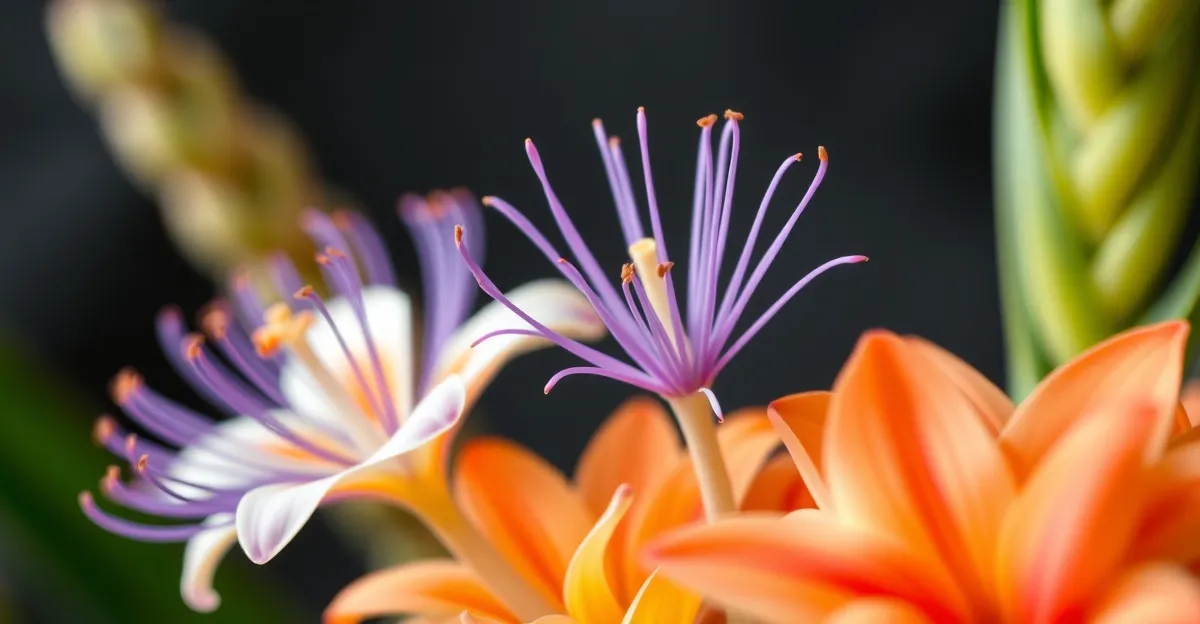
Walk through any Balinese village during a ceremony day and the air is thick with incense and flowers. Frangipani, marigolds, roses, jasmine — all woven into the intricate geometric offerings (canang sari) that sit on every household altar, shop entrance, and roadside temple. Statice, at first glance, doesn't seem to belong to this world. It's not native to Bali, it's not part of ancient Hindu-Balinese botanical tradition, and it has no Sanskrit name in the ceremonial flower vocabulary.
And yet statice has found a place in modern Balinese ceremonial life — not within the strict ritual core, but in the surrounding culture of decoration, gift-giving, and the beautiful zone where traditional ceremony meets contemporary aesthetics.
How Balinese ceremonies use flowers
To understand where statice fits, it helps to understand the layered role of flowers in Balinese ceremonies. Flowers serve two distinct functions that rarely overlap: ritual offerings and decorative display.
Ritual offerings (canang sari and related forms) use specific flowers chosen for their symbolic relationship to the gods and the four cardinal directions. White flowers face east (for Iswara), red flowers face south (for Brahma), yellow flowers face west (for Mahadewa), and blue or black flowers face north (for Vishnu). These are not aesthetic choices — they're theological ones, and substituting one flower for another based on availability or taste isn't appropriate within the ritual context.
Decorative display is the second, much larger category — everything from the floral gates (penjor side arrangements) and altar cloth decorations to the flowers carried by dancers, worn in headdresses, and used to decorate ceremony venues. This decorative layer has always incorporated whatever is beautiful and available, and it's here that statice has found genuine use.
Statice as decoration in upacara (ceremony) settings
For the celebration elements around Balinese ceremonies — the feast preparations, the family gathering space, the decorated stages for dance and music — arrangements that incorporate statice are common in contemporary Bali. A Balinese family hosting an otonan (six-month birthday ceremony), a ngaben (cremation), or an odalan (temple anniversary) will often want beautiful cut flower arrangements for the dining and gathering areas that honor the occasion without being part of the ritual offerings themselves.
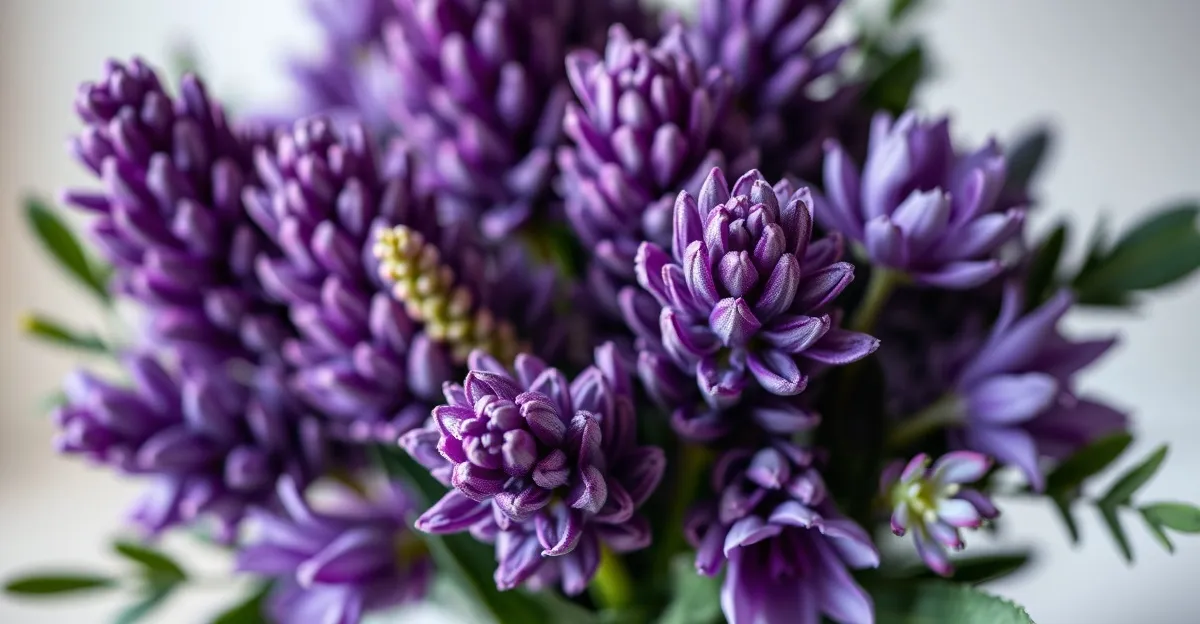
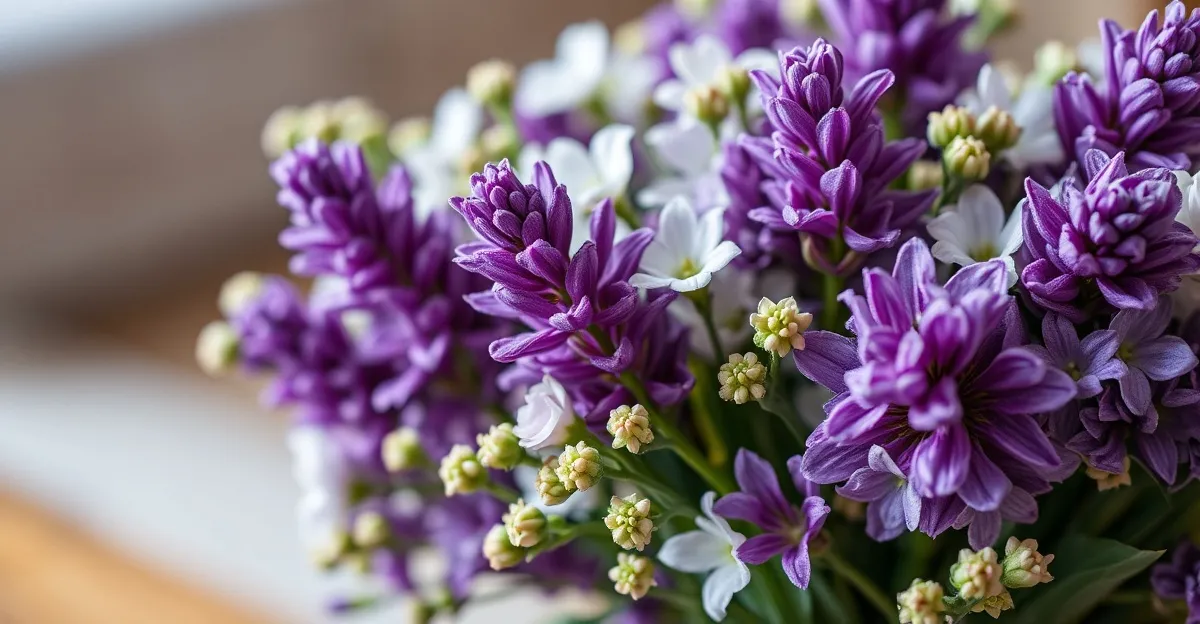
In this context, white statice is widely used — it's light, elegant, and its papery quality gives arrangements a softness that pairs well with more formal tropical blooms. The fact that it dries naturally also means that statice arrangements prepared days before a ceremony still look good during and after the event, which is practically significant when preparations begin well in advance.
For odalan ceremonies at family temples, decorated archways and entrance arrangements have become increasingly elaborate over the decades. Statice, mixed with other cut flowers, can appear in these display arrangements alongside more traditional materials like palm leaf decorations and fresh-cut tropical foliage. Odalan temple anniversaries and floral offerings offers deeper context on what makes a temple ceremony's decor feel appropriate.
Statice at Balinese-Western weddings
The most significant ceremonial use of statice in contemporary Bali is in the hybrid weddings that combine Western ceremony aesthetics with Balinese Hindu ceremonial elements. Bali now hosts thousands of weddings each year — many of them non-Balinese couples who come specifically for the spiritual beauty of the island's Hindu ceremonial settings.
At these ceremonies, statice appears in bouquets, table arrangements, archways, and aisle decorations designed by florists who work across both traditions. The visual language of these arrangements draws on both Western floristry (where statice is a standard filler bloom) and Balinese aesthetics (where layered texture, warm colors, and fragrant elements are valued).
Pure Balinese Hindu weddings (pawiwahan) follow their own floral protocols — specific ceremonial flowers are required, and the ritual aspects have no need for florist-designed arrangements. But in the widely held family celebration that surrounds the ceremony, statice can appear as part of the decorative backdrop.
Statice and Galungan
Galungan — the Balinese Hindu festival celebrating the victory of dharma over adharma, occurring every 210 days in the Balinese Pawukon calendar — is when flowers reach their most spectacular concentration in Balinese life. Every penjor (tall bamboo pole decorated with offerings) has fresh flowers woven into it, and every household altar is freshly stocked.
The flowers for penjor and altar offerings during Galungan follow traditional botanical guidelines (specific flowers for specific meanings and positions). But the fresh market flower trade surges enormously during Galungan, and the general celebration atmosphere means that gift bouquets and home arrangements flourish alongside the ceremonial flowers.
Statice, as a widely available and affordable cut flower, moves through the market in larger volumes during Galungan week. It might not appear in the sacred ritual arrangements, but it appears in the living rooms, dining areas, and garden settings where families host and celebrate — the social surround of ceremony.

The team
your florists
weekly subscription · Bali
We write about flowers because we love them. We deliver them because someone should — properly, weekly, across Bali.
— heyflowerPay once for 3, 6, or 12 months, no auto-renewal.
The practical case for statice in Balinese ceremony contexts
There's a straightforward practical reason that statice finds its way into ceremony-adjacent arrangements in Bali: ceremonies often run for days, and arrangements need to last.
A cremation ceremony (ngaben) involves days of preparation, the ceremony itself, and subsequent stages. An odalan can include several days of activity. Fresh flowers for the decorative (non-ritual) portions of these events need to hold up through repeated days without being changed. Statice, with its exceptional heat tolerance and natural drying quality, is simply more reliable than alternatives.
Florists who supply the ceremonial event market in Bali know this. Arrangements built with substantial statice content will still look dignified and appropriate on day three or four, when roses have wilted and lilies have dropped their pollen. It's the same reason statice is the default choice for long-running events across the island's luxury resort and wedding sectors.
FAQ
Can I offer statice as part of a canang sari? Strictly speaking, the traditional canang sari uses specific flowers with specific colors for specific divine associations. Statice is not part of the traditional vocabulary. That said, Balinese Hindu practice varies by family, region, and priest. In some contexts, any beautiful, sincere flower offering is accepted; in others, protocol matters. Ask a Balinese family member or a knowledgeable guide before substituting non-traditional flowers.
Is statice available at Balinese flower markets during ceremony seasons? Yes. Pasar Kumbasari in Denpasar and the flower market near Ubud's traditional market stock statice year-round, and supplies increase before major ceremony periods when overall flower demand rises.
Does statice have any relationship to specific Balinese Hindu deities? No direct botanical-divine associations exist in classical Balinese Hindu tradition. The flower's significance in any ceremony setting is contextual and contemporary rather than rooted in classical texts.
Are there specific occasions where statice would feel out of place at a Balinese ceremony? Heavy use of purple statice in strict ritual funeral-adjacent contexts (ngaben) might feel tonally misaligned, given the broad cross-cultural associations between purple and mourning. White or yellow statice would generally feel more appropriate in those ceremonial contexts if decorative cut flowers are being used at all.
How do I incorporate statice thoughtfully into a ceremony arrangement without it feeling out of place? Keep statice in a supporting role and let traditional elements — frangipani, tropical foliage, marigolds — take the visual center. White statice as a soft textural background reads as neutral and elegant without asserting a specifically Western floral aesthetic over the Balinese ceremonial character.
Ready to bring fresh flowers to your Bali home or event? Explore our weekly flower subscription and get handpicked blooms delivered to your door every week.
More on Statice