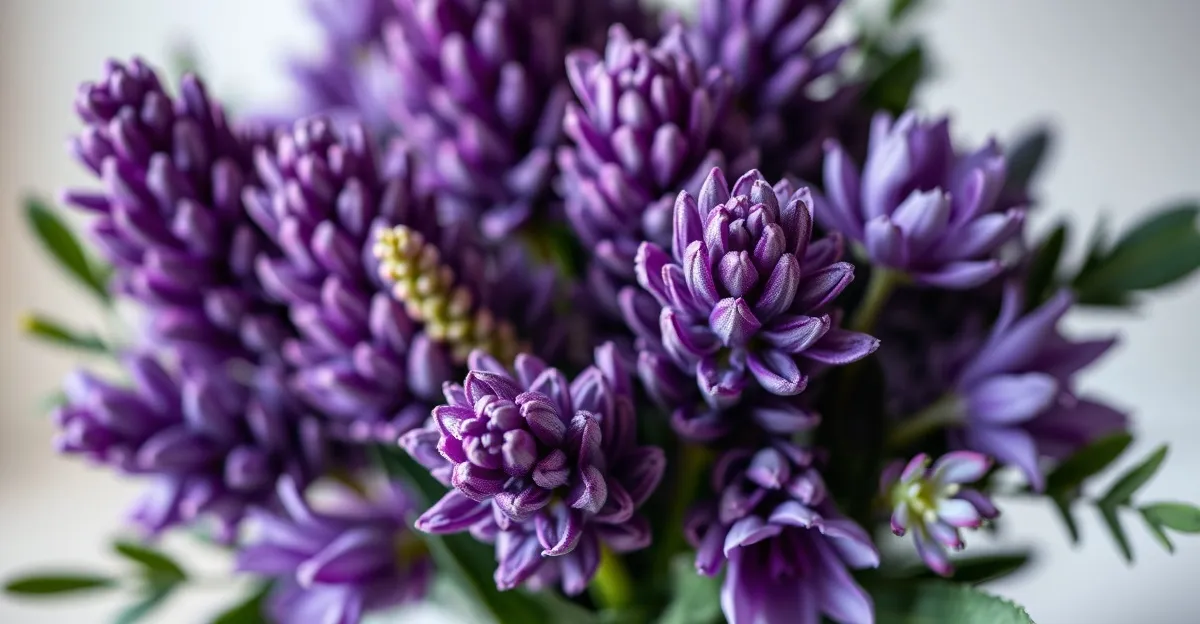
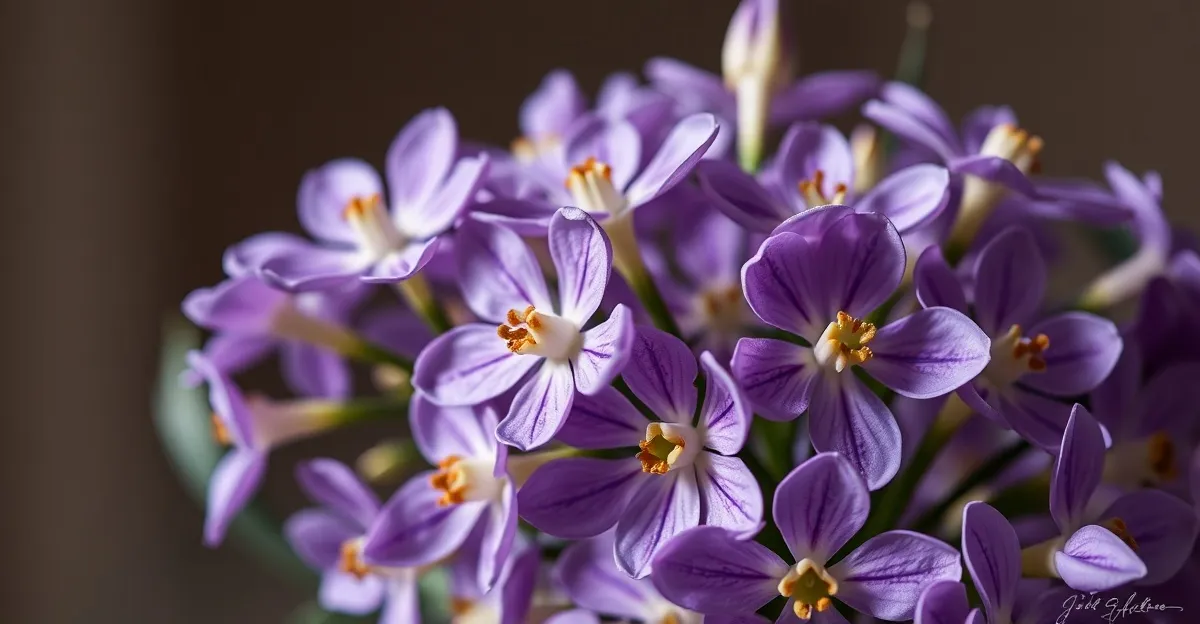
How to care for statice in Bali's humid climate
Statice is one of the most low-maintenance cut flowers in Bali's humid climate. Here's how to get the most from it — fresh and dried.
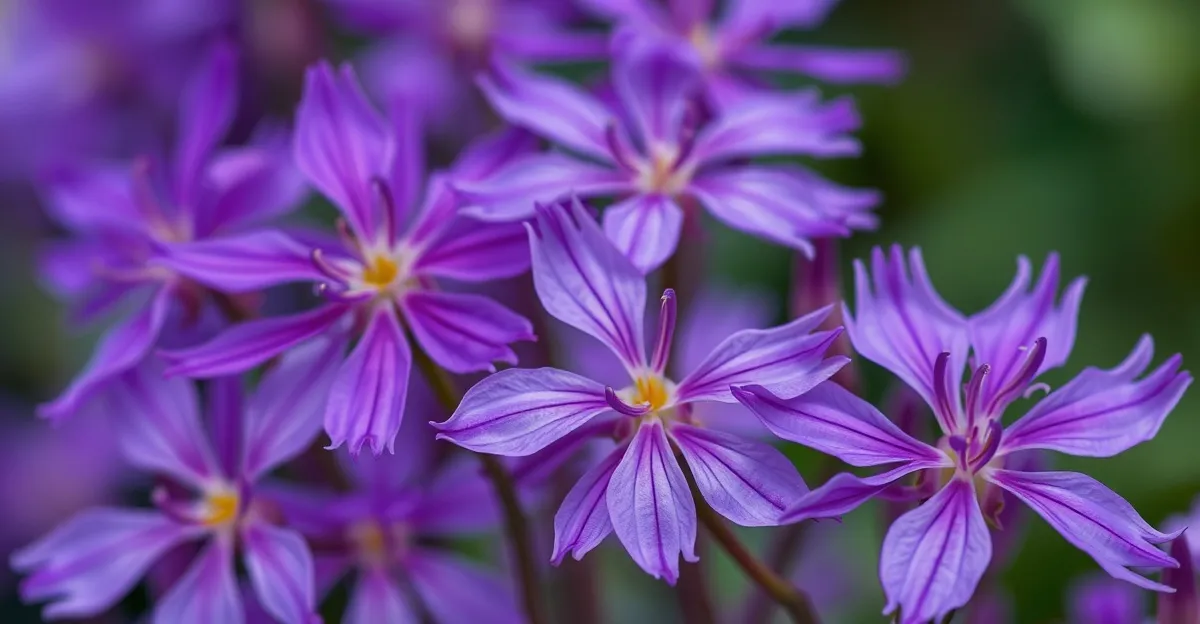
Statice has a quality that stands out from almost every other cut flower: when you do not know what to do with it, it sorts itself out. The flower dries naturally, holds its color, retains its structure, and will sit in a vase without demanding much from you. In Bali's tropical climate — where high humidity and heat shorten the vase life of most imported flowers — statice performs better than almost anything else in a florist's inventory.
That said, "it sorts itself out" is not the same as "it needs nothing." Understanding how to care for statice in tropical conditions helps you get both the best fresh performance and the best dried result from what is genuinely one of the most versatile flowers available in Bali.
Why statice handles tropical conditions well
Statice (Limonium sinuatum) is a halophyte — a plant that evolved to survive in coastal, salt-marsh environments where conditions are harsh, salty, and frequently wet. This background has equipped the flower with a natural toughness that most ornamental cut flowers lack. Its small, papery florets are designed to survive a lot, and that resilience translates directly to performance as a cut flower in challenging tropical conditions.
Where many flowers become waterlogged and rot at the base in Bali's humidity, statice tends to dry from the outside in, holding its structure as it transitions from fresh to dried. Where many flowers drop petals and wilt when air conditioning dries the air too much, statice petals barely notice. This makes statice genuinely low-maintenance in a way that is not just marketing — it is botanical reality.
Conditioning statice when it arrives
Even for a durable flower, the conditioning steps at arrival matter. When your statice comes from a florist or delivery:
Recut the stems: Cut a centimeter or two at a 45-degree angle. Like all cut flowers, statice benefits from having a fresh cut that allows clean water uptake. In Bali's heat, stems that have been out of water even briefly can form a small air block; a fresh cut removes this.
Remove lower foliage: Any leaves that will sit below the waterline in the vase should come off. In tropical conditions, submerged plant material decomposes faster than in cooler climates and produces bacterial build-up that shortens vase life.
Use clean water: Statice is not particularly fussy about water quality, but a clean vase with fresh tap water — or water with a drop of flower food — is always the starting point.
No flower food essential, but helpful: Statice will perform reasonably without flower food, but the acidifier in commercial flower food sachets (available from most Bali florists) does slow bacterial growth in the vase, which gives all stems in a mixed arrangement better conditions.
Fresh phase: what to expect and how long it lasts
In Bali's tropical climate, with basic care, fresh statice typically looks good for seven to fourteen days in the vase — significantly longer than most imported blooms. The petals will gradually begin to feel slightly papery toward the end of the fresh phase, which is the beginning of the natural drying process rather than a sign of decline.
You will not see the dramatic wilting, petal drop, or browning that marks the end of other flowers' vase life. Statice tends to transition from fresh to dried in a gradual, dignified way that leaves the arrangement still looking presentable rather than looking dead.
In a mixed arrangement, statice typically outlasts its companion flowers by many days. A common experience in Bali homes: the roses and lisianthus in a mixed arrangement have been removed when they aged, and the statice is still in the vase, now in transition to its dried phase, looking entirely appropriate.
Making the transition from fresh to dried
If you want to allow statice to dry naturally in the vase — which is a completely valid and beautiful outcome — the process needs a small adjustment to avoid mold in Bali's humid conditions.
Once the other flowers in the arrangement have been removed (or if you want to dry a statice-only arrangement), remove the water from the vase entirely. Standing statice in water for the drying phase keeps the stem bases moist longer than you want in tropical humidity. Instead:
- Empty the vase completely
- Place statice in the empty vase upright, or hang it loosely upside down
- Move it to the most air-conditioned, well-ventilated space you have
- Leave it for two to three weeks without touching it
In the dry season (May through September), natural drying in a ventilated room works reliably. In the wet season (October through March), the slower drying can allow mold to develop in dense stem clusters. If you notice any grey powdery mold, remove affected stems immediately and improve airflow.
Dried statice: display and longevity in Bali
Once fully dried, statice becomes one of the most enduring decorative materials you can use in Bali's homes. Properly dried statice retains its color for many months — often over a year — even in tropical conditions, provided it is kept out of direct sunlight (which fades colors quickly) and away from rain, condensation, or direct humidity.
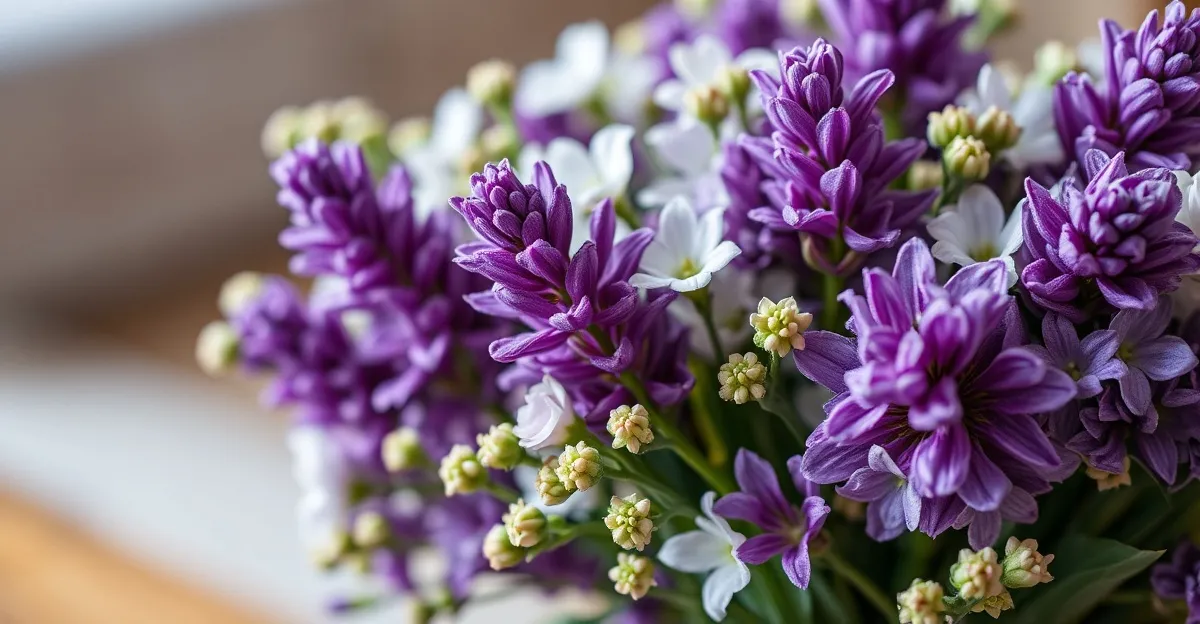
Purple dried statice has a particularly good reputation for color retention. White statice dries to a soft off-white that suits many interior styles. Yellow statice can fade slightly toward cream, which is still beautiful.
Display dried statice in ceramic or terracotta vases, woven rattan, or simple glass — all styles that suit Bali's dominant interior aesthetics. Avoid putting dried arrangements in bathrooms, near open windows in the wet season, or anywhere that experiences regular moisture.

The team
your florists
weekly subscription · Bali
We write about flowers because we love them. We deliver them because someone should — properly, weekly, across Bali.
— heyflowerPay once for 3, 6, or 12 months, no auto-renewal.
Caring for statice in a mixed subscription bouquet
If you receive statice as part of a weekly subscription arrangement, it will almost certainly outlast the other flowers in the bunch. The practical advice: when you refresh the vase and remove older flowers, keep the statice and add it to the next week's delivery if the arrangement allows. Statice can be reused across deliveries without any problem, moving from fresh to semi-dried while still looking intentional.
For anyone exploring how to write a note that comes with each subscription delivery, statice's symbolism of remembrance and lasting appreciation makes it a meaningful flower to mention when it appears in the weekly bunch.
FAQ
How do I know when statice has finished its fresh phase? The florets will feel slightly papery and the overall texture of the arrangement will shift from soft to slightly crisp. This is the beginning of drying, not the end of the flower's usefulness. It is still beautiful — just in a different phase.
Can statice develop mold in Bali's humidity? Yes, particularly in the wet season. The risk is highest when statice is kept in water during the drying phase or in a space with poor airflow. Empty the vase when transitioning to dried, and ensure good air circulation.
Does statice need direct sunlight to dry properly? No — in fact, direct sun accelerates color fading in dried statice. Dry it in a bright, airy space but out of direct sunlight.
Can I rewet dried statice to use it in a fresh arrangement? Not successfully. Once statice has dried, rehydrating it damages the delicate florets. Treat dried statice as a dried decorative material and use fresh statice for fresh arrangements.
Is statice safe around pets and children? Statice is generally considered non-toxic to pets and humans. As with any plant material, ingestion of large quantities is not advisable, but incidental contact or small accidental nibbles are not dangerous.
Ready to bring fresh flowers to your Bali home or event? Explore our weekly flower subscription and get handpicked blooms delivered to your door every week.
More on Statice