How to preserve a statice bouquet after the event
Step-by-step guide to preserving statice bouquets after weddings and events in Bali, including air-drying, silica gel, and display tips for tropical homes.
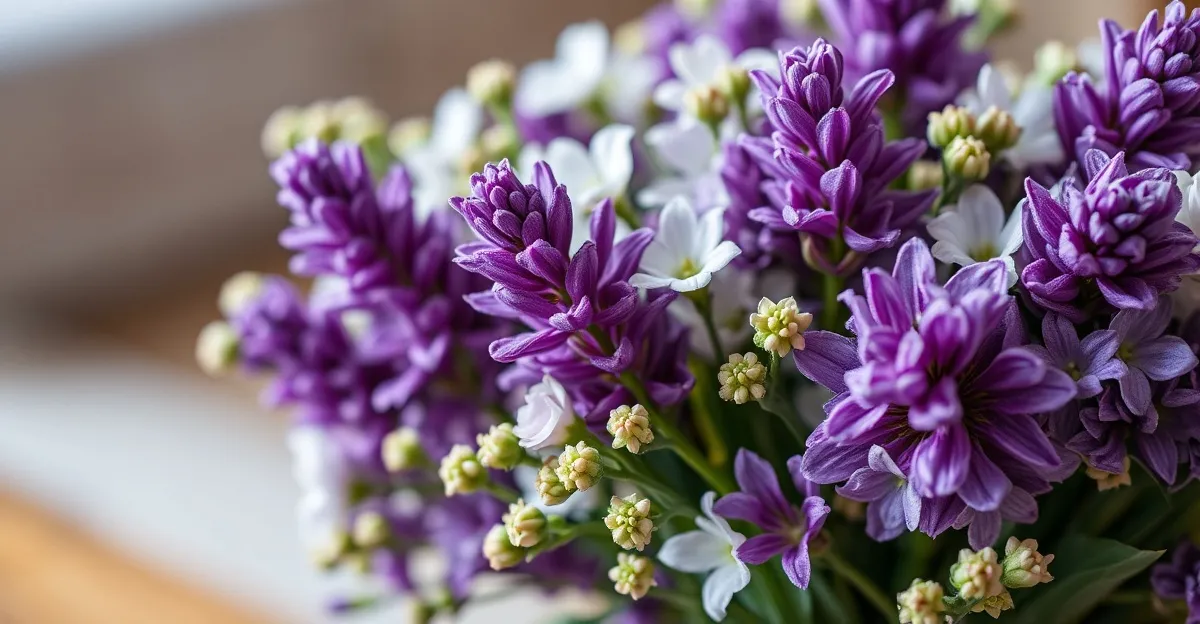
Statice is one of the easiest flowers to preserve — it practically preserves itself. Unlike roses, which require careful drying to avoid mold and browning, statice's naturally papery petals have already done much of the structural work before you even begin. That said, doing it properly still makes the difference between a preserved arrangement that looks beautiful for years and one that deteriorates within months, particularly in Bali's humid climate where moisture is the constant enemy of preserved botanicals.
Why statice preserves so well
The secret is in the cellular structure. Statice petals contain very little moisture compared to fleshy flowers like roses, tulips, or dahlias. When water leaves the flower tissue during drying, there's simply less cell collapse happening — the flower doesn't slump or shrivel the way higher-moisture flowers do. The papery quality you see when statice is fresh is essentially a head start on the drying process.
Color retention is the other remarkable quality. Most flowers lose significant color as they dry — the pigments break down when cell structure changes. Statice's pigments are unusually stable: purple statice dried carefully will remain recognizably purple (slightly more muted, slightly more dusty) for a year or more. White statice stays white. Pink fades a little more than purple but remains clearly pink rather than turning beige.
Air-drying: the simplest method and how to do it properly
For most statice bouquets, air-drying is the only method you need. Here's how to get the best results:
Step 1: Remove from water at the right time. The optimal moment to shift statice from vase to drying is when the flowers are still at their freshest — typically within the first two to three days after cutting. You can dry statice after it's been in a vase for a week, but starting earlier gives cleaner results.
Step 2: Strip the lower leaves. Any foliage on the lower two-thirds of the stem should be removed. Leaves trap moisture and are the most common site for mold in dried arrangements. Statice's own small leaves can stay on the upper stem but should be inspected for any dark spots before drying.
Step 3: Hang upside down in bunches. Small bunches of three to five stems, tied with twine or a rubber band near the base, should be hung upside down. Hanging inverted ensures the stems dry straight rather than flopping sideways, and encourages any remaining moisture to move away from the flower heads toward the stem ends.
Step 4: Choose the right location. This is the critical step for Bali. You need a space that is:
- Well-ventilated (this is the most important factor)
- Dry (not a bathroom, not near the kitchen sink)
- Away from direct sunlight (which will fade colors faster)
- Not exposed to morning dew or rain
In Bali's coastal areas (Kuta, Legian, Seminyak, Canggu), morning humidity can be extremely high. An air-conditioned room with good circulation, or an indoor space away from open-air areas, is significantly better than an outdoor covered terrace. Inland Ubud and the highlands are somewhat more forgiving.
Step 5: Wait 10–14 days. Check at day ten — the stems should feel rigid and dry, with no softness at the base. If you press gently and feel any give, continue drying for another few days.
Silica gel drying: for faster results and better color retention
Silica gel is a faster and often more color-perfect drying method, though it requires some investment in materials. Silica gel crystals (available online and at some Bali craft shops and chemical supply stores near Denpasar) absorb moisture rapidly and can preserve flowers within 48–72 hours.
Method: Place a layer of silica gel crystals in an airtight container (a Tupperware box works well). Lay statice stems on top, ensuring they don't overlap, then pour more silica gel gently over the flowers until they're completely covered. Seal the container and leave for 48–72 hours. Once dry, gently pour off the silica gel and use a soft brush to remove any residual crystals.
For statice, the advantage of silica gel over air-drying is mainly speed — if you need to preserve a wedding bouquet urgently, 48 hours beats two weeks. Color results are comparable. The disadvantage is cost and the need to purchase materials.
Resin embedding for permanent display
For a truly permanent display — particularly meaningful for wedding keepsakes — statice flowers can be embedded in clear resin. This process encases the dried flowers in a transparent acrylic or polyurethane block or frame, creating a permanent display piece that can last decades without deterioration.
Resin embedding is more of a craft project than a simple preservation method and requires molds, resin, hardener, and patience to avoid bubbles. However, for a wedding bouquet with high sentimental value, the result — a crystal-clear block or frame containing perfectly preserved flowers — can be genuinely beautiful.
Several craft studios in Ubud and Canggu offer resin flower preservation as a service if you'd rather not DIY. This is worth exploring as a wedding keepsake option, particularly because statice's small, detailed form works very well at the scale of a resin piece.

The team
your florists
weekly subscription · Bali
We write about flowers because we love them. We deliver them because someone should — properly, weekly, across Bali.
— heyflowerPay once for 3, 6, or 12 months, no auto-renewal.
Displaying preserved statice in Bali homes
Once preserved, statice needs to be displayed thoughtfully to maintain its condition in Bali's climate.
Avoid areas with condensation or dew: Ground-floor rooms, open-air pavilions (bales), and spaces near the sea in coastal areas like Sanur or Jimbaran can accumulate moisture overnight. Dried botanicals in these locations will slowly reabsorb moisture and lose their crispness.
Keep away from direct sun: Color fading is the primary enemy of displayed dried flowers. Position arrangements where they receive good ambient light but not direct sunbeams. This matters more in Bali than in temperate climates because tropical sun is more intense and UV-heavy.
Use a glass display case or cloche: For precious pieces like preserved wedding bouquets, enclosing the arrangement under glass keeps humidity and dust at bay. A clear glass cloche over a small arrangement is both protective and aesthetically pleasing.
Avoid the AC blast zone: While air-conditioned rooms are good for preservation, placing dried flowers directly in the stream of AC air can cause physical damage to the delicate papery petals over time.
If you're interested in more intensive preservation methods for other flowers in a bouquet, freeze-drying flowers: is it worth it for tropical blooms? covers whether freeze-drying (a professional preservation method) makes sense for Bali's conditions.
FAQ
Can I preserve a statice bouquet that's been in water for two weeks? You can try, but results will be less pristine. Statice that has been in water for two weeks may have developed some minor stem discoloration and the flowers may be very slightly past their peak. Air-dry as normal — the result will still be usable but may not have the fresh color of flowers dried sooner.
Does Bali's humidity make preservation impossible? Not impossible, but it requires more attention to ventilation and the choice of drying location. In a well-ventilated, air-conditioned interior, Bali is no harder than anywhere else for drying statice. In an open-air, coastal setting, the high ambient humidity makes air-drying more challenging.
How long will a well-preserved statice arrangement last? Stored away from UV light and humidity, a well-dried statice arrangement can look good for two to four years. Beyond that, even the most stable pigments begin to shift and the papery flowers become increasingly fragile. This is still remarkable longevity compared to most preserved flowers.
Can I mix preserved statice with fresh flowers in an ongoing arrangement? Yes. Fresh flowers can be placed alongside dried statice in a vase arrangement — the statice provides the structural backdrop and the fresh flowers bring life. Replace the fresh flowers as they age; the statice remains.
Is glycerine preservation an option for statice? Glycerine preservation (where the flower absorbs glycerine solution through the stem, replacing the water in the cells) works better for foliage and some flowers than for statice. The papery petals of statice don't absorb glycerine solution as effectively as fleshy leaves or thick petals, so the results are less reliable. Air-drying is a better choice for statice.
Ready to bring fresh flowers to your Bali home or event? Explore our weekly flower subscription and get handpicked blooms delivered to your door every week.
More on Statice