Rose in Balinese Ceremonies: Traditional Uses in Bali
How are roses used in Balinese Hindu ceremonies? From canang sari to temple offerings, explore the rose's ceremonial role in Bali's rich floral tradition.
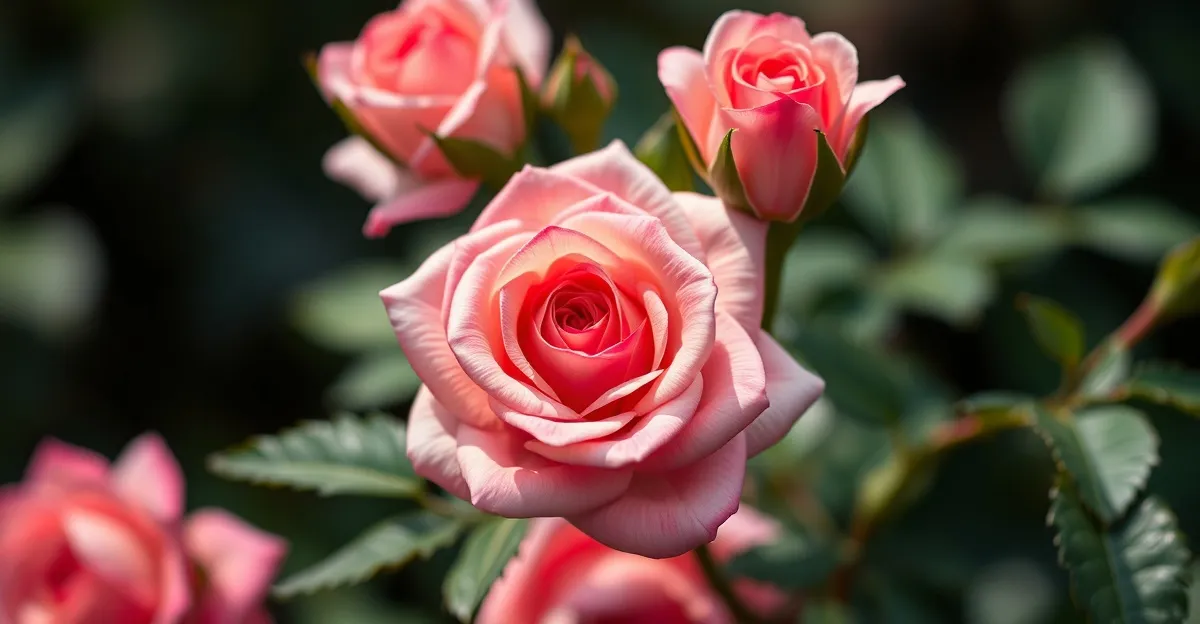
Flowers in Bali are not decoration. They are prayer made physical — offerings that carry intention, gratitude, and spiritual energy from the person making them to the deity or spirit they're addressed to. Every morning across the island, Balinese women craft canang sari from palm leaf and flowers, placing them at thresholds, at shrines, at the base of waringin trees, and on the laps of stone guardian statues. Understanding what flowers go into these offerings, and why, is to understand something essential about how Bali relates to the natural world.
The rose's place in Balinese ceremonial tradition is specific and interesting — present but not central, used in particular ways, carrying meanings shaped by the island's directional and colour symbolism. This guide explores that relationship honestly, from the perspective of someone who works with Bali's flowers daily.
The Foundation: Flowers in Balinese Hindu Belief
In Balinese Hinduism, everything in the natural world is suffused with spiritual energy (sekala and niskala — the visible and invisible worlds). Flowers, as one of nature's most beautiful expressions, have particular spiritual potency. They're a vehicle for bhakti — devotion — in a material form.
The flower offering isn't symbolic in a vague metaphorical sense. It's understood as a real energetic exchange: the beauty and fragrance of the flower carries prayer upward, like incense smoke, to the divine realm. Different flowers, colours, and combinations address different deities and serve different purposes.
This means that flower selection for ceremony in Bali is purposeful rather than aesthetic. You wouldn't simply choose flowers because they're beautiful — you'd choose them because they're appropriate for the specific deity, occasion, and intention.
The Directional Colour System and Roses
Central to understanding which flowers go where in Balinese ceremony is the nawasanga — the system of nine directions, each associated with a deity (manifestation of the supreme divine), a colour, and specific ritual elements.
The primary cardinal directions and their colours:
- East: White — associated with Iswara
- South: Red — associated with Brahma
- West: Yellow — associated with Mahadewa
- North: Black/dark — associated with Wisnu
- Centre: Mixed/multicolour — associated with Siwa
This directional colour system directly influences which flowers are used in offerings placed at different points in a ceremony or a temple.
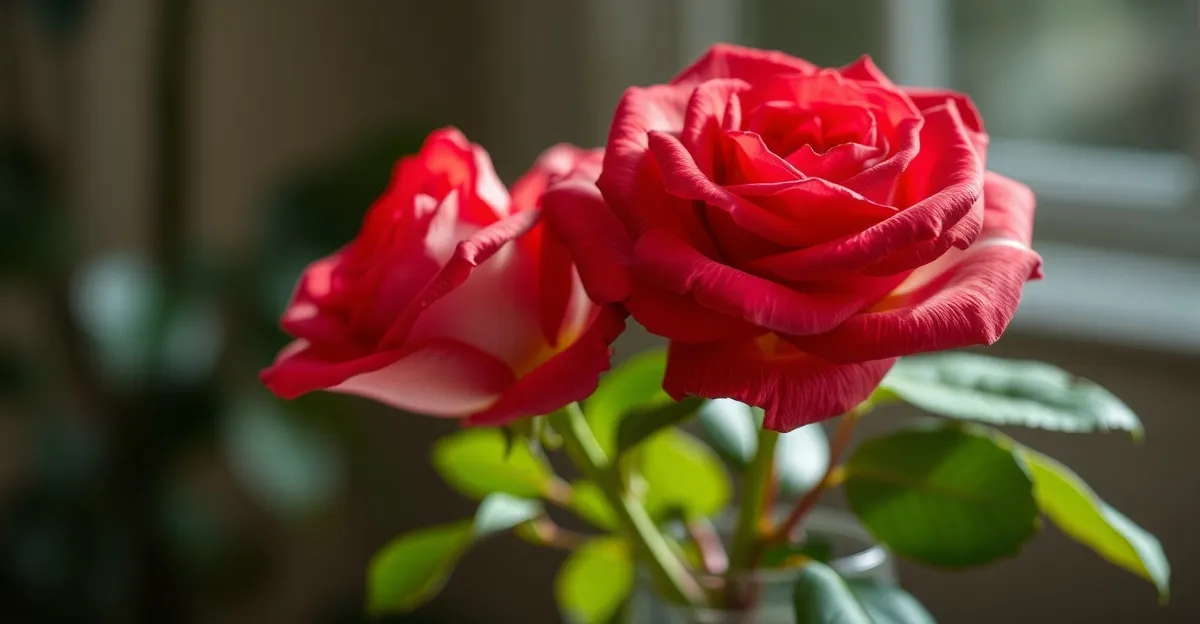
Red roses can appear in offerings associated with the south (Brahma, the creator) or in general red flower groupings. Red is one of the primary sacred colours in Balinese ceremony, associated with fire, creation, and the transformative energy of Brahma.
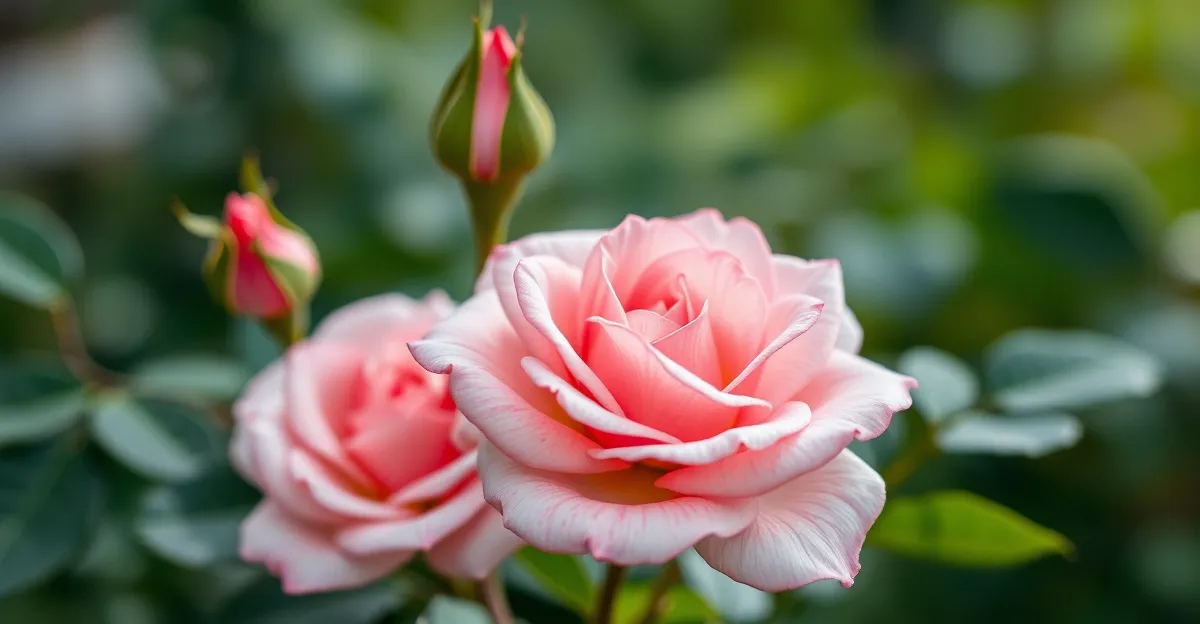
White roses may appear in offerings for the east (Iswara) when white flowers are specified. However, local white flowers — white frangipani, white flowers from the island's own flora — tend to be preferred for traditional offerings when available.
Yellow roses can substitute for yellow flower requirements in offerings associated with the west (Mahadewa), though marigolds (tagetes) are the more traditional and commonly available yellow flower.
Canang Sari: The Daily Offering
The canang sari is the foundational daily offering in Balinese Hindu life. A small basket woven from palm leaf (janur), it contains:
- A base layer of palm leaf filled with offerings
- Flowers arranged in specific directional positions
- Sometimes incense, food items, or betel nut
- Sprinkled with holy water to complete the offering
The flower placement within a canang sari is directionally specific: each quadrant of the basket receives flowers of the appropriate colour for that direction. The traditional flowers used are:
- White: white frangipani, white hibiscus, white marigold
- Red: red hibiscus, red frangipani, or red carnations
- Yellow: yellow marigold (most commonly), yellow chrysanthemum
- Blue/purple: blue flowers when available, often wild picked
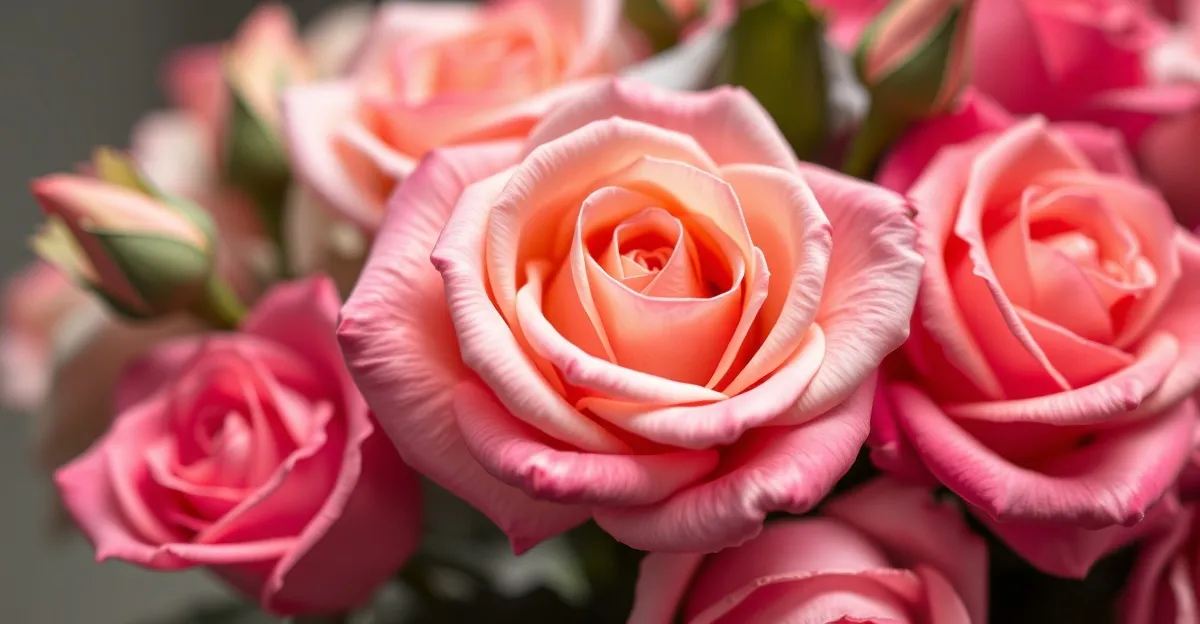
Roses can and do appear in canang sari when they're available — a red rose in the red position, a white rose in the white position. However, they're not traditional or required. Traditional Balinese offerings favoured locally-available flowers, and roses (as non-native plants) were not part of the original canon.
In contemporary Bali, particularly in tourist areas and among younger Balinese, there's more flexibility in what goes into canang sari. Roses from the flower market appear frequently in commercially-made offerings. In more traditional villages and for more significant ceremonies, local flowers remain preferred.
Temple Ceremonies and Major Offerings
Beyond the daily canang sari, Balinese ceremony encompasses an extraordinary range of occasions: Galungan and Kuningan, Saraswati (goddess of knowledge), Tumpek (ancestral sacred days), Odalan (temple anniversary), personal milestones (tooth filing ceremonies, coming-of-age rites), and the great ceremonies of the full and new moon.
For these larger ceremonies, offerings become correspondingly elaborate. Towers of fruit and flowers (gebogan or banten) are carried to temples on the heads of women. These structures may include roses alongside more traditional flowers — the colour, fragrance, and beauty of the arrangement is what carries the offering's spiritual energy, and roses contribute visually and aromatically.
The Penjor — the tall bamboo pole decorated with offerings that appears along roads and at gates during Galungan — typically uses yellow marigolds and other local flowers rather than roses, as the traditional forms are conservative. But the temple offerings placed alongside the penjor may include roses in their colour-specific positions.
Cremation Ceremonies (Ngaben)
The Ngaben — Balinese cremation ceremony — is one of the most visually spectacular in the world. For the Balinese, cremation is a joyful event: the release of the soul from the material body on its journey toward reincarnation or union with the divine.
Flowers are central to Ngaben preparations. The body is dressed and adorned with flowers. The funeral tower (wadah or bade) is decorated with elaborate flower arrangements. The cremation itself involves offerings.
In traditional Ngaben, white flowers feature prominently (white being associated with the east and with purity in Balinese cosmology). White frangipani is the quintessential Ngaben flower. White roses, being white, can appear in this context — though traditional usage favours frangipani.
This connection between white roses and Ngaben is one reason why gifting white roses casually in Balinese contexts requires cultural awareness. When not to gift rose: cultural considerations covers this in more depth from a gifting etiquette perspective.
Secular Ceremonial Events: Weddings and Life Milestones
Balinese weddings (Pawiwahan) combine Hindu religious ceremony with celebratory traditions. In contemporary Bali, particularly in more cosmopolitan areas and for wealthier families, the visual aesthetic of weddings has absorbed Western floral conventions alongside traditional ones.
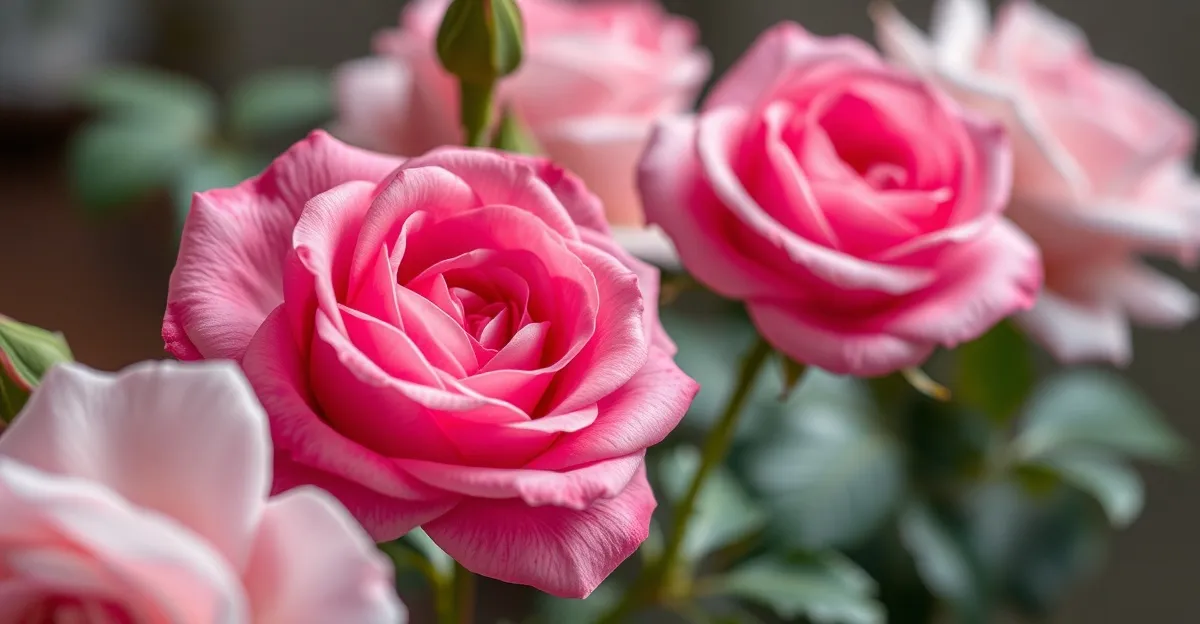
Roses appear prominently in Balinese wedding flowers — in bridal bouquets, table arrangements, and ceremony arches — particularly for weddings that blend traditional ceremony with a contemporary aesthetic. The rose's global association with romantic love translates naturally to the wedding context.
The distinction between the religious ritual portion (which uses traditional flowers and follows ceremonial convention) and the reception or celebration portion (which may use any flowers the family chooses) is important. Roses are more at home in the secular celebratory aspect than in the religious ritual itself.

The team
your florists
weekly subscription · Bali
We write about flowers because we love them. We deliver them because someone should — properly, weekly, across Bali.
— heyflowerPay once for 3, 6, or 12 months, no auto-renewal.
Roses in Balinese Beauty and Wellness Traditions
Beyond ceremony, roses have entered Bali's wellness and beauty traditions. Rose water and rose oil are used in Balinese spa treatments, body scrubs, and traditional jamu preparations (herbal health drinks). Rose petals in bath rituals — the flower bath seen at resort spas across the island — blend Western spa convention with Balinese ceremonial bathing traditions.
The loloh tradition of Balinese herbal preparation includes flowers as ingredients in some formulations, though roses are more Western ingredient than traditional Balinese one in this context.
What This Means for People in Bali Gifting Flowers
Understanding the ceremonial dimension of Bali's flower culture enriches the experience of gifting and receiving flowers here. When a Balinese person makes a canang sari each morning, they're not doing a decorative task — they're performing a spiritual practice that connects them to their community's deepest values.
Roses participate in this world in their own way. They're neither absent from Balinese ceremony nor central to it. They're welcomed as flowers with beauty and fragrance that can carry devotion, while the most traditional forms of ceremony maintain their preferences for locally-rooted flowers.
Rose in wedding bouquets: ideas, meanings, and pairings has more on roses in the contemporary Bali wedding context, which is where the ceremonial and the modern most beautifully intersect.
Frequently Asked Questions
Are roses appropriate to include in a canang sari offering?
Yes, roses can be incorporated into canang sari when available. Place them according to their colour in the appropriate directional quadrant. Red roses in the south position, white in the east position, yellow in the west position. For a traditional Balinese family making their own daily offerings, frangipani, marigold, and local flowers remain the more conventional choice, but there is no prohibition on roses.
Can I learn to make canang sari as someone visiting or living in Bali?
Yes, and it's a deeply meaningful practice for many expatriates living on the island. Canang sari workshops are offered in Ubud and in various spiritual retreat settings across Bali. Making offerings with correct directional awareness and genuine intentionality is respected by the Balinese community; making them carelessly or purely decoratively is less appropriate.
Do Balinese Hindu ceremonies have specific forbidden flowers?
Rather than forbidden flowers, there are specific flowers for specific purposes. Some flowers are considered more appropriate for particular ceremonies or deities than others. The knowledge of which flower goes where belongs to the Pemangku (temple priest) and to experienced community members. For an outsider, the most respectful approach is to either follow local guidance or use a ceremonially-appropriate flower bundle assembled by a local vendor.
How do I know whether roses are appropriate as a gift for a ceremonial occasion?
The primary variable is whether the occasion is a religious ceremony (where traditional Balinese flowers are more appropriate) or a secular celebration (where roses and modern flowers are welcome). For occasions that blend both — a traditional-modern Balinese wedding, for example — asking the family or your local contact is the most respectful approach.
What fragrance is most significant in Balinese ceremony?
Frangipani (jepun) is the most iconic ceremonial fragrance in Balinese Hinduism — it's the scent most deeply associated with temple, ceremony, and spiritual practice on the island. Its presence in any context immediately evokes the sacred. After frangipani, kenanga (cananga/ylang ylang), and the smoky fragrance of incense (dupa) are central. Rose fragrance, while appreciated, is not a traditional Balinese ceremonial fragrance.
Understanding Bali's flower traditions deepens the experience of every arrangement you give or receive here. heyflower.co brings that local knowledge to every delivery — fresh flowers across Canggu, Berawa, Seminyak, Pererenan, and Kerobokan, designed with care and cultural understanding.
More on Rose