Can Rose Grow in Bali? A Florist's Perspective
Can you grow roses in Bali? A Bali florist shares the honest reality of growing roses in the tropics — and where the island's roses actually come from.
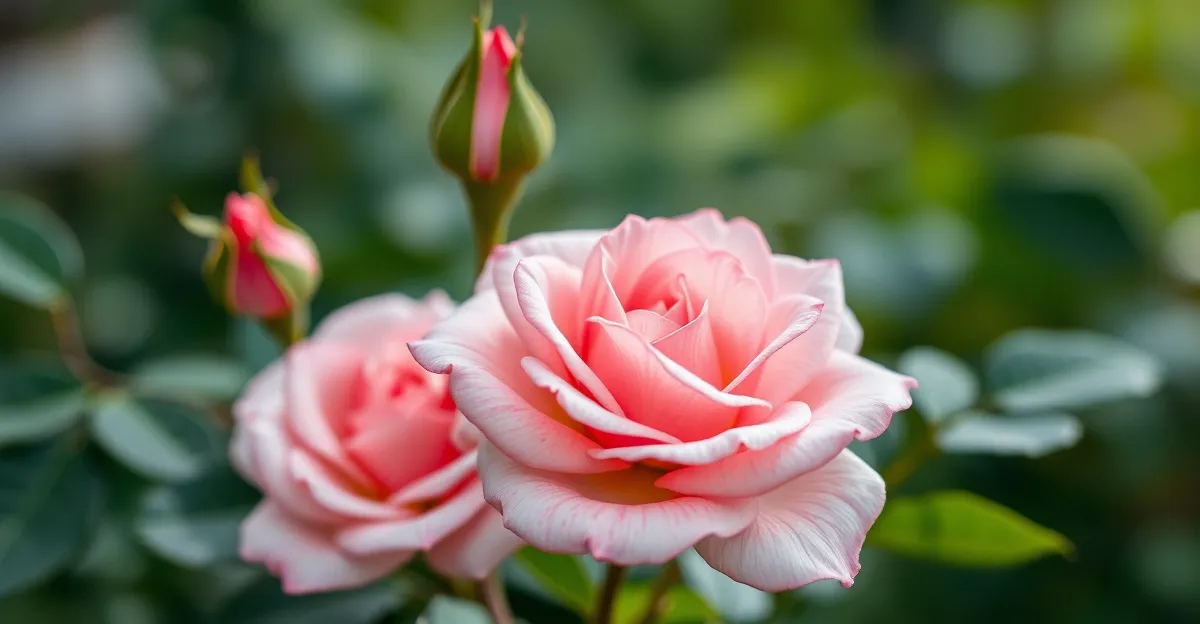
As a florist sourcing and arranging flowers in Bali daily, I get this question regularly: can roses actually grow here? The short answer is yes, with significant caveats. The longer answer is more interesting — it involves the island's geography, Indonesia's broader rose farming industry, and what this means for anyone who wants to grow roses at home or understand where their bouquet comes from.
The Challenge Roses Face in Bali's Lowlands
Roses are not tropical plants by nature. The wild ancestors of modern commercial roses — Rosa gallica, Rosa canina, Rosa damascena — evolved in temperate regions: the mountain valleys of Central Asia and Persia, the cool hillsides of Europe. These environments offered cool winters that allowed dormancy, moderate summers, and importantly, cooler nights that drive the energy accumulation roses need for vigorous blooming.
Bali's coastal and low-elevation areas (where most people live — Canggu, Seminyak, Ubud, Denpasar) average 27–32°C year-round with no meaningful cool season. In these conditions, roses do the following:
- Grow vegetatively without strong flowering cycles
- Produce some blooms, but fewer, smaller, and with shorter vase life than highland-grown examples
- Are more susceptible to fungal diseases (Bali's humidity encourages black spot and downy mildew)
- Have shorter lifespans before declining
This doesn't mean roses won't grow at sea level in Bali. Garden centres sell rose varieties that have been adapted for tropical conditions, and with dedicated attention, flowering plants can be maintained. But they won't produce the full-petalled, long-stemmed blooms you see in bouquets — those require cooler, drier growing conditions.
Where Bali's Roses Actually Come From
The roses in flower markets and florist arrangements in Bali primarily come from two sources:
Java's Highland Farms
Indonesia's own rose farming industry is centred in West Java's cool highland regions — Bandung, Lembang, and the Dieng Plateau in Central Java. At elevations of 1,000–1,800 metres above sea level, temperatures drop to 15–20°C at night, creating the conditions roses need for strong growth and quality blooms.
These farms supply a significant portion of the fresh cut roses consumed in Bali. They're transported overland across Java to Denpasar, typically arriving via overnight truck to be at market fresh in the morning. Transit time from highland farm to Bali market is approximately 12–18 hours.
Quality ranges widely. The best Java highland roses rival imports for their petal quality and vase life. More basic market roses are serviceable but won't last as long as premium specimens.
Imported Roses from Kenya and the Netherlands
The premium tier of the Bali rose market consists of imported flowers from East Africa (primarily Kenya and Ethiopia) and occasionally from Dutch wholesalers. These roses are grown at high altitude on large, sophisticated commercial farms, cold-chain transported to airports, and flown to Denpasar.
Kenya roses are the gold standard for commercial cut rose production globally. Grown at 1,800–2,200 metres in the Rift Valley, they benefit from intense equatorial sunlight, consistent temperatures, fertile volcanic soils, and world-class growing technology. The vase life of Kenyan roses is exceptional — typically 10–14 days with proper care.
The trade-off is price. Imported roses cost more in Bali than Java highland roses, reflecting the cold chain, air freight, and premium growing standards.
Can You Grow Roses Yourself in Bali?
For the home gardener in Bali, here's the practical reality:
What's Possible in Bali's Lowlands
Several rose varieties have been bred specifically for tropical and subtropical conditions. The most suitable for low-elevation Bali include:
Knock Out series: Developed for heat tolerance and disease resistance. Produces clusters of smaller blooms in continuous cycles. Not the large-petalled garden rose aesthetic, but genuinely adaptable.
Miniature roses: Smaller plants with smaller blooms, but often more adaptable to tropical conditions than full-size varieties.
Old-fashioned species roses: Some of the older, less-bred varieties are surprisingly adaptable. Rosa chinensis (the China rose) is actually one of the primary parents of modern roses and tolerates warm conditions better than many contemporary hybrids.
Locally adapted varieties: Ask at Balinese plant nurseries for rose varieties they've observed performing well locally. Nurseries in Denpasar and near the Bedugul area tend to carry varieties suited to the Indonesian climate.
Growing Tips for Bali Conditions
If you want to try roses in your Bali garden:
Choose the right location: A position with morning sun (east-facing) and afternoon shade, where temperatures stay slightly cooler. Avoid full exposure to Bali's afternoon sun, which is intense enough to stress rose plants.
Drainage above all: Roses hate wet feet. In Bali's clay-heavy lowland soils, raised beds with excellent drainage are almost essential. Mix in generous quantities of coarse sand and organic matter.
Fungal prevention: Bali's humidity encourages black spot and powdery mildew. Improve air circulation around plants (don't plant too densely), water at the base rather than overhead, and be prepared to apply fungicide during the wet season.
Regular feeding: High humidity and rainfall leach nutrients quickly from Bali's soil. Feeding with a balanced rose fertiliser (potassium-rich for flowering) every four to six weeks keeps plants performing.
Pruning for tropical conditions: Rather than the hard winter pruning of temperate rose growing, tropical rose management involves lighter, more frequent pruning to encourage regular flush cycles and manage disease.
Bali's Highlands: A Different Story
If you happen to have a property or garden in Bali's cooler highland areas — Kintamani, Bedugul, or the areas around Munduk — the story changes significantly. At elevations above 800–1,000 metres, temperatures drop to 15–20°C at night. Roses grow with genuine vigour here, producing larger blooms with longer vase life.
Some of Bali's most beautiful private highland gardens include thriving rose collections. If highland growing is your context, nearly all varieties will perform better than the lowland cases, and you can aspire to the kind of rose garden that wouldn't look out of place in England or France.

The team
your florists
weekly subscription · Bali
We write about flowers because we love them. We deliver them because someone should — properly, weekly, across Bali.
— heyflowerPay once for 3, 6, or 12 months, no auto-renewal.
What This Means for Flower Buyers
Understanding where Bali's roses come from helps you make better purchasing decisions.
When a florist uses "local roses," ask whether they mean Java highland or low-elevation — the difference in quality and vase life is significant. Premium florists who source specifically from highland Java farms or import from Kenya are investing in better product quality that translates directly to better vase life for you.
The best florists maintain direct relationships with their highland farm suppliers or import partners, ensuring consistent quality rather than purchasing opportunistically from whatever's at market.
Rose vase life in the tropics: how long do they last? gives specific longevity timelines by rose source — useful for understanding what you're getting from different quality tiers.
Caring for Garden Roses in Bali
If you're growing roses at home in Bali and cutting them for vases, the care principles are the same as for commercially-grown roses — but with the added consideration that homegrown roses from tropical conditions may have inherently shorter vase life than commercially-produced alternatives.
Cut in the early morning when stems are most hydrated. Use sharp, clean secateurs. Cut the stem at a 45-degree angle, below a leaf node to encourage branching and further blooming. Get the stem into water immediately.
How to care for rose in Bali's humid climate covers the full vase care routine for keeping any cut roses as fresh as possible in Bali's conditions.
Frequently Asked Questions
Is it worth buying rose plants for a Bali garden?
For a committed gardener who enjoys the challenge, yes. Roses can be grown successfully in Bali with the right variety selection and consistent care, though they require more attention than in temperate climates. For someone who wants low-maintenance garden colour, there are tropical flowering plants that perform more easily in Bali's conditions (ixora, bougainvillea, heliconia).
Why do my purchased roses die much faster than the ones I see at resorts and hotels?
Premium hospitality establishments typically source imported roses from Kenya or Colombia, which have significantly better vase life than budget market roses. They also have staff who maintain flowers with proper care. Both the quality of the source material and the care routine make the difference you're observing.
Can I grow hybrid tea roses in Bali?
Hybrid tea roses — the classic large-headed varieties — are the most demanding group for tropical growing. They perform poorly at sea level but can do reasonably well in Bali's highlands. For lowland gardens, floribunda and shrub rose varieties that have been bred for toughness and disease resistance are more realistic.
Where can I buy rose plants in Bali?
Plant nurseries in the Denpasar area (particularly around Sanur and the road toward Bedugul) carry rose plants adapted for Indonesian conditions. The Bedugul Botanical Garden area also has nurseries selling highland-adapted varieties. Ask nursery staff specifically which varieties have performed well in the local conditions — their empirical knowledge is worth more than any generic advice.
Do wild roses grow anywhere in Indonesia?
Yes, but not in Bali specifically. Rosa canina and other wild rose species grow in cooler mountain environments elsewhere in the Indonesian archipelago. Bali's native flora doesn't include wild roses — the roses present on the island have all been introduced through cultivation.
Whether you're growing your own or ordering beautifully arranged roses for your home, Bali's rose story is worth knowing. heyflower.co sources premium roses for deliveries across Canggu, Berawa, Seminyak, Kerobokan, and Pererenan — so you always get the best the market offers.
More on Rose