When Not to Gift Rose: Cultural Considerations
Roses are universally loved, but some cultural contexts call for a different choice. Here's what to know before gifting roses in Bali and across Asia.
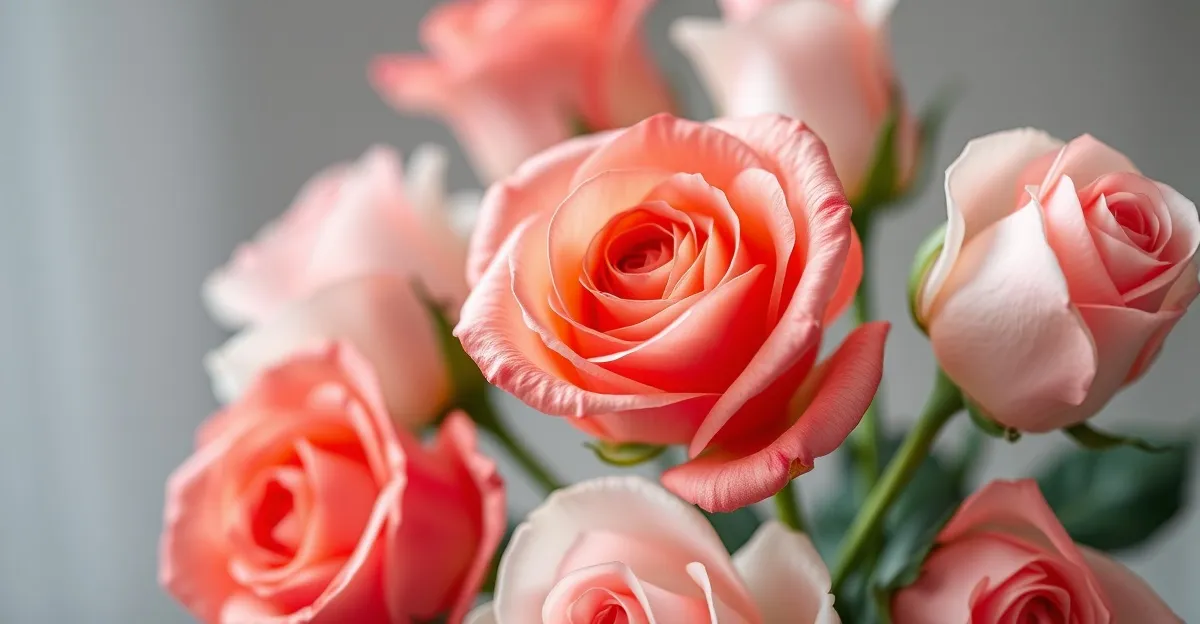
Most of the time, roses are a safe, beautiful choice for gifting. But there are contexts — cultural, religious, social — where a different flower communicates better or where roses carry unintended associations. For anyone living in Bali or gifting across Asian cultural contexts, understanding these nuances prevents well-intentioned gestures from missing the mark.
This isn't about rose avoidance. It's about gifting with intelligence — knowing when roses are exactly right and when another choice might serve the moment better.
The Cultural Landscape of Flower Gifting in Bali
Bali is a genuinely multicultural place. The island's own Balinese Hindu tradition has deep and specific relationships with flowers. The substantial expat community brings Western gifting conventions. The tourism industry has created a cosmopolitan layer that blends conventions from everywhere. And Bali sits within Indonesia, which has significant Muslim, Chinese, and Javanese cultural influences.
Navigating flower gifting in this context requires some cultural awareness. The good news is that roses are broadly well-regarded across most of these cultures. The nuances are in specific contexts and occasions rather than in wholesale avoidance.
When White Roses Require Thought
The most important cultural consideration around roses in Bali concerns white flowers. In Balinese Hindu ceremony, white is one of the directional colours (for the east, associated with Iswara). But more broadly in Southeast Asian and East Asian cultural contexts, white flowers are strongly associated with mourning, funerals, and death.
This means:
-
At a Balinese family celebration: White roses as a casual gift may be uncomfortable if the family is traditional and views white flowers primarily through a ceremonial lens. This is not universal — many Balinese people working in the hospitality industry are entirely comfortable with white roses in the Western gifting context — but it's worth being aware of.
-
At a Chinese Indonesian celebration: Chinese Indonesian families — a significant community in Bali and across Indonesia — traditionally avoid white flowers for joyful occasions. White flowers at a wedding, a new baby celebration, or a birthday could cause genuine discomfort. Opt for red, pink, or yellow roses in these contexts.
-
For a housewarming: In traditional Asian household contexts, white flowers for a housewarming carry funerary associations. Warm colours — red, pink, peach, yellow — communicate the intended celebratory message more clearly.
The practical rule: save white roses for occasions where you know the recipient is comfortable with them in a non-ceremonial context, or for expat and internationally-minded recipients where Western gifting conventions are understood and expected.
Yellow Roses in Older Traditions
In some Western traditions — primarily older European conventions — yellow roses once signified jealousy, infidelity, or the end of a relationship. This association is largely historical and has faded significantly in contemporary culture. In most modern contexts, yellow roses mean friendship and joy.
However, if you're gifting to someone from an older generation who might carry this association, awareness is worthwhile. A pale yellow or champagne rose, or yellow mixed with pink, carries less risk of being misread than a purely yellow bouquet in these contexts.
In Indonesian and Balinese cultural contexts, yellow doesn't carry the same historical baggage. Yellow flowers (marigolds in particular) are actively positive in Balinese ceremony.
Roses as Religious Offerings vs. Gifts
In Bali's Balinese Hindu tradition, flowers are used daily in canang sari offerings and in temple ceremonies. These offerings have specific composition conventions — particular flowers for particular purposes, specific colours for directional deities. Roses can appear in offerings, but their incorporation is within the context of what the offering requires, not Western gifting symbolism.
If you're giving flowers to a Balinese family in a context connected to religious ceremony, the most respectful approach is to ask what would be appropriate rather than defaulting to Western gifting conventions. Or bring food, which is a universally appreciated gesture, alongside a small flower offering appropriate to the context.
For secular gifting within the Balinese community — a birthday among friends, a thank-you for hospitality, a get-well gesture — Western gifting conventions (including roses) are generally understood and appreciated, particularly among urban and hospitality-connected Balinese.
The Muslim Context in Indonesia
Bali is an island within Indonesia, a predominantly Muslim nation. Lombok, Flores, and most of Java's urban centres have large Muslim populations. If you're gifting to Muslim Indonesian colleagues, friends, or business partners:
Roses are not specifically problematic in Islamic tradition. Flowers in general are appreciated as a symbol of care. The considerations are more social and practical than religious:
- Red roses carry a romantic connotation that might not be appropriate in professional contexts (this applies in any culture, but particularly in more conservative social settings)
- Keep gifting gestures modest in scale for professional contexts
For celebratory occasions in Muslim Indonesian contexts — a wedding, a birth, an Eid gathering — flowers in warm, joyful colours (pink, yellow, orange) are appropriate. White should be avoided at joyful occasions for the same reasons as Chinese Indonesian contexts.
When Roses Feel Too Formal
There's also a softer consideration that doesn't involve cultural prohibition: roses can feel too formal or too weighted for some casual occasions. This is more about reading the room than cultural rules.
A casually-gifted bunch of wildflowers, tropical stems, or a cheerful seasonal mix can communicate warmth and personal thought in ways that a formal rose bouquet doesn't always manage for:
- Very casual gatherings among close friends
- Children's birthdays
- Informal thank-you gestures
- Spontaneous "thinking of you" moments
The formality of roses — their weight of symbolism, their association with significant occasions — means they can sometimes over-declare the gesture. For these moments, a more informal bunch of mixed flowers can actually communicate more warmth because it feels less staged.
Condolence Flowers in Balinese Contexts
When someone passes away in the Balinese community, the ceremony and offerings surrounding the cremation are specific and detailed. Bringing flowers to a bereaved Balinese family requires more cultural knowledge than Western condolence conventions. The flowers that are appropriate in a Ngaben (cremation ceremony) context are different from what you'd bring to a Western funeral.
If you want to offer sympathy flowers to a Balinese family following a death, asking someone with knowledge of the family's customs — or a trusted local friend — is the most respectful approach. Arriving with Western white roses might be received warmly by families comfortable with dual cultural conventions; for more traditional families, it might create confusion or discomfort.
For the expat community and international visitors sending condolences, white roses with soft green foliage are appropriate and will be understood within the Western convention.

The team
your florists
weekly subscription · Bali
We write about flowers because we love them. We deliver them because someone should — properly, weekly, across Bali.
— heyflowerPay once for 3, 6, or 12 months, no auto-renewal.
Professionally: When Red Roses Send the Wrong Signal
This is less cultural and more universal: in most professional contexts, red roses carry a romantic connotation that creates ambiguity and potential discomfort. Whether you're gifting to a business associate, a client, a colleague, or anyone where your relationship is professional, red roses require careful thought.
The safer professional choices are: cream roses, peach roses, mixed pink and white arrangements, or non-rose alternatives entirely. The gesture communicates care and appreciation without the romantic signal that red roses carry.
Rose colors and what each one symbolises gives a full breakdown of colour meanings to help navigate professional gifting choices.
What to Gift Instead of Roses in Sensitive Contexts
When context suggests roses might not be the right choice, there are excellent alternatives:
For Balinese families in ceremonial contexts: Marigolds, frangipani, or a pre-assembled offering (canang sari) show cultural awareness and genuine thought. A reputable florist can help you source an appropriate offering.
For Chinese Indonesian joyful occasions: Red or vibrant pink arrangements, orchids (long-lived and auspicious in Chinese tradition), or chrysanthemums in warm colours.
For professional gifting: Orchid plants (long-lasting, elegant, appropriate), succulent arrangements (lasting gift), or a mixed tropical arrangement without dominant red roses.
For informal, casual gifting: Seasonal mixed bouquets, tropical stems, or simply asking your florist for "something warm and cheerful" rather than something formal.
Frequently Asked Questions
Is it offensive to give roses to a Balinese person?
Generally no — roses are widely appreciated in Bali's modern, cosmopolitan context. The specific concerns are around white roses in traditional cultural contexts and red roses for professional or formal-but-non-romantic occasions. For a close Balinese friend in an informal context, warm-coloured roses (pink, peach, yellow) are a lovely gesture.
Can I gift red roses to a business contact in Indonesia?
Approach with caution. Red roses have a romantic connotation that can create awkwardness in professional relationships, particularly across cultures where professional and personal boundaries are carefully maintained. Cream, peach, or mixed pink roses in a professional presentation communicate warmth and appreciation without romantic implication.
Are there any Balinese flowers that should never be given as a casual gift?
In Balinese Hinduism, the flowers used in specific ceremonies (particularly cremation) carry strong ceremonial associations. These are primarily specific combinations of flowers used in ritual context rather than individual species that should never be gifted. The safest approach is to avoid reproducing the exact look of a temple offering for a secular gift — a conventional bouquet won't create this confusion.
I'm attending a Galungan ceremony and want to bring flowers. What's appropriate?
During Galungan, the most traditional and appreciated floral gesture is contributing to the ceremony's decorations — which typically involve marigolds, frangipani, and the components of penjor (bamboo poles). Bringing these materials rather than a Western bouquet shows cultural engagement. Ask your Balinese host what would be most helpful or meaningful to contribute.
What if I'm genuinely unsure whether roses are appropriate?
When in doubt, ask your florist. A good florist in Bali understands the cultural nuances of their community and can guide you to the right choice for a specific occasion and recipient. They'd rather spend two minutes helping you choose correctly than have a well-meant gesture land awkwardly.
When you're confident about the occasion and the recipient, we're here to help you choose the perfect flowers. heyflower.co has deep roots in Bali's gifting culture and can guide you through any occasion — deliver to Canggu, Berawa, Seminyak, Pererenan, and Kerobokan with care.
More on Rose