Ranunculus Vase Life in the Tropics: How Long Do They Last?
How long does ranunculus last in a vase in Bali's tropical climate? Here's the honest answer, with tips to maximise every day of their remarkable bloom.
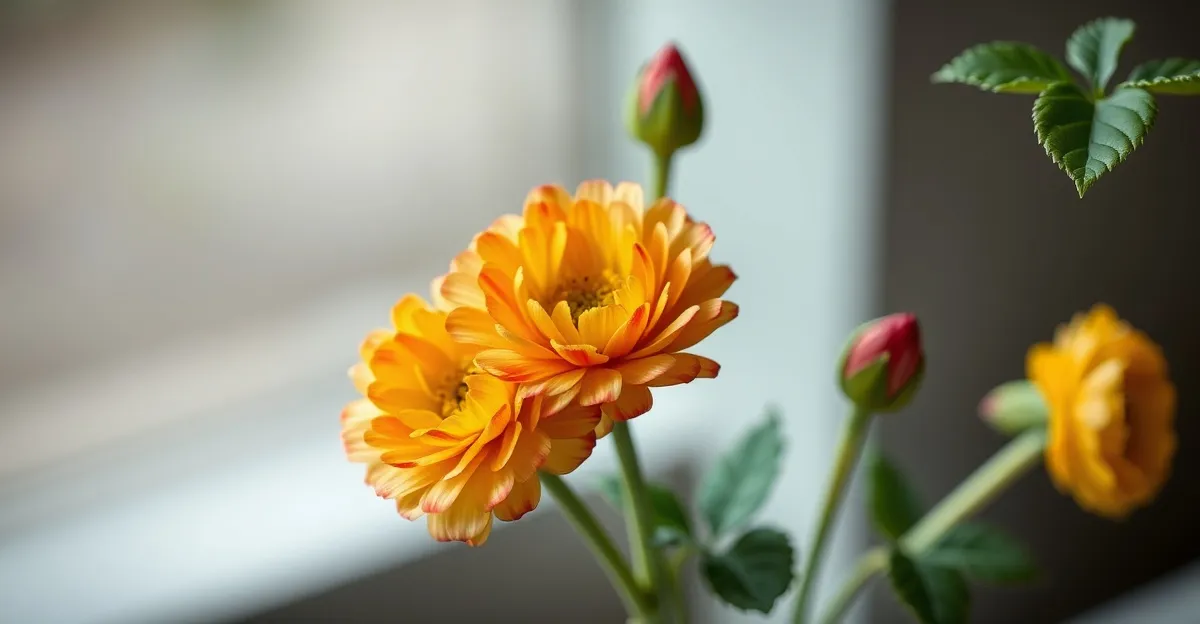
When a friend in Amsterdam says her ranunculus lasted two weeks in the vase, and yours in Canggu faded by day six, it can feel like you're doing something wrong. You're not. You're in Bali. The same climate that makes this island extraordinary for human living puts specific pressures on cut flowers — and understanding those pressures is how you make the most of the flowers you bring home.
The good news: ranunculus is one of the more resilient cut flowers available in Bali. With proper care in an air-conditioned interior, you can realistically expect 7–10 days of genuine beauty. That's competitive with most flowers in this climate and better than many. Here's everything you need to know about why ranunculus lasts the way it does in tropical conditions, and what makes the difference between a four-day disappointment and a ten-day delight.
The Baseline: What to Expect
In temperate climates with professional care, ranunculus typically lasts 10–14 days as a cut flower. In Bali:
- With air conditioning and daily care: 7–10 days
- Without air conditioning, in a ventilated shaded room: 4–6 days
- In direct heat or outdoor conditions: 2–4 days
These ranges represent what you should realistically expect rather than the best possible scenario. The single biggest variable is air conditioning — the difference between a 25°C air-conditioned room and a 32°C open-air sitting room is approximately halved vase life.
Why Heat Is the Main Enemy
Ranunculus originates from temperate Mediterranean and Central Asian regions. As a cut flower, it continues to respire (consume energy and release water) at a rate that increases significantly with temperature. In Bali's heat:
- Cellular respiration accelerates: The flower uses up its energy reserves faster.
- Transpiration increases: The flower loses water through its petals faster than it can absorb it through the stem.
- Bacterial growth in vase water speeds up: Bacteria that block stem vascular tissue multiply much faster in warm water, cutting off the flower's ability to hydrate at all.
The combined effect of these three factors is that ranunculus in uncooled tropical conditions behaves as though it's aging in fast-forward.
Day-by-Day Timeline in Bali
For a well-cared-for ranunculus arrangement in an air-conditioned Bali interior:
Day 1: Stems placed in fresh water. If buds, they begin to open. If already open at purchase, flowers are at initial peak. Water looks clear.
Day 2: Buds open further. Open flowers show their full layered glory. The arrangement is at its most dynamic. Recut stems, change water.
Day 3–4: All buds are fully open. This is typically the arrangement's most spectacular phase — all petals fully extended, colours at maximum saturation. Change water daily.
Day 5–6: Petals begin to feel very slightly papery at edges. The arrangement is still beautiful but showing its age. Some petals may begin to loosen. Continue daily water changes.
Day 7–8: Some blooms may drop outer petals. The arrangement still has significant beauty but is clearly in its final phase. The remaining tighter blooms look fresh while the more open flowers show age.
Day 9–10: End of realistic display life. Individual stems may vary — some still beautiful, some fully spent. Time to refresh with new flowers.
The Most Effective Care Practices in Bali's Climate
Air Conditioning
As noted above, this is the single biggest factor. If you have air conditioning, use it. A 22–25°C interior essentially extends ranunculus life by 30–50% compared to Bali's ambient outdoor temperatures. The flowers don't need to be in a refrigerator — room temperature with air conditioning is sufficient.
Daily Water Changes
This bears repeating because it's genuinely important in tropical conditions. Bacteria multiply in warm vase water within 24 hours, and once bacterial colonies build up, they block stem vascular tissue. Changing the water daily removes these bacteria before they can cause damage. Each time you change the water, also recut stems by a few millimetres to expose fresh vascular tissue.
Stem Recutting on Arrival
When your ranunculus first arrives, the stem ends may have air locks or bacterial blockages from transit. Recut all stems at a 45-degree angle under running water, immediately place in fresh water. This single action at the beginning can add one to two days to overall vase life.
Remove Submerged Foliage Immediately
Any leaves sitting below the waterline will begin to rot within 24–36 hours in Bali's temperatures. Rotting foliage dramatically accelerates bacterial growth in the water. Strip all leaves that will sit below the waterline before placing stems in the vase.
Flower Food and pH Management
Commercial flower food sachets (usually included with florist flowers) contain three active components: sugar (nutrition), an acidifier (to maintain the slightly acidic pH that optimises stem uptake), and a biocide (to slow bacterial growth). In Bali's heat, the biocide component is especially valuable. Use flower food if you have it.
A functional DIY alternative: one teaspoon of apple cider vinegar plus half a teaspoon of sugar per litre of water. The vinegar acidifies and slows bacteria; the sugar provides nutrition.
Comparing Ranunculus to Other Flowers in Bali's Climate
| Flower | Air-Conditioned Vase Life in Bali | | ------------------- | --------------------------------- | | Ranunculus | 7–10 days | | Orchid (dendrobium) | 10–14 days | | Anthurium | 14–21 days | | Bird of paradise | 7–14 days | | Garden rose | 5–8 days | | Lily | 5–8 days | | Hibiscus | 3–5 days (arrangement) | | Frangipani (cut) | 1–3 days |
Ranunculus competes well in this comparison. It lasts longer than roses and lilies under similar conditions, while orchids and anthuriums outlast it — as tropical species acclimatised to Bali's conditions.
What to Do When Ranunculus Wilts Earlier Than Expected
If your ranunculus wilts significantly before the expected timeline, troubleshoot in this order:
- Check the water temperature: Is the vase sitting in direct sun or near a heat source? Move to a cooler location.
- Recut stems under running water: Sometimes air locks develop after initial placement. Recutting and changing water can revive a wilting arrangement.
- Check for bacterial smell in the water: Cloudy or malodorous water indicates bacterial growth. Change water, clean the vase, recut stems.
- Check foliage: Any leaves below the waterline will be accelerating bacterial growth. Remove them.
- Consider flower age: Ranunculus that was in the supply chain for several days before reaching you will have shortened vase life. Ask your florist about sourcing frequency.

The team
your florists
weekly subscription · Bali
We write about flowers because we love them. We deliver them because someone should — properly, weekly, across Bali.
— heyflowerPay once for 3, 6, or 12 months, no auto-renewal.
The Refrigerator Trick
For extending life during particularly hot periods (Bali's dry season, when temperatures peak around 33–35°C), placing your ranunculus arrangement in the refrigerator overnight can meaningfully extend its life. The flower benefits from the reduced respiration rate in cool conditions.
A few cautions: don't store near ethylene-producing fruit (apples, pears, bananas); ensure the fridge is not too cold (below 5°C can damage tropical-adapted flowers, though ranunculus as a temperate species handles cool temperatures better than most Bali flowers); and remove any strong-smelling food items that might transfer odour to the petals.
Frequently Asked Questions
Why do ranunculus buds sometimes not open in Bali?
Very tight buds cut before reaching a mature stage may not open as cut flowers. This can happen when flowers are harvested early for transport. If a bud looks plump and coloured but won't open, try placing the stem in slightly warm water (not hot) and moving the arrangement to a brighter location. Very hard, fully green buds simply won't develop further once cut.
Does the colour of ranunculus affect how long it lasts?
Not meaningfully. Vase life is determined by the flower's condition, care environment, and care practices rather than colour. Darker colours (burgundy, deep red) may appear to fade faster because the contrast is more visible as they lighten — but the actual structural vase life is similar across colours.
Can I revive wilted ranunculus with warm water?
Yes — a two-hour soak in slightly warm water (not hot) can sometimes revive moderately wilted ranunculus. Cut stems under warm running water, place in warm water up to the flower necks (not completely submerging them), and leave in a cool location for a couple of hours. This works best for flowers that wilted due to hydration issues rather than age.
Should I mist ranunculus to keep them fresh?
Light misting of petals in the morning can help in dry air-conditioned environments. Be conservative — excessive moisture on petals in humid conditions can create conditions for botrytis (grey mould). A fine, light mist once daily is sufficient if desired.
Is ranunculus from Bali florists as fresh as elsewhere?
Quality varies significantly. Ranunculus imported into Bali has already been in transit from highland Java or overseas — the total time from farm to arrangement may be 3–7 days. Florists with well-managed supply chains and high turnover will have fresher stock. Heyflower.co works with reliable suppliers to minimise supply chain time, maximising the vase life you receive.
Make Every Day Count
Ranunculus in Bali, cared for well, is a genuine luxury that lasts. Seven to ten days of those extraordinary layered blooms in your space is worth every rupiah. The difference between a beautiful experience and a disappointing one is almost entirely in the care habits described here — cool placement, daily water changes, fresh stem cuts, and clean vases.
At heyflower.co, we source ranunculus with freshness as a priority and include care instructions with every arrangement. Explore our seasonal collections and flower subscriptions — or read more about caring for premium imported flowers in our guide to how to care for ranunculus in Bali's humid climate for the complete picture.
More on Ranunculus