Can Ranunculus Grow in Bali? A Florist's Perspective
The honest florist's answer to whether ranunculus can grow in Bali's tropical climate — and what that means for sourcing, availability, and freshness.
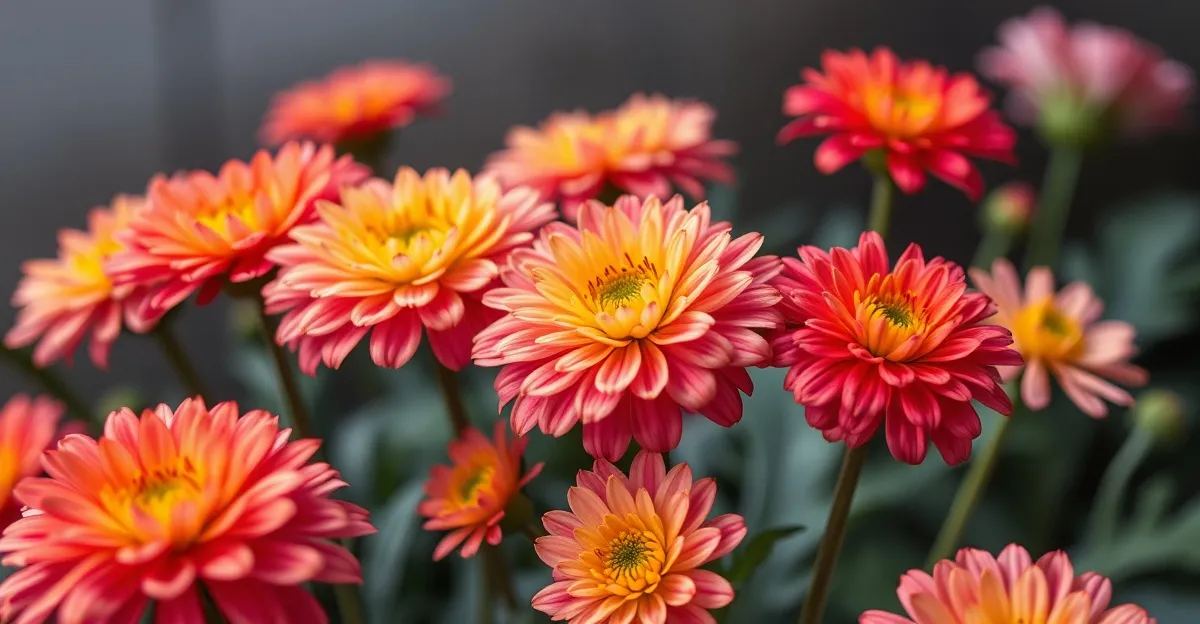
This question comes up often in our studio, and the honest answer is: it depends on where in Bali you're asking about, and how much effort you're willing to put in. Ranunculus is not a natural fit for Bali's lowland tropical climate — it's a cool-season plant from the Mediterranean and temperate Asia, and it has genuine preferences that the Canggu coast doesn't easily satisfy. But Bali is more than its coastline, and the island has a mountainous interior where conditions change significantly.
Here's the full picture from a florist's perspective, including what this means for those of us who love ranunculus and want to source it in Bali.
Ranunculus's Natural Growing Conditions
Ranunculus asiaticus — the species most commonly grown for cut flowers — originates from the eastern Mediterranean region: Turkey, Israel, and surrounding areas. It's adapted to a climate characterised by:
- Cool winters: Growing season temperatures of 7–15°C (optimal), with active dormancy over summer
- Moderate rainfall during growing season: Consistent moisture without waterlogging
- Well-draining, fertile soil: Often alkaline or neutral pH
- Bright sunlight: During the cool growing season when temperatures are manageable
None of these conditions describe coastal Bali, where year-round temperatures average 27–33°C and the combination of heat and humidity would typically cause ranunculus to either go dormant, rot in the soil, or simply struggle to survive.
What Happens When You Try to Grow Ranunculus in Coastal Bali
We've seen guests and residents attempt ranunculus gardens in Canggu, Seminyak, and Kuta with varying results. The consistent pattern:
- Corms planted during wet season: Struggle with soil saturation and excessive heat; rarely sprout successfully
- Corms planted at the start of dry season: Sometimes show green growth but rarely flower before heat stress causes collapse
- Container growing with careful management: More successful, with some specimens producing flowers, but requiring intensive cooling (shade cloth, strategic positioning, controlled watering) that makes it a labour of love rather than a garden pleasure
For most coastal Bali gardeners, ranunculus growing is a project for the enthusiast rather than a reliable garden flower. The results rarely justify the effort when alternatives like hibiscus, frangipani, and tropical blooms grow abundantly with minimal attention.
The Exception: Bali's Highlands
Here, the story changes meaningfully. Bali's mountainous interior — particularly the areas around Bedugul (Lake Beratan), Kintamani (around Batur), and Penelokan — reaches elevations of 1,000–1,700 metres above sea level. Temperatures at these elevations average:
- Daytime: 18–25°C
- Nighttime: 12–17°C
These are genuinely ranunculus-friendly conditions. The cooler nights, lower temperatures, and reduced humidity at altitude create an environment where temperate flowers that struggle on the coast can thrive.
The Bedugul area is already Bali's primary horticultural region — commercial strawberry growing, highland vegetables, and ornamental flowers including roses, carnations, and chrysanthemums are established industries here. It's entirely plausible that ranunculus could be cultivated successfully in the Bedugul region with appropriate variety selection and growing practices.
We're not aware of large-scale commercial ranunculus production in Bali's highlands currently, but small-scale experimental growing has been successful. As market demand for premium imported flowers increases among Bali's international community, highland cultivation of temperate flowers like ranunculus represents a genuine opportunity for local growers.
How Ranunculus Reaches Bali Florists
Currently, most ranunculus available in Bali arrives through one of two routes:
1. Java Highlands
The primary source for imported flowers entering Bali is the highland growing regions of West Java, particularly around Lembang (near Bandung) and Cisarua. These areas have an established cut-flower industry producing roses, carnations, chrysanthemums, and some temperate flowers including lisianthus, stock, and occasionally ranunculus.
Flowers from Java typically travel by road to a Jakarta packing facility, then by air or fast ferry to Denpasar, then to wholesale flower markets (primarily Pasar Kumbasari in central Denpasar) and then to florists. Total transit time from farm to Bali florist: typically 2–5 days.
2. International Imports
Premium or specific-variety ranunculus may arrive via international imports, primarily from the Netherlands (which has a massive global cut-flower export industry) or from Australia or New Zealand. These flowers travel by air freight via Singapore or Jakarta and carry a cost premium reflecting shipping costs.
International ranunculus arrives in better variety but at higher cost — typically 30–50% more expensive than Java-sourced alternatives when it reaches Bali.
What This Means for You as a Buyer
Understanding ranunculus sourcing in Bali has practical implications:
Seasonality
Ranunculus is most readily available in Bali between approximately April and September. During this period, Java-grown ranunculus supplies are strongest, and international supplies are most reliable. Availability decreases from October through March, and prices typically increase for what's available.
During peak festive periods (Lebaran, Christmas, Valentine's Day), prices spike and availability tightens across all premium flowers including ranunculus. Ordering well in advance for these periods is strongly recommended.
Freshness and Shelf Life
Ranunculus that has spent 5+ days in a supply chain before reaching you will have significantly shorter vase life than flower harvested 1–2 days prior. The freshness question is one worth asking your florist directly: when was this stock sourced?
At heyflower.co, we track supply chain timing as a direct input to arrangement quality. We source from suppliers with reliable, well-managed logistics and don't hold ranunculus longer than necessary before arrangement.
Price
Expect ranunculus to cost more than locally grown tropical flowers in Bali. A stem of ranunculus typically costs two to four times more than a local chrysanthemum or hibiscus stem at wholesale, and this price difference flows through to arrangement costs. This premium is justified by ranunculus's extraordinary visual quality and reasonable vase life, but it's worth factoring into gifting budgets.

The team
your florists
weekly subscription · Bali
We write about flowers because we love them. We deliver them because someone should — properly, weekly, across Bali.
— heyflowerPay once for 3, 6, or 12 months, no auto-renewal.
The Future of Local Ranunculus Growing in Bali
The global cut-flower industry is under increasing pressure to shorten supply chains, reduce air freight carbon emissions, and increase local economic benefit. This creates both pressure and opportunity for Bali's flower industry.
If local highland growers in Bedugul or similar areas were to develop ranunculus cultivation at commercial scale, it would bring:
- Shorter supply chains and fresher flowers for Bali buyers
- Lower prices as transport costs reduce
- Economic benefit for highland communities
- Reduced environmental impact from air freight
This isn't yet happening at scale, but the conditions in Bali's highlands make it technically feasible. We follow developments in local highland growing with genuine interest.
Frequently Asked Questions
Can I grow ranunculus in a pot on my Bali villa balcony?
In lowland coastal Bali, this is very challenging. The combination of heat and humidity makes it difficult to maintain the cool, well-drained conditions ranunculus needs. If your balcony gets significant morning sun but is shaded from afternoon heat, and you're committed to careful watering management, some success is possible — but it's not the low-maintenance growing experience that hibiscus or frangipani provides.
Where is the best place in Bali to try growing ranunculus?
Any location at elevation above 800 metres — Ubud (at around 300m, still marginal but better than the coast), Kintamani, Bedugul, or the Munduk area in north Bali (around 1,000m+). The higher the elevation, the more viable ranunculus becomes as a garden plant.
Why does ranunculus at Bali florists sometimes look a bit tired?
This typically reflects supply chain age rather than poor quality sourcing. Ranunculus that has been in transit and wholesale storage for 4–5 days before reaching the florist is already significantly older than its temperate-market equivalent. The best Bali florists manage this by sourcing frequently and not holding stock.
Is ranunculus available year-round from Bali florists?
Not reliably at all florists. Availability is strongest April through September. Well-connected florists with strong supply chain relationships (including international sources) can usually source ranunculus year-round but with more variation in variety and price outside peak season.
Does Bali have any locally grown ranunculus?
To our knowledge, no commercial-scale local production currently exists. Some experimental growing in highland areas by hobbyists and small-scale growers has been successful, but it hasn't reached commercial scale. As the premium flower market in Bali grows, this may change.
Ranunculus in Bali: Extraordinary and Worth the Effort
Ranunculus doesn't grow abundantly or easily in Bali's lowland climate — but that doesn't diminish its beauty or appropriateness as a premium gifting flower here. Like imported fine wine or quality cheese in a tropical setting, it's something that requires a well-managed supply chain, careful handling, and genuine appreciation for what makes it special.
At heyflower.co, we put genuine care into how we source and manage ranunculus so you receive it at its best. Explore our seasonal arrangements or set up a flower subscription for regular deliveries of premium blooms across Bali. For more on making the most of ranunculus in your home, read our guide to ranunculus vase life in the tropics.
More on Ranunculus