How to Care for Ranunculus in Bali's Humid Climate
Caring for ranunculus in Bali's tropical heat is doable with the right approach. Here's everything you need to keep these layered beauties fresh longer.
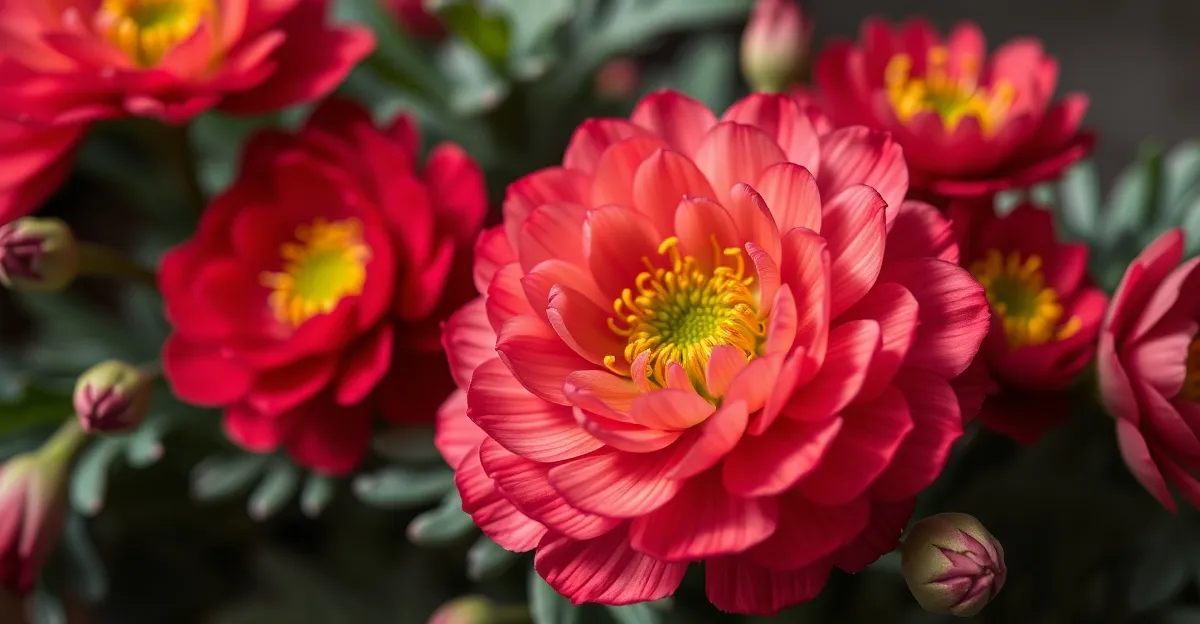
Ranunculus is a cool-season flower that somehow manages to thrive as a cut flower even when the climate around it is distinctly not cool. If you've received a ranunculus bouquet in Bali and want to make it last, or you're simply wondering how this flower handles tropical conditions, this guide gives you the practical, honest answers.
Caring for ranunculus in Bali's heat and humidity is more about smart management than heroic effort. The flower is actually reasonably robust as a cut flower — provided you understand what it needs and what's working against it in a tropical environment.
Why Bali's Climate Is Challenging for Ranunculus
Ranunculus (Ranunculus asiaticus) originates from the Mediterranean and temperate Asian regions and is typically grown in cool to mild conditions — optimal growing temperatures are 7–15°C. Cut ranunculus arriving in Bali has already made a journey from highland growing regions or overseas suppliers, and then enters an environment that's the opposite of its comfort zone.
The specific challenges in Bali:
- Heat: Average temperatures of 27–33°C accelerate respiration in cut stems, consuming water reserves faster than the flower can absorb them.
- Humidity: While high humidity slows some moisture loss from petals, it also creates ideal conditions for bacterial growth in vase water, which blocks stem vascular tissue and causes premature wilting.
- Warm nights: Unlike temperate environments where cool nights give cut flowers a chance to recover, Bali stays warm all night, meaning the flower never gets a rest from heat stress.
Understanding these challenges helps you target your care where it matters most.
Step-by-Step Care Guide for Cut Ranunculus in Bali
Step 1: Condition the Stems on Arrival
When your ranunculus arrangement arrives:
- Recut all stems at a 45-degree angle under running water. This removes any air lock at the base of the stem and opens the vascular tissue for water uptake.
- Remove all leaves that would sit below the waterline — submerged foliage rots quickly and creates bacterial activity that shortens vase life.
- Place immediately in fresh, cool water.
Step 2: Prepare the Vase Properly
Use a clean vase — residual bacteria from previous arrangements is a major cause of premature wilting. Wash with hot water and a small amount of bleach or white vinegar, then rinse thoroughly.
Fill with fresh, cool water (room temperature is fine; very cold water can sometimes shock tropical flowers, though ranunculus handles cool water well). If you have a commercial flower preservative sachet, add it now — it contains a sugar for nutrition, an acidifier to optimise uptake, and a biocide to slow bacterial growth. All three are helpful in Bali's heat.
A DIY alternative: a small pinch of sugar plus a single drop of bleach in the water. It's not as sophisticated as commercial preservative, but it addresses the two key issues (nutrition and bacteria).
Step 3: Position the Arrangement Thoughtfully
Location matters enormously for ranunculus in Bali:
- Keep in an air-conditioned room: This is the single most effective thing you can do. An air-conditioned interior at 22–25°C can extend ranunculus life by two to three days compared to an outdoor tropical setting.
- Avoid direct sunlight: Sunlight heats petals and dries them faster than ambient air alone.
- Keep away from fans and air conditioning vents: Direct airflow dries petals even in cool air.
- Keep away from fruit bowls: Ripening fruit releases ethylene gas, which accelerates flower aging. This effect is measurable — arrangements near a fruit bowl genuinely fade faster.
- Avoid outdoor placement during the day: Outdoor ambient temperatures in Bali will shorten ranunculus life significantly.
Step 4: Change the Water Daily
In Bali's temperatures, bacteria multiply in vase water within 24 hours. Change the water every single day, and recut stems by a few millimetres each time you change the water. This ongoing maintenance makes a significant difference to how long your arrangement looks beautiful.
When changing water, quickly clean the vase with a light rinse and wipe — don't let bacteria accumulate on the vessel walls.
Step 5: Misting (Optional)
Lightly misting ranunculus petals with room-temperature water in the morning can help in Bali's dry-season conditions when air conditioning creates particularly dry interior air. Be careful not to over-mist — waterlogged petals in humid conditions can develop botrytis (grey mould). A light, fine mist once in the morning is sufficient.
What to Expect: Ranunculus Vase Life in Bali
With good care in an air-conditioned interior, ranunculus in Bali typically lasts:
- Days 1–3: Buds continue opening from closed or semi-open state. The arrangement is at its most dynamic and beautiful.
- Days 4–6: Fully open flowers reach peak beauty. The multi-layered petals are fully extended.
- Days 7–9: Petals begin to feel slightly papery at the edges. The arrangement is still beautiful but beginning to fade.
- Day 10+: Flowers begin to drop petals. The arrangement has exceeded its reasonable life.
Without air conditioning, expect approximately half this vase life. This doesn't mean it's worth it any less — it means managing expectations appropriately.
What Not to Do
Don't Put Ranunculus in Full Sun
This is the most common mistake in tropical climates. The flower looks so suited to a bright windowsill that it seems natural to place it there. Don't. Direct equatorial sun in Bali will collapse ranunculus within a day.
Don't Skip Water Changes
It's tempting to simply top up the vase with water rather than changing it. This allows bacterial colonies to grow on the vase walls and in the water, accelerating stem blockage. A full daily water change is genuinely necessary.
Don't Cut Stems with Scissors
Scissors crush stem tissue rather than cutting cleanly. Use a sharp knife or proper floral scissors (which cut more cleanly than regular scissors). Crushed stem ends absorb water less effectively.
Don't Overcrowd the Vase
Tightly packed stems create conditions for rapid bacterial growth and prevent adequate water circulation. In a mixed arrangement, make sure stems aren't compressed together at the base of the vase.
Caring for Ranunculus in a Mixed Tropical Arrangement
Ranunculus often arrives in mixed arrangements alongside tropical flowers like orchids, anthuriums, or bird of paradise. The good news is that general care advice applies to all of them: clean water, cool air, daily water changes, and stem trimming.
The slight complication is that different flowers have different optimal water depths. Ranunculus does well with stems submerged to about halfway up the stem length. Orchid stems, by contrast, sometimes do better with shorter water depth. If you have a mixed arrangement, compromise at a moderate water level and change daily.

The team
your florists
weekly subscription · Bali
We write about flowers because we love them. We deliver them because someone should — properly, weekly, across Bali.
— heyflowerPay once for 3, 6, or 12 months, no auto-renewal.
Ranunculus in Bali: The Import Factor
Most ranunculus available in Bali has been cut, packaged, and transported from growing regions — either the cooler highlands of Java or international sources arriving via Jakarta. By the time it reaches a Bali florist, it may already have spent two to four days in transit and storage.
This makes sourcing from florists who have reliable supply chains with fresh stock particularly important. Ranunculus sourced the day of arrangement from a well-managed supply chain will last significantly longer than flowers that have been sitting in a wholesaler's coolroom for an extended period.
At heyflower.co, we maintain relationships with trusted suppliers specifically so that the ranunculus (and other premium imported flowers) in our arrangements arrives as fresh as possible.
Frequently Asked Questions
Why did my ranunculus wilt so quickly in Bali?
The most likely causes are: a warm placement (outdoors or in a non-air-conditioned room), infrequent water changes, or stems that weren't recut on arrival. Try moving the arrangement to an air-conditioned room, changing the water daily, and recutting stems. Fresh water and a cooler temperature can sometimes revive slightly wilted ranunculus.
Can I store ranunculus in the refrigerator overnight?
Yes — placing the arrangement in the coolest part of your fridge overnight (or during the hottest midday hours) can significantly extend its life in Bali's climate. Make sure no ethylene-producing fruit is in the same fridge section. This technique is widely used by florists for storing flowers before arrangement.
Why are some of my ranunculus buds not opening?
Buds that are very tightly closed on arrival may not open as cut flowers if they were harvested too early or if the stem is blocked. Recutting the stem and placing in warm (not cold) water can encourage tight buds to open. Very small, hard buds may simply not develop further once cut.
How do I know if ranunculus is fresh when I buy it?
Fresh ranunculus should have firm, upright stems that don't flop. The flowers should be in bud or just beginning to open (not fully open at time of purchase). Petals should feel slightly firm rather than papery. The cut end of the stem should look fresh and moist, not brown and dried.
Does ranunculus need any special fertiliser in a vase?
Commercial flower food sachets (usually included with florist flowers) contain the nutrition, acidity adjustment, and biocide that maximises vase life. In the absence of these, a small pinch of sugar plus a drop of bleach in the water approximates the key functions. Special fertiliser beyond this isn't necessary for cut flowers.
Make the Most of Your Ranunculus in Bali
Ranunculus isn't the easiest flower to manage in tropical conditions, but with the simple habits outlined here — cool placement, daily water changes, stem trimming, and keeping the arrangement away from heat and fruit — you'll get genuinely satisfying vase life even in Bali's challenging climate.
At heyflower.co, we source and arrange ranunculus and premium imported blooms with care for your home across Bali. Our flower subscriptions ensure fresh arrangements arrive at the optimal stage for vase display — giving you the most beautiful version of every flower we send. For more about ranunculus in Bali, explore our guide to whether ranunculus can grow in Bali.
More on Ranunculus