How to Preserve a Ranunculus Bouquet After the Event
Ranunculus preserves better than most flowers. Here are the best methods for keeping your ranunculus bouquet beautiful as a keepsake after weddings and special occasions.
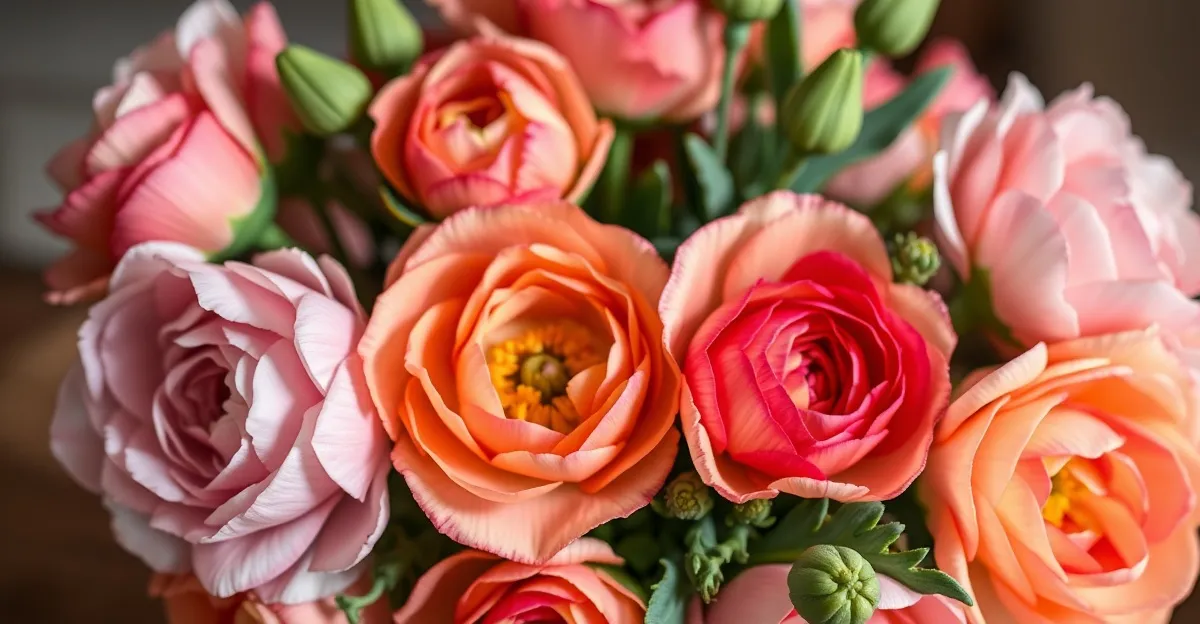
Of all the flowers you might want to preserve after a wedding, significant birthday, or other meaningful occasion, ranunculus is actually one of the more cooperative subjects. Unlike hibiscus (which collapses and browns rapidly) or delicate sweet peas (which lose all structure), ranunculus preserves with reasonable colour retention and its extraordinary multi-layered petal structure holds up better than most flowers to drying methods.
This guide walks you through the best preservation methods for ranunculus in Bali's specific climate, realistic expectations for each approach, and the practical steps to give yourself the best possible keepsake.
Why Ranunculus Preserves Relatively Well
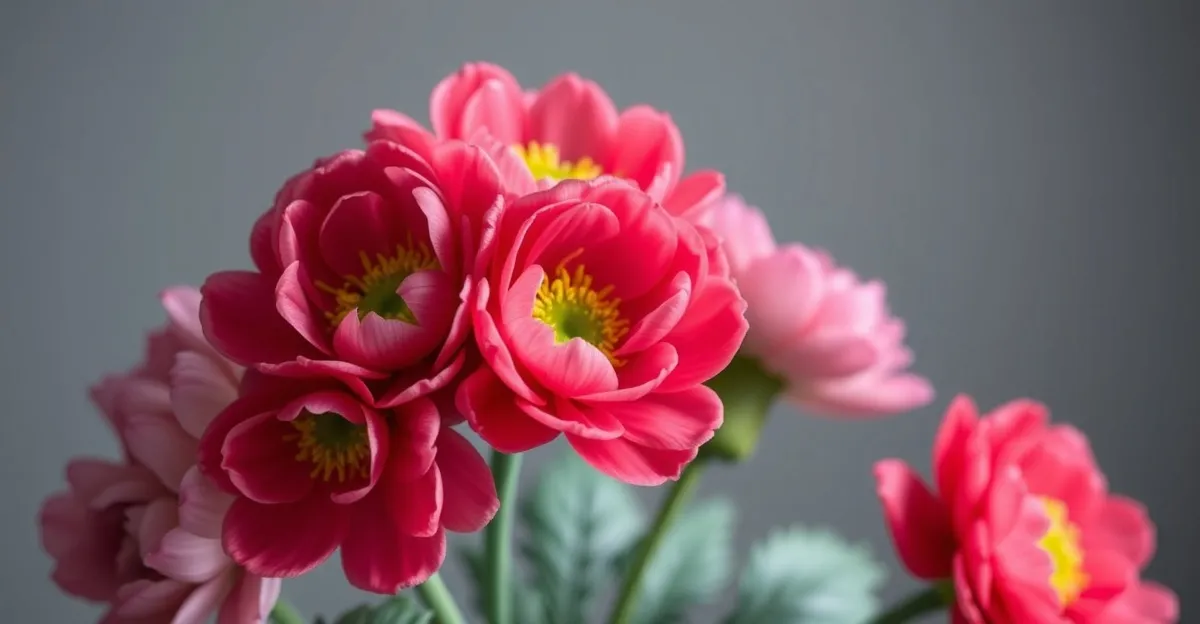
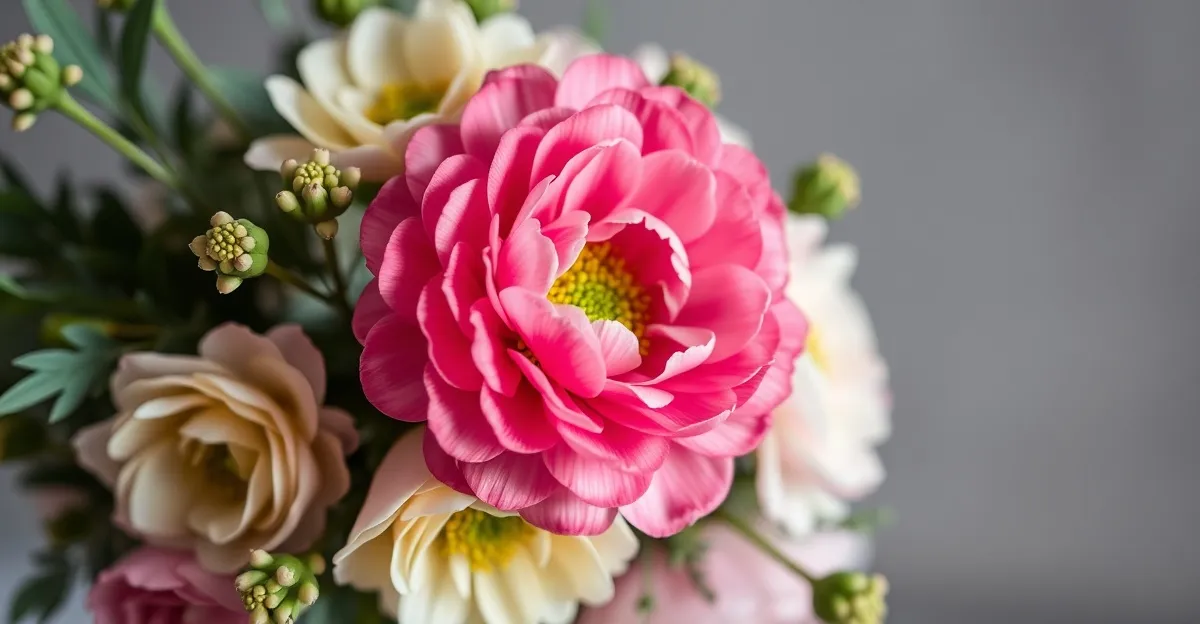
The architecture of ranunculus — those densely packed, overlapping petals — actually works in its favour for preservation. The multiple layers of petals means that even as outer petals shrink and alter slightly during drying, inner layers continue to provide structure. The result is a preserved bloom that, while smaller and slightly different in appearance than the fresh flower, retains a recognisable version of its extraordinary layered form.
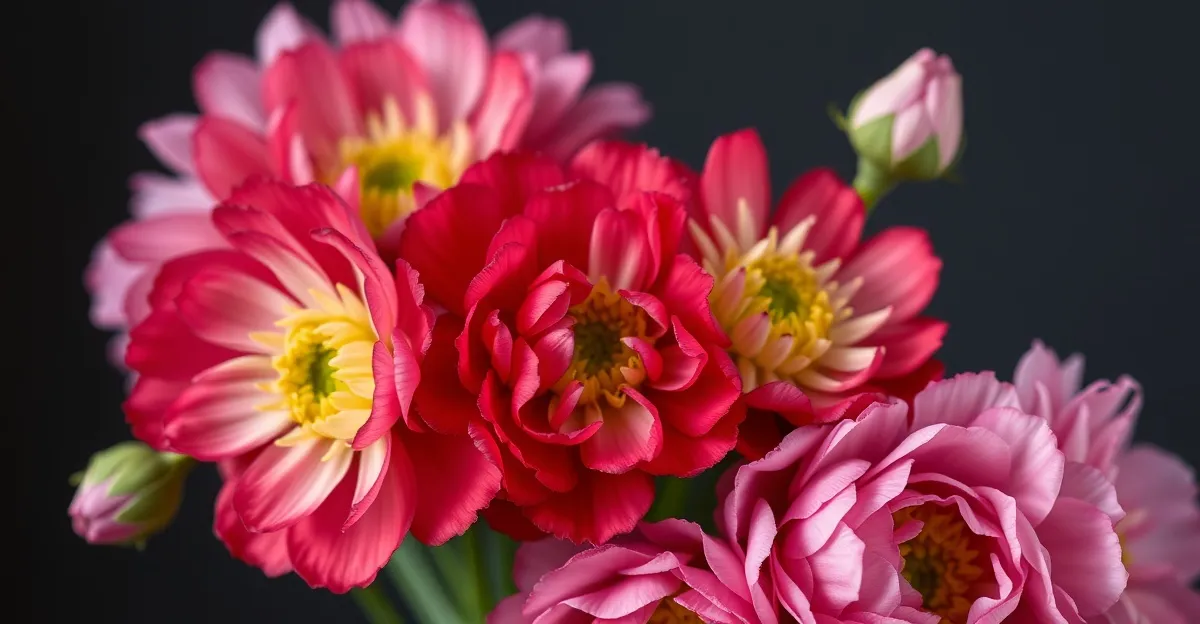
Colour retention is the other good news. Ranunculus's palette of blush pinks, whites, creams, and soft corals tends to preserve with reasonable fidelity — far better than, say, vivid tropical flowers with water-soluble pigments. Deep reds and burgundies do fade somewhat, but often to beautiful dusty rose and antique wine tones that have their own charm.
The Challenge: Bali's Humidity
The main obstacle to flower preservation in Bali is not the preservation process itself but the environment the preserved flower lives in afterward. Bali's humidity — frequently 80–90% in the wet season — causes dried flowers to reabsorb moisture from the air, which can cause rehydration, softening, mould growth, and colour degradation over time.
Every preservation method described below requires a post-preservation storage strategy designed for tropical conditions. Airtight storage with silica gel desiccant is essential.
Method 1: Hang Drying — The Simplest Approach
Hang drying is the traditional method for preserving flowers, and ranunculus handles it reasonably well.
Process
-
Timing is critical: Don't wait for the flowers to be fully spent. Begin preservation when blooms are at their peak — fully open but not yet beginning to drop petals.
-
Remove excess foliage: Strip leaves from stems, leaving only the blooms. Foliage retains moisture and slows drying.
-
Bundle and hang upside down: Tie three to five stems loosely together (don't bundle too tightly — airflow between stems is essential). Hang upside down in a cool, dry, well-ventilated location.
-
Choose your location carefully: In Bali, a room with air conditioning running consistently is the best environment. Avoid humid bathrooms, kitchens, or any unventilated space. An air-conditioned bedroom or living area with good airflow is ideal.
-
Drying time: In Bali's conditions, expect two to three weeks for complete drying. In temperate climates this takes ten days; Bali's ambient humidity extends the process.
-
Test for dryness: Petals should feel papery and stiff, not pliable. The stem should be completely rigid.
Results
Hang-dried ranunculus shrinks slightly in size and the blooms may flatten slightly or take on a slightly downward tilt from the hanging position. Colours soften — vivid pinks become dusty rose, whites become cream. The overall effect is vintage, romantic, and genuinely beautiful.
Storage After Hang Drying
In Bali, never leave hang-dried flowers unprotected in open air. Store in an airtight container or sealed glass dome with a silica gel packet, or display under a sealed glass cloche. Check the silica gel packet monthly and replace when it indicates saturation.
Method 2: Silica Gel Drying — The Best Results
Silica gel drying produces superior results to hang drying for ranunculus: better colour retention, preserved three-dimensional form, and faster drying. It's slightly more involved but produces genuinely beautiful keepsakes.
Process
-
Work quickly: Start within hours of bloom peak. The fresher the flower when you begin, the better the result.
-
Select appropriate containers: Use airtight plastic containers or boxes deep enough to completely bury the blooms. For ranunculus, the container should be at least 15cm deep.
-
Layer silica gel: Pour approximately 4–5cm of silica gel crystals into the container.
-
Position blooms face-up: Place ranunculus face-up on the silica gel layer. For multiple blooms, ensure they don't touch each other.
-
Cover completely: Carefully spoon or pour silica gel over and around the blooms until completely buried. Be particularly careful to fill between the petal layers — any air pockets slow drying and cause uneven results. A small paintbrush helps direct silica gel between petals.
-
Seal and wait: Close the container and leave in a cool location (inside air conditioning if possible). Check after four days — ranunculus typically takes four to seven days to dry fully.
-
Unbury carefully: Use a soft brush or your fingers to gently remove silica gel. Preserved ranunculus is fragile at this stage. Work slowly.
Results
Silica gel-dried ranunculus retains much more of its original form than hang-dried flowers. The three-dimensional petal structure is largely preserved, the blooms shrink minimally, and colour retention is significantly better. Blush pinks remain recognisably pink; whites stay white; deep reds become beautiful antique burgundy. The overall appearance is of a flower that has been somehow paused in time.
After Silica Gel Drying
In Bali, silica gel-dried ranunculus must be stored in airtight conditions immediately. If displayed openly, the flowers will reabsorb humidity and soften. Options:
- Sealed glass dome display
- Airtight shadow box with a silica gel packet inside
- Sealed resin casting (see below)
Method 3: Resin Casting — The Most Permanent Approach
For a truly permanent keepsake, embedding silica gel-dried ranunculus petals in clear UV-resistant resin creates something that will last decades without humidity degradation.
Applications
- Paperweights or desk pieces: Several petals arranged in a dome of clear resin
- Coasters: Petals spread across a shallow round form, sealed in resin
- Jewellery: Single small petals in pendant settings
- Framed artwork: Petals arranged in a flat resin panel, framed and hung
Key Considerations for Bali
- Work in an air-conditioned space — humidity during resin curing causes cloudiness
- Use UV-resistant resin specifically, as UV exposure (abundant in Bali) will yellow standard resin over time
- Completely dry petals before casting — any residual moisture creates bubbles
- Resin casting takes practice; consider hiring a local resin artist if you haven't done it before

The team
your florists
weekly subscription · Bali
We write about flowers because we love them. We deliver them because someone should — properly, weekly, across Bali.
— heyflowerPay once for 3, 6, or 12 months, no auto-renewal.
Method 4: Pressing for Paper and Art
Pressed ranunculus petals create beautiful, translucent, almost painted-looking keepsakes. The petals lose their three-dimensional quality but develop a delicate, watercolour-like character that's genuinely lovely in frames and artwork.
Process
- Separate petals from the bloom (pressing whole ranunculus heads is difficult due to their thickness).
- Arrange petals on blotting paper or between parchment sheets in a flower press or heavy books.
- Change blotting paper after 12 hours — ranunculus petals release significant moisture.
- Allow two to three weeks for complete drying in Bali's humidity.
- Store in sealed frames or under glass immediately.
Uses
- Framed botanical art
- Greeting cards for future occasions
- Resin casting (petals cast flat in resin panels)
- Botanical candle decoration (sealed between layers of wax)
Hiring a Professional Preservation Service
For wedding bouquets and particularly significant event floristry, consider whether hiring a professional preservation service is worthwhile. Some craft studios in Bali offer flower pressing, resin casting, and specialist drying services.
The advantage is expertise and the assurance that the result will be beautiful. The turnaround is typically two to four weeks, and you'll need to hand over your bouquet promptly after the event.
Frequently Asked Questions
How soon after the wedding should I begin preserving ranunculus?
Begin within 24 hours of the wedding for the best results. The earlier you start the preservation process, the fresher the flowers are, and the better the colour and form retention. If you can't begin immediately (post-wedding exhaustion is understandable), have a trusted person start the process for you on the day after.
Do preserved ranunculus lose their colour entirely?
Not entirely — particularly with silica gel drying. Pale pinks, blushes, and whites retain meaningful colour. Deep reds shift to beautiful antique tones. The more vivid the original colour, the more noticeable the shift, but in most cases the result is pleasing rather than disappointing.
Can I preserve the whole bouquet rather than individual stems?
You can hang dry a whole bouquet as a unit, though the internal blooms get less airflow and dry more slowly. For best results, separate the bouquet into individual stems before beginning preservation. The preserved stems can be reassembled or displayed separately.
How long do preserved ranunculus last in Bali?
With proper airtight storage and silica gel humidity control, preserved ranunculus can last years in Bali. Without protection from humidity, they'll begin to degrade within weeks. The resin casting method provides the most permanent result regardless of storage conditions.
What's the best keepsake option for a ranunculus wedding bouquet?
Our recommendation: silica gel-dry five to seven of the most beautiful blooms (start immediately after the wedding), then have a local resin artist embed three of them in a beautiful resin piece and frame the others pressed. This gives you both a three-dimensional keepsake (resin) and flat artwork (pressed petals). Commission quality photography of the full fresh bouquet before the wedding, too — nothing replaces a great photograph of the flowers at their most vivid.
The Memory Lives On
Ranunculus at its peak is an extraordinary thing — those layered petals reaching their full extent, the colour at maximum depth. Preservation is the attempt to hold that moment, and with the right methods, the attempt succeeds more often than not. What you keep may look slightly different from the original — softer, quieter, more antique — but it holds the memory of a day that mattered, in a form that can last years.
At heyflower.co, we arrange ranunculus and premium blooms for every meaningful occasion across Bali. Explore our flower subscriptions for regular deliveries of fresh arrangements, or browse our collections for the perfect one-time bouquet for a special occasion.
More on Ranunculus