Ranunculus in Balinese Ceremonies: Traditional Uses in Bali
Does ranunculus have a role in Balinese ceremonies? An honest look at traditional vs. contemporary flower use in Bali's spiritual and celebratory life.
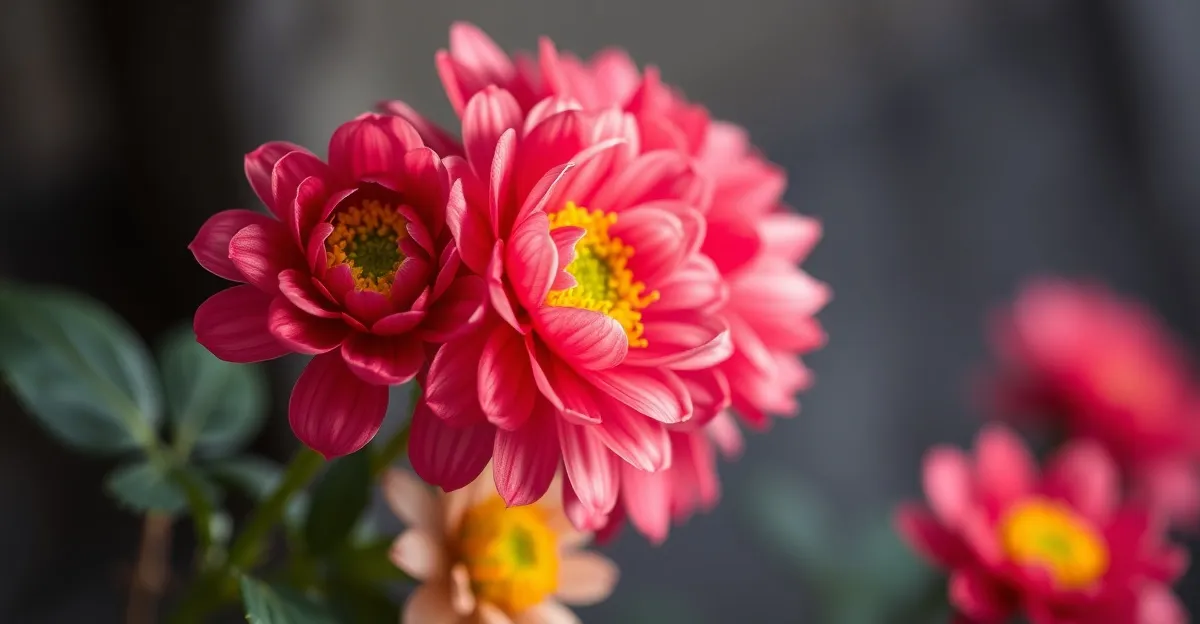
The honest answer to whether ranunculus has traditional uses in Balinese ceremonies is: not really. Ranunculus is not a traditional Balinese flower. It doesn't grow naturally in Bali's lowland climate, it isn't part of the traditional ceremonial flower vocabulary that Balinese Hinduism has developed over centuries, and you won't find it in the canang sari that Balinese women prepare at dawn each morning.
But that's only part of the story — and the more interesting part begins where tradition meets the contemporary. Bali in the 21st century is an island where ancient ritual and international culture coexist in ways that are genuinely creative rather than conflicted. Understanding how flowers like ranunculus fit into that contemporary context — alongside the traditional flowers that remain at the heart of Balinese ceremony — gives a richer picture of flower culture in Bali today.
Traditional Balinese Ceremony Flowers
To understand where ranunculus sits, it helps to understand which flowers do belong to Balinese ceremonial life. Balinese flower traditions are sophisticated and highly specific — particular flowers are used in particular ritual contexts, associated with specific deities, directions, and purposes.
The Core Ceremonial Flowers
Frangipani (jepun): Perhaps the most iconically Balinese flower, used extensively in temple offerings, ceremony decoration, hair adornment, and daily offerings. Both white and yellow varieties are sacred.
Hibiscus (pucuk/kembang sepatu): Red hibiscus is particularly significant in Balinese Hindu practice, associated with powerful protective deities. White hibiscus represents purity and devotion.
Marigold (gumitir): The vivid orange marigold (Tagetes) is one of the most important ceremonial flowers in Bali, used in penjor decorations, temple offerings, and major ceremony installations.
Jasmine (melati): White jasmine is used for its fragrance and purity associations in numerous ceremony contexts.
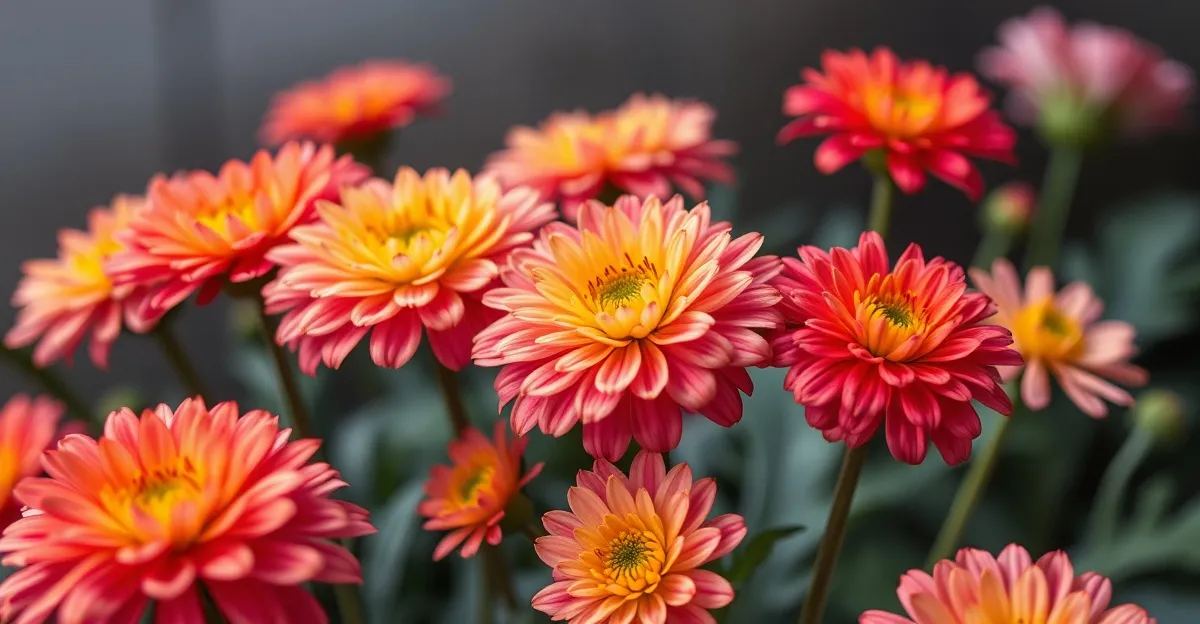
Yellow chrysanthemum: Used extensively in offerings, providing the golden-yellow colour associated with certain directional and divine associations.
Lotus (teratai): Deeply sacred in both Hindu and Buddhist traditions, the lotus appears in religious iconography throughout Bali and is used in significant ceremonial offerings.
Tuberose (sedap malam): Valued for its intense fragrance, used in offerings and ceremony decorations.
None of these have ranunculus in their company. The traditional Balinese flower vocabulary was established from locally available plants over centuries of devotional practice — and ranunculus, as a temperate imported flower, simply wasn't part of that development.
What This Means for Ranunculus in Bali
Ranunculus has no ceremonial role in traditional Balinese Hindu practice. It carries no specific spiritual symbolism within the Balinese Hindu framework, is not used in canang sari or other offerings, and has no connection to Balinese ritual.
This doesn't diminish the flower in any way — it simply means that ranunculus in Bali operates in a different register. It belongs to the contemporary, internationally influenced gift and event culture that exists alongside (and in respectful relationship with) traditional Balinese ceremonial life.
Ranunculus in Contemporary Bali Celebrations
While traditional ceremonies use their own flower vocabularies, Bali's international community and tourism sector have developed a parallel culture of celebrations that draws on both local and international traditions. This is where ranunculus genuinely belongs.
Luxury Weddings
Bali hosts thousands of weddings annually, many of them for international couples who want the beauty of Bali's landscape and culture without a specifically Balinese Hindu ceremony. For these celebrations — often combining Western floristry aesthetics with Balinese outdoor settings — ranunculus has become one of the most coveted flowers.
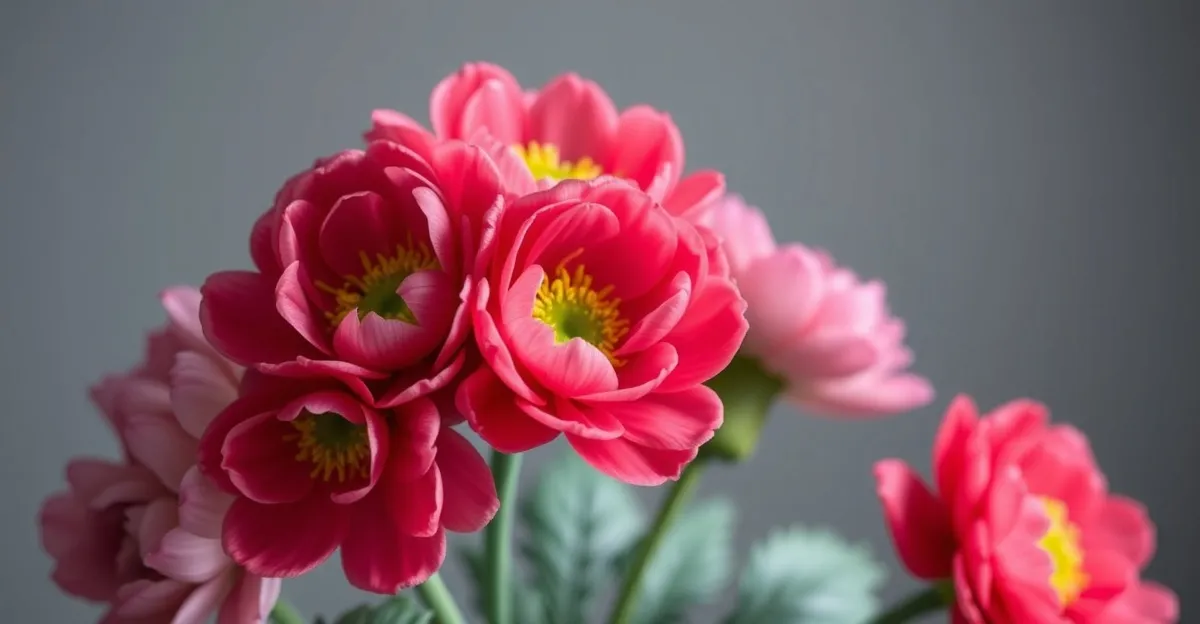
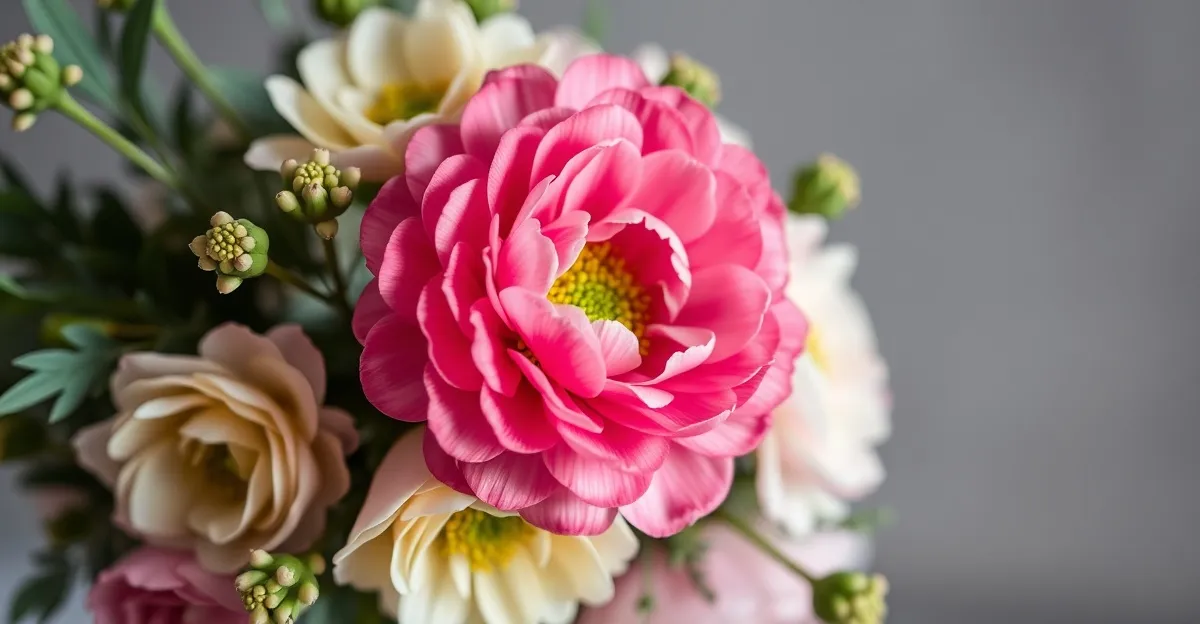
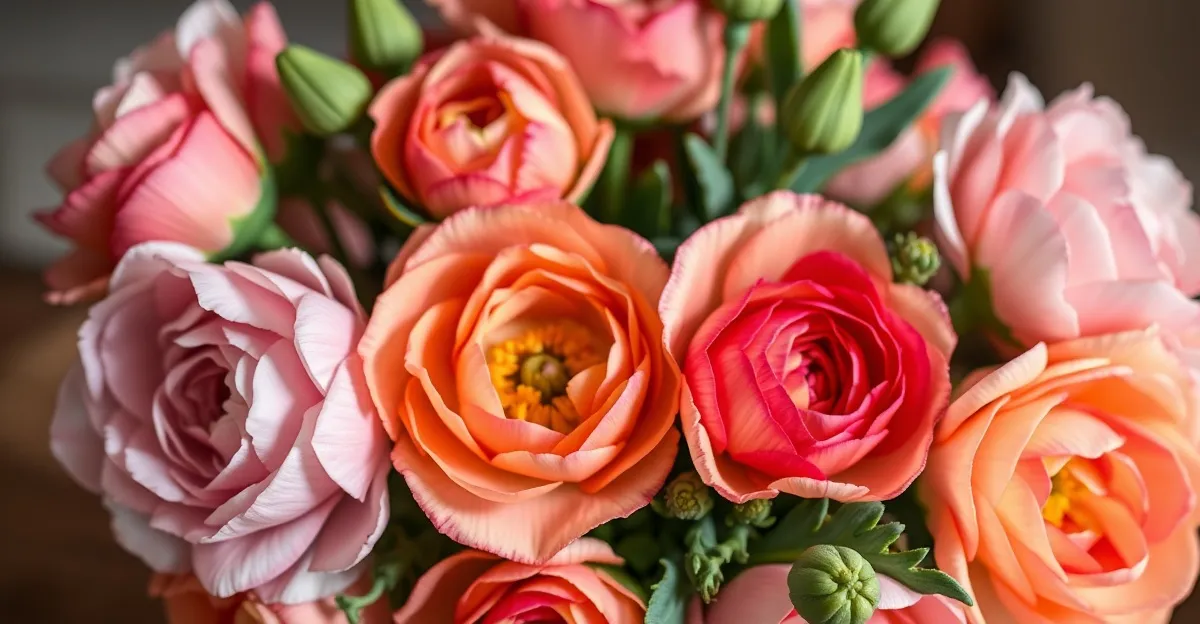
The juxtaposition is often intentional and beautiful: ranunculus bouquets held by brides standing against Balinese carved stone, lush tropical foliage, or the terraced rice fields of Ubud. The flower's cultivated European elegance in dialogue with Bali's raw tropical beauty creates something visually extraordinary.
For couples who do want to incorporate genuine Balinese elements, a skilled florist might combine ranunculus in the bridal bouquet with more traditional Balinese flowers in the ceremony decoration — frangipani in garlands, marigold in penjor styling, hibiscus in offerings — creating a ceremony that honours both traditions.
Upscale Event Floristry
Resort hotels, boutique restaurants, wellness retreats, and upscale event venues across Bali regularly use ranunculus in their event floristry. At this intersection of international guest expectations and Balinese hospitality, ranunculus adds a premium, considered quality to table arrangements and event installations.
Birthday and Celebration Gifts
For Bali's international resident community — expats, long-term visitors, digital nomads, and local professionals with international sensibilities — ranunculus has become a sought-after gifting flower for birthdays, anniversaries, and celebrations. It sits at a premium price point that signals genuine generosity without requiring local ceremonial associations to communicate its value.
When Traditional and Contemporary Overlap
The most interesting territory is where these two flower worlds intersect — and Bali, with its sophisticated capacity for cultural synthesis, makes this happen in genuinely beautiful ways.
Balinese New Year and Ceremony-Adjacent Events
Galungan (the major Balinese Hindu celebration occurring every 210 days) and similar ceremonial periods bring the whole island alive with flowers. Expat and tourist communities often celebrate alongside their Balinese neighbours during these periods — not with Balinese offerings (which belong to the specific tradition) but with their own expressions of festivity and beauty.
A ranunculus arrangement on a villa altar or a decorated table during Galungan week isn't part of the ceremony, but it can be a personal expression of the celebratory spirit of the season. The important distinction is that it's a personal aesthetic choice rather than an attempt to participate in ceremonies that belong to a different tradition.
Balinese-International Wedding Ceremonies
Some couples choose ceremonies that genuinely blend traditions — a Balinese Hindu blessing ceremony performed by a pemangku (temple priest), followed by or combined with a Western-style celebration. In these contexts, the floristry often reflects both traditions: traditional ceremonial flowers in the ritual elements, international floristry (potentially including ranunculus) in the celebration elements.
This requires careful and respectful collaboration with Balinese ceremony advisors to ensure that traditional elements are treated with appropriate reverence while contemporary elements are handled with aesthetic coherence.

The team
your florists
weekly subscription · Bali
We write about flowers because we love them. We deliver them because someone should — properly, weekly, across Bali.
— heyflowerPay once for 3, 6, or 12 months, no auto-renewal.
Respecting the Distinction
Living in or visiting Bali, one of the most important orientations to develop is the ability to appreciate the richness of Balinese ceremonial tradition without appropriating or diluting it. This applies to flowers as much as anything else.
Ranunculus belongs to Bali's contemporary international layer — beautiful, appropriate for gifting and events, a genuine part of Bali's sophisticated modern culture. The traditional Balinese ceremonial flowers belong to a different tradition that deserves to be known, appreciated, and respected rather than substituted.
Both can coexist, and both are worth knowing. The frangipani on the temple gate and the ranunculus in a Canggu florist's window are both expressions of Bali's relationship with beauty — one ancient and devotional, one contemporary and global — and Bali is large enough to hold both with grace.
Frequently Asked Questions
Can I use ranunculus in a Balinese Hindu offering?
Ranunculus is not part of the traditional Balinese Hindu offering vocabulary. If you're making traditional canang sari or other offerings under the guidance of a Balinese teacher, use the traditional flowers associated with each direction and purpose. Ranunculus would be a substitution that doesn't carry the necessary ceremonial associations.
Would a Balinese person consider it inappropriate to give ranunculus as a gift?
Not at all. Ranunculus is simply a beautiful, premium imported flower — it has no cultural baggage that would make it inappropriate as a gift to a Balinese person. It just doesn't have the ceremonial associations that locally traditional flowers carry.
Is there any flower symbolism in Balinese culture that's similar to ranunculus's meanings?
The closest equivalent in Balinese ceremonial flower symbolism might be some uses of frangipani, which carries associations of beauty, devotion, and the elevated quality of the sacred. But the resemblance is indirect — Balinese flower symbolism is tied to specific ritual purposes and deity associations rather than the romantic-charming meanings of ranunculus in Western flower language.
Should I avoid giving ranunculus during major Balinese ceremonies?
During Galungan, Kuningan, or other major Balinese ceremonies, you can absolutely still give ranunculus as a gift if the occasion warrants it. The consideration is more practical: during these periods, many Balinese businesses (including some florists) may be partially closed or focused on ceremonial preparations. Order in advance and confirm delivery logistics.
What traditional Balinese flowers could I combine with ranunculus in an arrangement?
For an arrangement that honours both contemporary aesthetics and Balinese floral heritage, frangipani pairs beautifully with ranunculus — both have an inherent elegance and refinement that bridges the two worlds. White frangipani with blush ranunculus, tropical foliage, and eucalyptus creates something that feels simultaneously Balinese and internationally beautiful.
Two Flower Worlds, One Beautiful Island
Bali's relationship with flowers operates on multiple registers simultaneously: the ancient and devotional at the temple gate, the contemporary and global in the florist's studio. Ranunculus belongs to the latter — but living here, we encounter both daily, and both are worthy of appreciation.
At heyflower.co, we work within Bali's contemporary flower culture with respect for the traditional flower wisdom that surrounds us. Every arrangement we create carries some of that awareness — an understanding of what flowers mean in this specific place. Explore our flower subscriptions for regular deliveries of beautifully composed arrangements, or browse our seasonal collections for special occasions. Also worth reading: hibiscus in Balinese ceremonies for a deeper look at how traditional Balinese flower culture actually works.
More on Ranunculus