Picking the right vase for your entrance
A practical guide to choosing the right vase for your Bali home entrance — shape, material, scale, and where to buy beautiful vessels locally on the island.
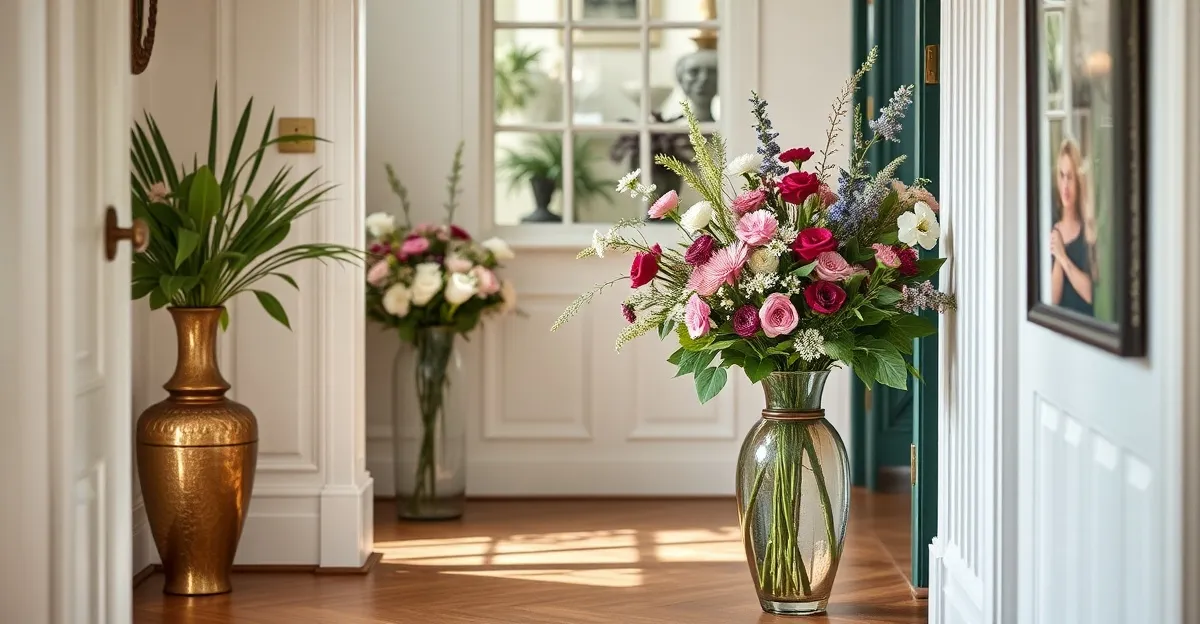
The vase is the part of a flower arrangement that stays. Flowers change weekly; a good vase stays for years and works with countless different flower types and arrangements. Getting the entrance vase right is therefore a more important decision than choosing any individual bunch of flowers — the vase frames everything that goes in it.
In Bali, you are in an excellent position: the island has a rich craft tradition in ceramics, stone carving, and weaving that produces beautiful vessels at every price point. You do not have to import an expensive European vase to find something genuinely excellent. But the abundance of choice makes the decision more demanding — there is more to navigate, and the quality varies significantly.
This guide helps you make the right choice for a Bali entrance, covering the key variables: shape, material, scale, and where to find the best options locally.
The primary variables in entrance vase selection
Shape: what it does for the arrangement
Tall, narrow cylinder: The most versatile entrance vase shape. It works with single-stem dramatic arrangements (one anthurium, one heliconia), with tall structured bouquets, and with sculptural arrangements that need vertical emphasis. In a Bali entrance, a tall narrow cylinder in stone, ceramic, or dark metal provides both support for the arrangement and a visual anchoring point.
Wide-mouthed, low bowl: Creates a spreading, abundant impression. Good for loose garden-style arrangements where you want the flowers to spill outward. Less suitable for structural or sparse arrangements, which tend to look lost in a wide-mouthed vessel. Works well on console tables where height is limited.
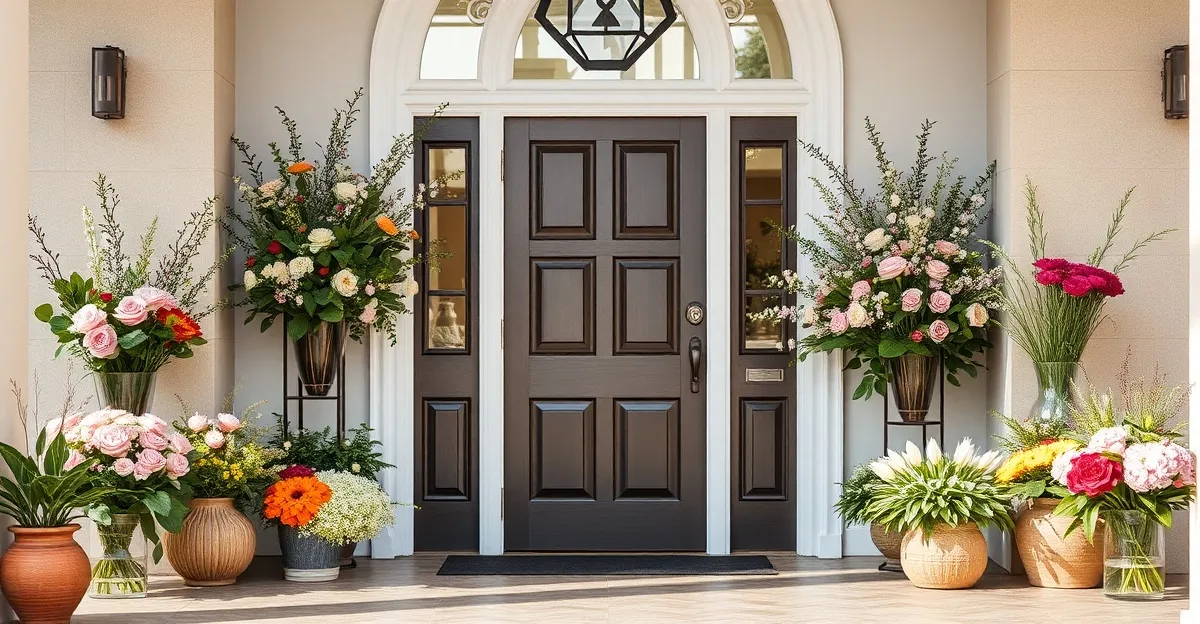
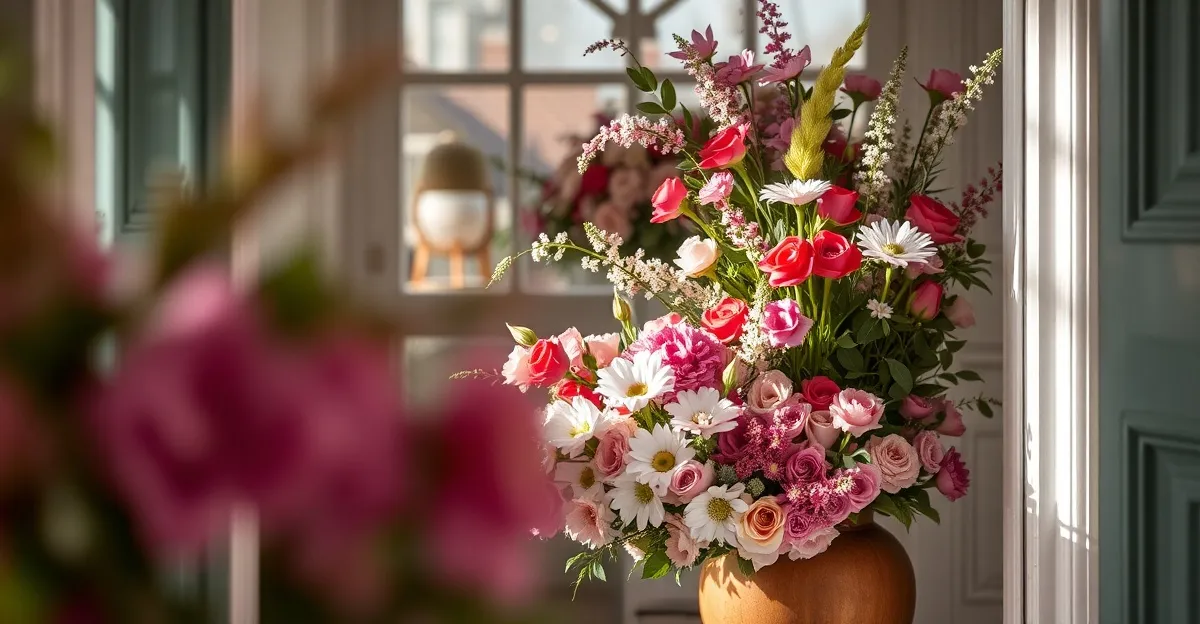
Classic urn shape: Curved sides narrowing to a smaller neck, widening to the body, narrowing again at the base. The traditional entrance vessel for good reason — it stabilises arrangements, suits a wide range of flower types, and has an innate sense of occasion. Bali's stone and ceramic workshops produce excellent urns across a wide range of sizes.
Structural geometric: A vessel with angular, architectural lines — a square or rectangular prism, a geometric cylinder. These suit minimalist or design-forward entrances and work particularly well with single-type or very spare arrangements. Bali's contemporary ceramicists produce interesting geometric forms.
Bud vase cluster: Three to seven small vases in varying heights, grouped together on the entrance table. Each holds one or two stems. The cluster reads as a single composed arrangement. Excellent for entrances where a single large vase would dominate, or for people who like the flexibility of changing individual elements.
Material: the character it brings
Stone and basalt: Deeply Balinese. Heavy, permanent-feeling, connected to the island's own landscape. Stone vases and urns are available from stone carvers in Batubulan and throughout the craft corridor between Denpasar and Ubud. They suit traditional villa interiors and more contemporary spaces alike, and they are virtually indestructible. The weight means they stay put even in open-air corridors with wind. Price range: Rp 200,000–2,000,000 depending on size and quality.
Terracotta: Warm, tactile, genuinely connected to Balinese craft tradition. Terracotta pots from Bali's local potters are beautiful in entrance settings, particularly with warm-toned flower arrangements. They age attractively in the humidity. Price range: Rp 50,000–500,000.
Hand-thrown ceramic: Bali's ceramic tradition is strong, particularly around Ubud, Mas, and the artisan villages in Gianyar. Matte, hand-thrown ceramics in neutral tones (white, off-white, grey, earthy) are the most versatile and most beautiful option for an entrance arrangement. The variation in hand-thrown form means no two are identical. Price range: Rp 150,000–1,500,000 depending on size, maker, and finish.
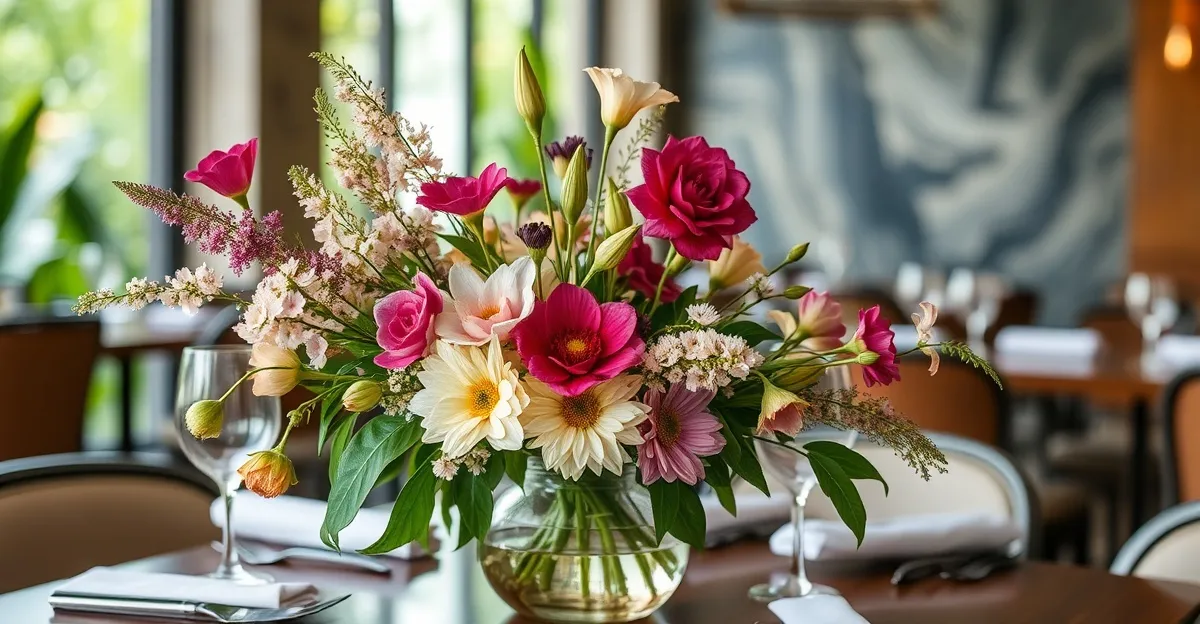
Clear glass: Elegant and transparent — it allows the flower stems to be part of the display. Works best in minimalist or Scandinavian-influenced interiors rather than more traditionally Balinese settings. Clear glass vases are available in Bali's design stores, particularly in Seminyak and Canggu. Price range: Rp 80,000–600,000.
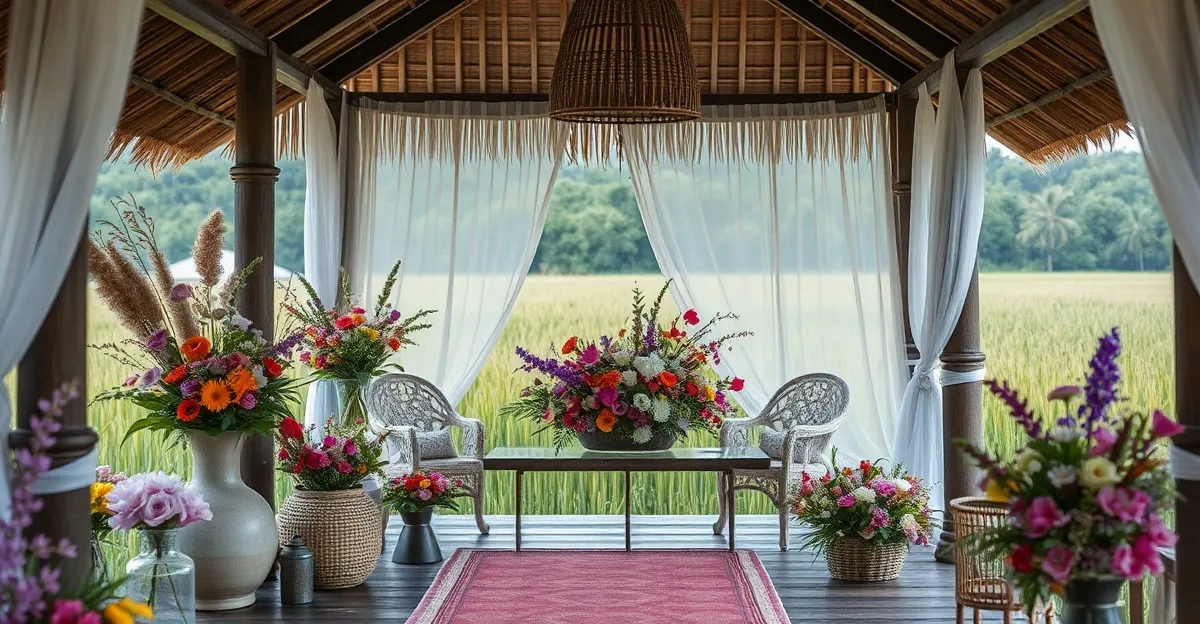
Rattan-wrapped vessels: A contemporary Bali aesthetic choice — a glass or ceramic insert wrapped in rattan. Warm, textural, and deeply suited to the island's craft vernacular. Works best with looser, more tropical arrangements rather than tight, structured ones. Price range: Rp 100,000–800,000.
Metal (copper, brass, black steel): Copper and brass vases bring warmth and a slightly elevated quality. Black steel is more architectural and contemporary. All require occasional maintenance to prevent oxidation (particularly in Bali's humidity), but the patina they develop can be beautiful. Available through Bali's design stores and some craft markets. Price range: Rp 200,000–3,000,000.
Scale: matching the vase to the space
This is the most commonly misjudged variable. People consistently choose vases that are too small for entrance settings. The entrance vase needs to be:
- Proportional to the console or table it sits on: A vase that is too small for its table looks accidental; one that takes up approximately 15–25% of the table's surface area looks intentional.
- Proportional to the height of the ceiling: In high-ceilinged Bali entrance halls (3 m or more), a 60–80 cm total arrangement height (including flowers) is appropriate. In lower, more intimate spaces, 40–55 cm total height works better.
- Proportional to the width of the entrance: In a wide, generous entrance hall, a single large vessel reads better than several small ones. In a narrow corridor or small entry, a cluster of smaller vessels or a single vertical accent works better.
Practical guide:
- Small entrance (under 2 m wide, under 2.5 m ceiling): Total arrangement height 35–50 cm
- Medium entrance (2–3 m wide, 2.5–3 m ceiling): Total arrangement height 50–70 cm
- Large entrance (over 3 m wide, over 3 m ceiling): Total arrangement height 70 cm–floor-to-mid-wall
Where to find excellent vases in Bali
Ubud's craft markets and surrounding village workshops: Mas, Tegallalang, and the craft shops along Jalan Hanoman and the central market area stock a large range of locally made ceramics, stone pieces, and decorative objects. Quality varies significantly — look for even glaze, clean edges, and stable bases. Bargaining is expected at market stalls but less so in established shops.
The design stores of Seminyak and Canggu: Jalan Sunset Road (Seminyak), Jalan Kayu Aya (Seminyak), and the stretch of design shops along the Canggu-Berawa corridor stock high-quality, contemporary locally made pieces. These tend to be more consistently curated, at higher price points, and without the bargaining culture of the craft markets.
Bali-based ceramic studios: Several ceramicists in the Ubud area produce stunning hand-thrown pieces and sell directly from their studios. These studios are worth seeking out if you want a truly exceptional, one-of-a-kind vessel — and the price is often more reasonable than you might expect for the quality.
Pottery markets in Pejaten, Tabanan district: Pejaten village in Tabanan is a centre for Bali's terracotta tradition. The pieces here are more utilitarian than artisan, but the quality is excellent and the selection of classic forms — urns, pots, large garden containers — is wide.
Picking the right vase for your villa entryway offers similar guidance specifically for villa entrance contexts, which have their own specific considerations around scale and outdoor durability.

The team
your florists
weekly subscription · Bali
We write about flowers because we love them. We deliver them because someone should — properly, weekly, across Bali.
— heyflowerPay once for 3, 6, or 12 months, no auto-renewal.
Matching the vase to the interior style
Traditional Balinese villa aesthetic: Stone or terracotta. Classic urn or pot forms. Works with anthurium, tropical arrangements, and golden chrysanthemum.
Contemporary villa with warm natural materials: Hand-thrown ceramic in matte neutral tones (off-white, grey, earthy brown). Wide-mouthed or classic cylinder. Works with almost any arrangement.
Modern minimalist villa: Geometric ceramic or glass. Clean lines, minimal form. Works with single-type, sparse arrangements — three calla lilies, five anthurium stems.
Colonial or Indochine-influenced interior: Ceramic with a classical form; copper or brass in antique finish. Works with lush, garden-style arrangements.
Beach-adjacent or coastal villa: Natural materials — driftwood-adjacent forms, pale rattan, bleached wood elements. Works with ocean palette or tropical arrangements.
FAQ
How heavy should an entrance vase be? Heavy enough to be stable, particularly in Bali villa entrances that may have through-ventilation or be semi-outdoor. Stone and heavy ceramic are ideal. If using a lighter vessel, fill the base with pebbles before adding water and flowers to add stability.
Should I buy one statement entrance vase or several smaller ones? For a single-table entrance, one well-chosen statement vessel is more powerful than several small ones. For a larger entrance hall or a console with significant length, a grouping of three related vessels can work beautifully. The key is that the grouping reads as a composed set, not a collection of random objects.
How do I clean a stone or terracotta vase from Bali? In Bali's humidity, stone and terracotta vases can develop mould or algae if water sits stagnant. Clean the interior with diluted bleach (one part bleach to ten parts water), leave for thirty minutes, then rinse thoroughly and allow to dry completely before refilling. This should be done every two to three weeks for vases in use.
Can I use the same entrance vase year-round, or should I change it seasonally? One good vase can serve year-round — the flowers change with the season and your mood while the vase remains constant. This is actually the most elegant approach: a vessel with genuine character that serves as a consistent backdrop for an ever-changing flower display.
Is it worth investing in a premium vase for an entrance? Yes. The entrance vase is seen more frequently than almost any other object in the home — by every person who enters. An investment of Rp 500,000–1,500,000 in a genuinely beautiful vessel that will last for years is one of the best value-per-use decorating investments you can make.
The vessel as permanent art
Think of the entrance vase not as a functional object but as a permanent piece of art that is completed each week by the addition of fresh flowers. The best entrance vases in Bali homes are things that people notice even when they are empty — objects with a quality of their own that does not depend on what is in them. Find that object, and your entrance will always have a focal point regardless of whether the flowers are fresh or not yet replaced.
Ready to bring fresh flowers to your Bali home or event? Explore our weekly flower subscription and get handpicked blooms delivered to your door every week.
More on entrance