Pairing Lily with Other Blooms: A Florist's Guide
Discover how to pair lilies with complementary flowers for stunning arrangements. Expert tips from a Bali florist on colour, texture, and scent combinations.
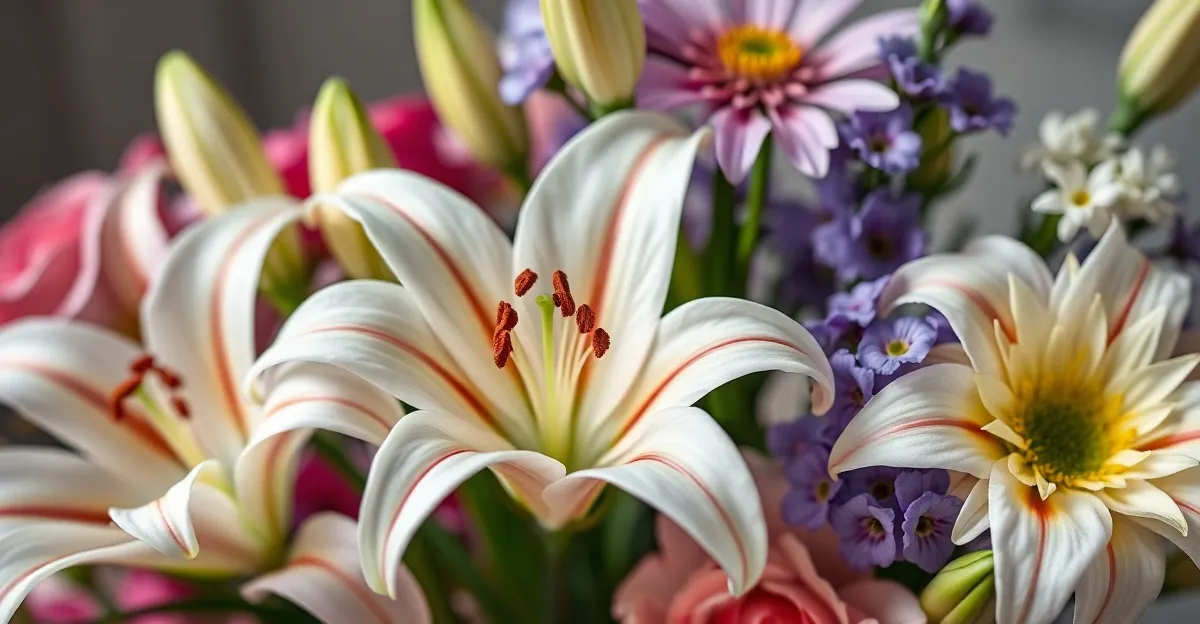
There is something about a well-paired lily arrangement that stops people in their tracks. The flower is bold enough to hold a room on its own, but when you surround it with the right companions, it becomes something genuinely extraordinary. After years of designing arrangements in Canggu and delivering across Seminyak, Berawa, and Kerobokan, I've learned which flowers work with lilies and which ones fight them for attention in the worst possible way.
This guide is for anyone who wants to go beyond "a bunch of lilies" and create something with real intention. Whether you're planning a wedding table, a birthday gift, or simply want to keep a beautiful vase arrangement alive on your kitchen counter, the principles here will help you make choices that actually work.
Understanding the Lily's Visual Character
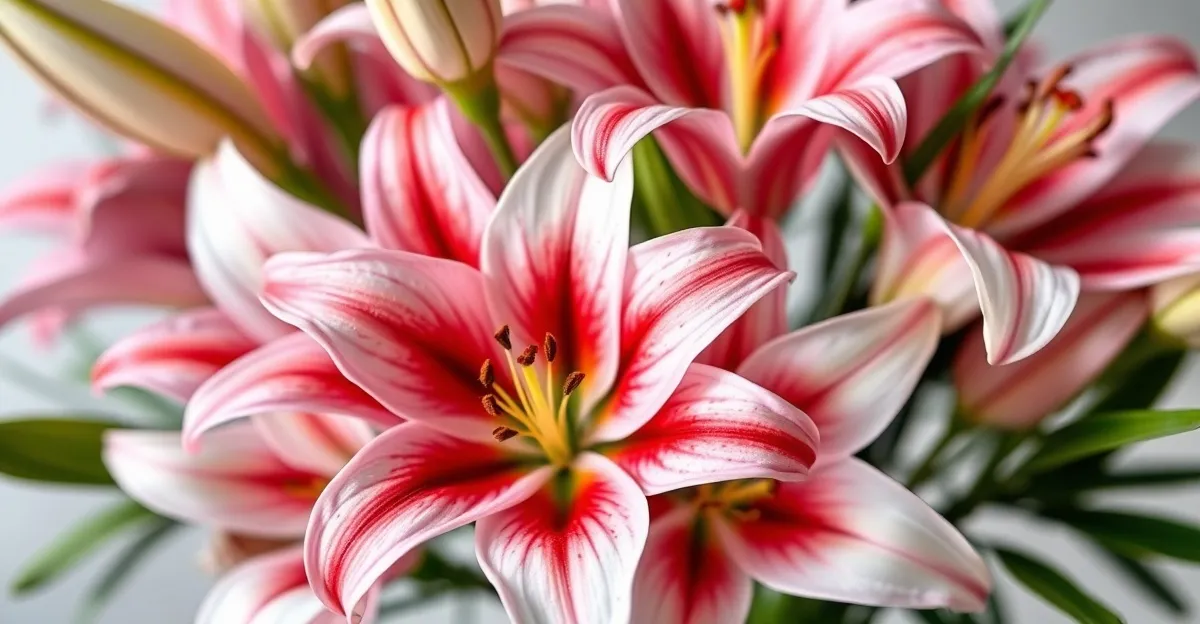
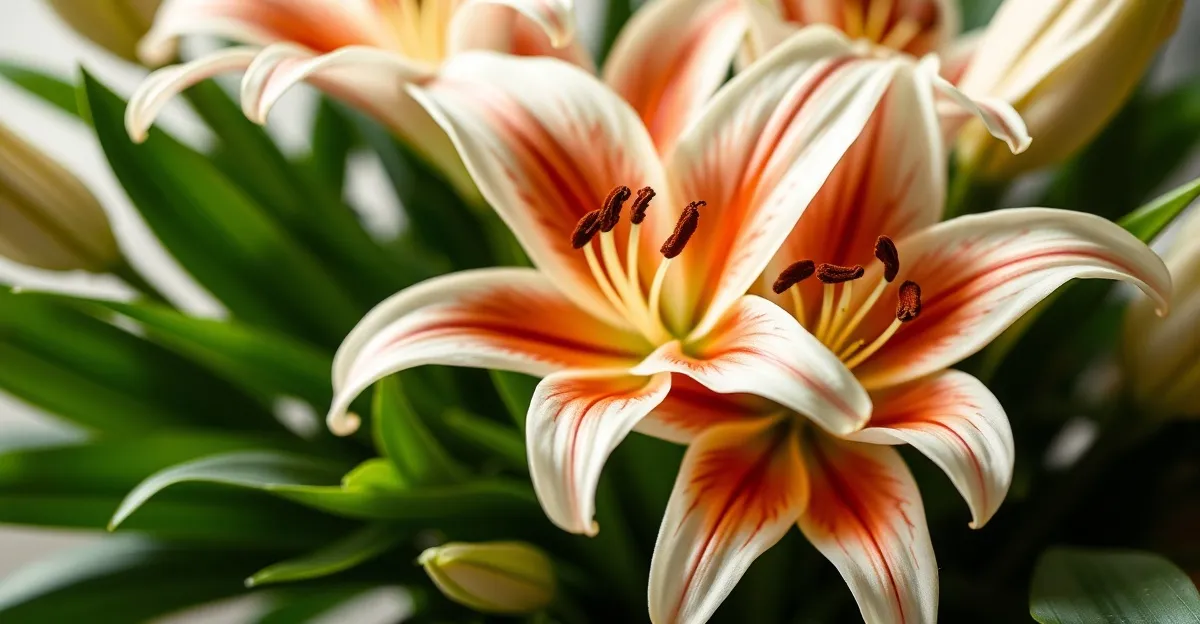
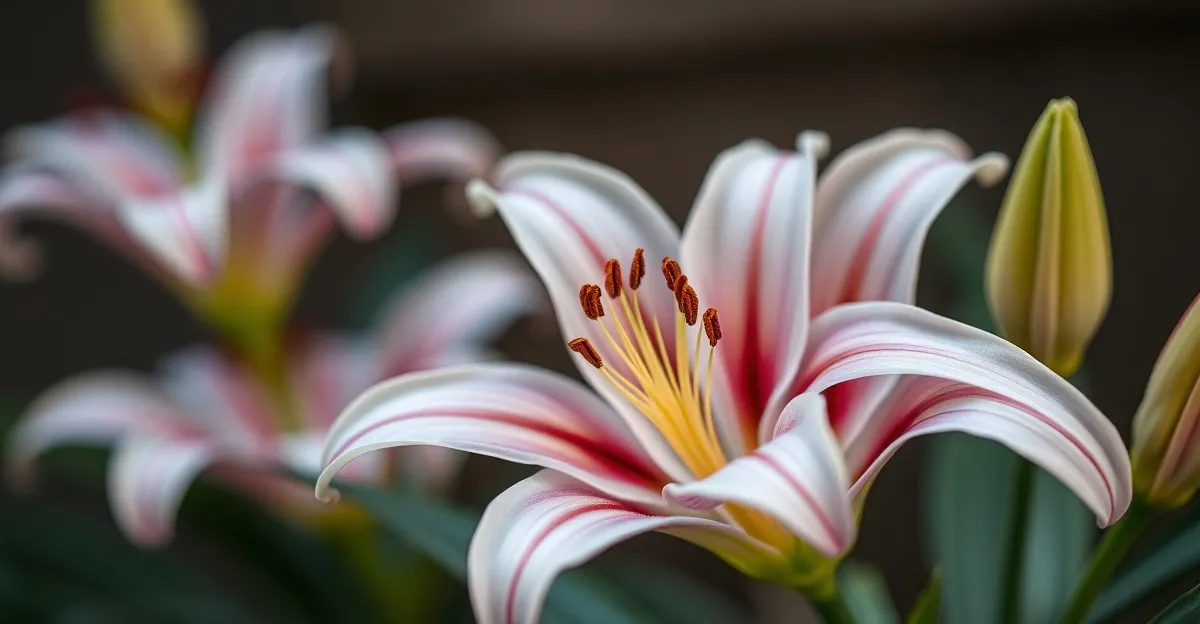
Before you pair anything with a lily, you need to understand what you're working with. Lilies are dramatic. Their blooms are large, often trumpet-shaped or reflexed, and they carry substantial visual weight. The stems are tall and strong. The leaves are blade-like and quite architectural.
This means lilies need partners that either complement their boldness or provide a soft counterpoint. Flowers that try to compete — oversized dahlias in clashing colours, for instance — will just create visual noise. The goal is harmony, not a battle.
Texture and Scale
Think about texture first. Lilies have a smooth, almost waxy petal surface. This means they pair beautifully with textural flowers like waxflowers, astilbe, or the feathery lightness of baby's breath. The contrast between the lily's smooth surface and a frothy, airy companion creates depth without competition.
In terms of scale, avoid pairing lilies with other flowers of identical size. If you're using Oriental lilies — which can span fifteen centimetres across when fully open — your supporting blooms should be smaller. Spray roses, lisianthus, and alstroemeria all sit comfortably in the supporting role.
Scent Considerations
Lilies, particularly Oriental varieties, have a scent that can be intense. In a Bali villa where windows stay open and the air is warm, that fragrance amplifies. If you're building an arrangement for an indoor space or gifting to someone who prefers subtlety, choose unscented companions: think roses, anthurium, or tropical greens. This way the lily's perfume remains the star without becoming overwhelming.
Classic Pairings That Always Work
Some combinations have stood the test of time because they simply look right. These are the ones we return to again and again.
Lily and Rose
This is the most classic of all pairings and for good reason. The rose and lily are both considered premium flowers, both work in similar water conditions, and their vase lives tend to overlap well. White Casablanca lilies with blush garden roses make one of the most beautiful arrangements possible — the lily's structured formality softened by the rose's layered, informal petals.
In Bali, where we work with a mix of locally sourced and imported flowers, we often pair peach or coral roses with pink Stargazer lilies for arrangements that feel tropical and celebratory without being garish.
Lily and Eucalyptus
Greenery is often an afterthought, but eucalyptus earns its place next to a lily. The silver-green foliage, whether you use seeded eucalyptus or the round coin variety, provides both colour contrast and a clean, herbal scent that balances the lily's sweetness. Eucalyptus also has a similar stem strength to a lily, so it holds its structure without drooping.
Lily and Lisianthus
Lisianthus is one of the most underrated supporting blooms in the florist's toolkit. Its ruffled, layered petals look like a cross between a rose and a peony, and it comes in white, purple, lavender, and pale pink — all of which sit beautifully alongside white, yellow, or pink lilies. The texture contrast is exactly what you want: the lisianthus's soft, ruffly blooms against the lily's smooth trumpets.
Colour Palette Pairings
Working with colour is where you can really personalise an arrangement. Here are the palettes that work consistently well with lilies.
White and Green (Classic Elegance)
White Oriental lilies with white lisianthus, baby's breath, and trailing eucalyptus. This is the arrangement that suits every context — a sympathy tribute, a wedding table centrepiece, a housewarming gift for someone with minimalist taste. The green keeps it from feeling cold.
Coral and Peach (Tropical Warmth)
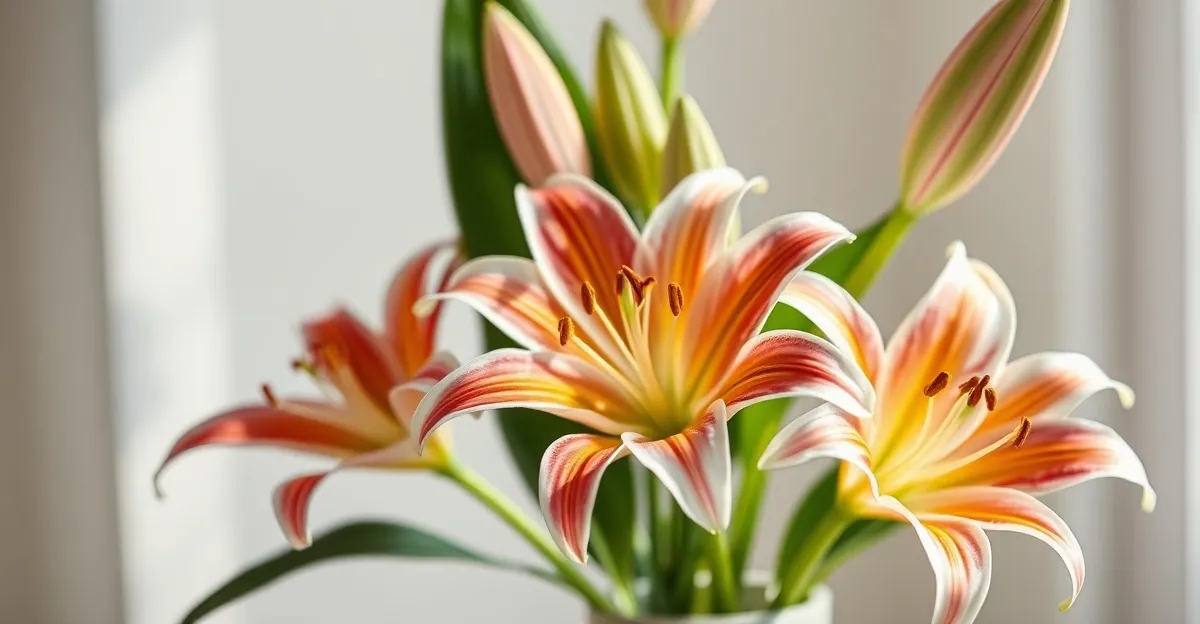
Asiatic lilies in coral or orange paired with peach spray roses, apricot ranunculus, and waxflower. This is a Bali-made palette: warm, alive, completely at home in the light here. It works beautifully in terracotta vases and looks incredible on a timber dining table.
Purple and White (Drama and Depth)
Purple or deep burgundy lilies — varieties like Landini — paired with white snapdragons, white freesia, and dark green foliage. The contrast is stunning, and the scent combination is remarkable.
Soft Blush and Cream (Romantic and Gentle)
Pink Stargazer lilies with cream roses, soft lavender lisianthus, and baby's breath. This is the palette for romantic gestures: birthdays, anniversaries, proposals. If you're looking for first date flower delivery in Bali, this kind of palette says everything you want it to.
Flowers That Don't Pair Well with Lily
Knowing what to avoid is just as useful as knowing what to reach for.
Sunflowers: Both are bold, both have strong visual presence, and they tend to compete rather than complement. The scale mismatch when you put a large sunflower head next to a trumpet lily creates awkwardness rather than drama.
Gerbera daisies: The flat, circular face of a gerbera and the trumpet shape of a lily create visual conflict. They're also flowers associated with very different aesthetics — gerberas lean casual and cheerful, lilies lean elegant and structural.
Chrysanthemums: A similar issue. The massed petal structure of a chrysanthemum competes with the lily rather than supporting it, and the two together can read as cluttered.
Other highly scented flowers: Combining lilies with gardenia, jasmine, or tuberose creates a scent profile that is simply too intense in warm climates. Save these for separate arrangements.
Working with Tropical Greens in Bali
One of the genuine pleasures of working with flowers in Bali is the access to extraordinary tropical foliage. Some of our favourite lily companions aren't other flowers at all — they're leaves and stems from the island's lush landscape.
Monstera leaves: A single large monstera leaf behind a cluster of white Casablanca lilies is architectural and stunning. This is the kind of arrangement that photographs beautifully and holds its structure for days.
Palm fronds: Areca or cat palm fronds add movement and height. They work particularly well in floor-standing vase arrangements where you want to create drama with scale.
Ti leaves: Available in deep burgundy and rich green, ti leaves add both colour and structure. They're incredibly long-lasting and give an arrangement a distinctly Balinese character.
Tropical ferns: The delicate, feathery quality of local ferns provides the same soft contrast that baby's breath does in temperate climates, but with more visual interest and better heat tolerance.

The team
your florists
weekly subscription · Bali
We write about flowers because we love them. We deliver them because someone should — properly, weekly, across Bali.
— heyflowerPay once for 3, 6, or 12 months, no auto-renewal.
Practical Tips for Mixed Lily Arrangements
A few things to keep in mind when you're putting an arrangement together — or when you receive a mixed bouquet with lilies.
Remove the pollen stamens: Before the lily fully opens, remove the stamens to prevent pollen drop. Lily pollen stains fabric, timber, and skin a vivid orange-yellow and the stain is very difficult to remove. A gentle pinch with a tissue is all it takes.
Condition your stems: All cut flowers benefit from at least two hours in water before arranging. Lilies especially need this time to drink and settle. Cut the stem at a 45-degree angle under running water if possible.
Stage your blooms: Don't wait for all your flowers to open before arranging. Put lilies in when they're still in bud, then add your supporting blooms. As the lilies open over the next two to three days, the arrangement will shift and evolve — which is part of the pleasure.
Water depth matters: Lilies do best in deeper water than more delicate flowers. If you're mixing in something like sweet peas or stock, compromise by changing the water more frequently rather than keeping it very shallow.
For anyone in Canggu, Berawa, or Seminyak who would rather leave the pairing decisions to someone who does this every day, heyflower.co offers curated bouquets and weekly subscriptions built on exactly these principles. Monday deliveries, seasonal blooms, no guesswork required.
Frequently Asked Questions
What flowers pair best with white lilies?
White lilies pair best with soft supporting blooms that don't compete for attention. Excellent choices include white or blush roses, lisianthus in lavender or white, baby's breath, waxflower, and greenery like eucalyptus. For a dramatic arrangement, try white lilies with deep green monstera leaves and nothing else.
Can I mix lilies with tropical flowers in Bali?
Absolutely. Anthuriums, birds of paradise, and heliconia all work alongside lilies when the colour story is considered carefully. Keep the palette tight — choose one or two colours maximum — and let the contrast in shape and texture do the work. A white lily alongside a red anthurium against dark tropical foliage is genuinely striking.
How do I stop lily pollen from staining other flowers?
Remove the stamens (the pollen-bearing parts) as soon as the lily begins to open. Pinch them off with a tissue or small scissors, being careful not to get pollen on your skin or clothing. If pollen does land on other petals, let it dry completely and then brush it off very gently — do not rub it wet, as this will set the stain.
Which lily varieties work best in mixed arrangements?
Asiatic lilies are the most versatile because they tend to be scentless, making them easier to pair with other flowers without overwhelming. Oriental lilies are more fragrant and more dramatic — use them as the centrepiece of an arrangement with restrained supporting blooms. Calla lilies have a very different, more sculptural form and pair beautifully with modern, architectural arrangements.
How long do mixed lily arrangements last in Bali's heat?
Expect five to eight days for a well-maintained mixed arrangement. Change the water every two days, keep the vase out of direct sunlight and away from air conditioning vents (both are equally damaging), and remove any spent blooms as they fade. The lilies themselves tend to outlast their companions, so you can refresh the supporting flowers and let the lily carry the arrangement into its second week.
More on Lily