Lily Meaning and Symbolism: A Full Gifting Guide
Lilies carry centuries of symbolism — from purity and rebirth to passion and royalty. Your complete guide to gifting lilies with intention in Bali and beyond.
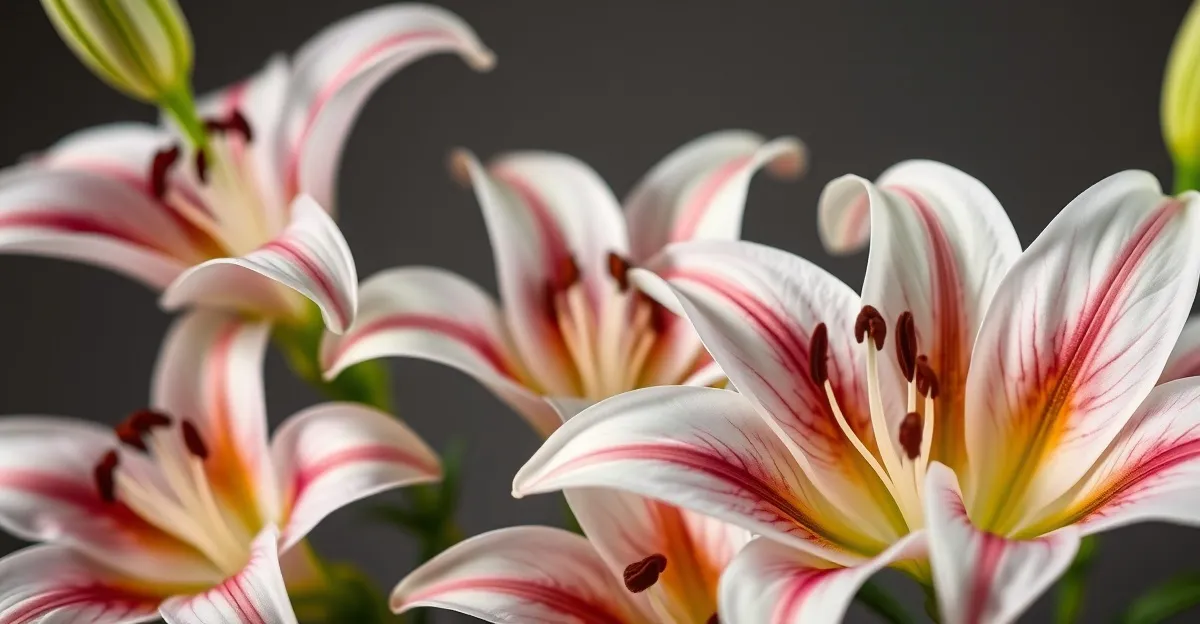
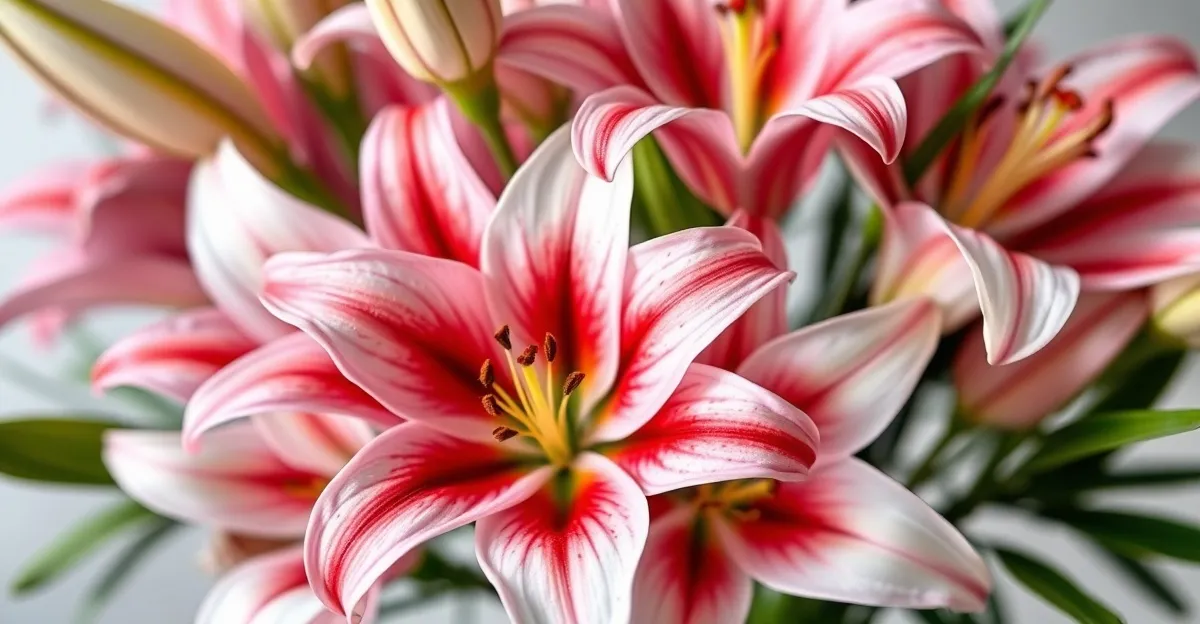
Few flowers carry as much symbolic weight as the lily. It appears in ancient Egyptian temple carvings, in Greek mythology, in Christian iconography, in Chinese poetry, and on royal crests across Europe. It's one of the oldest cultivated flowers in the world — and that depth of history has left it with a rich, sometimes contradictory set of meanings that depend enormously on context, color, and culture.
In Bali, lilies occupy an interesting position. They're not native to the island in the way frangipani and orchids are, and they don't carry the same embedded ceremonial significance. But they're widely available — sourced from Bedugul highlands and Java — and they're beloved for their strong fragrance, impressive size, and the sense of occasion they bring to any arrangement. Knowing what they mean helps you use them with intention.
The Core Symbolism: What All Lilies Share
Before getting into color-specific meanings, there are themes that run through lily symbolism across most traditions:
Purity and innocence: White lily in particular, but the association with purity runs across lily symbolism in Christianity, Buddhism, and several Asian traditions.
Renewal and rebirth: Lilies grow from bulbs that die back and return — their life cycle is a natural symbol of death and regeneration. In many traditions, the lily's spring emergence represents hope, new life, and fresh beginnings.
Beauty and femininity: The lily's dramatic form — large, open, fragrant — has consistently been associated with feminine beauty and grace across cultures.
Transience: Lilies are beautiful but brief. Their flowers last one to two weeks, and that briefness has given them associations with the precious, fleeting quality of beauty and life itself.
Lily Varieties and Their Specific Meanings
White Lily (Lilium candidum, Oriental white)
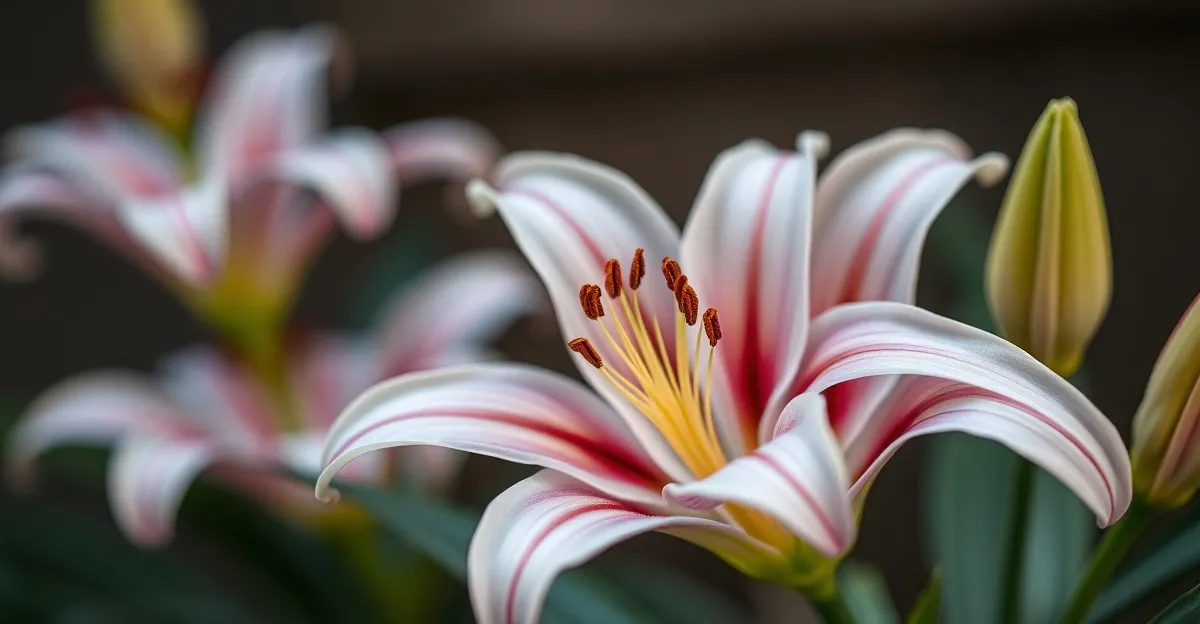
White lily is the most symbolically significant and the most widely used in gifting contexts. In Western and Christian tradition, the white lily is specifically associated with the Virgin Mary — it's the flower most commonly depicted in Annunciation paintings, symbolizing purity, divine grace, and sacred announcement.
In Chinese tradition, white lily is associated with new marriages and new beginnings — it's a traditional wedding flower carrying wishes for the couple's happiness and prosperity for a hundred years (the Chinese name for white lily, bǎi hé, can be read as "hundred unions").
In Bali, white lily in an arrangement reads as elegant, sincere, and significant. It works for:
- Wedding gifts and anniversary arrangements
- Sympathy and condolence arrangements (where its purity is appropriate)
- Celebrations of new beginnings: housewarming, new baby, graduation
- Romantic gestures where you want depth and meaning over novelty
Tiger Lily (Orange with spots)
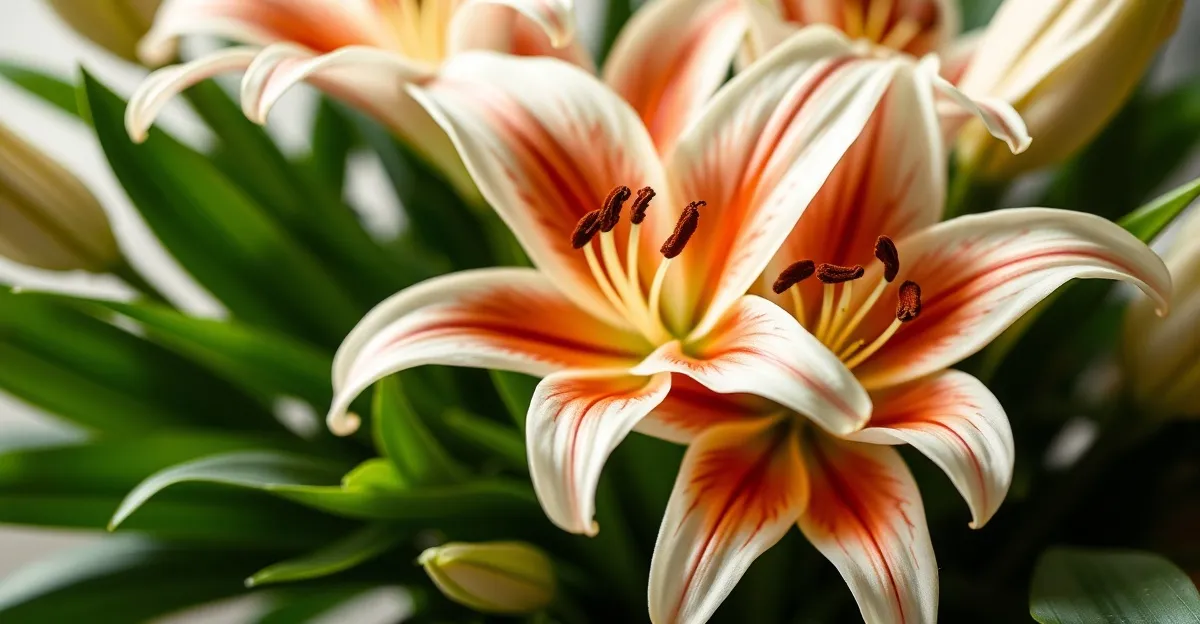
Tiger lily's spotted, upward-facing blooms suggest confidence, passion, and energy — quite different from white lily's serene purity. Orange tiger lily is associated with pride, creativity, and positive energy in various traditions.
In some Asian contexts, tiger lily is specifically associated with abundance and good fortune — the spots are read as a kind of generosity of form that implies prosperity.
Best occasions for tiger lily:
- Celebrating ambition and achievement (promotions, entrepreneurial milestones)
- Birthday gifts for people who appreciate bold, confident energy
- Combination arrangements for events where you want visual impact
Yellow Lily
Yellow lily carries joy, friendship, and warmth — but also gratitude. Yellow lily as a thank-you gift or a friendship gesture is among the most straightforward and positive uses of the flower.
In some contexts, yellow lily is also associated with thankfulness specifically — it's the flower you give to someone who helped you, supported you, or showed up for you in a meaningful way.
Pink Lily
Pink lily (Oriental pink varieties are particularly beautiful) walks between romance and gratitude. It's more intense than the yellow lily's warm friendship and gentler than red's passion — which makes it ideal for complex relational situations where you want to express affection without overcommitting a specific message.
Pink lily for a birthday, a close friendship, or a "you matter to me" gesture in a relationship that's hard to categorize — romantic but not confirmed, familial but not obligatory — is a natural fit.
Red Lily
Red lily is passionate, bold, and associated with romantic love more specifically than any other lily shade. For Valentine's Day or romantic anniversary arrangements, red lily offers an alternative to red roses that feels unexpected and deliberately chosen. Red lily in Bali, combined with deep tropical greenery, creates an arrangement with genuine drama.
Lily Symbolism in Different Cultural Contexts
East Asian Traditions
In China, Korea, and Japan, lily symbolism is primarily positive — lilies appear in celebratory and domestic contexts without the funerary associations that affect some flowers in these cultures. White lily for weddings (Chinese tradition), orange lily for abundance, pink lily for enduring love — these are the dominant gifting associations.
In Japan, lily (yuri) appears in both domestic decoration and formal art. The Madonna lily in particular carries Christian associations in Japan (introduced through Portuguese influence in the 16th century and taken up by Japanese Catholic communities), but secular lily symbolism is broadly positive.
Western and Christian Traditions
Christian iconography is saturated with white lily — it appears in depictions of the Annunciation, in Easter imagery, and in depictions of Mary throughout Western art history. For Western recipients, white lily carries these echoes even if the person is not Christian. The associations with purity, grace, and significant spiritual occasion run deep in Western cultural memory.
For sympathy arrangements in particular, white lily is almost universally appropriate for Western recipients. Lilies are among the most common sympathy flowers across European and American traditions.
Gifting in Bali's Mixed Cultural Context
Because Bali receives visitors and has long-term residents from many different cultures — Western expats, Chinese Indonesian families, Japanese tourists, Balinese Hindus, Muslims from other Indonesian islands — lily's relatively neutral multicultural profile makes it a safer cross-cultural gifting choice than more culturally specific flowers like frangipani.
The one exception is the need to avoid giving white flowers (including white lily) to Chinese Indonesian recipients for celebrations, as white is associated with mourning in Chinese tradition. For celebratory gifting to Chinese Indonesian recipients, opt for pink, yellow, or orange lily varieties. For more on navigating Bali's floral gift culture across communities, our guide on romantic flower delivery for dinners in Berawa has practical cross-cultural context.

The team
your florists
weekly subscription · Bali
We write about flowers because we love them. We deliver them because someone should — properly, weekly, across Bali.
— heyflowerPay once for 3, 6, or 12 months, no auto-renewal.
Lily in Combination: Arrangement Ideas for Bali
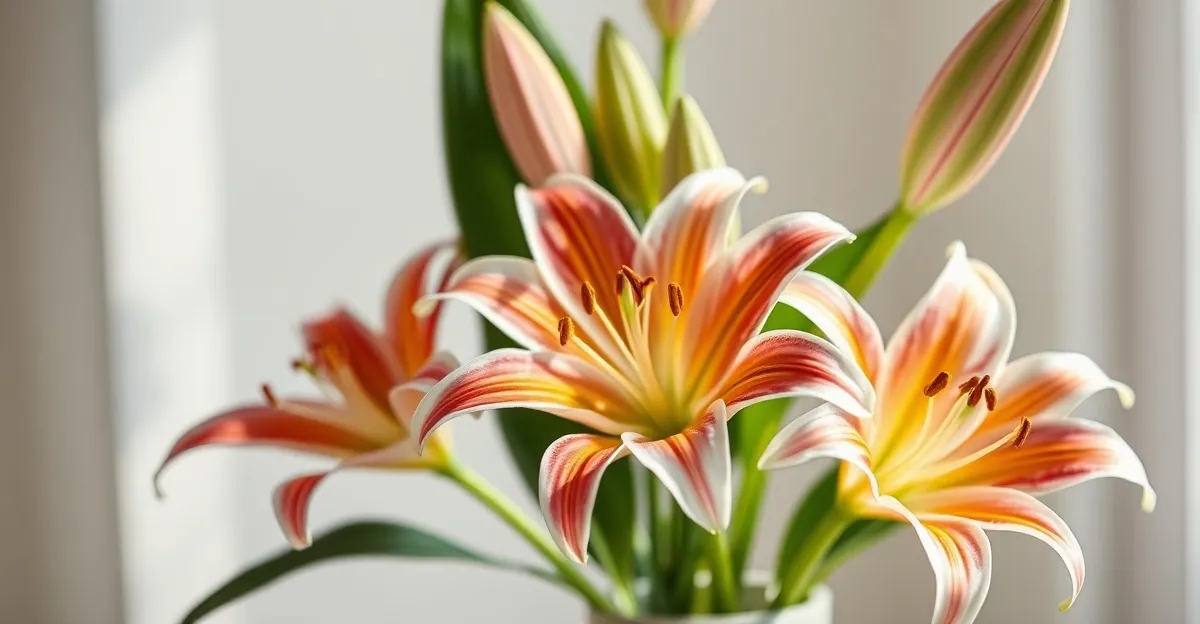
Lilies are architectural flowers — their tall stems and large blooms need space. They're rarely used as the only flower in a large arrangement because their scale benefits from contrast with smaller elements.
White lily + orchid: The prestige combination. White oriental lily with white Phalaenopsis orchid against tropical greenery is genuinely elegant and appropriate for almost any significant occasion.
Pink lily + frangipani: A distinctly Balinese combination. The tropical fragrance of frangipani with the romantic intensity of pink lily creates an arrangement that feels both local and luxurious.
Orange lily + bird of paradise: Bold, tropical, eye-catching. Perfect for celebrations and events where visual drama is part of the point.
Yellow lily + sunflower: Warm, joyful, abundant. For birthday and celebration arrangements where optimism is the message.
A Note on Lily Fragrance in the Tropics
Oriental lilies are among the most intensely fragrant flowers in common use. In temperate climates, one lily bloom fills a room with scent; in Bali's warmth, the fragrance intensifies further and can become overpowering in enclosed spaces.
For vase arrangements in Bali's air-conditioned interiors, use lilies with some restraint — two to three stems in a living room arrangement is usually sufficient for fragrance without overwhelming. In open-air or outdoor settings, the fragrance dissipates naturally and you can be more generous.
Some people are sensitive to strong lily fragrance — worth considering for gifts to people you don't know well, or for hospital environments where strong fragrance is often unwelcome.
Frequently Asked Questions
Are lilies appropriate as sympathy flowers in Bali?
White lily is appropriate for sympathy in Western cultural contexts and is generally received warmly by recipients from most backgrounds. For Chinese Indonesian recipients, white flowers can carry uncomfortable associations in other gifting contexts, but for sympathy and condolence, white flowers including lilies are appropriate. Pink or pale yellow lily is a safer cross-cultural choice if you're uncertain.
Do lilies last well in Bali's heat?
Lilies hold better in Bali than many other imported flowers, but they're best kept in air-conditioned conditions to maximize vase life. In cool indoor settings, oriental lily stems last seven to ten days. In warm outdoor conditions, expect three to five days. Remove anthers (the pollen-bearing stamens) as blooms open — this both extends vase life and prevents the pollen from staining fabric.
Are lilies grown in Bali?
Not in large commercial quantities at coastal elevations. The cooler temperatures of the Bedugul highlands (1,200 meters) produce some lily cultivation for domestic supply. Most lily cuts available in Bali's flower markets come from Java's highland growing regions. Ask your florist about freshness and origin when sourcing for significant arrangements.
What is the difference between lily and lily of the valley?
Completely different plants — only superficially similar in name. Lily (Lilium genus) is the large-flowered tropical or temperate bulb plant discussed in this guide. Lily of the valley (Convallaria majalis) is a small, intensely fragrant spring flower from European forests. Lily of the valley is rarely available fresh in Bali; lilies are common.
Can I give a potted lily plant as a gift in Bali?
Potted oriental lilies are available from some specialty nurseries in Bali, though less common than cut flowers. A potted lily plant with active blooms is a generous, lasting gift. Bear in mind that lilies prefer cooler temperatures and will struggle in Bali's coastal lowland heat outside air conditioning — they're better suited to highland areas or very cool villa environments.
Lilies carry centuries of meaning. At heyflower.co, we source the freshest available lily stems and create arrangements that bring that beauty to your Bali home. Explore our collections and weekly subscription options at heyflower.co, delivering to Canggu, Berawa, Pererenan, Seminyak, and Kerobokan.
More on Lily