Lily in Balinese Ceremonies: Traditional Uses in Bali
Do lilies appear in Balinese Hindu ceremonies? A look at traditional Balinese flower use, how lilies fit into modern ceremonial contexts, and what's truly sacred.
If you spend any time in Bali, you become acutely aware of flowers. They're everywhere — tucked into penjor poles lining the roads during Galungan, scattered on the ground before temple gates, balanced carefully in women's hair during prayer, stacked in elaborate towers of fruit and blossoms for tooth-filing ceremonies. The island runs on flowers. But which ones, and why?
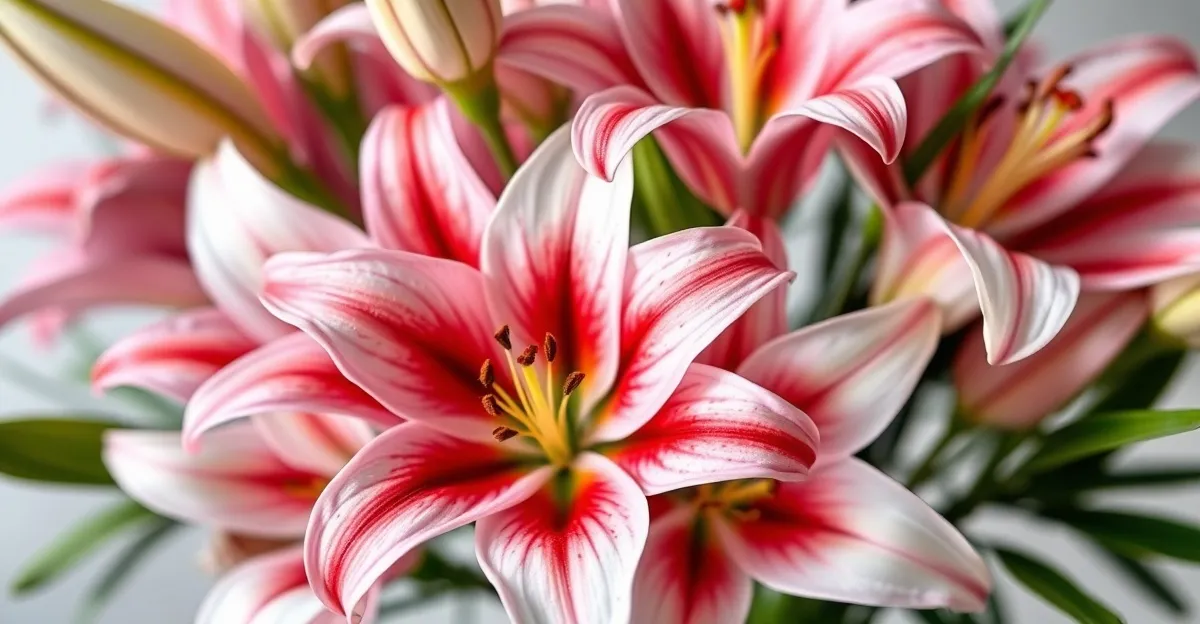
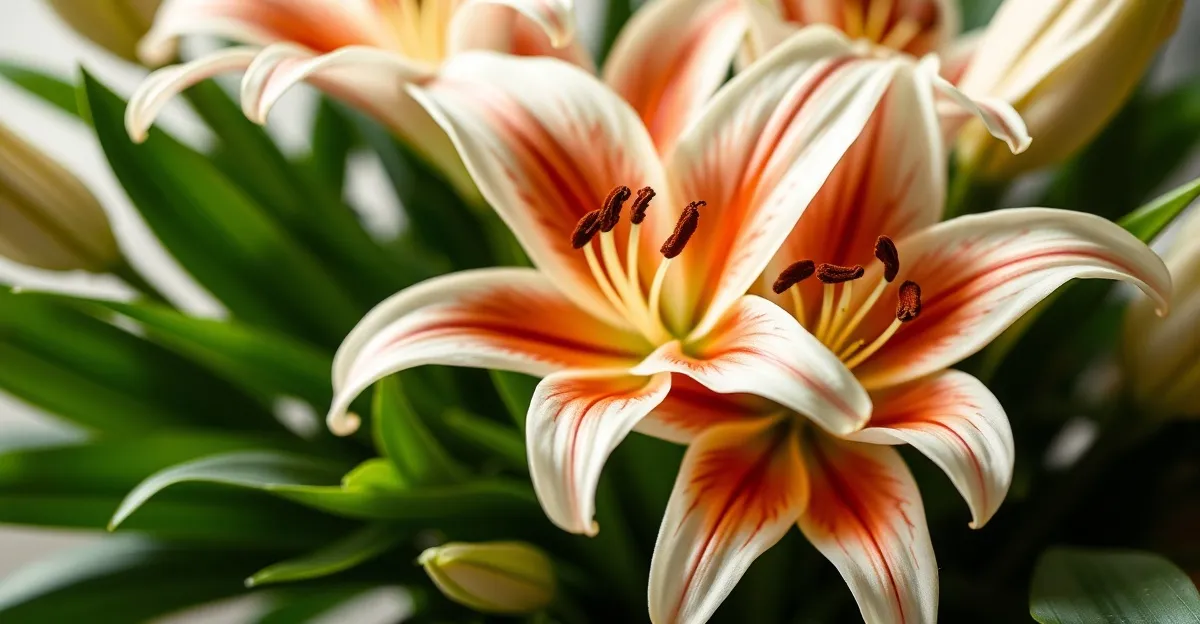
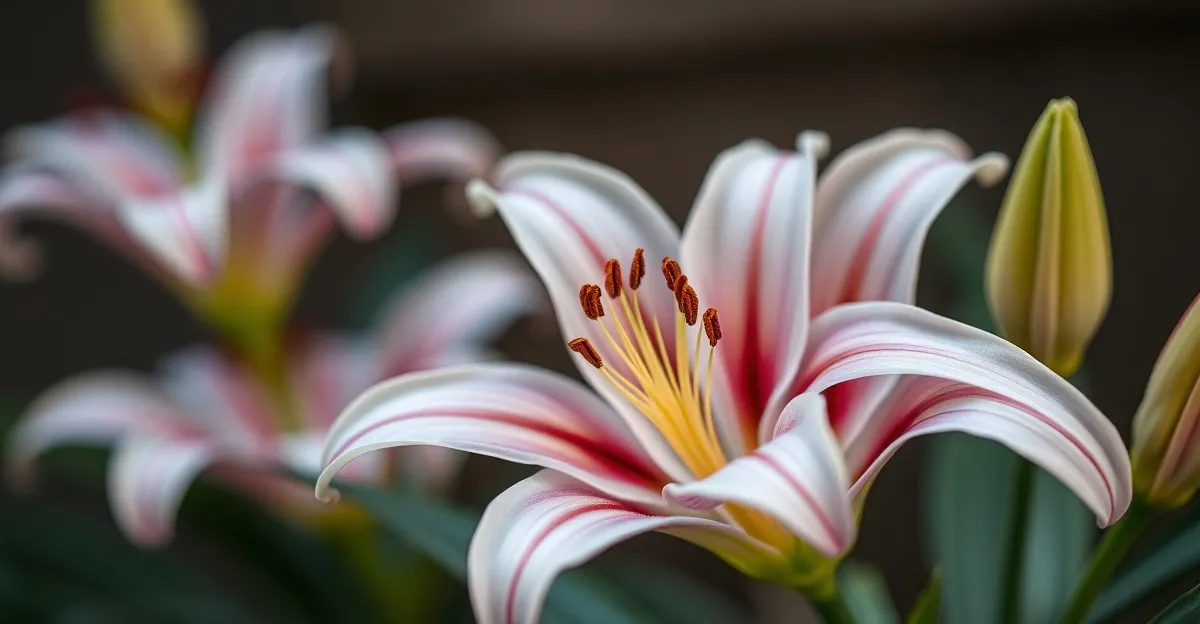
The honest answer about lilies in Balinese ceremonies is that the lily as most of us know it — the cut Oriental or Asiatic varieties in florist shops — doesn't have a traditional place in Balinese Hindu religious practice. The flowers used in Balinese ceremonies are specific, meaningful, and deeply embedded in the island's spiritual vocabulary. Lilies, as non-native imports, don't appear in that vocabulary in the way that frangipani, marigold, or jasmine do.
But that's only part of the story. Bali is a living culture, not a frozen one. Understanding where the lily fits today — in modern Balinese celebrations, in tourist-influenced floristry, in the spaces between strict tradition and contemporary life — requires a more nuanced look.
The Sacred Flower Palette of Balinese Hinduism
To understand the lily's position, you first need to understand what flowers actually do in Balinese religious practice.
Flowers in Balinese Hinduism are not merely decorative. They are offerings — physical manifestations of devotion, vehicles through which humans communicate with the divine. Each flower in a canang sari or temple offering is selected for specific qualities: its colour, its symbolism, its ritual appropriateness for a particular deity or occasion.
The core palette of Balinese sacred flowers includes:
Frangipani (jepun): The most quintessentially Balinese sacred flower. White frangipani is used for prayers to the Hindu gods, offered daily in canang sari, and used to purify sacred spaces. The tree grows in virtually every temple compound.
Marigold (gemitir): The golden yellow marigold, often in enormous quantities, is used for Galungan and Kuningan celebrations, for temple ceremonies, and as an offering to Vishnu and Brahma. Bali consumes marigolds in extraordinary volumes during ceremonial seasons.
Jasmine (cempaka putih): White jasmine carries associations with purity and is used extensively in ceremonial floral work, including as a component of offering towers and ceremonial headdresses.
Hibiscus (pucuk bang): Red hibiscus has specific ritual significance in certain Hindu ceremonies and is used as an offering to Shiva.
Plumeria: Related to frangipani, used similarly in offerings and sacred decorations.
Kenanga (ylang-ylang): Small yellow-green flowers with an extraordinary fragrance, used in offerings and worn in hair.
This palette is primarily native or long-naturalised plants — flowers that have been part of Bali's landscape and spiritual practice for centuries. The lily, arriving in its commercial cut-flower form, exists outside this traditional system.
Calla Lilies and the Modern Ceremonial Landscape
Here's where things get interesting. While classical Balinese Hindu ceremonies use their traditional botanical vocabulary, contemporary Balinese celebrations — weddings, tooth-filing ceremonies, coming-of-age events, graduation parties — have absorbed influences from across Asia, Europe, and the broader Indonesian archipelago.
Calla lilies in particular have found a place in modern Balinese wedding aesthetics. The combination of their clean, sculptural form and their association with purity and new beginnings resonates with the spiritual intent of wedding ceremonies, even if the lily itself doesn't appear in the traditional sacred palette. You'll see calla lily arrangements at the reception tables of contemporary Balinese weddings, typically alongside traditional frangipani and marigold elements that fulfil the ceremonial requirements.
This isn't cultural contradiction — it's cultural evolution. Balinese artistic traditions have always been in dialogue with outside influences, absorbing and transforming them into something distinctly Balinese.
Galungan and the Role of Flowers
Galungan, the most important Balinese Hindu holiday celebrating the triumph of dharma over adharma, creates one of the most spectacular floral displays on the island. Every household erects a penjor — a tall bamboo pole bent at the top and decorated with coconut fronds, fruit, rice, and flowers — and prepares elaborate temple offerings.
The flowers used for Galungan are primarily yellow marigolds, white frangipani, and colourful tropical blooms gathered from gardens and local markets. This is not the moment where imported lilies typically appear. The ceremonial requirements are specific, the symbolism established over generations, and local flowers fulfil the ritual function perfectly.
However, for the celebratory gatherings around Galungan — family meals, visits between relatives, offerings to guests — a beautiful arrangement of lilies alongside traditional flowers is entirely appropriate. The distinction is between what goes on the altar and what adorns the table where people eat and gather.
Temple Decorations: Where Lilies Sometimes Appear
Some of Bali's larger Hindu temples, particularly those associated with ceremonies attended by international visitors or located in tourist areas, have incorporated non-traditional flowers into decorative (as opposed to strictly ritual) contexts. Lily arrangements in temple compound gardens, on guest welcome tables at sacred site entrances, or in the decorative elements of ceremonies that blend spiritual and social functions.
Again, this represents the living, breathing quality of Balinese culture. The ritual core — what goes on the pelinggih shrine, what constitutes a valid offering to the gods — remains specific and traditional. The peripheral, social, and decorative elements have more flexibility.
The Lily in Balinese Life Events
Outside of strictly religious ceremonies, lilies appear naturally in many Balinese life celebrations.
Weddings
Contemporary Balinese weddings increasingly incorporate lilies into reception floristry. White lilies, particularly calla lilies, pair beautifully with the gold and white colour palette common in Balinese ceremonial aesthetics. They're not part of the ritual wedding ceremony itself, but they're very much part of the celebration that surrounds it.
New Baby Celebrations
For the baby's first ceremony (typically held when the child is 42 days old), flowers play a significant celebratory role. Soft pink and white lily arrangements have become popular gifts from friends and family who want to give something beautiful and personally meaningful rather than following only traditional forms.
Memorial Ceremonies
White flowers carry associations with peace and remembrance across many traditions, and this is one area where the lily's symbolism aligns naturally with Balinese memorial practices. White lily arrangements alongside traditional frangipani and jasmine offerings are entirely appropriate for Balinese memorial ceremonies, particularly among families with international connections or more urban sensibilities.

The team
your florists
weekly subscription · Bali
We write about flowers because we love them. We deliver them because someone should — properly, weekly, across Bali.
— heyflowerPay once for 3, 6, or 12 months, no auto-renewal.
Giving Flowers in a Balinese Context
If you want to gift flowers to a Balinese friend, colleague, or host, here's how to think about it.
Lilies — especially white or yellow varieties — are appropriate, appreciated, and beautiful. They don't carry the funeral associations that white flowers have in Chinese culture, and in Balinese Hindu tradition, there's no taboo around lilies as gifts.
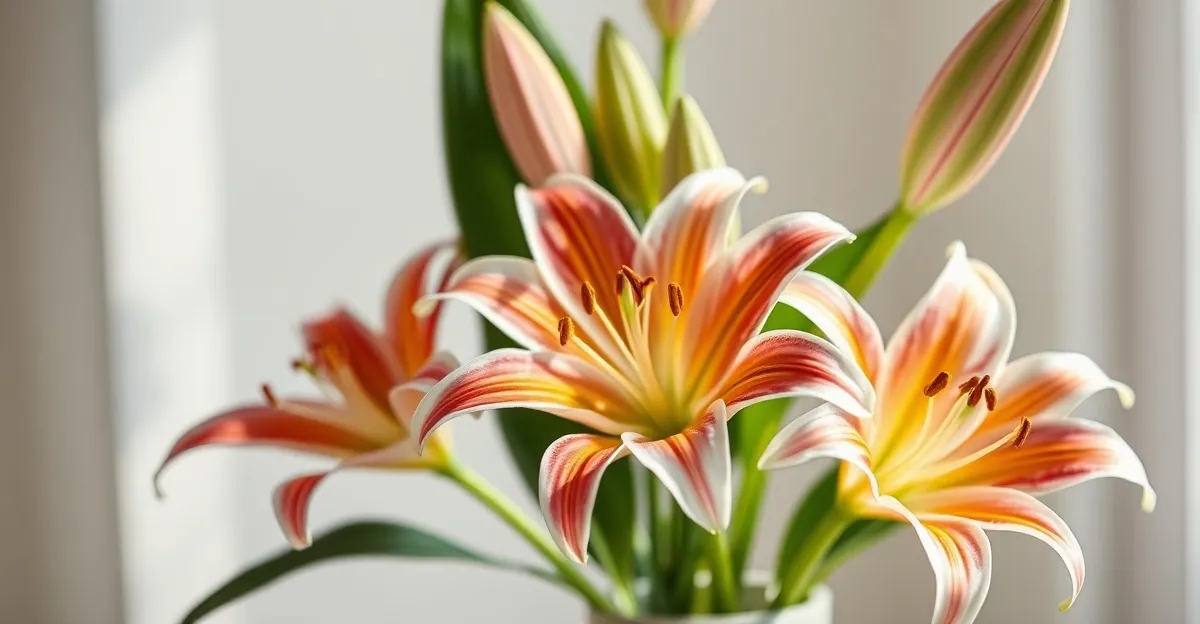
What matters more in a Balinese gifting context is gesture, presentation, and colour appropriateness. White and yellow are auspicious colours; deep red and black are used in specific ritual contexts and are less ideal for general celebratory gifting. A beautiful lily arrangement with yellow marigolds, orange lilies, and tropical greenery is a gift that would be warmly received in almost any Balinese household.
You can also read about the Galungan flower subscription ideas for more guidance on giving flowers around Bali's most important ceremonies.
A Living Tradition
The relationship between flowers and ceremony in Bali is not a museum piece. It's alive, evolving, and genuinely complex. Traditional sacred flower use is being maintained with remarkable fidelity by the island's Hindu communities. At the same time, new aesthetics — influenced by international floristry, tourism, and globalised flower markets — are creating space for flowers like the lily in the broader fabric of Balinese celebration.
For those living in or visiting Canggu, Berawa, Seminyak, and the surrounding areas, heyflower.co creates arrangements that understand both dimensions: the deep floral traditions of Bali and the contemporary, globally-influenced aesthetic of life here now. Our Monday deliveries bring fresh flowers to villas and homes across the area, combining tropical and imported blooms in ways that feel genuinely at home on this island.
Frequently Asked Questions
Do Balinese Hindus use lilies in temple offerings?
Traditional canang sari and formal temple offerings use specific flowers with established sacred meanings in Balinese Hinduism — primarily frangipani, marigold, jasmine, and hibiscus. Lilies don't have a traditional role in these offerings. However, lilies are appropriate for decorative and celebratory contexts around ceremonies and are sometimes used in modern ceremonial floristry outside the strict ritual components.
What flowers are used in a canang sari?
A canang sari typically includes white flowers (frangipani or jasmine) for the east, red flowers (hibiscus) for the south, yellow flowers (marigold or kenanga) for the west, and blue or green flowers for the north. The colours correspond to the four cardinal directions and their associated deities. The specific flowers used vary by household tradition, availability, and the deity being honoured.
Is it culturally appropriate to bring lily flowers to a Balinese ceremony?
Yes, for the social and celebratory elements of Balinese ceremonies. If you're attending a Balinese wedding, graduation, or family celebration, a beautiful lily arrangement is a thoughtful and appropriate gift. For temple ceremonies or events with strict ritual components, follow the host's lead — but a decorative lily gift for the family is generally welcomed.
Why are frangipani so important in Bali?
Frangipani (called jepun in Balinese) is one of the most sacred flowers in Balinese Hinduism. It grows in virtually every temple compound and household garden. The flower's association with purity, divine fragrance, and connection to the gods makes it the quintessential offering flower. It's also native to the Americas but was naturalised in Bali centuries ago and has become so embedded in the island's spiritual life that it feels inseparable from Balinese identity.
Can I buy traditional Balinese ceremonial flowers from a regular florist?
Yes and no. Regular florists in Bali carry many of the flowers used in ceremonies — frangipani, marigold, jasmine — but the ceremonial preparation of these flowers (weaving them into canang sari, constructing offering towers) is a skilled art typically passed down within families or through specialist offering makers. For ceremonial flowers specifically prepared for religious use, the pasar bunga (flower market) in Denpasar is the primary source, and most Balinese families know exactly what they need and where to get it.
More on Lily