Jasmine Vase Life in the Tropics: How Long Do They Last?
How long does jasmine last in a vase in Bali's heat? Here's the honest answer from our florists, plus practical tips to extend freshness in the tropics.
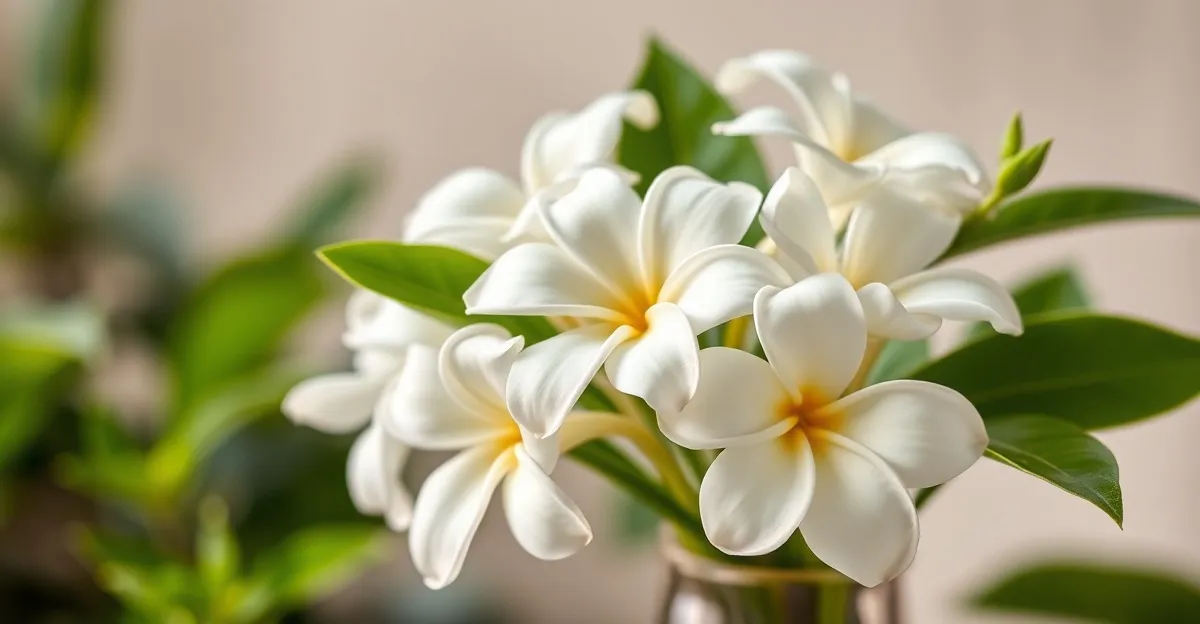
The most common question we hear from customers who have just received a jasmine bouquet in Bali is some variation of: "It smells incredible — but how long will it last?" It is a fair question, and it deserves an honest answer rather than the optimistic vagueness that flower shops sometimes default to.
The truth is that jasmine is not the longest-lasting cut flower in a tropical climate. In Bali's heat and humidity, you are working against conditions that accelerate the cellular breakdown that causes flowers to wilt. But with the right approach, you can absolutely extend your jasmine's vase life to its maximum potential — and enjoy the extraordinary fragrance throughout that time.
Here is everything you need to know about jasmine vase life in Bali's tropical climate, species by species, care step by care step.
How Long Does Jasmine Last in a Vase in Bali?
The honest answer depends on which species you have, how fresh it was when you received it, and how well you care for it. Here are realistic ranges for Bali's climate:
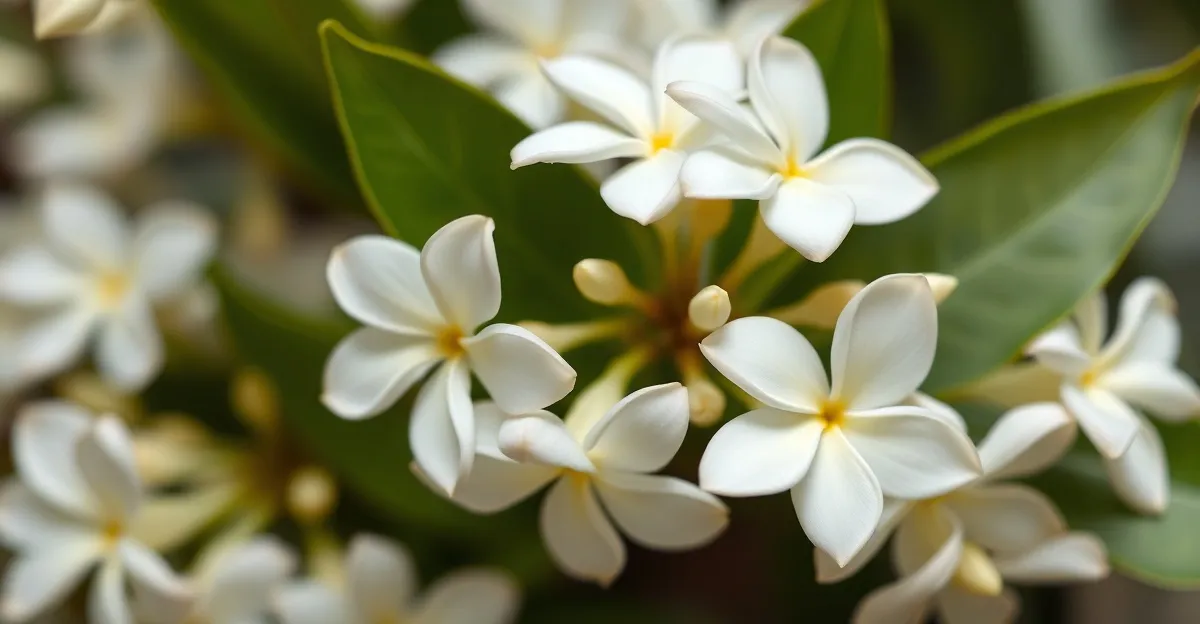
Jasminum sambac (Melati / Arabian Jasmine): 2–4 days at peak freshness. The smallest and most delicate of the common jasmine species, melati blooms are also the most fragile in a vase. However, each individual flower that finishes is usually replaced by others opening from the same cluster, so the arrangement can remain visually fresh longer than individual flowers last.
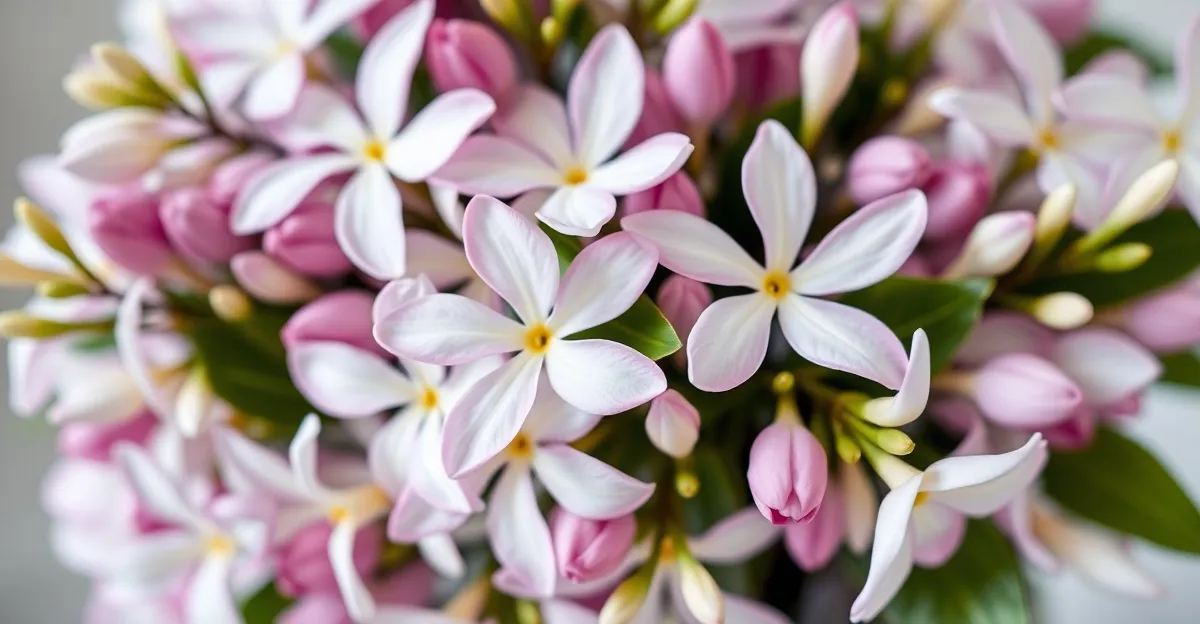
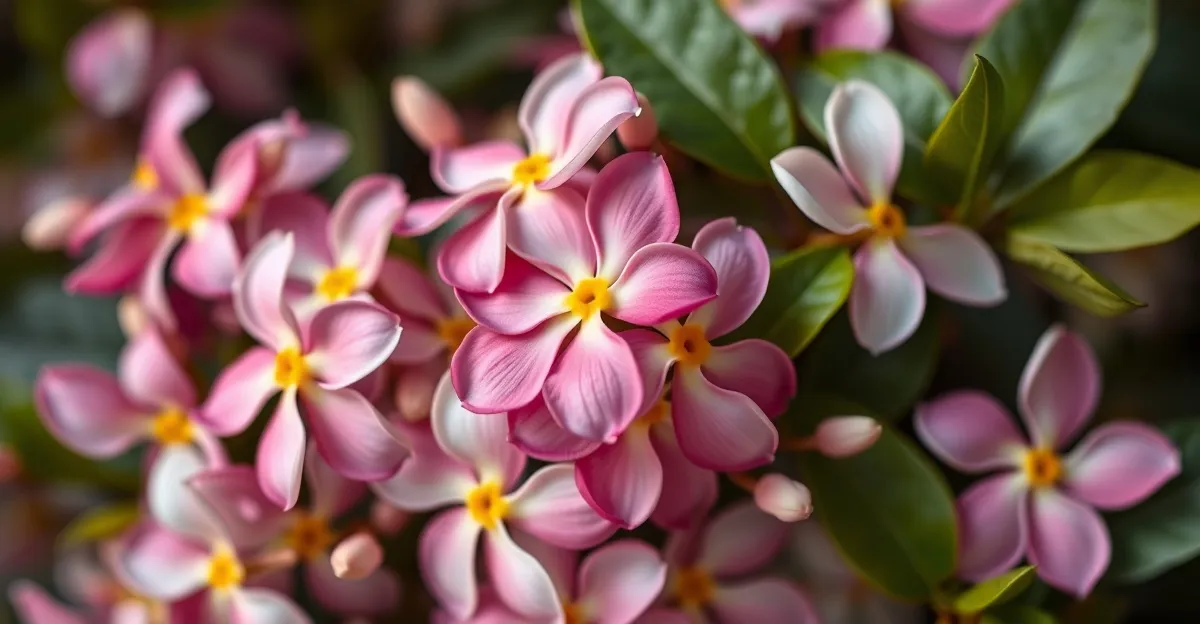
Jasminum polyanthum (Pink Jasmine): 4–7 days. This species, with its prolific clusters of pink buds opening to white flowers, tends to last longer in a vase than sambac. The buds open progressively over several days, giving you an extended bloom period.
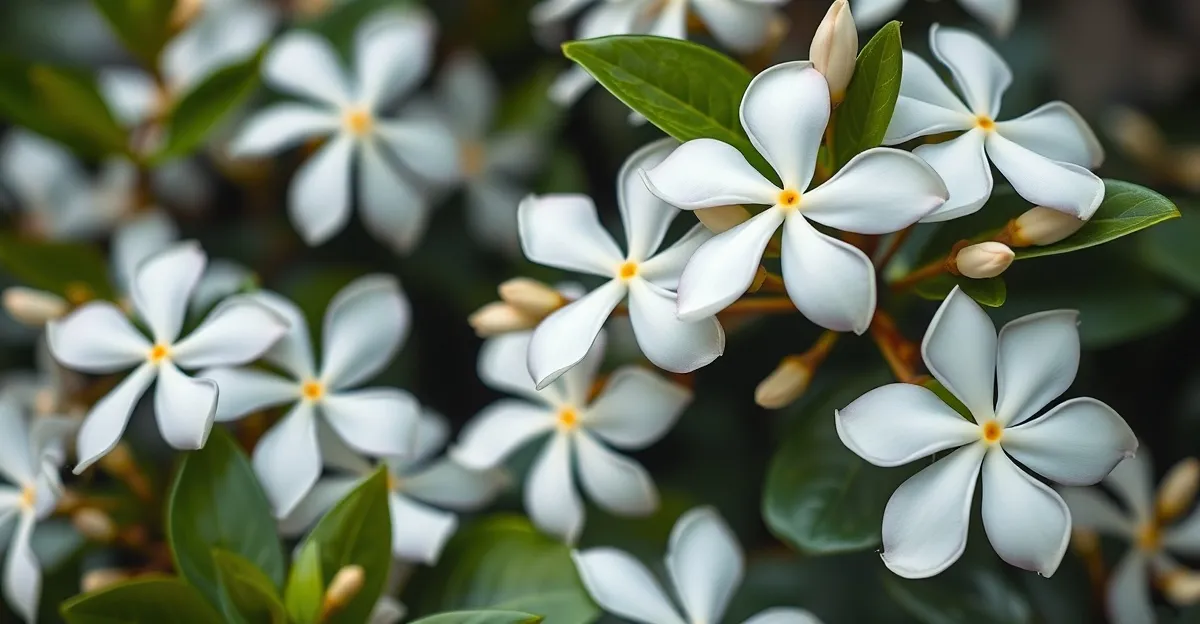
Jasminum officinale (Common/True Jasmine): 4–6 days in a well-maintained vase. More robust than sambac but sensitive to heat.
Mixed jasmine in a bouquet with other flowers: The jasmine component typically shows its age first. Plan for 3–5 days of the jasmine being at its best, with other flowers potentially lasting longer.
Why Does Jasmine Have a Shorter Vase Life in the Tropics?
Understanding the mechanisms helps you work with them rather than against them.
Heat Accelerates Everything
Bacterial growth in vase water doubles roughly every 10°C of temperature increase. In Bali, where indoor temperatures often range from 26°C to 32°C without air conditioning, the bacteria that cloud vase water and block stems multiply many times faster than they would in a 18°C European room. These bacteria produce substances that block the water-conducting vessels in the stem, essentially suffocating the flower from below.
High Humidity Does Not Help as Much as You Might Think
While humidity reduces transpiration (water loss through the petals), high ambient humidity also encourages the growth of moulds and rots that accelerate petal browning. The net effect in Bali's climate is that jasmine blooms tend to bruise and discolour more quickly than in drier climates.
Jasmine's Delicate Petal Structure
Jasmine petals are thin, almost translucent at the tip, with limited capacity to hold moisture. Once the stem's water uptake is compromised even slightly, these delicate petals are the first to show it.
Step-by-Step Care for Maximum Vase Life
On Receipt: The Critical First Steps
- Re-cut the stems immediately. Use sharp scissors or a clean knife, and cut at a 45-degree angle to maximise the surface area available for water uptake. Cut at least 2 cm from the existing cut.
- Remove all foliage below the waterline. Submerged leaves rot quickly and massively accelerate bacterial growth in the water.
- Use a clean vase. Residual bacteria from a previous arrangement can immediately compromise your new flowers. Wash with hot soapy water and rinse thoroughly.
- Fill with room-temperature water — not cold, not warm. Water that is too cold can shock tropical flowers that are adapted to warmth.
- Add a floral preservative if provided with your bouquet. If not, a home solution works well: 1 teaspoon of sugar, 1 teaspoon of apple cider vinegar, and a small drop of bleach per litre of water.
Ongoing Care
Change the water every second day and re-cut stems each time. In Bali's heat, two days is the maximum before vase water becomes a bacterial soup. Many people underestimate how transformative this simple step is — clean water every two days can add 2–3 full days to your jasmine's vase life.
Keep away from heat sources and direct sun. Avoid: windowsills in direct afternoon sun (massive heat stress), ceiling fans (rapid dehydration), air conditioning vents (desiccating cold air), and the top of the refrigerator (heat from the compressor). A cool, bright interior spot is ideal.
Keep away from fruit. Ripening fruit releases ethylene gas, which dramatically accelerates petal drop in jasmine. Keep your bouquet well away from the fruit bowl — in Bali's fruit-abundant household culture, this is more relevant than it sounds.
At night in warm weather: If temperatures are very high (30°C+) and you do not have air conditioning, consider moving the bouquet to the coolest room in the house overnight. Even a 3–4°C reduction in ambient temperature can meaningfully slow bacterial growth.
Extending Life Through the Bouquet's Stages
Jasmine bouquets tend to move through stages rather than simply fading uniformly. Understanding these stages helps you enjoy the arrangement at each point rather than feeling disappointed when the first stage passes.
Stage 1: Peak Freshness (Days 1–2)
This is when the fragrance is most intense, the flowers most open and plump. The arrangement is at its most beautiful during this window. Position it somewhere you will appreciate it frequently — a dining table or bedside table rather than a corner of a room.
Stage 2: Transition (Days 3–4)
Some flowers will begin showing their age — slight browning at petal edges is normal. The fragrance reduces but is often still present. Removing individual spent flowers rather than the entire stem can help the arrangement remain visually clean.
Stage 3: Final Days (Days 5–7 for polyanthum; 4–5 for sambac)
At this stage, the aesthetic peak has passed but the arrangement still has life. Many people use this stage to do something creative: float individual petals in a small bowl of water for a few hours to release fragrance into a room, or dry the remaining flowers using silica gel or pressing to create a keepsake.

The team
your florists
weekly subscription · Bali
We write about flowers because we love them. We deliver them because someone should — properly, weekly, across Bali.
— heyflowerPay once for 3, 6, or 12 months, no auto-renewal.
Species-Specific Care Notes
Caring for Melati (Jasminum sambac)
Melati is the most demanding in vase care but also the most rewarding in fragrance. The clustered flower heads open and close based on temperature — they often close slightly at night and re-open in the morning warmth. Do not be alarmed by this; it is the flower's natural behaviour, not a sign of deterioration. Keep melati away from cold air conditioning drafts, which trigger premature closing.
Caring for Pink Jasmine (Jasminum polyanthum)
The progressive opening of pink jasmine buds means you get days of visual interest as flowers open. Once flowers have fully opened and begun to show age, gently removing individual spent flowers from the cluster keeps the arrangement looking fresh. The remaining buds will continue to open.
When to Accept It Is Time
There is no shame in a flower reaching the end of its vase life — it is the nature of cut flowers. When the petals are clearly browning, the stems feel slimy in the water, and the fragrance has given way to a slightly sour smell, it is time to compost the arrangement. In Bali's climate, this is a part of daily life rather than a failure. The consolation is that a new arrangement, just as beautiful and fragrant, can arrive at your door within 24 hours with heyflower.co.
Frequently Asked Questions
Can I revive wilting jasmine by submerging the whole stem in water?
This technique — sometimes called "deep watering" — can work for wilted jasmine that has not yet turned brown. Submerge the entire stem, leaves and flowers, in a basin of room-temperature water for 20–30 minutes. Re-cut the stem and place in fresh vase water. This is most effective within the first few hours of wilting; advanced wilting is usually not reversible.
Why does my jasmine lose its fragrance before the flowers look faded?
Fragrance compounds are among the most volatile components of jasmine flowers — they disperse into the air continuously as the flower ages. As the essential oil reserves in the petals are depleted, fragrance reduces even as the flowers continue to look visually acceptable. This is normal and expected, especially after day 3.
Does misting jasmine flowers help in Bali's heat?
A very light misting can help in extreme heat, but avoid heavy misting — excess moisture on jasmine petals in humid conditions accelerates browning. If you mist, do so in the morning and allow the mist to evaporate before the heat of the day. Never mist when the bouquet is in still, humid air.
Do jasmine flowers last longer in a shallow or deep vase?
A moderate-depth vase — roughly two-thirds the height of the stems — is ideal. Too shallow and stems cannot take up adequate water; too deep and you risk submerging leaves that will rot. Clean, fresh water at the right depth matters more than vase shape.
Can I refrigerate jasmine overnight to extend its life?
Briefly, yes — but jasmine is a tropical flower that dislikes temperatures below about 10°C. A standard home refrigerator at 4°C will damage jasmine petals if used for extended periods. If you use a refrigerator, set it to the warmest setting and limit time to a few hours at most. A cool interior room (22–24°C with air conditioning) is preferable.
Jasmine's relative brevity in the vase is part of its character — it asks you to be present for it, to appreciate it fully while it lasts. At heyflower.co, we source and prepare jasmine for maximum freshness at the point of delivery, giving you the best possible start to your jasmine's vase life. The best solution to jasmine's short season in any single vase is simply to have more of it, more often — which is exactly what our flower subscriptions at heyflower.co are designed to provide.
For care advice on another beloved tropical flower, how to care for jasmine in Bali's humid climate covers both the living plant and the cut stem in detail.
More on Jasmine