How to Care for Jasmine in Bali's Humid Climate
Practical jasmine care tips for Bali's tropical humidity — from choosing the right spot and watering routine to keeping cut stems fresh in the heat.
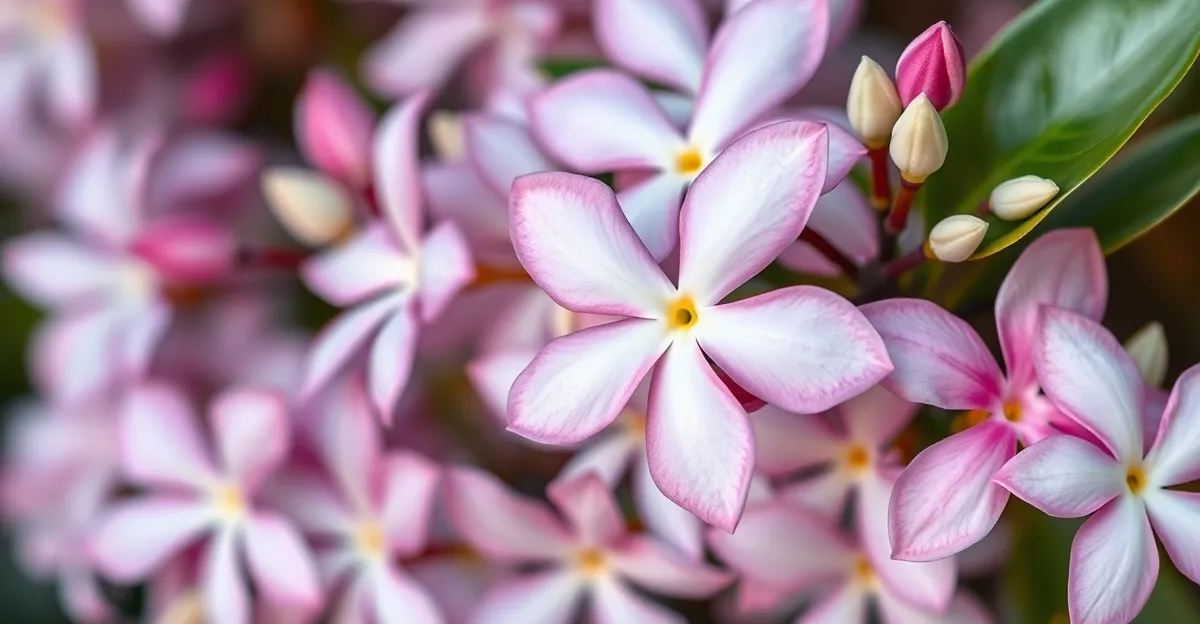
Jasmine and Bali are made for each other — in theory. The plant thrives in tropical climates, loves warm nights, and blooms generously in conditions that would defeat many temperate-zone favourites. Yet visitors and even long-term residents are often surprised to discover that jasmine in Bali still requires thoughtful care to perform at its best. The same humidity that makes the island lush and spectacular also creates conditions for fungal disease, root rot, and pest problems that can quickly reduce a thriving jasmine vine to a sorry tangle of yellow leaves.
Whether you are growing jasmine in a pot on your villa terrace in Canggu, training it over a garden wall in Ubud, or simply trying to keep a cut jasmine bouquet fresh for as long as possible, this guide covers everything you need to know for Bali's specific climate.
Understanding Bali's Climate and What It Means for Jasmine
Bali sits roughly 8 degrees south of the equator, with a tropical monsoon climate characterised by a pronounced wet season (roughly November to March) and dry season (roughly May to October). Temperatures are warm year-round, typically between 24°C and 33°C at coastal elevations.
Humidity Levels Through the Year
Coastal areas like Seminyak, Canggu, and Kuta see relative humidity ranging from around 70% in the dry season to over 85% in the wet season. Inland and upland areas like Ubud and Bedugul can reach 90% humidity during the wet season. These are conditions that jasmine can generally handle — it is a tropical plant, after all — but high humidity combined with poor airflow and overwatering is where problems arise.
What Jasmine Loves in This Climate
- Warm temperatures (jasmine is happiest between 20°C and 32°C)
- Bright, indirect light or morning direct sun
- Good airflow around the foliage
- Regular but not excessive moisture at the roots
- Periods of dryness between waterings
What Jasmine Struggles With in Bali
- Waterlogged soil in the wet season
- Still, humid air with no air circulation (invites fungal disease)
- Salt-laden coastal breezes (affects plants in beachfront locations)
- Intense afternoon sun in exposed coastal positions
Choosing the Right Spot for Your Jasmine Plant
Location is the single most important decision you make for a jasmine plant in Bali. Get it right and the plant will reward you with abundant fragrant blooms for years. Get it wrong and you will spend your time managing disease and decline.
Ideal Positions
Semi-shaded with morning sun: Jasmine does best where it receives direct sunlight for 3–4 hours in the morning (eastern or southeastern exposure) and filtered or dappled light through the rest of the day. This is the sweet spot: enough light for robust blooming, not so much heat stress from the intense Bali afternoon sun.
Good airflow: A spot where gentle breezes can move through the foliage regularly is far preferable to a still, enclosed corner. Airflow reduces humidity around the leaves, which dramatically decreases fungal disease risk. Terrace railings, open garden walls, and pergolas are ideal training structures.
Elevated from the ground: Container-grown jasmine should be on a raised platform or pot feet rather than sitting directly on soil or concrete, which can trap moisture around the root zone.
Positions to Avoid
- Full western sun exposure in the afternoon (too much heat stress)
- Dense shade (insufficient light for flowering)
- Tight corners or enclosed areas with no air movement
- Areas with poor drainage where water pools after rain
Watering in Bali's Climate
Over-watering is the most common mistake with jasmine in Bali — particularly during the wet season when natural rainfall may be meeting most or all of the plant's water needs already.
The General Rule
Water when the top 2–3 cm of soil feels dry to the touch. In the dry season, this typically means watering every 2–3 days for container-grown plants. In the wet season, natural rainfall may be sufficient, and you may only need to water every 5–7 days or when there has been an unusual dry spell.
Signs of Overwatering
- Yellowing leaves (especially lower leaves)
- Mushy stems at soil level
- Fungal spots on leaves
- Roots that appear brown and soft rather than firm and white
Signs of Underwatering
- Wilting or drooping leaves
- Dry, pulling away from the sides of the pot
- Buds dropping before they open
- Pale, washed-out leaf colour
Wet Season Watering Strategy
During the wet season, move container jasmine under covered areas (a deep eave or a covered terrace) to allow you to control watering rather than having the plant perpetually sitting in rainstorm runoff. In-ground jasmine should be mulched around the base — not touching the stem — to manage soil moisture and prevent splash-back of soil (which can carry fungal spores) onto leaves.
Fertilising for Maximum Bloom
In Bali's intense growing climate, jasmine can become quite vigorous — which is wonderful for coverage but can come at the cost of flowering if the plant is putting too much energy into vegetative growth.
What to Use
A phosphorus-rich fertiliser encourages flowering over foliage. Look for an NPK ratio with a middle number (phosphorus) higher than the others — something like 5-30-5 is ideal for boosting bloom production. Liquid formulas diluted and applied fortnightly during the growing season work well for container plants.
Avoid high-nitrogen fertilisers, which will push lots of green leafy growth but relatively few flowers.
Timing in Bali
Unlike temperate-zone jasmine that has a clear dormant period, Bali jasmine can bloom almost year-round. Apply fertiliser every two weeks during periods of active growth (typically March to October) and reduce to monthly or less during the wet season peak.
Pruning and Training
Jasmine left unpruned in Bali's climate will grow vigorously — sometimes too vigorously. Regular light pruning keeps the plant shapely, encourages flowering on new growth, and — critically — maintains the airflow through the canopy that keeps fungal disease at bay.
When to Prune
Prune lightly after each flush of flowering. In Bali's climate with near-year-round growth, this might mean light shaping every 6–8 weeks. A heavier structural prune once per year (often in October or November, at the start of the wet season) helps keep larger plants manageable.
How to Prune
Always cut to just above a leaf node — the small bump where a leaf joins the stem. Sharp, clean secateurs are essential; blunt cuts invite disease. Never remove more than one-third of the plant at any one pruning session.
Managing Common Pests and Diseases in Bali
Mealybugs
These small, white, waxy insects cluster at leaf junctions and on new growth. They weaken the plant by sucking sap and produce honeydew that attracts sooty mould. Treat with neem oil spray (available at most garden shops in Bali) or rubbing alcohol applied with a cotton swab.
Powdery Mildew
Appears as a white powdery coating on leaves, particularly in periods of high humidity with poor airflow. The best prevention is good airflow positioning. For treatment, a dilute baking soda spray (1 teaspoon per litre of water with a few drops of dish soap) applied to affected leaves is effective and gentle.
Root Rot (Phytophthora)
The main danger in overwatered or poorly draining conditions. Prevention is everything: well-draining potting mix, drainage holes, elevated positioning. Once root rot is established it is very difficult to reverse — act at the first signs of yellowing with a soil drench of copper-based fungicide.

The team
your florists
weekly subscription · Bali
We write about flowers because we love them. We deliver them because someone should — properly, weekly, across Bali.
— heyflowerPay once for 3, 6, or 12 months, no auto-renewal.
Caring for Cut Jasmine Bouquets in Bali's Heat
If you have received a fresh jasmine bouquet — perhaps from heyflower.co — the tropical heat means you will need to be slightly more attentive than you would be in a cooler climate.
Immediate Steps
- As soon as you receive the bouquet, re-cut the stems at a 45-degree angle.
- Place immediately in clean, room-temperature water in a clean vase.
- Remove any foliage that would sit below the waterline (it will rot and contaminate the water).
- Add a floral preservative sachet if provided, or a small amount of sugar with a drop of bleach as a home alternative.
Placement in the Home
Keep your jasmine away from direct sunlight, air conditioning vents, ceiling fans, and fruit bowls (ripening fruit releases ethylene gas that accelerates petal drop). A cool, well-ventilated interior spot is ideal.
Extending Vase Life
Change the water every second day and re-cut the stems each time. In Bali's heat, the bacteria that cloud vase water multiply faster than in temperate climates — fresh water makes a meaningful difference to longevity. Expect 3–5 days of peak fragrance and beauty with good care.
Frequently Asked Questions
Can jasmine grow indoors in Bali?
With bright indirect light — near a large east-facing window, for example — jasmine can grow well indoors. The challenge is ensuring sufficient light for flowering and maintaining airflow. A small fan running for a few hours daily in a still room helps enormously. Indoor jasmine in Bali's climate will typically produce fewer flowers than an outdoor plant but can be a fragrant, beautiful houseplant.
Why are my jasmine flowers not opening in Bali?
The most common causes are insufficient light (move to a brighter position), temperature stress from air conditioning drafts (jasmine prefers natural warm air), or bud drop from ethylene exposure (keep away from fruit). Sometimes, unexpectedly cool wet season weather can also slow bud opening.
How do I get my potted jasmine to flower more?
Switch to a phosphorus-rich fertiliser, ensure at least 3–4 hours of direct morning sun, and prune lightly after each flowering flush to encourage new growth (which is where new flowers form). Also check that the pot is not too large — slightly root-bound plants often flower more prolifically.
Is jasmine toxic to dogs or cats?
True jasmine (Jasminum species) is considered non-toxic to dogs and cats according to most veterinary sources. However, what is sometimes sold as "star jasmine" (Trachelospermum jasminoides) is from an entirely different family and has some mild toxicity — always verify the species if you have pets.
How often should I water jasmine during Bali's dry season?
During the dry season (May–October), container jasmine typically needs watering every 2–3 days. Check by pressing your finger 2–3 cm into the soil: if it feels dry at that depth, water thoroughly until water runs from the drainage holes. In-ground jasmine with established roots can often manage on natural rainfall supplemented by watering once or twice weekly.
Growing jasmine in Bali is one of the great pleasures of tropical living — the evening scent of a blooming vine in your garden is worth every bit of the attention it requires. If you would prefer to simply enjoy the flowers without the gardening, heyflower.co delivers fresh jasmine and seasonal Bali blooms to your door on a weekly or fortnightly schedule. Discover our flower subscriptions at heyflower.co and let us bring the best of Bali's floral abundance to you.
For more on jasmine in its Balinese context, read jasmine in Balinese ceremonies: traditional uses in Bali — and for care tips on another beloved tropical bloom, can frangipani grow in Bali? A florist's perspective offers a useful companion read.
More on Jasmine