Iris vase life in the tropics: how long do they last?
How long do iris flowers really last in Bali's tropical heat? Get honest expectations and proven care tips to extend your iris arrangement as far as possible.
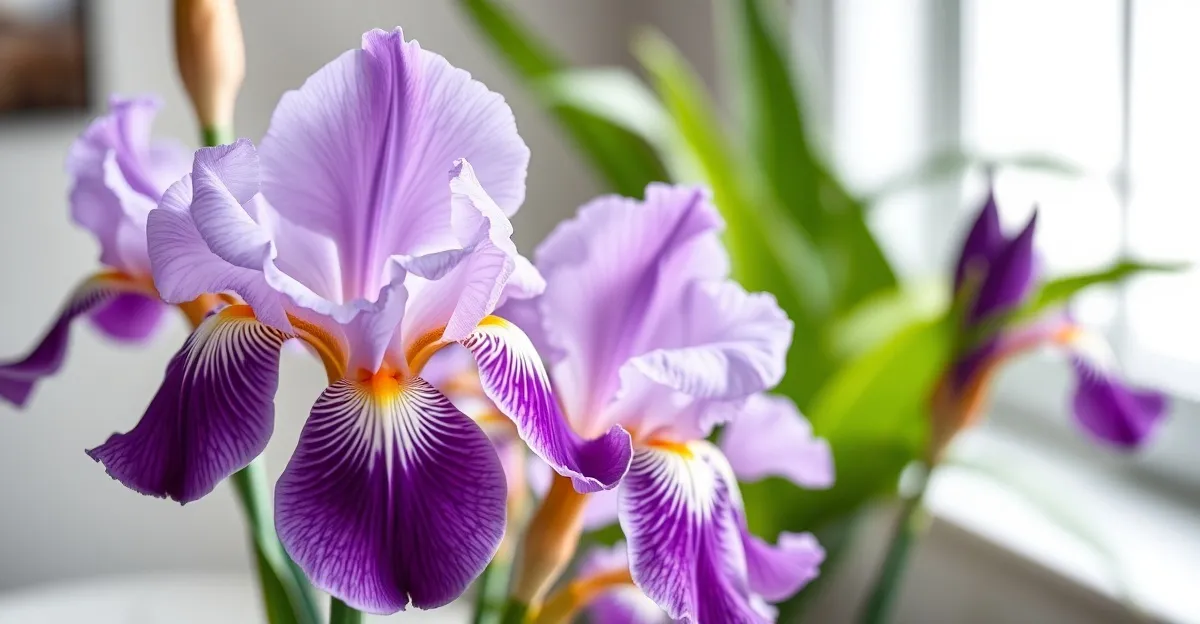
If you've received an iris arrangement in Bali and found yourself wondering why it isn't lasting as long as you expected based on what you'd seen or read elsewhere, the answer is almost certainly the climate. Bali's tropical warmth and humidity create a genuinely challenging environment for cut flowers, and iris are moderately sensitive — not the most fragile of cut flowers, but definitely not the most resilient either.
This guide gives you honest, practical expectations and the specific care steps that make a real difference to iris vase life in Bali's conditions.
Realistic Vase Life Expectations in Bali
In temperate climates — the UK, Northern Europe, coastal North America — iris in a vase typically last seven to ten days, with the flowers opening sequentially from the lowest bud upward over that period.
In Bali, that window is shorter. Here's a realistic breakdown:
Without any special care (just placed in water in an average Bali room): three to four days before noticeable decline.
With basic care (daily water changes, re-cut stems, remove lower leaves): five to six days.
With optimal care (all of the above, plus air-conditioned environment around 20–22°C, cooled vase water): six to eight days, sometimes more.
The sequential blooming nature of iris is part of why they can still look fresh late in their vase life — while the first flowers have finished, new buds are just opening. This characteristic extends the period during which the arrangement looks alive and interesting, even if some of the earliest flowers have passed.
Why Tropical Conditions Shorten Iris Vase Life
Several factors specific to Bali's climate accelerate iris decline.
Heat accelerates metabolism. All living processes in cut flowers run faster in warmth. The flower uses its stored energy (sugars) more rapidly, and senescence (natural ageing) progresses at an accelerated rate. At 30°C, a flower that would take ten days to age in 15°C conditions might complete the same process in five or six days.
Bacteria multiply faster in warm water. The water in your vase becomes a bacterial culture medium, and bacteria block the vascular system in stems — cutting off water supply to the bloom. In Bali's warmth, bacterial populations in unchanged vase water can reach problematic levels within 24 hours.
High humidity is a double-edged sword. It slows petal dehydration (good) but accelerates fungal growth and bacterial activity (bad). The result is that Bali's humidity doesn't help as much as you'd hope.
Rapid bud opening. In tropical warmth, iris buds open quickly. This is beautiful to watch — a tight bud unfurling into a fully opened flower over the course of a day — but it means each individual flower spends less time in the "perfect open" phase before it starts to decline.
Daily Care Routine for Maximum Vase Life
Day One: Setting Up Right
When your iris arrangement arrives, do these things before placing them in a vase:
- Remove any packaging, rubber bands, and ties carefully — iris petals bruise easily.
- Strip all foliage from the lower third of the stems — anything that would sit below the waterline.
- Re-cut two to three centimetres from each stem at a 45-degree angle under running water.
- Fill a clean vase with cool water and add any flower food sachet provided.
- Place in your chosen location — ideally air-conditioned, away from direct sun and fruit.
Day Two and Beyond: The Daily Habit
Every morning — yes, every morning in Bali's climate — do this brief routine:
- Remove the iris from the vase.
- Rinse the vase with soapy water, then rinse thoroughly.
- Refill with fresh, cool water (add more flower food if you have it).
- Re-cut one centimetre from each stem.
- Remove any blooms that have fully finished and any yellowing or slimy stem sections.
- Return the iris to the vase.
This takes about five minutes but makes a genuinely significant difference to how many days of good-looking iris you get.
The Sequential Blooming Advantage
Understanding how iris bloom sequentially helps you manage expectations and extend enjoyment.
A typical Dutch iris stem bought in Bali carries two to four buds at different stages of development. The lowest bud usually opens first. Over the following days, the next bud opens as the first begins to decline.
By removing spent blooms as they finish, you keep the arrangement looking fresh and allow the plant's remaining resources to support the still-developing buds. Don't let spent petals drop into the water — this adds to bacterial load. Remove them cleanly.
Some people enjoy re-arranging the stems as each bloom opens, reducing the number of stems in the vase as flowers finish. A single perfect iris stem in a bud vase on day six can be more beautiful than the same stem in a crowded vase of declining flowers.

The team
your florists
weekly subscription · Bali
We write about flowers because we love them. We deliver them because someone should — properly, weekly, across Bali.
— heyflowerPay once for 3, 6, or 12 months, no auto-renewal.
Room Temperature Makes a Measurable Difference
We've paid close attention to how room temperature affects iris vase life through years of working with these flowers in Bali. The data from our own experience is consistent:
In rooms maintained at 20–22°C by air conditioning, iris regularly last six to eight days. In open-air rooms with fans, five days is a good outcome. In hot, unventilated spaces or outdoors, three to four days is the realistic expectation.
If you receive an iris arrangement as a gift and plan to display it prominently in a hot Bali room, the investment in a dedicated spot in your air-conditioned living space is genuinely worthwhile for the arrangement's longevity.
For other flowers you might be combining with iris, our guide to pairing iris with other blooms: a florist's guide covers which companion flowers also handle Bali's conditions well.
When Iris Struggle: What to Watch For
Petals browning at edges: Usually dehydration, often from direct sun or AC airflow. Move to a better position, re-cut stems, change water.
Buds refusing to open: Air lock in stem, or water too cold. Re-cut stem, warm the water slightly, move to a warmer spot.
Slimy stem bases: Bacterial rot. Remove affected stems, clean vase thoroughly, change all water.
Rapid yellowing of leaves: Normal in later stages but can be accelerated by ethylene from fruit. Remove the fruit source or move the arrangement.
Frequently Asked Questions
How long do iris typically last in a Bali villa?
With daily care in an air-conditioned room, five to seven days. Without climate control, three to five days.
Do iris last longer than other flowers in Bali?
Iris are moderately robust for tropical conditions. They outlast more fragile flowers like sweet peas or delicate peonies, but don't last as long as tropical flowers like anthuriums that are naturally adapted to humid conditions.
Is it worth buying iris in Bali given the heat?
Absolutely — the brief, vivid life of iris in Bali is beautiful in its own way. The rapid opening of buds in tropical warmth creates a kind of accelerated flower theatre that's worth experiencing.
Can I put iris in the fridge overnight in Bali?
Yes — if you have a spare fridge shelf, overnight storage in cool conditions can add a day or two to the arrangement's life. Keep them away from ethylene-producing foods like fruits and vegetables.
What flower food works best for iris in tropical conditions?
Standard flower food sachets (which contain sugars, acidifiers, and biocides) work well. The biocide component is particularly valuable in Bali's warm conditions. Change the water and add fresh flower food every two days.
For the freshest iris and seasonal blooms delivered across Bali, heyflower.co sources from trusted highland growers and conditions every stem before delivery. Our subscription plans bring fresh flowers to your home weekly, fortnightly, or monthly — because some things are simply better when they're fresh. Explore our options today.
More on Iris