When not to gift iris: cultural considerations
Before you send iris flowers in Bali, read this guide on cultural contexts and occasions where iris may not be the right choice — and what to send instead.
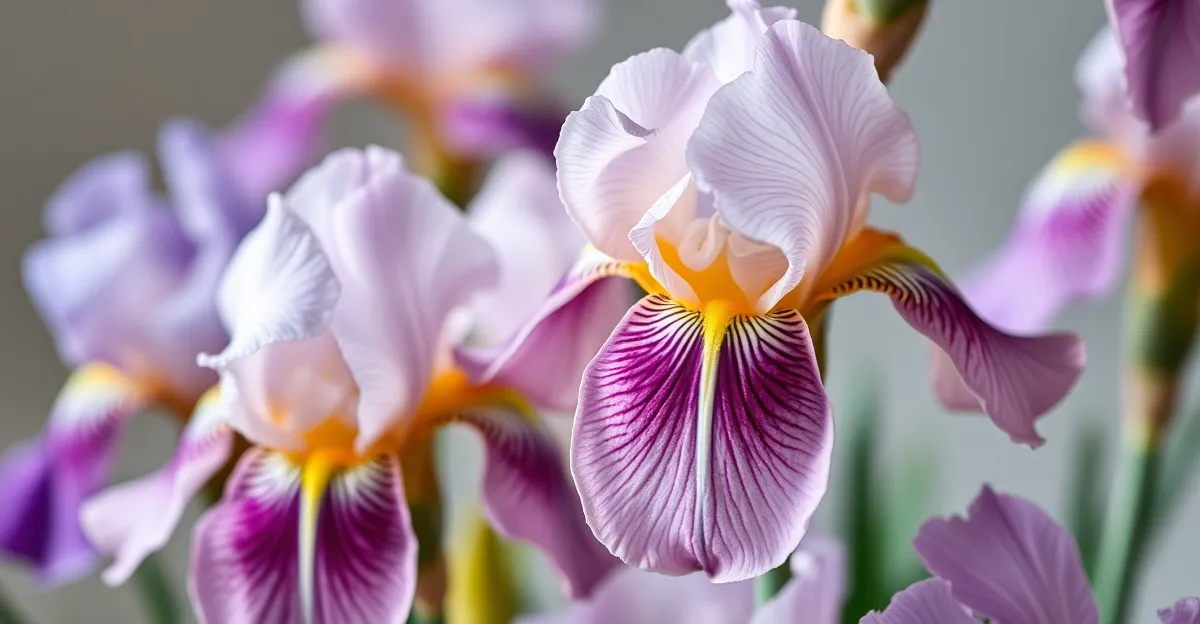
Choosing flowers for someone you care about involves more than picking the most beautiful option. Especially in Bali, where cultures from across Asia, Europe, Australia, and beyond intersect in daily life, understanding cultural context around flower gifting protects the intention behind your gesture.
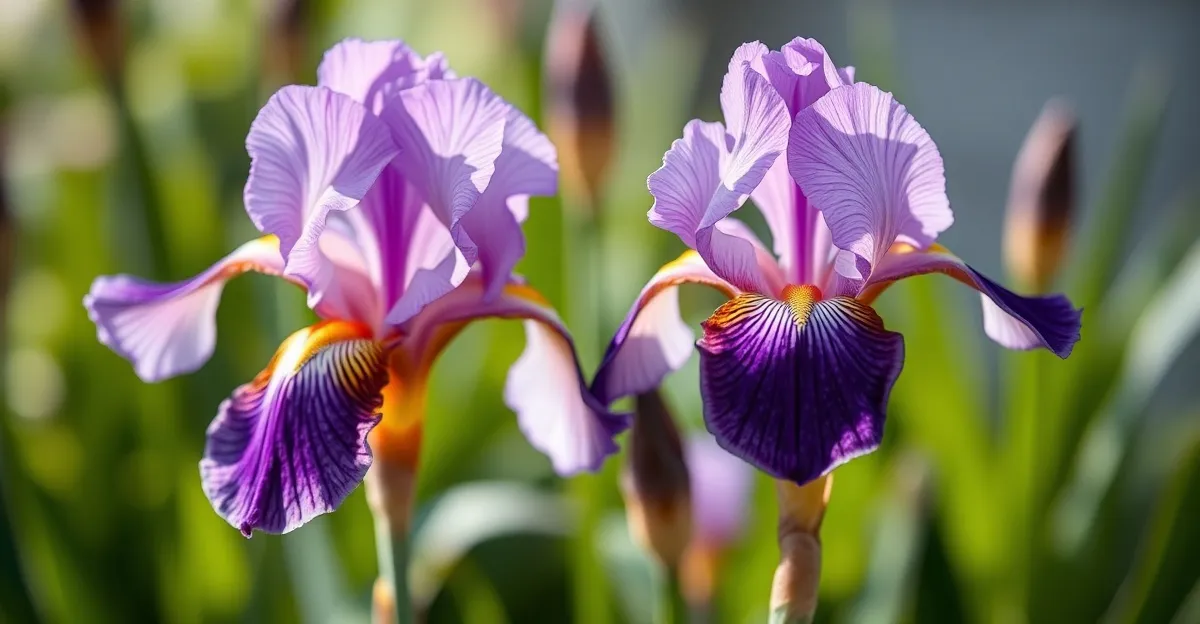
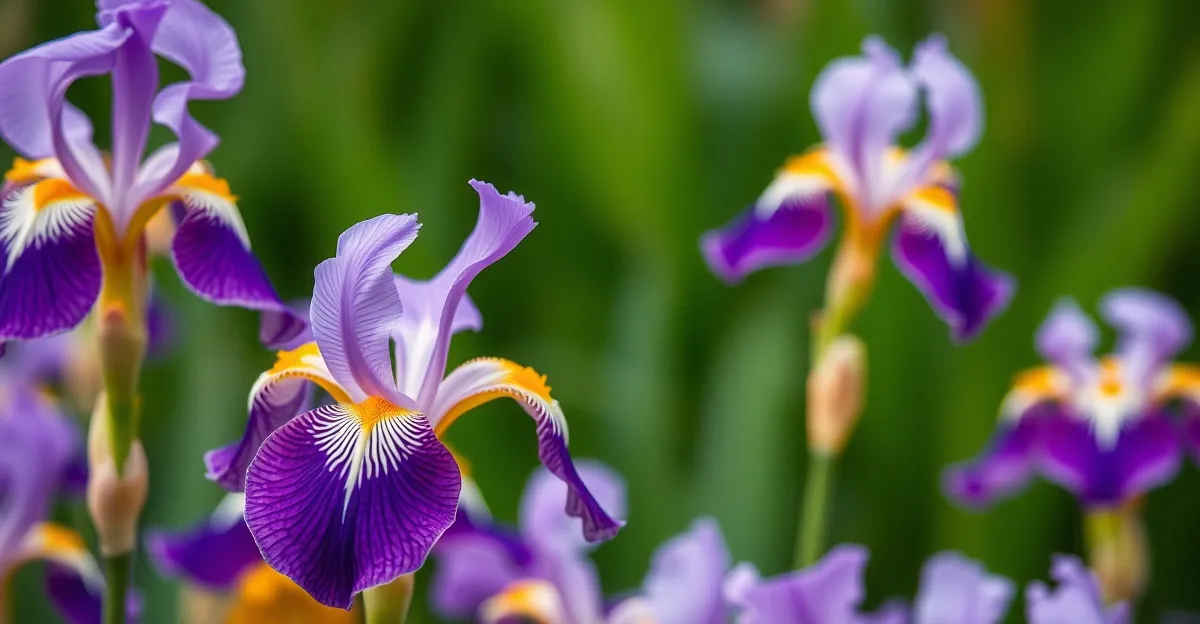
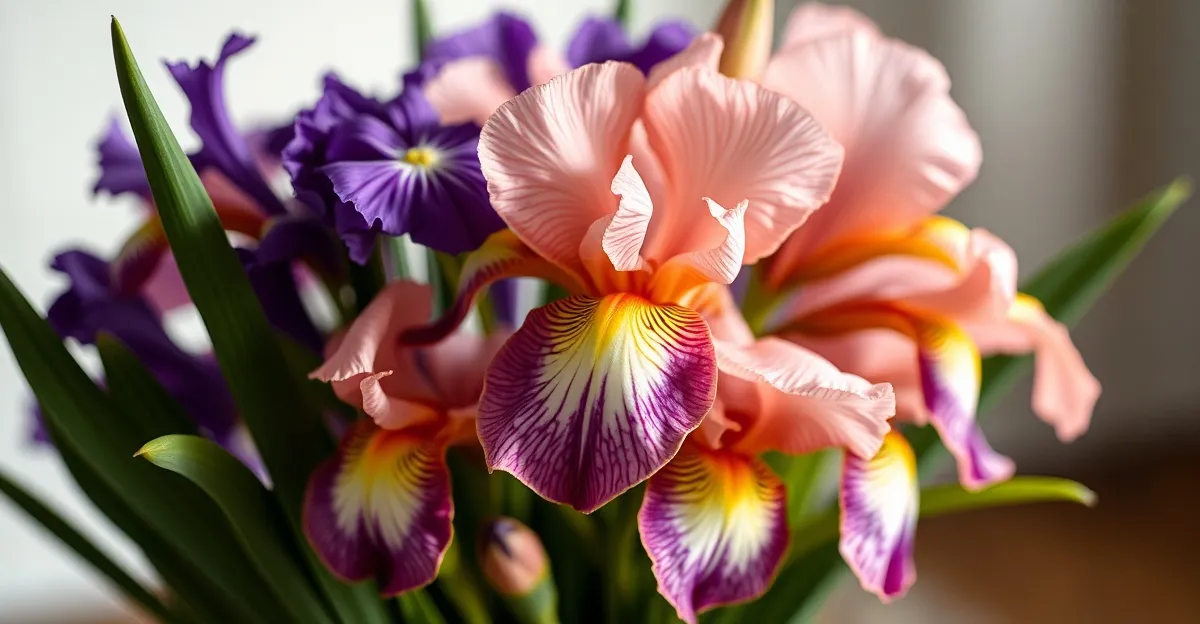
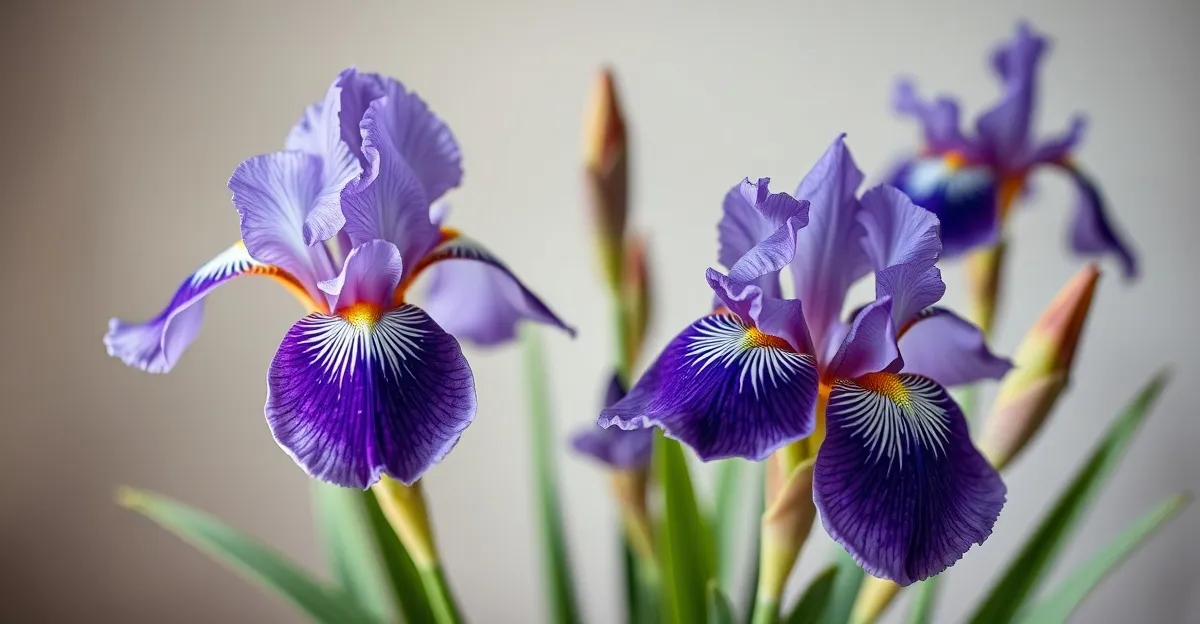
Iris are generally positive flowers with beautiful symbolism across most Western and East Asian traditions. But there are circumstances and cultural contexts where they miss the mark, send an unintended message, or simply aren't the right tool for the emotional job. Here's our honest guide to those moments.
When Iris Aren't Culturally Appropriate
Traditional Balinese Religious Offerings
The flowers used in Balinese Hindu ritual are specific, traditional, and locally sourced. Frangipani, marigold, hibiscus, and jasmine are the core flowers of canang sari (daily offerings) and the various banten (ceremonial offerings) that structure Balinese religious life.
If you're attending a Balinese ceremony — a temple anniversary, a tooth-filing, a cremation — and want to contribute flowers, a Dutch iris bouquet is culturally out of step. It's not offensive, but it signals unfamiliarity with local practice. A better gesture is asking your Balinese host what's appropriate for the specific ceremony, or contributing a basket of the traditional offering flowers that can be incorporated into the ceremony's ritual elements.
Chinese-Indonesian Condolence Situations
Iris in purple appear in Western condolence arrangements where they communicate spiritual sympathy and peaceful passage. However, for Chinese-Indonesian recipients (a significant community throughout Bali), the cultural expectations around condolence flowers differ.
While chrysanthemums and white flowers are the more traditional condolence choices in Chinese culture, an iris arrangement at its most dramatic — tall stems, vivid colour, strong visual presence — can feel celebratory rather than solemn in a grief context. For Chinese-Indonesian condolences, simpler white arrangements or chrysanthemums are more culturally resonant.
Additionally, yellow iris in any context should be used carefully for Chinese, Japanese, or Korean-background recipients. Yellow flowers carry associations in various East Asian contexts — the specific meaning varies, but when in doubt for celebratory gifting to East Asian recipients, choose purple, blue, or white iris rather than yellow.
Muslim Funeral Observances
For Muslim families in Bali and across Indonesia — a substantial part of the population — funeral and condolence customs follow Islamic guidance, which tends toward simplicity and restraint. Elaborate floral arrangements aren't universally appropriate for Islamic condolence visits. A simple, modest arrangement in calm colours is more culturally in step than dramatic iris centrepieces.
When visiting a Muslim family after a bereavement, a practical gesture (food, assistance) is often more welcome than flowers. If flowers feel right for the relationship, keep them simple and avoid bright, festive colours.
Deeply Formal Indonesian Business Contexts
In some traditional Indonesian corporate settings, particularly in Javanese business culture where formal hierarchies and understated communication are valued, sending a tall, dramatic iris arrangement as a business gift can feel inappropriate in its flamboyance. The more understated option — white orchids, simple greenery, compact arrangements — communicates respect for hierarchy and formality more clearly.
This is less of a concern in Bali's international business community, where Western gifting norms are widely understood, but it's worth knowing for more traditional Indonesian professional contexts.
When Iris Miss the Emotional Mark
When You Want to Communicate Simplicity and Warmth
Iris are sophisticated flowers. They're not the flower you reach for when you want to communicate simple, uncomplicated warmth and affection. A casual "thinking of you" gift, a spontaneous token for a friend going through a rough day, or a lighthearted birthday surprise might be better served by sunflowers, cheerful mixed bouquets, or bright gerberas.
Iris say "I considered this carefully." That's appropriate for many occasions. For purely casual, warm spontaneity, they can feel more formal than you intend.
When the Recipient Prefers Fragrance
Iris are relatively unscented. If you know the recipient particularly loves fragrant flowers — and many people in Bali who work with aromatherapy, essential oils, or wellness practices have strong fragrance preferences — then freesia, gardenias, tuberose, or stock flowers would make a more personally resonant gift.
When You're Apologising
There's a slight mismatch between iris's symbolic associations (wisdom, respect, loyalty, divine communication) and the specific emotional register needed for a sincere apology. An apology flower needs to communicate humility and tenderness rather than dignity and intellectual respect. White roses or soft pink flowers typically serve the purpose of an apology better.
When Yellow Iris Should Give You Pause
Yellow iris specifically warrant a moment of additional thought. In Western tradition, yellow flowers generally communicate joy and friendship. But as noted, in some East Asian cultural contexts, yellow flowers carry less positive associations, ranging from unfaithfulness to associations with grief or death, depending on the specific context.
In Bali's cosmopolitan mix, many recipients won't have these associations. But for someone you know comes from a Chinese, Japanese, or Korean background, and for whom the occasion is celebratory and personal, yellow iris for joy may land unexpectedly. The safe choice is purple, blue, or white.

The team
your florists
weekly subscription · Bali
We write about flowers because we love them. We deliver them because someone should — properly, weekly, across Bali.
— heyflowerPay once for 3, 6, or 12 months, no auto-renewal.
Alternatives When Iris Aren't Right
When iris don't fit the occasion or cultural context, here are our reliable alternatives:
Condolences (Chinese-Indonesian): White chrysanthemums, white lilies, minimal white arrangements.
Traditional Balinese ceremonies: Frangipani, marigold, local ceremonial flowers. Ask your host.
Islamic condolence visits: Simple, calm, modest arrangements — or a practical gesture instead.
Casual warmth and affection: Sunflowers, mixed tropical bouquets, gerberas, bright daisy arrangements.
Apologies: White or blush roses, soft pink arrangements with a heartfelt card.
Formal Indonesian professional contexts: White orchids, compact and restrained arrangements.
For thinking through the right flower for an occasion in Bali more broadly, our guides on specific occasions — like last-minute housewarming flower ideas for Bali — cover specific contexts in detail.
Frequently Asked Questions
Are iris appropriate for Balinese Hindu funerals?
Iris aren't traditional Balinese ceremonial flowers. For a Balinese Hindu ngaben (cremation ceremony), local ceremonial flowers or asking the family for guidance is more culturally appropriate.
Can I send yellow iris as a birthday gift in Bali?
For most recipients in Bali's international community, yes — yellow iris are cheerful and celebratory in Western tradition. For recipients from Chinese, Japanese, or Korean backgrounds, consider purple, blue, or white iris instead.
Are iris culturally neutral for office gifting in Bali?
Blue or purple iris in a restrained, elegant arrangement are appropriate for most Bali professional settings. Avoid extremely dramatic, large arrangements for formal Indonesian business contexts where understatement is valued.
What should I give instead of iris for a Balinese ceremony?
Contributing traditional ceremonial flowers — frangipani, marigold, local temple flowers — or asking your host what's needed for the specific ceremony is the most culturally thoughtful approach.
Do iris carry negative symbolism in any culture?
Not significantly. Iris are broadly positive flowers across Western and many Asian traditions. The main caution is cultural fit (they're not traditional Balinese ceremonial flowers) and the specific colour considerations around yellow in some East Asian contexts.
When you want to get the flower choice exactly right, heyflower.co is here to help. Our team knows Bali's cultural landscape and can guide you toward the flower that genuinely fits the moment, the person, and the occasion. Browse our arrangements or talk to us directly — we love helping people give the perfect gift.
More on Iris