How to preserve a sunflower bouquet after the event
Sunflowers preserve beautifully and last longer than most dried flowers. Here's how to preserve yours in Bali's tropical climate for lasting memories.
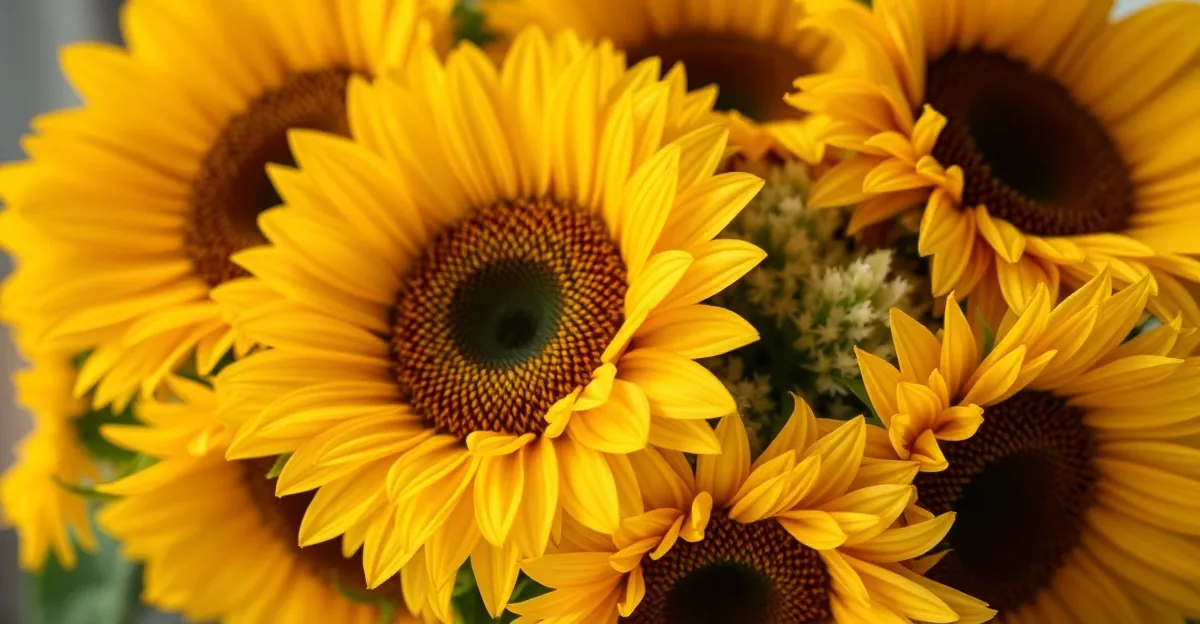
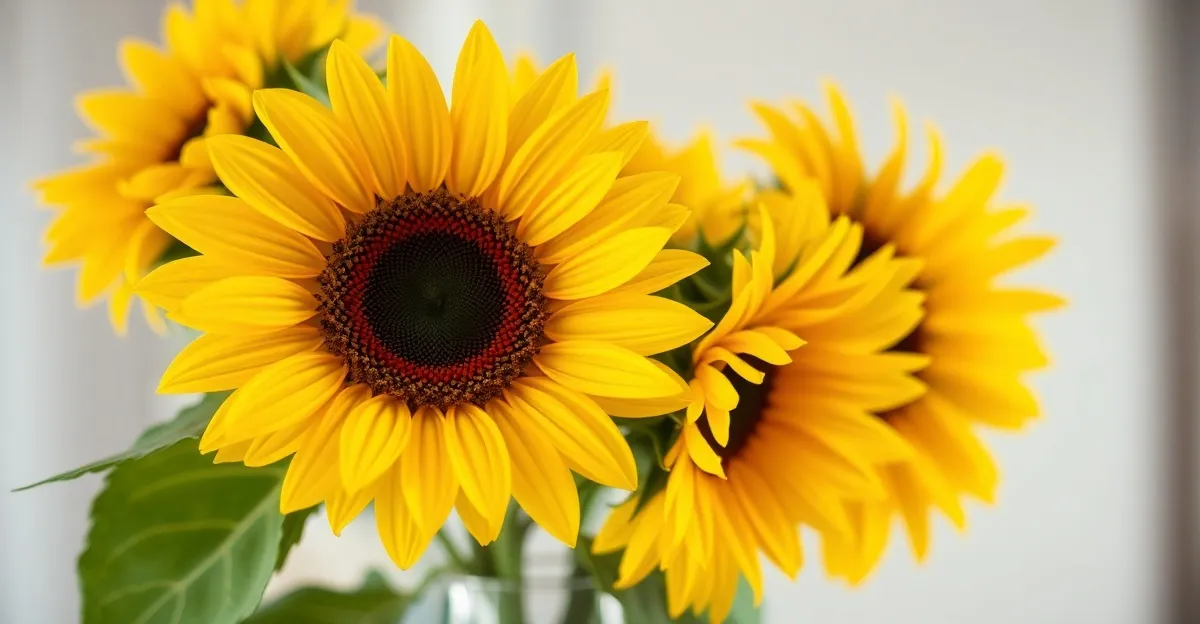
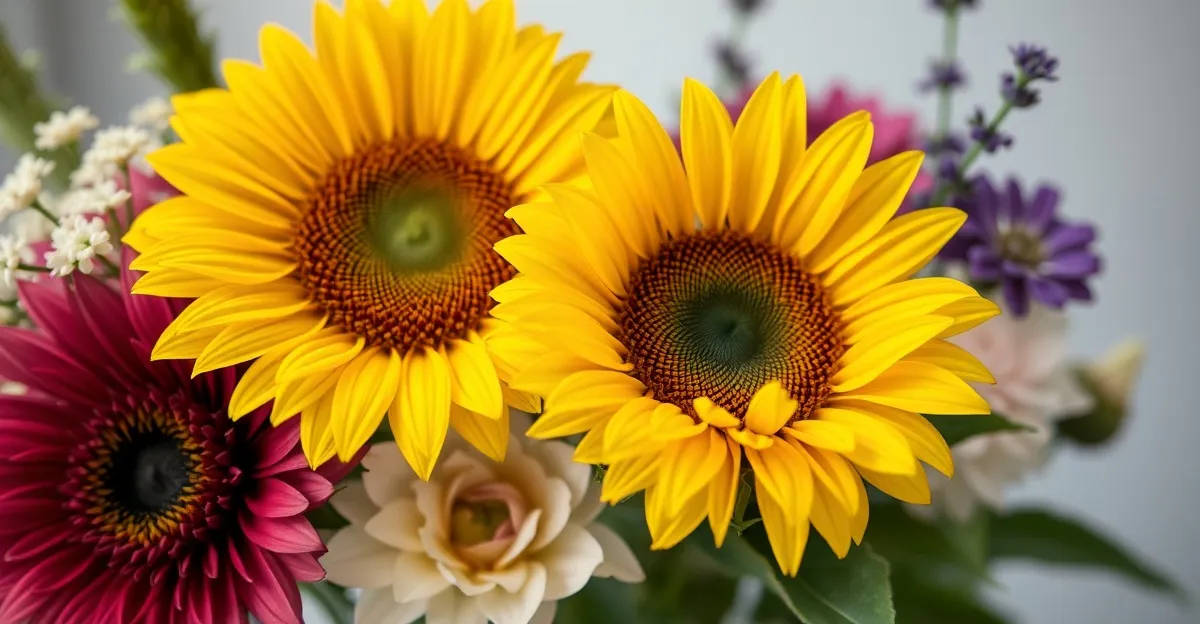
If there's one popular cut flower that takes naturally to preservation, it's the sunflower. While peonies shrink and darken when dried, sunflowers often emerge from the drying process looking almost as bold and cheerful as fresh. The disc deepens to a rich dark brown, the petals hold their form better than most large flowers, and the overall effect is something that looks deliberately rustic rather than simply withered.
Preserving sunflowers after a wedding, a graduation ceremony, or any significant occasion is genuinely worthwhile — and in Bali's tropical climate, there are specific techniques that work better than others. This guide covers the main preservation methods, how to adapt them for Bali's humidity, and how to display preserved sunflowers beautifully.
Why sunflowers are good preservation candidates
Sunflowers have several characteristics that make them more preservation-friendly than many popular flowers:
Low water content: Compared to peonies, roses, and hydrangeas, sunflower petals and the outer disc structure contain less water. Less water means faster drying and less opportunity for mould to develop during the drying process.
Structural integrity: The large disc and fibrous stem are durable. They hold their form better through drying processes than the more delicate architecture of roses or sweet peas.
Visual appeal when dried: Brown and golden tones that emerge in dried sunflowers are genuinely beautiful. The colour shift from bright yellow to warm amber and gold works with many interior aesthetics.
Symbolic continuity: A dried sunflower still reads immediately as a sunflower. Unlike some flowers that become unrecognisable when dried, the sunflower's distinctive form persists.
The critical timing: act within 24–48 hours
This is the most important rule, and it's even more important in Bali than in temperate climates. After an event, sunflowers that have been in warm conditions begin deteriorating in ways that make preservation harder with each passing hour.
If the stems are already slimy or the disc is soft, preservation quality will be significantly reduced. Petals that have begun to curl inward from heat stress will stay curled when dried. The window for best results is flowers that are still structurally sound — even if slightly past their peak of fresh beauty.
Decide on your preservation method the morning after your event. Gather your materials and start the process that day.
Method 1: Hanging to air dry (simplest, most practical)
Air drying is the most accessible preservation method and produces reliably good results with sunflowers — better results, in fact, than with many other flowers.
The process
- Remove all leaves from the stems. Leaves will mould before the flower dries in Bali's humidity.
- Group flowers in small bunches of three to five stems if preserving multiple, or keep single stems separate.
- Tie stems with string or rubber band about 15cm from the base.
- Hang upside down in the driest space available. In Bali, this means an air-conditioned room running continuously.
The Bali humidity challenge
This is where most people go wrong. Air drying in Bali's wet season, in a naturally ventilated space, will result in mould rather than dried flowers. The conditions that make Bali beautiful — warmth, humidity, lush air — are exactly what you're fighting against during flower drying.
Solutions:
- Air conditioning: The most effective tool. An AC room running continuously reduces humidity dramatically. Hang flowers in your most consistently AC-cooled space.
- A dehumidifier: If you have one, even better. Bali's dehumidifiers are becoming more common in villas as people manage the wet season. Running one in the drying room is ideal.
- Check daily for mould: Even in AC conditions, check the base of the disc and the stem junction daily. Any soft, dark spots are early mould. Remove affected stems immediately before mould spreads.
Timeline
In good AC conditions: three to four weeks for full drying. In less controlled conditions: four to six weeks, with more risk.
Expected results
Dried sunflowers from air drying will have:
- Deep amber to golden-brown petals (some colour shift from fresh yellow is normal)
- A firm, dark disc centre
- A woody, firm stem
- Slight natural shrinkage in petal size
These are beautiful displayed in a vase without water, arranged with dried grasses or eucalyptus, or incorporated into a wreath.
Method 2: Silica gel drying (best colour retention)
Silica gel preserves sunflowers with significantly better colour retention than air drying. The petals remain closer to their fresh yellow, and the overall shape is better maintained.
What you need
- Silica gel crystals (available at hobby stores, online stores like Tokopedia, or craft stores in Denpasar)
- A large, lidded container — sunflower heads are big, so you need a container large enough to accommodate the head without crushing
- A small soft brush
The process
- Trim stems short — about 5–8cm. You're preserving the head, not the full stem.
- Pour a 5–7cm layer of silica gel in the container.
- Place the sunflower head face-up in the silica, ensuring the disc is fully supported.
- Carefully pour more silica over the head, working gently to fill around and between petals without crushing them.
- Seal the container tightly.
- Wait. In Bali's heat, drying is faster than in temperate climates — check after three to four days. The petals are ready when they feel papery and dry to the touch.
- Gently pour off the silica and brush away any residue with the soft brush.
What to expect
Silica-dried sunflower heads are significantly more beautiful than air-dried ones. The yellow holds better (becoming a warmer, slightly more golden yellow rather than amber-brown). The form is fuller and more three-dimensional. These can be displayed in a shallow bowl, incorporated into a resin piece, or framed in a shadow box.
Method 3: Pressing individual petals
Full sunflower heads are challenging to press because of the disc's depth. But individual petals press beautifully, and they're useful for stationery, framed botanical art, or candle making.
The process
- Carefully remove individual petals from the disc.
- Lay flat on absorbent paper (coffee filter paper works well in Bali's conditions — it absorbs moisture faster than regular paper).
- Cover with another layer of paper and a heavy book.
- In Bali's humidity, change the paper every 24 hours for the first three days — this is critical to prevent mould.
- After five to seven days, petals should be flat, papery, and dry.
Pressed sunflower petals have a lovely translucency when dried. They can be framed under glass, incorporated into resin objects, or used to decorate homemade paper.

The team
your florists
weekly subscription · Bali
We write about flowers because we love them. We deliver them because someone should — properly, weekly, across Bali.
— heyflowerPay once for 3, 6, or 12 months, no auto-renewal.
Displaying your preserved sunflowers
In a vase (no water)
The simplest and most effective display. Dried sunflowers arranged with dried grasses, dried eucalyptus, or dried tropical leaves create a warm, textural arrangement. The earthy tones of dried sunflowers work with natural materials — rattan baskets, terracotta pots, wooden vessels — that are everywhere in Bali's interior aesthetic.
Shadow boxes
A single perfectly dried sunflower head in a deep shadow box frame, with a simple label (date, occasion), is a genuinely beautiful keepsake. These work as wall art in a way that a vase arrangement doesn't.
Wreaths
Dried sunflowers as part of a dried botanical wreath — combined with dried tropical leaves, dried herbs, and other botanicals — is a wonderful way to preserve wedding flowers as something that lives on the wall rather than on a table.
If you're in Bali's wet season
Wet season preservation is harder but not impossible. The humidity control needs to be more rigorous:
- Run AC continuously (not just when the room is occupied)
- Consider adding a small dehumidifier to the drying room
- Choose silica gel over air drying if at all possible
- Check for mould every 12–24 hours rather than every few days
With these precautions, preservation in the wet season is achievable. Without them, mould will likely win.
For more on caring for sunflowers while they're fresh — so they arrive at your preservation window in the best possible condition — see our guide on how to care for sunflower in Bali's humid climate.
And for fresh sunflower deliveries to your home in Canggu, Berawa, Seminyak, Pererenan, or Kerobokan, explore our weekly subscription at heyflower.co — /#subscriptions.
Frequently Asked Questions
Do dried sunflowers last longer than dried roses?
Generally yes. Sunflowers' lower water content and structural robustness mean they tend to hold up better through the drying process and display better for longer once dried. In ideal conditions (cool, dry, out of direct light), dried sunflowers can last two to three years without significant deterioration.
Can I dry a full sunflower bouquet rather than individual stems?
Yes, but dry individual stems or small groups rather than trying to hang the whole tight bouquet at once. Air needs to circulate around each stem and head for effective drying. A tightly bound bouquet will mould in its centre before the outer blooms dry.
My dried sunflower petals went mouldy. Can I still preserve the disc?
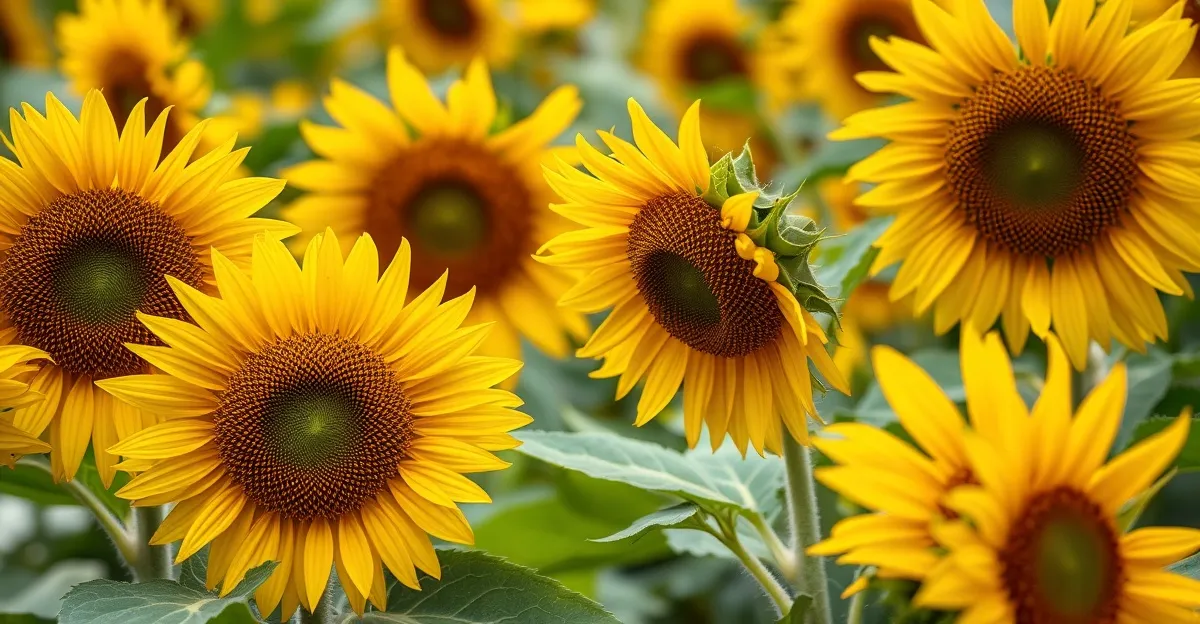
If the disc is firm and free of mould, yes — remove the mouldy petals gently and dry the disc alone. A dried disc (the architectural part of the sunflower that contains all the seed florets in their Fibonacci spiral) is actually beautiful on its own and displays well.
Can I use glycerine to preserve sunflowers?
Glycerine preservation (where stems are placed in a glycerine-water solution and the glycerine replaces moisture in the plant tissues) works well for foliage but less reliably for flower heads. Sunflower petals don't absorb glycerine effectively and tend to become sticky or limp rather than supple. Air or silica drying gives more reliable results for sunflowers specifically.
Where can I find silica gel for flower drying in Bali?
Silica gel crystals for flower drying are available online through Tokopedia and Shopee — search for "silica gel bunga" or "silica gel pengering bunga." Some craft stores in Denpasar also carry them. The crystals typically come in blue-to-pink indicating varieties (blue when dry, pink when saturated) which are ideal as they signal when they need to be recharged in the oven.
More on Sunflower