How to care for sunflower in Bali's humid climate
Sunflowers actually handle Bali's heat better than many flowers, but they still need proper care. Here's how to get the most out of every stem.
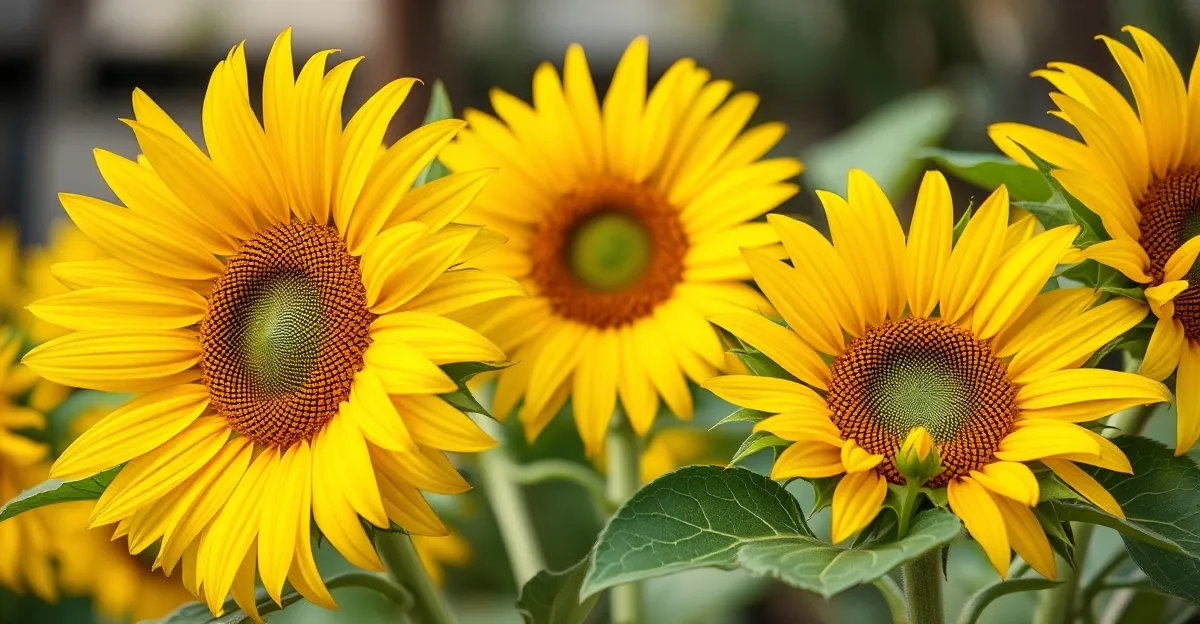
Good news for sunflower fans in Bali: out of all the popular cut flowers, sunflowers are among the more forgiving in tropical conditions. They evolved in warm, sunny environments. They're not the delicate princesses that peonies and sweet peas are. With even basic care, a good sunflower stem will give you six to ten days in a Bali vase — longer than almost anything else you'll buy.
That said, "forgiving" doesn't mean "indestructible." The specific conditions of Bali — sustained heat, high humidity, and water that comes from sources that vary in quality — create challenges that even a tough sunflower will struggle with if you don't give it the right environment. This guide covers exactly what you need to do, and why it matters, so you get the maximum life from every bloom.
What sunflowers actually need to survive
Before the practical tips, a quick look at the science helps everything make more sense.
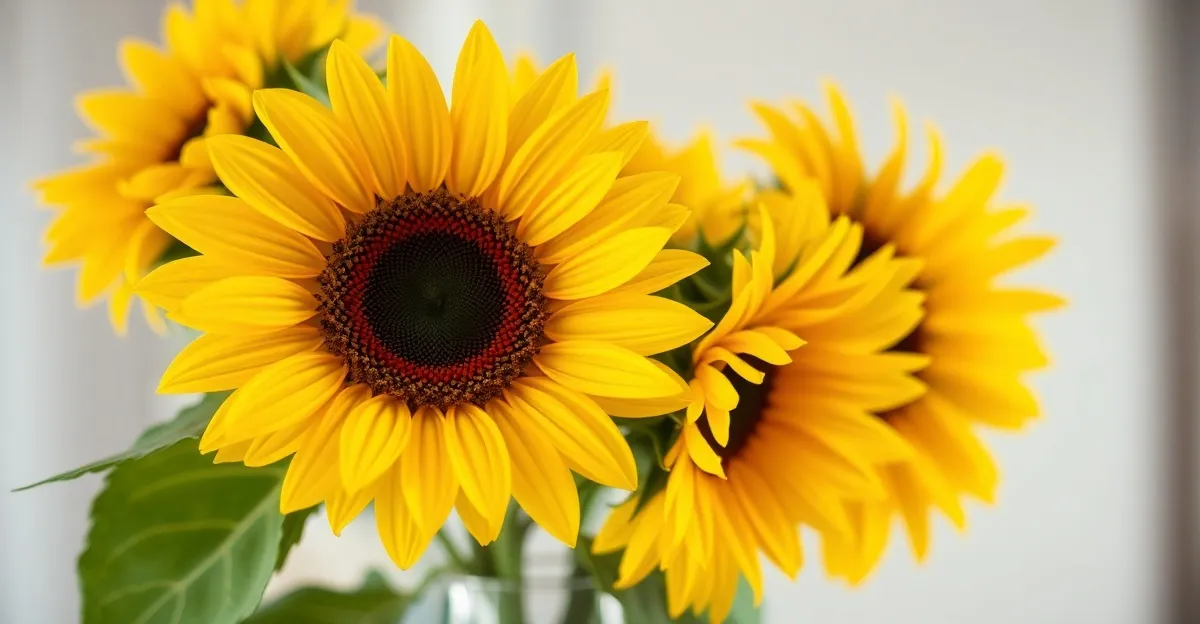
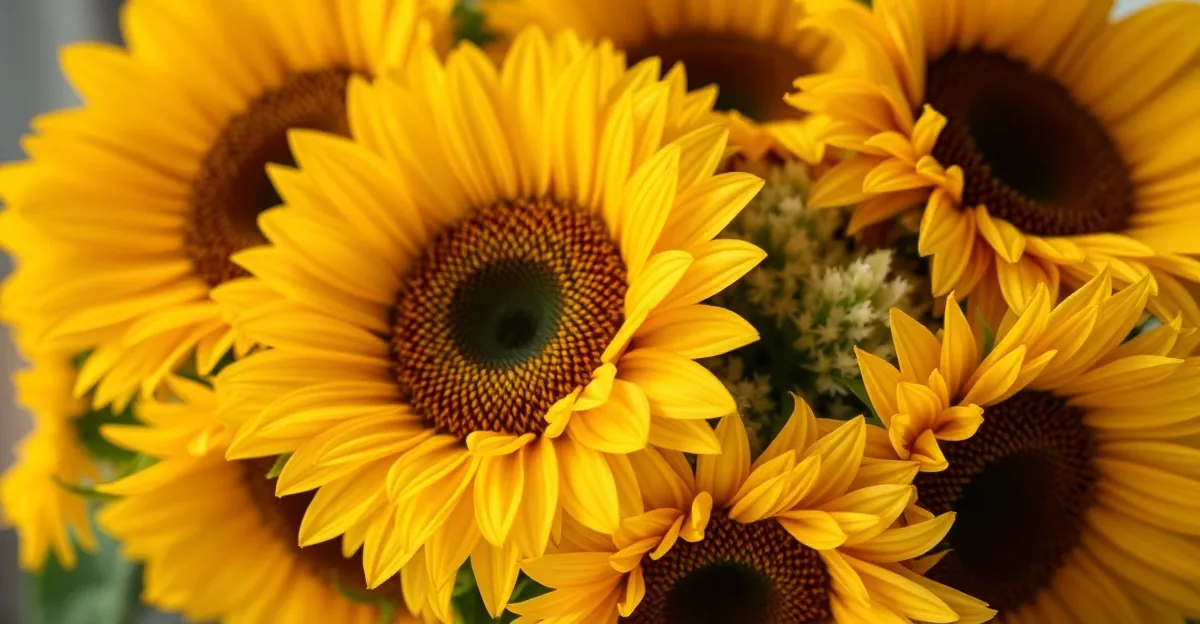
A cut sunflower continues to be a living thing. Its stem cells are still working to draw water up through the stem to the head. The giant disc — that central dark brown circle — is actually composed of hundreds of tiny individual flowers (called florets), and they need ongoing water and energy to maintain their structure.
The yellow petals (technically "ray florets") are the most resilient part; they'll hold their colour and shape for much longer than the disc florets if things go wrong. But once the stem can't draw water effectively — because of bacterial blockage or air lock — the head will droop and the disc will begin to deteriorate.
Bali's humidity accelerates bacterial growth in vase water. That's the main challenge. Everything else is secondary.
Step one: the moment they arrive
Unwrap immediately
Never leave sunflowers wrapped in cellophane or paper for more than an hour in Bali's heat. The trapped humidity turns into a petri dish of bacteria faster than you'd believe.
Give them a drink straight away
Cut 2–3cm off the base of each stem at a 45-degree angle, ideally under running water or submerged in a sink, then transfer immediately to a clean vase with fresh water. This matters: cutting in air creates an air bubble in the stem's vascular tissue that slows water uptake. Cutting underwater avoids this.
Strip all leaves below the waterline
Every leaf submerged in water will start to decompose within a day in Bali's temperatures. That decomposition feeds bacteria. Strip every leaf that will sit at or below the water surface before you arrange them.
Choosing the right vase and water
Deep vase, tall water level
Sunflowers have long, strong stems and relatively heavy heads. A tall vase with water filling it to at least 15cm provides good support and plenty of water surface area for the stems to drink from. Wide, shallow vases aren't ideal for sunflowers.
Clean vase is non-negotiable
Bacteria from a previous arrangement will colonise your fresh water almost immediately. Before using any vase with sunflowers, wash it with hot water and a small amount of dish soap, then rinse thoroughly. In Bali's humidity, this is more important than in drier climates.
Room temperature water
Use room-temperature water rather than cold. Cold water can slow the opening process and, in a warm room, creates condensation inside the vase which encourages bacteria on the outer surface of the stems. Room temperature water is absorbed more readily.
Flower food
If your sunflowers came with a flower food sachet, use it. The formula contains a mild fungicide (to control bacteria), a mild acidifier (to help water uptake), and sugar (energy for the cells). This combination genuinely extends vase life. Without it, your simple DIY alternative is: 1 tablespoon of clear sugar dissolved per litre of water, plus 3–4 drops of household bleach per litre.
The ongoing care routine
Water changes every two days
In Bali's heat, vase water turns bacteria-heavy within 48 hours. Don't just top up — drain the entire vase, rinse it, refill with fresh treated water. This is the single highest-impact maintenance action you can take.
Fresh cuts every other day
Each time you change the water, cut another 2cm off the base of each stem. This removes the section that's accumulated bacterial buildup and opens fresh vascular tissue for drinking.
Remove spent blooms
If you have multiple sunflowers, remove any heads that are starting to deteriorate before they affect the others. Dying plant material releases ethylene gas, which accelerates aging in neighbouring flowers.
Location: the most common mistake
The question we hear most: "I'm doing everything right and they still died after three days." Nine times out of ten, the answer is location.
Avoid:
- Direct sunlight: Counterintuitive but important. A cut sunflower in direct Bali sun will cook. The heat accelerates every deterioration process simultaneously.
- Near fruit: Ripening fruit emits ethylene, which ages flowers rapidly. Keep sunflowers well away from banana bunches, mangoes, or any other ripening fruit — incredibly common in Bali kitchens.
- Under ceiling fans at full speed: Constant airflow desiccates petals faster than gentle air circulation would help.
- AC vents blowing directly onto the arrangement: This dries petals out rapidly, particularly in Bali's dry season when AC air is very low-humidity.
Aim for:
- Bright indirect light, not direct sun
- Consistent temperature, ideally below 28°C
- Some gentle air circulation but not a strong breeze
- Away from both the kitchen stove and the air conditioning direct blast
The best spot in most Canggu or Seminyak villas is typically a central living space table that gets morning light from the east but is shaded from afternoon sun. If you have a natural wood table and good indirect light from a shaded outdoor area, that's ideal.
Special consideration: Bali's wet season
During the monsoon months (roughly November through March), Bali's humidity peaks at 85–90%. Cut flowers struggle more in these months regardless of care. What changes:
- Water in the vase turns cloudy faster — daily checks are worthwhile
- Stems may develop surface mould if any leaves are submerged — be even more careful about stripping leaves
- Air circulation becomes more important to compensate for the stagnant humid air in indoor spaces
In wet season, a small fan running on a low setting to gently circulate air around (not directly on) your arrangement genuinely helps.

The team
your florists
weekly subscription · Bali
We write about flowers because we love them. We deliver them because someone should — properly, weekly, across Bali.
— heyflowerPay once for 3, 6, or 12 months, no auto-renewal.
Reviving a drooping sunflower
If your sunflower head is drooping and the stem still looks healthy (green, firm, no slime), try the deep-water trick:
- Cut 5–8cm off the base of the stem at a sharp diagonal.
- Place the stem immediately in a very tall container with water up to within a few centimetres of the head — essentially submerging almost the entire stem.
- Leave in a cool, dark space for two hours.
About half the time, this works remarkably well. The stem takes up a large volume of water quickly, and the head recovers enough to display for another day or two.
If the stem is slimy, smells bad, or the disc is soft and brown, no revival is possible. These are signs of bacterial rot throughout the stem.
At heyflower.co, we select sunflowers specifically for their condition and delivery readiness in Bali's climate. Our weekly subscription service — delivering to Canggu, Berawa, Seminyak, Pererenan, and Kerobokan — means you can keep fresh sunflowers rotating into your space without the guesswork of sourcing them yourself. Learn more at /#subscriptions.
Frequently Asked Questions
How long do sunflowers last in Bali's climate?
With good care — water changes every two days, fresh stem cuts, correct location — you can expect seven to ten days. Without care, three to five days is typical. Sunflowers are more robust in tropical conditions than most popular cut flowers.
Why do sunflower heads keep drooping even when the vase is full?
Drooping despite a full vase almost always means bacterial blockage in the stem. The stem can't absorb water even though it's available. Solution: a fresh diagonal cut, a thorough vase cleaning, and fresh water. If drooping persists after this, the blockage is too far up the stem to be cleared by cutting.
Should I keep sunflowers in water overnight in the fridge?
If you have space, yes — a cooler temperature slows aging. But most household fridges are too dry and too cold (typically 4°C) for cut flowers, which prefer around 8–10°C. The other issue is space. If you don't have a dedicated cool room or a large enough fridge, the other care tips will make more difference.
My sunflowers came with the head fully open already. How long will they last?
If the head is fully open on delivery, you're at or near the peak. Expect three to five more days with good care, rather than seven to ten. For a specific occasion, communicate to your florist that you want the flowers to peak on a particular day — they can time the cutting and delivery stage accordingly.
Can sunflowers be grown in Bali?
Yes — unlike peonies, sunflowers actually grow in tropical climates. They need full sun, good drainage, and a dry season. Some farmers in Bali's drier regions grow sunflowers, and they appear at local markets. They may not match the scale of imported Dutch or Australian sunflowers, but locally grown Bali sunflowers have their own charm and much lower environmental impact.
More on Sunflower