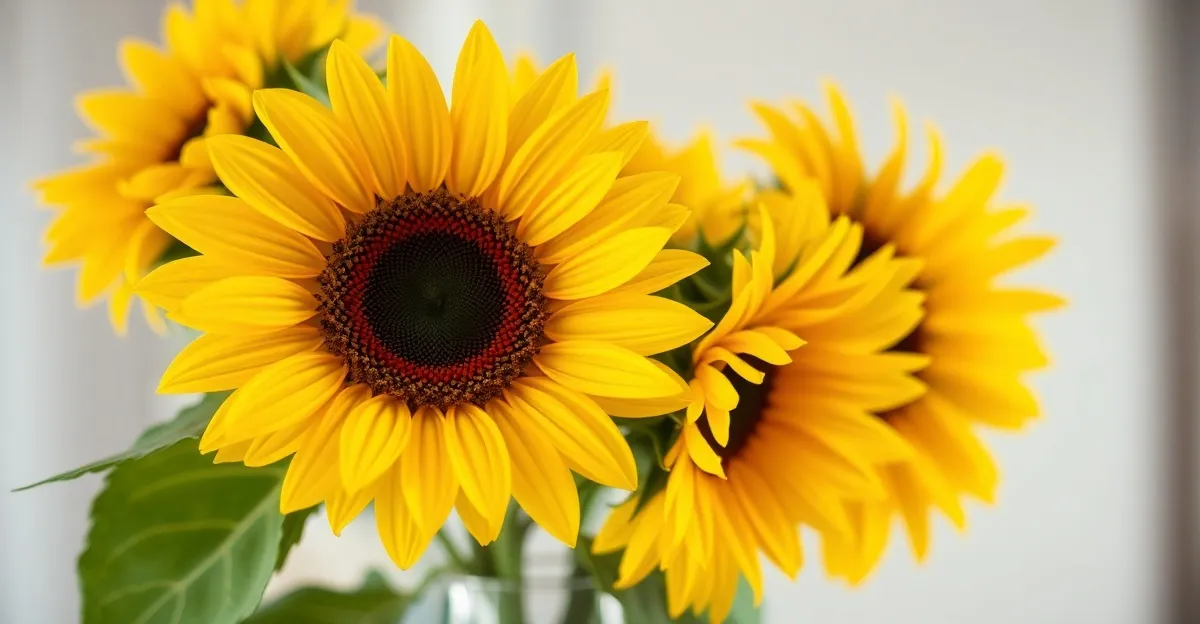
Can sunflower grow in Bali? A florist's perspective
Unlike many popular cut flowers, sunflowers can actually grow in Bali. Here's a florist's honest view on growing them locally and what to expect.
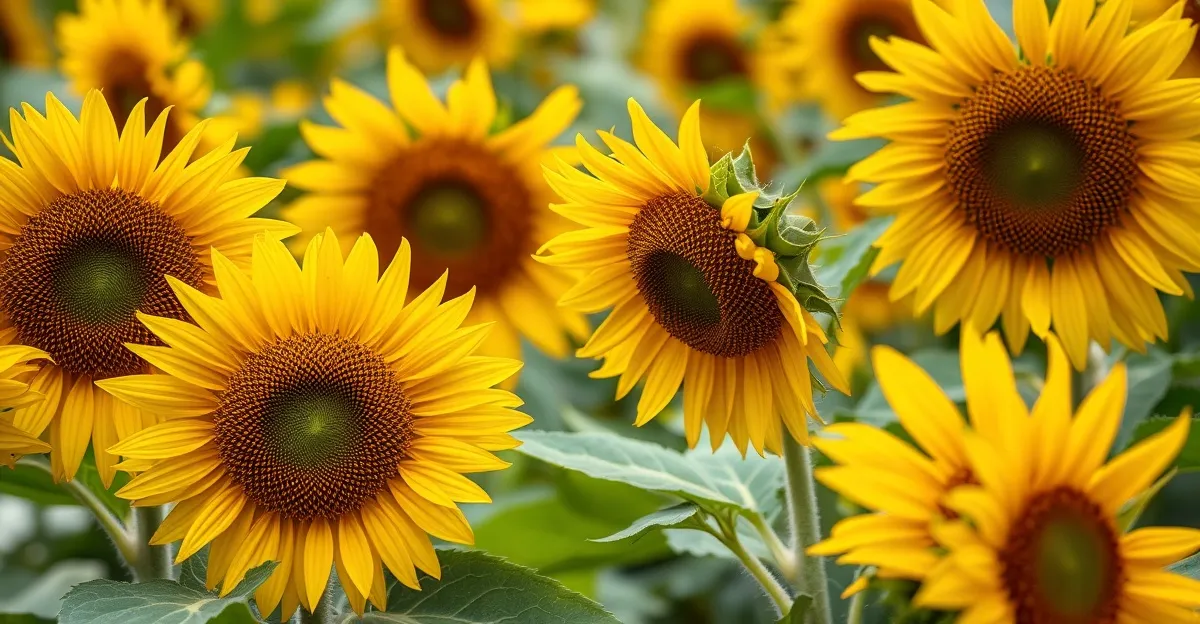
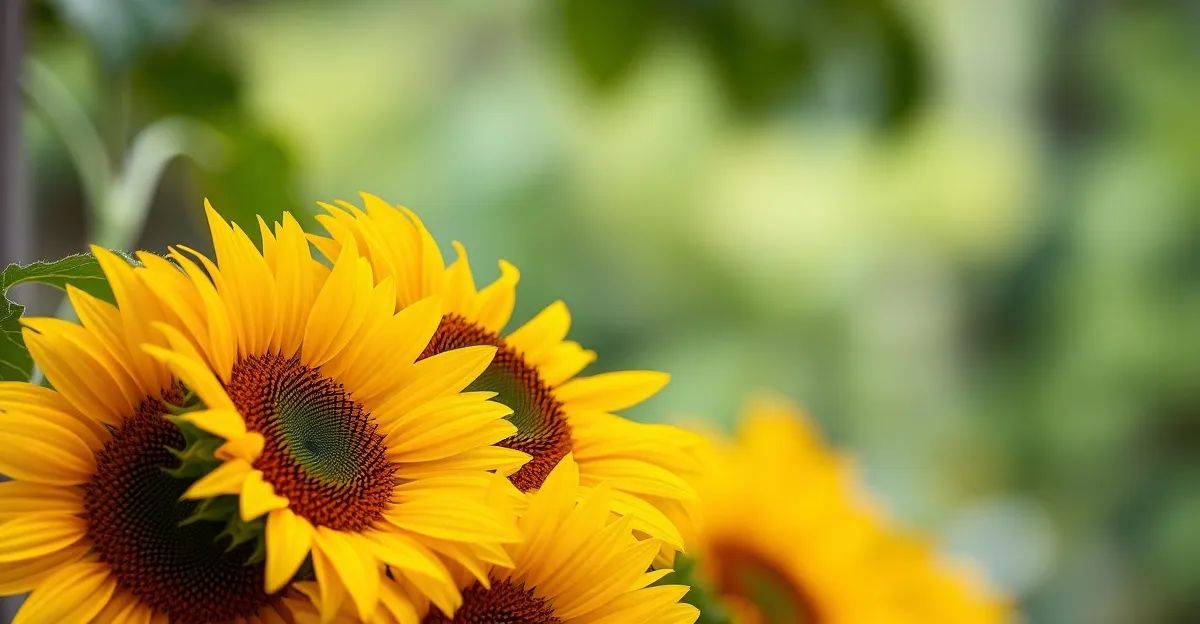
Here's a question with a genuinely good answer: yes, sunflowers can grow in Bali. Unlike peonies — which require cold winters that Bali simply can't provide — or cherry blossoms, which are climatically absurd in the tropics, sunflowers are warm-season plants that genuinely have a chance in Bali's conditions.
That said, "can grow" and "will thrive with minimal effort" are different things. Bali's tropical conditions present specific challenges for sunflower growing. This guide, from a florist's perspective, covers what's realistic: where in Bali they grow best, what the challenges are, how locally grown Bali sunflowers differ from the imported varieties you see at florists, and whether growing your own makes more sense than buying them.
The good news: sunflowers are warm-climate plants
Helianthus annuus, the common sunflower, is native to North America — specifically the warmer, drier regions of what is now the Great Plains and Southwest. The plant was domesticated by Native Americans in warm conditions and has been grown across tropical and subtropical zones worldwide for centuries.
In the right microclimate, sunflowers will grow, flower, and set seed in Bali. The key conditions they need:
- Full sun: Minimum six hours of direct sun per day. Bali's equatorial sunshine is abundant.
- Well-draining soil: Sunflowers hate waterlogged roots. This is the challenge in Bali.
- Warm temperatures: They prefer 18–35°C. Bali's temperatures fit this range comfortably.
- Relatively low humidity during flowering: This is where Bali becomes difficult.
The main challenge: Bali's wet season
Bali has two distinct seasons: dry (roughly May through September) and wet (November through March). Sunflowers can be grown very successfully during the dry season, when lower humidity and better drainage conditions prevail. They struggle significantly during the wet season.
The problems during the wet season:
- Root rot: Bali's tropical downpours combined with heavy volcanic soil can create waterlogging that kills sunflower roots within days.
- Botrytis and fungal disease: The high humidity of Bali's wet season creates ideal conditions for fungal diseases that attack sunflower stems and heads. A head that's developing during a heavy monsoon period will often show brown rot before it can fully open.
- Powdery mildew: A different fungal issue — a white coating on leaves — thrives in warm, humid conditions with poor air circulation.
The practical implication: if you want to grow sunflowers in Bali, time your planting for late March or April (end of wet season, before the full dry season begins) so plants are establishing while conditions improve and reach flowering during the dry season peak (June–August).
Where in Bali sunflowers grow best
Not all of Bali has the same microclimate. The coastal areas — Canggu, Seminyak, Kerobokan, Pererenan — are on the wetter, more humid end. The drier, more elevated interior areas offer better conditions for sunflower growing.
Dry areas of northern and eastern Bali
The area around Amed in East Bali is notably drier and less humid than the tourist coast. Farmers there grow crops that would struggle in Canggu's wet conditions. Sunflowers do better here.
Bali Aga villages in the highlands
Some villages in Bali's inland highlands grow sunflowers seasonally. You'll see them at highland markets during the dry season — smaller than the massive Dutch imports, but genuine and freshly cut.
Coastal Bali: possible but harder
In Canggu or Seminyak, growing sunflowers requires:
- A raised bed with excellent drainage (sandy, well-amended soil)
- A sheltered position that gets sun but is somewhat protected from the most intense rain
- Dry season timing
- Regular monitoring for fungal disease
It can work. But it takes effort, and results are inconsistent compared to growing sunflowers in more appropriate conditions.
How local Bali-grown sunflowers compare to imports
There's a meaningful difference between sunflowers grown in Bali and the large commercial varieties imported from Australia or the Netherlands.
Local Bali sunflowers tend to be:
- Smaller heads (10–15cm) versus imported blooms (20–30cm)
- Shorter stems (50–80cm) versus commercial long-stem imports (80–120cm)
- Less uniform in size and shape — a more natural, garden-grown look
- Fresher — cut and delivered the same day rather than having traveled 3–5 days by air
- More affordable — no import costs
For casual home use, local sunflowers have a genuinely lovely character. They feel more personal and less homogenous than commercial imports. For a florist arrangement intended to impress — a wedding centrepiece, a large statement arrangement — the imported commercial varieties tend to look more polished.
Growing tips for Bali conditions
If you want to try growing sunflowers at your Bali villa or home garden, here's what works:
Soil preparation
Bali's volcanic soil is excellent in many ways but tends to compact and retain too much moisture in heavy rain. Before planting, work in:
- Coarse sand (30% of mix) for drainage
- Compost or well-rotted organic matter (20%) for nutrition
- A raised bed or mounded planting position to prevent waterlogging
Seed selection
Standard Helianthus annuus seeds work. Look for:
- Dwarf varieties (50–80cm) if space is limited
- Compact branching varieties if you want multiple smaller blooms per plant
- Standard tall varieties if you're after the classic large-head sunflower
Seeds are available at garden centers in Denpasar and online. Starting with seeds directly sown in the garden (sunflowers don't transplant well once they've germinated) is the standard approach.
Spacing and support
Space plants at least 30–40cm apart for good air circulation — crucial in Bali's humidity. Tall sunflowers may need staking in areas that receive strong sea breezes. A bamboo cane and loose garden tie works well.
Fertilising
Sunflowers are reasonably heavy feeders. A balanced NPK fertiliser at planting and a second application when the stem is about 50cm tall works well in Bali's conditions.
Harvesting for cut flowers
Cut stems in the early morning, just as the outer petals are beginning to open. The ideal cutting stage for vase life is when petals are just starting to open from the bud — not fully open. Cut long stems (60cm or more if possible) and immediately place in water.

The team
your florists
weekly subscription · Bali
We write about flowers because we love them. We deliver them because someone should — properly, weekly, across Bali.
— heyflowerPay once for 3, 6, or 12 months, no auto-renewal.
The sustainability argument for local sunflowers
There's a meaningful environmental consideration here. An imported sunflower from the Netherlands has traveled by air freight halfway around the world and carries a significant carbon footprint. A sunflower grown in Bali's drier regions and transported by road has a fraction of that impact.
For people who care about the environmental footprint of their flowers — and many of Bali's environmentally conscious expat community do — local Bali sunflowers, when available, are a genuinely better choice. They're not always available, but when you can find them at local markets or through florists with local sourcing relationships, they're worth choosing.
At heyflower.co, we work with local growers where possible and source seasonally from across Bali's flower-growing regions. Our subscriptions deliver to Canggu, Berawa, Seminyak, Pererenan, and Kerobokan every Monday — explore at /#subscriptions.
Frequently Asked Questions
Can I grow sunflowers in a pot in Bali?
Yes, with the right variety. Choose a compact or dwarf variety designed for container growing. Use a large pot (minimum 30cm diameter) with excellent drainage holes and a well-draining potting mix. Place in full sun and water regularly but allow the soil to dry slightly between waterings. Container sunflowers in Bali's dry season can be very rewarding.
What is the best season to plant sunflowers in Bali?
Plant at the end of the wet season (March–April) for dry-season flowering. The seeds germinate well in Bali's warmth but the plants need the improving conditions of the approaching dry season to develop well. Avoid planting in November and December — the peak wet season will likely cause root rot.
Why do my sunflowers keep getting mouldy in Bali?
Mould on sunflowers in Bali is almost always caused by fungal disease (botrytis or powdery mildew) encouraged by high humidity. Solutions: improve spacing for air circulation, avoid overhead watering (water at the base only), time planting for the dry season, and apply a diluted neem oil spray as a preventive fungicide.
Are there any sunflower farms in Bali?
Small-scale sunflower growing happens in Bali, particularly in drier eastern and northern areas. You'll find locally grown sunflowers at some markets (particularly in Ubud and highland areas) during the dry season. There are no large commercial sunflower farms in Bali — the scale of growing doesn't support it.
Do sunflowers attract insects in Bali?
Yes. Sunflowers are highly attractive to bees and butterflies, which is genuinely good for Bali's gardens. They also attract some aphids, which can be managed with neem oil spray. The bee attraction is actually one of the best reasons to grow sunflowers in a Bali garden — supporting local pollinator populations is worthwhile given the importance of pollination for tropical food crops.
More on Sunflower