Sunflower in Balinese ceremonies: traditional uses in Bali
Do sunflowers appear in traditional Balinese ceremonies? The honest answer, plus what flowers actually shape Bali's spiritual life.
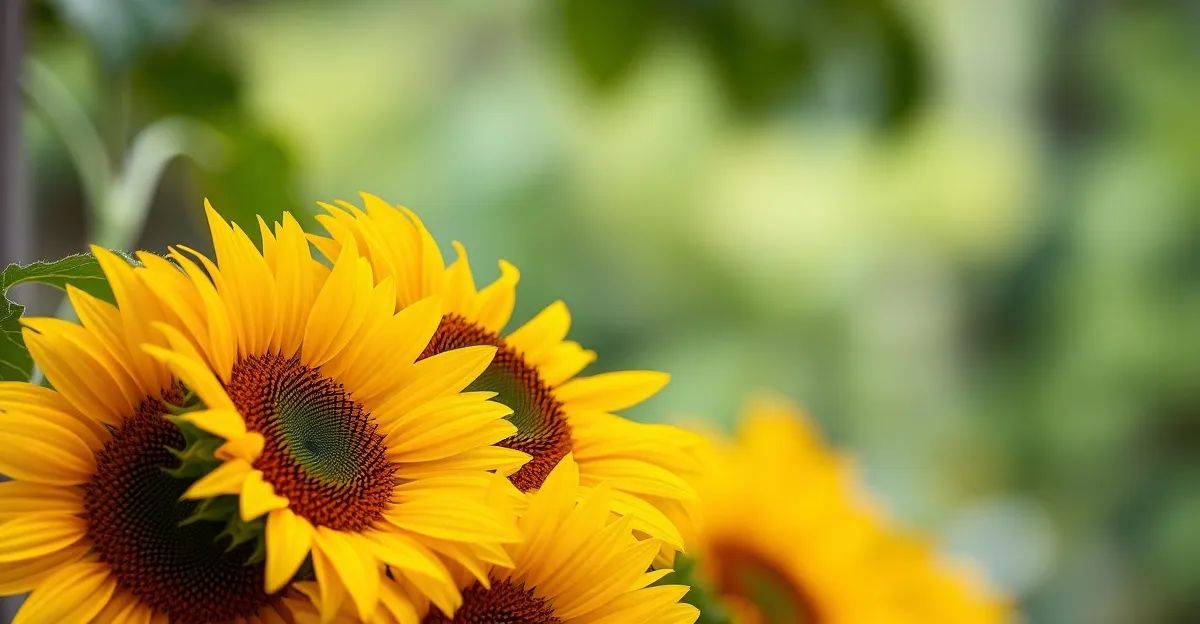
Here's a question that comes up more often as Bali's sunflower availability improves and more people fall in love with them: do sunflowers have a place in traditional Balinese ceremony? It's a reasonable thing to wonder, especially in a place where flowers are as spiritually charged as they are in Bali.
The direct answer: sunflowers don't have a traditional role in Balinese Hindu ceremonial practice. They're not used in canang sari, they don't appear in temple offerings, and they're not prescribed by the intricate floral knowledge that guides Balinese ceremonial flower selection. But that absence tells an interesting story — about which flowers do matter, why, and how Bali's flower culture has evolved as the island has opened to the world.
The structure of Balinese ceremonial flower culture
Before exploring where sunflowers fit (or don't), it helps to understand how Balinese ceremonial flower selection works.
In Balinese Hinduism, flowers are not simply decorative. They're offerings — material expressions of devotion, gratitude, and spiritual intention. The selection of which flowers are appropriate for which ceremonies is governed by religious knowledge transmitted from priests (pedanda and pemangku) through generations. Specific colours correspond to specific deities, cardinal directions, and spiritual forces.
The flower palette used in Balinese ceremony is, essentially, a local palette. It evolved using the flowers that were available in Bali — tropical species that grow on the island or in the broader Indonesian archipelago. This isn't accidental. Ceremonial traditions develop from what's at hand; the meaning assigned to frangipani or white hibiscus is inseparable from the fact that these flowers have been present in Bali's landscape for centuries.
Sunflowers, arriving relatively recently through commercial trade, carry none of this accumulated spiritual meaning. They haven't been incorporated into the religious taxonomy because there's been no process of incorporation — that kind of meaning accrues slowly, through generations of practice.
What Bali's ceremonies actually use
Understanding which flowers are genuinely important in Balinese ceremony adds richness to the sunflower question.
Frangipani: the heart of Balinese offering culture
White frangipani (jepun putih) is the most fundamental ceremonial flower in Bali. It appears in virtually every type of offering, from the simplest daily canang sari to the most elaborate cremation ceremonies. The flower's white purity, its fragrance, and its abundance across Bali's gardens and temple grounds make it central. A Bali without frangipani offerings would barely be recognisable.
Marigold: the festival colour
Orange marigold (gemitir) provides the vibrant warmth that Balinese visual culture celebrates. At Galungan — the ten-day celebration of the victory of dharma over adharma — marigold garlands decorate the towering penjor bamboo poles lining every street. Their colour, durability, and the sheer volume in which they can be grown make them one of Bali's most economically significant ceremony flowers.
White hibiscus: the sacred bloom
White hibiscus (pucuk) holds particular significance in high-level ceremonies. Its single-day bloom — opening in the morning, falling by afternoon — carries meaning about spiritual presence and the transient nature of physical beauty in the service of the divine.
Kenanga (ylang-ylang): fragrance as offering
Kenanga — the small, star-shaped ylang-ylang blossom — is used extensively in Balinese offerings for its extraordinary fragrance. Scent is an important aspect of Balinese ceremonial aesthetics; the offering appeals to multiple senses. Kenanga contributes a fragrance layer that visual flowers alone can't provide.
Lotus: the sacred symbol
The lotus (padma) is the most symbolically loaded flower in Bali's ceremonial culture, as it is across Buddhist and Hindu traditions generally. It represents spiritual purity, divine origin, and transcendence — the ability to emerge pristine from murky water. Sacred lotus grows in the ponds of Bali's most important temples, and its use is reserved for significant ceremonial contexts.
Where sunflowers do appear in Bali
While sunflowers aren't part of traditional ceremonial Bali, they have found genuine places in the island's contemporary life.
Modern Bali weddings
As discussed in our sunflower in wedding bouquets guide, contemporary Bali weddings — particularly international destination weddings and increasingly for young Balinese families with international aesthetic influences — feature sunflowers prominently. They don't appear in the traditional ceremonial elements of Balinese weddings, but they appear in the decorative elements: reception table arrangements, entrance garlands, photo backdrops.
Hospitality and villa culture
Canggu, Seminyak, and the broader South Bali hospitality scene has made sunflowers a staple. Café lobbies, resort foyers, villa living rooms — sunflowers are everywhere in Bali's hospitality aesthetic. Their warmth, scale, and visual energy work perfectly in the island's open-air, natural-material interior design language.
Gift-giving occasions
As the gift culture around birthdays, housewarmings, and business openings has grown in Bali's increasingly cosmopolitan communities, sunflowers have become one of the most popular gifting flowers. Their broad positive symbolism across Bali's multiple cultural communities makes them a reliable choice.

The team
your florists
weekly subscription · Bali
We write about flowers because we love them. We deliver them because someone should — properly, weekly, across Bali.
— heyflowerPay once for 3, 6, or 12 months, no auto-renewal.
The respectful position for visitors and expatriates
If you're living in or visiting Bali and want to engage meaningfully with the island's flower culture, a few thoughts:
Don't assume imported flowers belong in temple offerings. The ceremonial flower vocabulary is specific and intentional. Visiting a temple and wanting to make an offering is beautiful; use locally appropriate flowers (frangipani is always right) rather than trying to incorporate something foreign.
Do appreciate the artistry of canang sari. The daily offering made by Balinese women is a genuine art form — the precise folding of palm leaves, the selection of flowers in the appropriate colours, the placement of incense and small food offerings. Watching this being made, if you have the opportunity, is worth more than any flower arrangement.
Do support Bali's ceremonial flower economy. Much of Bali's flower growing is oriented toward the island's enormous appetite for ceremonial flowers. Buying flowers at local markets (pasar bunga) rather than only from tourist-oriented outlets supports the farmers and sellers at the foundation of this ecosystem.
At heyflower.co, we source with attention to local growing where possible and deliver across Canggu, Berawa, Seminyak, Pererenan, and Kerobokan. Whether sunflowers, tropical arrangements, or something else entirely, our subscription service brings fresh flowers to your home weekly. Explore at /#subscriptions.
Frequently Asked Questions
Do Balinese Hindus ever use sunflowers in their ceremonies?
Not in traditional prescribed ceremonies. The ceremonial flower vocabulary is established and uses locally grown tropical species. However, Balinese people may use sunflowers as decorative non-ceremonial elements at celebrations, and the island's increasingly cosmopolitan younger generation incorporates diverse flowers in personal celebrations outside the religious context.
What is the significance of marigolds in Balinese ceremony?
Marigolds (gemitir) are one of the most important ceremonial flowers in Bali. Their vivid orange colour is associated with the divine, with Brahma, and with the fire element in Balinese Hindu cosmology. They're used in enormous quantities at major festivals like Galungan, where they decorate the bamboo penjor poles that line every street. Bali's marigold farmers supply enormous volumes of blooms to meet ceremonial demand.
Can I bring sunflowers as a gift when visiting a Balinese family?
Yes, absolutely. Sunflowers as a personal gift — flowers for the home — are well understood and appreciated. The distinction is between personal decorative gifts (fine) and ceremonial offering flowers (which should follow traditional protocols). As a guest bringing a warm personal gift, sunflowers are appropriate and will be received positively.
Are any non-indigenous flowers used in Balinese ceremonies?
Marigolds (Tagetes), though now deeply embedded in Balinese ceremony, are actually indigenous to the Americas — they came to Asia through colonial-era trade. Their integration into Balinese ceremony shows that flowers can become incorporated into ceremonial practice over generations, but this process takes centuries and is driven by the flower's widespread availability and practical ceremonial qualities. Modern imported cut flowers haven't had the time or conditions to undergo this integration.
How can I learn more about Bali's ceremonial flower traditions?
The best way is through observation and respectful conversation. Bali has excellent cultural guides, some affiliated with temples, who can explain the significance of different ceremonial elements including flowers. Books on Balinese Hinduism and ritual also cover flower symbolism extensively. Don't be afraid to ask Balinese friends about the ceremonies you observe — in general, Balinese people are generous about sharing knowledge of their traditions with genuinely interested visitors.
More on Sunflower