How to Preserve a Hibiscus Bouquet After the Event
Hibiscus is notoriously difficult to preserve — but it's not impossible. Here's what actually works for keeping memories of a special bouquet alive.
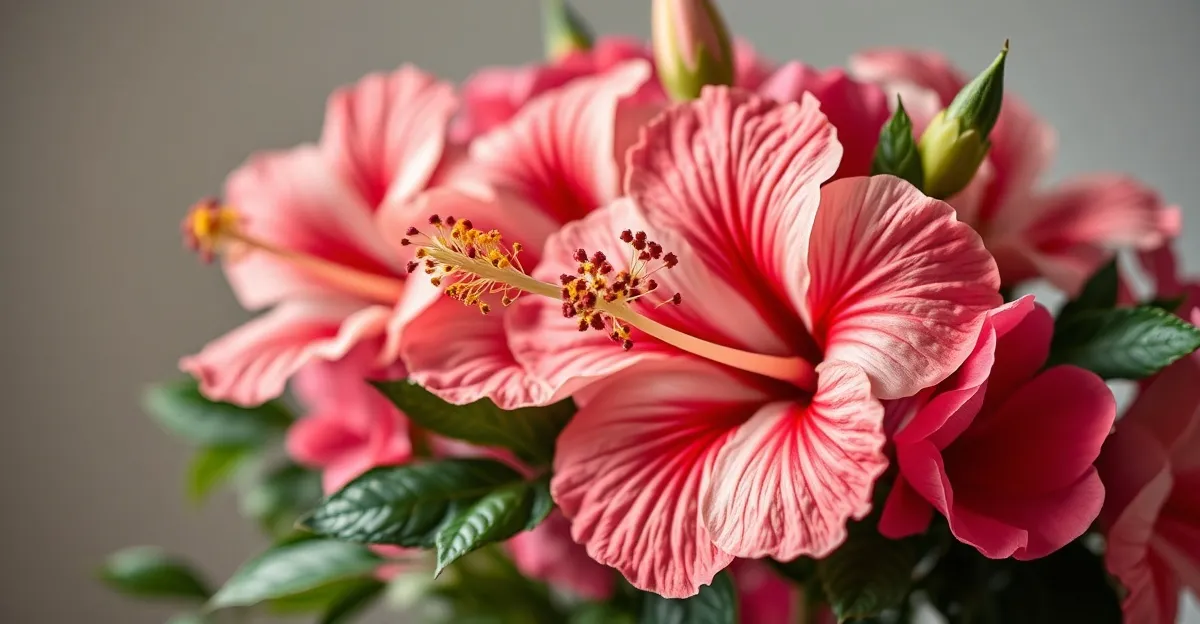
Of all the flowers you might want to preserve from a special occasion — a wedding, a meaningful birthday, a ceremony — hibiscus is one of the most challenging. Its wide, papery petals and high moisture content make standard preservation methods tricky, and the flower's intense colours are prone to fading. But before you write off hibiscus preservation entirely, it's worth knowing what actually works, what can be salvaged even when perfect preservation isn't possible, and how to make peace with the beautiful impermanence that is, arguably, part of hibiscus's whole point.
Understanding Why Hibiscus Is Difficult to Preserve
The challenge begins with hibiscus's biology. Each bloom is a single-day flower — it opens, reaches full saturation, and closes within 24 hours. The petals are large and contain significant moisture. Unlike roses or lavender, which dry with reasonable structural integrity, hibiscus petals tend to collapse, crinkle, or brown unless very specific techniques are used.
There's also the colour challenge. Hibiscus's vivid reds, pinks, and yellows come from pigments (primarily anthocyanins and flavonoids) that are particularly sensitive to oxidation and UV exposure. Without intervention, preserved hibiscus often fades to dusty rose, brownish-red, or pale yellow within weeks.
Knowing this going in sets realistic expectations. Perfect preservation of hibiscus — blooms that look exactly as vivid as on the day — is extremely difficult. But meaningful preservation is absolutely possible.
Method 1: Silica Gel Drying
Silica gel is the most effective method for preserving hibiscus petals with some colour retention. It works by absorbing moisture from the flower rapidly, which minimises the cell collapse and browning that happens with slower air-drying.
How to Do It
-
Act immediately: Hibiscus petals begin to wilt and collapse within hours of the bloom closing. To preserve the open bloom, you need to work while it is still fully open or just beginning to close.
-
Separate petals or preserve whole: You can preserve entire open blooms or separate individual petals. Petals tend to preserve more evenly and retain more colour than whole blooms.
-
Bury in silica gel: Pour a layer of silica gel crystals (available at craft shops or online) into a container. Place petals or blooms face-up, then gently pour more silica gel around and over them until completely buried.
-
Wait 3–7 days: In Bali's humid climate, check after three days. The petals are ready when they feel dry and papery but not brittle.
-
Remove carefully: Use a soft brush to remove silica gel from preserved petals. They will be delicate.
-
Seal from humidity: In Bali's air, preserved flowers will reabsorb moisture quickly. Store in an airtight container with a small silica gel packet or display in a sealed glass dome.
Colour Results
Silica gel preserves hibiscus colour better than any other home method — reds retain some of their saturation, pinks fade to softer rose tones, yellows become cream. Expect some colour change but meaningful colour retention.
Method 2: Pressing
Pressed hibiscus creates beautiful, if significantly altered, keepsakes. The blooms flatten into translucent, almost watercolour-like preserved flowers that work beautifully in frames, journals, wedding stationery, and art projects.
The Process
-
Work quickly: As with silica gel, the bloom must be open and as fresh as possible.
-
Separate petals or press whole: Pressing whole hibiscus blooms is difficult because the central stamen column creates unevenness. Separating and pressing individual petals gives more uniform results.
-
Use flower pressing materials: Place petals between sheets of blotting paper or parchment, then place in a flower press or heavy books with additional weight on top.
-
Change blotting paper after 24 hours: Hibiscus petals release a lot of moisture — the first blotting paper will be saturated quickly. Change it within the first day to prevent browning and mould.
-
Complete drying time: Allow 2–3 weeks for complete drying. In Bali's humidity, use a flower press in a climate-controlled room if possible.
Uses for Pressed Hibiscus Petals
- Framed botanical art
- Wedding invitation liners or thank-you cards
- Resin casting (petals embedded in clear resin for paperweights, jewellery, or coasters)
- Journal and scrapbook decoration
Method 3: Resin Casting
Resin casting is one of the more involved preservation methods but creates the most durable and visually striking results. Hibiscus petals embedded in clear UV-resistant resin retain their shape and colour far better than in open-air preservation.
Key Considerations in Bali
Resin casting requires a ventilated workspace and careful UV management. In Bali's climate:
- Work in an air-conditioned room to control humidity during curing (humidity causes cloudiness in some resins).
- Use UV-resistant resin specifically designed for botanical preservation.
- Dry petals completely using silica gel before casting — any residual moisture will create bubbles and cloudiness in the resin.
The finished pieces — paperweights, coasters, pendants, framed panels — are genuinely beautiful and make thoughtful keepsakes from weddings and special celebrations.
Method 4: The Practical Alternative — Photograph Everything
Sometimes the most meaningful way to honour hibiscus is to photograph it beautifully while it's alive, then let it go with grace. Given how challenging physical preservation can be, high-quality photography of your hibiscus bouquet is often the most reliably beautiful keepsake.
For a wedding, brief your photographer about the floral styling you've planned — request dedicated bouquet shots in good natural light before the ceremony begins, when the flowers are at their most open and vivid. These images will outlast any physical preservation attempt.
For a gifted bouquet, take your own photographs the morning after receipt when blooms have fully opened. Natural morning light in Bali is extraordinary for flower photography.
Method 5: Making Hibiscus Tea
This is a different kind of preservation — not visual, but experiential. Hibiscus petals (particularly from Hibiscus sabdariffa, though Hibiscus rosa-sinensis petals are also edible) can be dried for hibiscus tea. The resulting tea is a vivid ruby red with a pleasingly tart flavour.
To dry petals for tea in Bali:
- Separate petals from stems immediately after blooms begin to close.
- Spread on a clean tray in a well-ventilated, shaded location.
- In Bali's humidity, an indoor fan assists drying. A dehydrator set at 35–40°C is the most reliable method.
- Fully dried petals can be stored in an airtight jar for 6–12 months.
While this obviously applies only to edible varieties, it's a lovely way to extend the experience of a special hibiscus arrangement into the kitchen.

The team
your florists
weekly subscription · Bali
We write about flowers because we love them. We deliver them because someone should — properly, weekly, across Bali.
— heyflowerPay once for 3, 6, or 12 months, no auto-renewal.
Being at Peace with Impermanence
Balinese culture has something genuinely wise to teach about flowers and impermanence. The canang sari — the daily floral offering placed at shrines across the island — is created fresh each morning and left to fade through the day. It's a tangible practice of non-attachment: beauty offered without expectation of permanence.
Hibiscus, with its vivid single-day blooms, embodies this quality perfectly. Part of what makes the flower so extraordinary is precisely that it doesn't linger. Each bloom is complete in itself — fully open, fully present, fully gone — in a single day.
Preserving hibiscus is worthwhile when the memory it holds matters enough to make the effort. But there's also something to be said for simply being fully present with the flowers while they're alive, photographing them well, and then releasing them.
Frequently Asked Questions
Why do hibiscus petals turn brown when pressed?
The browning results from enzymatic oxidation — the same process that turns a cut apple brown. Hibiscus petals are high in moisture and have active enzymes that accelerate this process. Using silica gel (which dries quickly and reduces oxidation time) helps. Changing blotting paper quickly during the pressing process also prevents the moisture-driven browning that comes from slow evaporation.
Can I use a hairdryer to speed up hibiscus drying?
Not recommended — the heat will cause petals to shrivel and crinkle rather than flattening or preserving shape. For faster drying, silica gel or a cool fan works much better than direct heat.
How do I prevent preserved hibiscus from reabsorbing humidity in Bali?
Bali's high humidity is the biggest enemy of preserved flowers. Store preserved hibiscus in a completely airtight container — a sealed glass dome, a zip-lock bag, or a box with tight-fitting lid. Include a small fresh silica gel packet inside the storage container and replace it every few months.
Are there florists in Bali who offer professional flower preservation?
Some specialist florists and craft studios in Bali offer flower pressing, drying, or resin services — particularly around the wedding floristry industry. Ask your wedding florist whether they have a preservation service or can recommend one. Turnaround time is typically two to four weeks.
What's the best keepsake option for a hibiscus wedding bouquet?
Given the challenges of physical preservation, a combination approach works well: high-quality professional photography of the bouquet while fresh, supplemented by silica gel preservation of a selection of individual petals pressed into a keepsake frame or used in a custom resin piece. This gives you both an immediately beautiful keepsake (photographs) and a longer-term tactile memento.
Preserve the Memory, Honour the Moment
Hibiscus may not be the easiest flower to preserve, but with the right technique and realistic expectations, you can keep something beautiful from a special occasion. And when physical preservation falls short, a great photograph and the memory of a fully-alive bloom are keepsakes in their own right.
At heyflower.co, we arrange hibiscus and tropical bouquets for every kind of occasion across Bali. From weddings to weekly villa deliveries, we'd love to be part of your floral story. Explore our flower subscriptions for regular tropical arrangements delivered fresh to your door.
More on Hibiscus