How to Preserve an Anthurium Bouquet After the Event
Keep your anthurium blooms looking beautiful long after the event with these expert preservation and drying tips from a Bali florist.
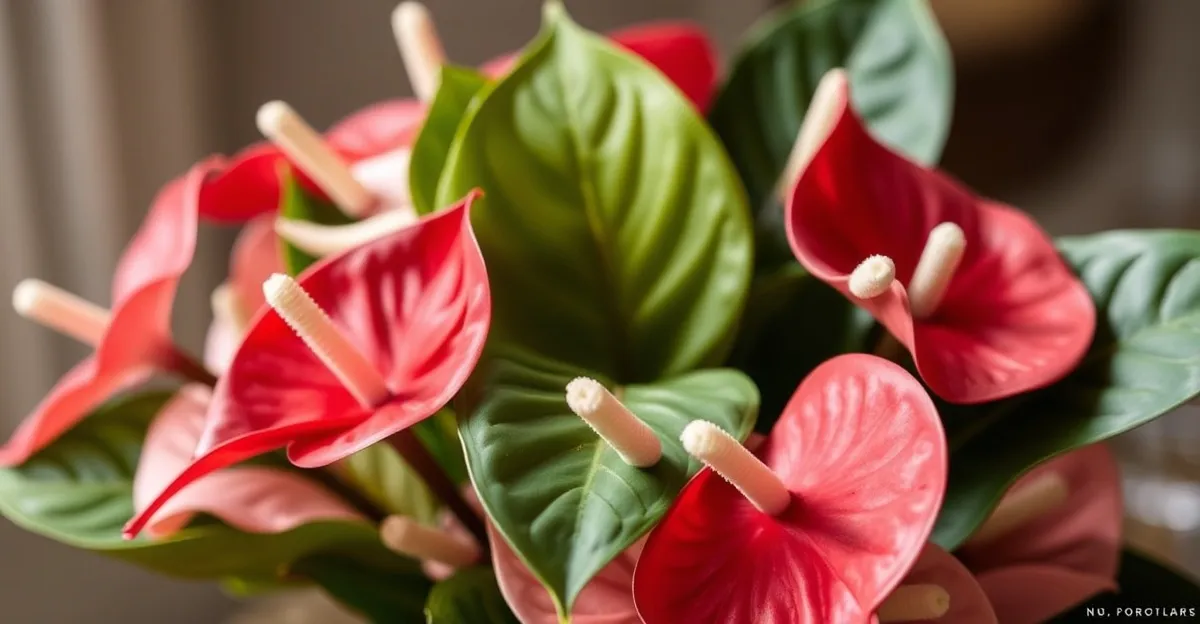
You have just come home from a beautiful event—a wedding, an anniversary dinner, a villa celebration—and the anthurium bouquet you carried or received is still looking absolutely stunning. The natural question is: how long can I keep these looking this good, and is there a way to preserve them permanently?
The good news is that anthurium is one of the most durable cut flowers available in Bali. With the right care, fresh anthuriums can last two to four weeks in a vase. And if you want to preserve them for longer—months or even years—there are several techniques that work particularly well with anthurium's distinctive waxy spathe. This guide covers both fresh care and long-term preservation methods, all adapted to Bali's tropical climate.
Why Anthurium Is Excellent for Preservation
The Anatomy Works in Your Favour
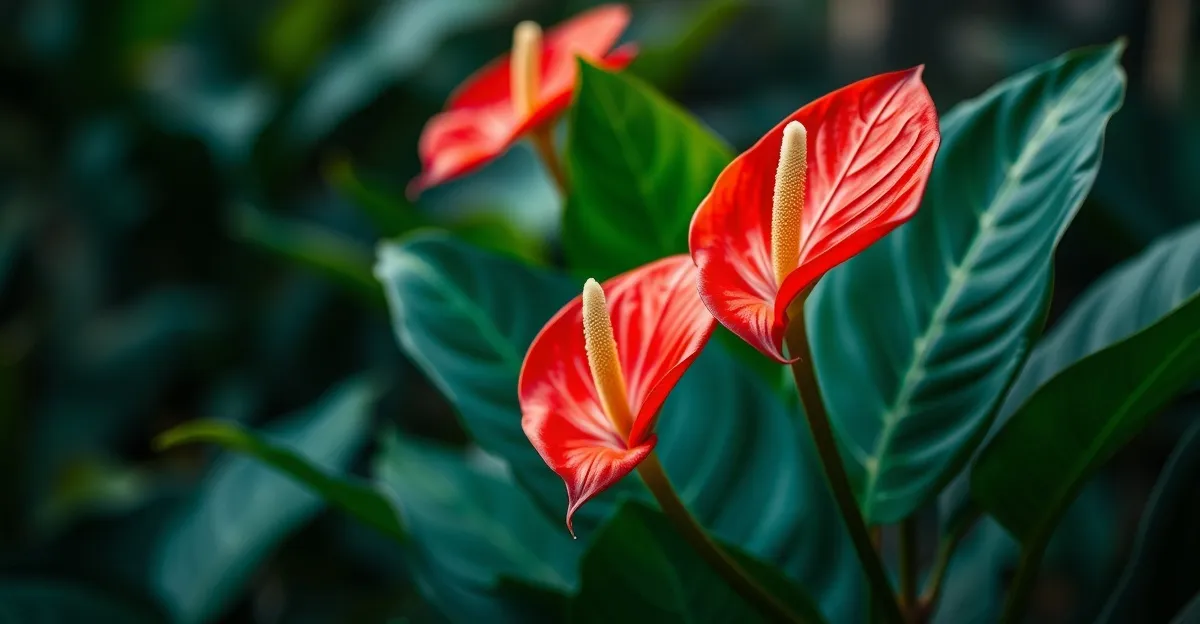
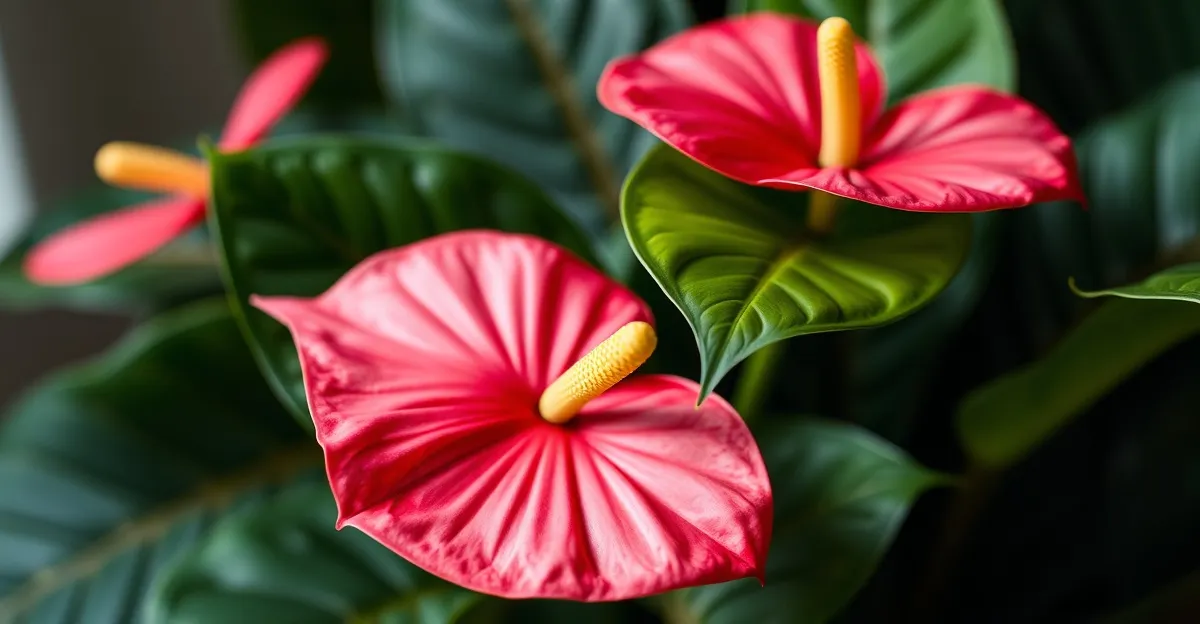
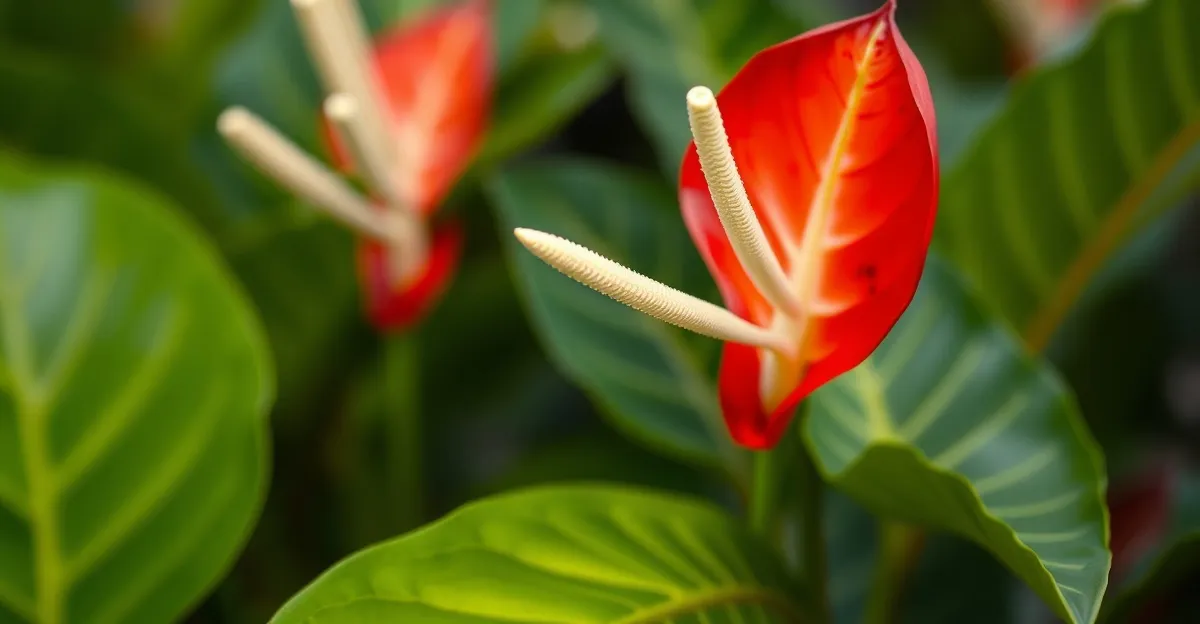
The part of an anthurium that you think of as the "flower" is actually the spathe—a modified leaf, not a petal. This waxy, lacquered surface is significantly more durable than the delicate petals of roses or peonies. It resists wilting, holds its colour well, and tolerates some handling without bruising. The actual flowers are the tiny structures along the spadix (the finger-like protrusion at the centre), but it is the spathe that provides the visual impact and the structural resilience.
This anatomy means anthuriums respond better to preservation techniques than more fragile blooms. They do not shatter when dried, they retain their shape, and they can be rehydrated from a partially wilted state if you act quickly enough.
Bali's Climate Is Both a Challenge and a Help
Bali's humidity is generally good for keeping cut flowers hydrated, but the heat accelerates bacterial growth in vase water and speeds up the natural ageing process. Managing these competing forces is the key to maximising the life of your anthurium after an event.
Fresh Vase Care: Extending the Life of Your Anthurium
The Immediate Steps After the Event
When you bring your anthurium home from an event, give it the best possible start with these steps:
Recut the stems. Use sharp scissors or a floral knife and cut each stem at a 45-degree angle—about two centimetres from the bottom. Do this while holding the stem under water or immediately before placing it in a vase, to prevent air bubbles from entering the cut and blocking water uptake.
Remove lower foliage. Any leaves that would sit below the water line need to go. Submerged foliage rots quickly and introduces bacteria that clog the stem and cloud the water.
Use clean water and a clean vase. Bacteria is the primary enemy of cut flower longevity. Wash your vase with mild soap, rinse thoroughly, and fill with fresh cool water. If you have flower food (the little sachet that often comes with flower deliveries), add it now. It contains sugar for nutrition, an acidifier to help water uptake, and a biocide to slow bacterial growth.
Position away from direct sun and air conditioning. Bali's strong direct sunlight will fade the spathe and heat the water. Air conditioning units create a dry, cold airflow that causes dehydration. Find a spot with bright, indirect light and stable temperature.
Ongoing Care to Maximise Vase Life
Change the water every two days, recutting the stems each time you do. In Bali's heat, even with flower food, water degrades quickly. Regular changes make a significant difference to how long your anthurium stays fresh.
Keep anthuriums away from ripening fruit. Fruit releases ethylene gas as it ripens, and ethylene is toxic to cut flowers—it accelerates ageing and causes spadix discolouration. This is a surprisingly common cause of premature wilting in tropical kitchens where bananas, mangoes, and papayas are always nearby.
Anthuriums prefer temperatures between 18°C and 22°C. In Bali's ambient heat (typically 27°C to 33°C), placing them in an air-conditioned room overnight can extend their life significantly—just position them away from direct aircon flow.
Drying and Long-Term Preservation Methods
Air Drying Anthurium
Air drying works reasonably well for anthurium due to the waxy spathe, though the result is more muted in colour than the fresh flower. To air dry:
Hang individual stems or small bunches upside down in a well-ventilated space away from direct sunlight. In Bali, humidity can slow the drying process and potentially encourage mould, so ventilation is especially important. A fan nearby helps move air without creating a wind strong enough to damage the flowers.
Drying takes one to three weeks depending on humidity. Once dry, the spathe will feel papery but should retain its shape. The colour typically fades to a dusky version of the original—deep red becomes a warm brick tone, pink becomes a soft blush.
Air-dried anthuriums make beautiful additions to dried flower arrangements, wreaths, and home decor pieces. They are fragile once dried, so handle them gently.
Silica Gel Drying
Silica gel drying produces much better colour retention than air drying. It is also faster—typically three to seven days for anthurium. You can find silica gel crystals at craft shops and some florists in Bali, or order online.
Fill a container (plastic or glass) with a layer of silica gel about three centimetres deep. Lay the anthurium face-up on the silica gel, then gently pour more silica gel around and over the spathe until it is completely buried. Seal the container. Leave undisturbed for three to five days, then carefully brush away the silica gel with a soft brush.
Silica-dried anthuriums retain colour remarkably well and feel stiff and dry to the touch. They can be displayed in a vase without water or incorporated into resin casting projects.
Glycerine Preservation
Glycerine preservation replaces the water in plant tissue with glycerine, leaving the plant pliable rather than brittle. The result is a preserved anthurium that feels soft and almost fresh, but will not wilt or decay.
Mix one part glycerine with two parts warm water. Recut the anthurium stem and place it in a vase with the glycerine solution. Leave it to drink up the solution over one to three weeks—you will know it is done when the spathe feels slightly different to the touch and has darkened very slightly in colour. Remove from the solution, wipe off any excess, and allow to air dry for a day.
Glycerine-preserved anthuriums work beautifully in long-term display arrangements. They tolerate Bali's humidity better than air-dried specimens because the glycerine prevents rehydration and maintains suppleness.
Resin Casting
For truly permanent preservation of a single perfect anthurium—perhaps from a wedding or a significant celebration—resin casting creates a translucent block or slab that encases the flower completely. This is a more involved craft process that requires casting resin (epoxy or polyester), a mould, and some patience.
Dry the anthurium fully using silica gel before attempting resin casting—moisture trapped in the flower will cause cloudiness and bubbling in the resin. Once fully dried, place in a mould, pour resin in layers to prevent overheating, and allow to cure fully before unmoulding.
Resin-cast anthuriums become permanent objects—paperweights, decorative blocks, or framed pieces. The colour fades slightly compared to fresh, but the form is preserved indefinitely.

The team
your florists
weekly subscription · Bali
We write about flowers because we love them. We deliver them because someone should — properly, weekly, across Bali.
— heyflowerPay once for 3, 6, or 12 months, no auto-renewal.
What to Do If Your Anthurium Is Already Wilting
The Rehydration Technique
If you return home from an event to find your anthurium already drooping, do not give up. Anthurium responds well to emergency rehydration. Submerge the entire flower—spathe, stem, and all—in a bucket or bathtub of cool water for one to two hours. This allows the spathe to reabsorb water directly through its surface. Then recut the stem and place in a clean vase of fresh water.
This technique can revive anthuriums that look almost beyond saving, particularly if the wilting is recent. How to care for heliconia in Bali's humid climate covers similar emergency care approaches for other tropical blooms, and many of the same principles apply.
When It Is Too Late
A spathe that has turned yellow-green and soft, or a spadix that has turned brown and mushy, is beyond revival. At this point, the best option is to remove and compost the flower, clean the vase, and start fresh. Bali's organic waste systems handle flower composting well, and your spent anthuriums will feed the soil that grows the next generation of tropical blooms.
Frequently Asked Questions
How long does an anthurium last in a vase?
With proper care—regular water changes, recutting stems, keeping away from direct sun and ethylene sources—anthurium can last two to four weeks as a cut flower. This makes it one of the longest-lasting flowers available as a cut bloom.
Does anthurium dry well?
Yes, anthurium dries better than most flowers because its waxy spathe retains its shape without shattering. Silica gel drying gives the best colour retention; air drying works but produces more colour fading.
Can I preserve an anthurium from a wedding bouquet permanently?
Yes. Silica gel drying followed by resin casting is the most permanent preservation method, producing a beautiful keepsake. Glycerine preservation offers a pliable, long-lasting alternative. For a wedding keepsake, it is worth consulting a craft florist or resin artist in Bali.
Why is my anthurium spathe turning yellow?
Yellowing usually indicates one of three things: ethylene exposure from nearby ripening fruit, overwatering in a pot plant context, or natural ageing. Remove from fruit proximity and check water freshness. If the plant is potted, allow the soil to dry slightly between waterings.
Is Bali's humidity bad for preserved dried anthuriums?
High humidity can cause dried anthuriums to reabsorb moisture and soften or mould over time. Store dried specimens in a low-humidity space, ideally in a sealed display case or frame. Glycerine-preserved anthuriums handle humidity better than air-dried ones.
Beautiful Anthurium Arrangements, Delivered Fresh Across Bali
At heyflower.co, we source the freshest anthurium from growers across Bali and deliver arrangements across the island. Whether you are celebrating an event or simply want a stunning long-lasting centrepiece for your villa or home, we arrange and deliver with care.
Browse our collection and explore our flower subscription plans at heyflower.co. Because beautiful flowers deserve to last as long as possible.
More on Anthurium