Anthurium in Balinese Ceremonies: Traditional Uses in Bali
Explore how anthurium is used in Balinese Hindu ceremonies, from temple offerings to wedding decorations, and what it means in local spiritual life.
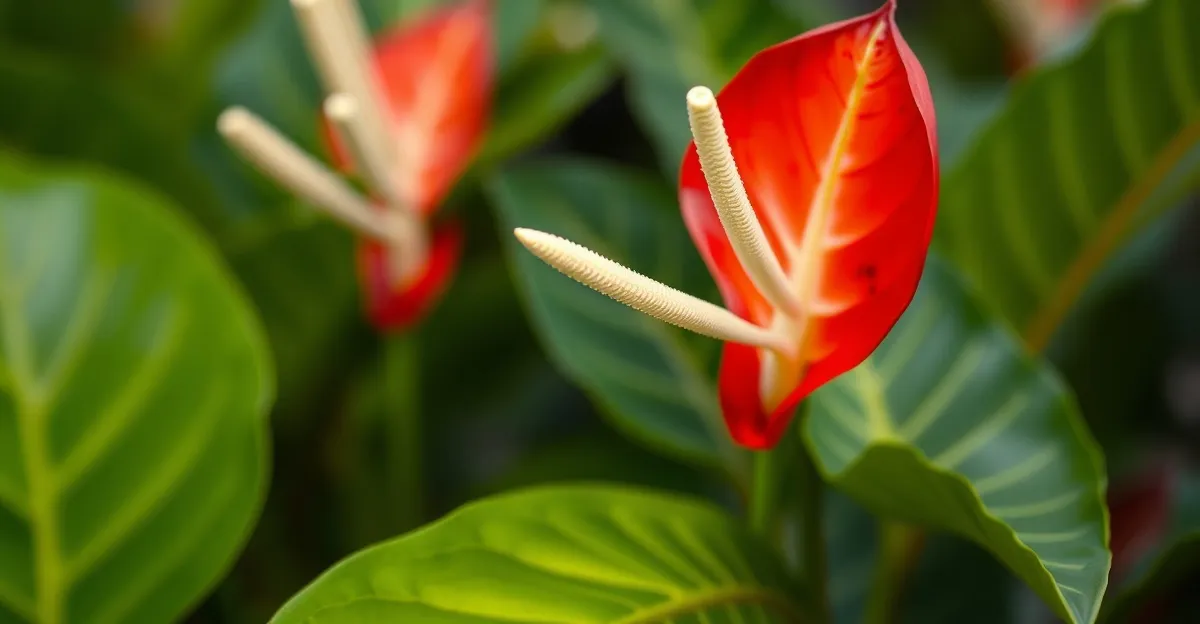
Bali is a place where the spiritual and the botanical are permanently intertwined. Walk through any village and you will see flowers woven into canang sari offerings placed on doorsteps, flowers draped across temple gates during odalan, flowers carried in processions and tucked into hair during ceremonies. In this context, every flower that grows on the island eventually finds a place in ritual life—and anthurium, with its bold presence and tropical abundance, is no exception.
Understanding how anthurium fits into Balinese ceremonial life requires some sense of how Balinese Hinduism approaches flowers generally. It is not a simple catalogue of which flower goes where. It is a living, layered relationship between the natural world, the spiritual world, and the intentions of the people who bring them together. This guide explores that relationship and explains where anthurium specifically sits within it.
Flowers in Balinese Hindu Practice
The Sacred Logic of Flower Offerings
In Balinese Hinduism, flowers are not merely decorative. They are living conduits between the human and the divine. The canang sari—the small daily offering you see everywhere in Bali—contains flowers arranged according to a spiritual geometry. Each cardinal direction corresponds to a deity, a colour, and a specific type of flower. White flowers face east, red flowers face south, yellow flowers face west, and multicoloured or mixed flowers face north. The arrangement is an act of prayer, not just decoration.
This means that the flowers used in formal ritual offerings are chosen deliberately and with specific intention. Not every beautiful flower qualifies—what matters is the flower's colour, its availability in the required season, its cultural associations, and whether it has been used traditionally in a given ceremony. Anthurium's position in this system is interesting precisely because it straddles the traditional and the modern.
The Difference Between Ceremonial and Decorative Use
It is important to distinguish between flowers used in active ritual—placed in offerings, worn by priests, or used to purify a space—and flowers used decoratively in the context of a ceremony. Both are significant and both are beautiful, but they follow different rules. Anthurium is rarely found in the ritual core of traditional Balinese offerings. It is not among the classical offering flowers. But it is increasingly present in the decorative framing of ceremonies—the floral archways, the table arrangements, the welcome displays that surround and celebrate the ritual space.
Anthurium in Wedding Ceremonies
Modern Balinese Weddings and Tropical Floristry
Balinese wedding ceremonies have two distinct layers. The religious core—the sacred prayers, the holy water, the offerings—follows the protocols of Balinese Hinduism with traditional flowers. Around this core, however, Balinese weddings have embraced a rich decorative tradition that has grown more elaborate and more internationally influenced over the past two decades.
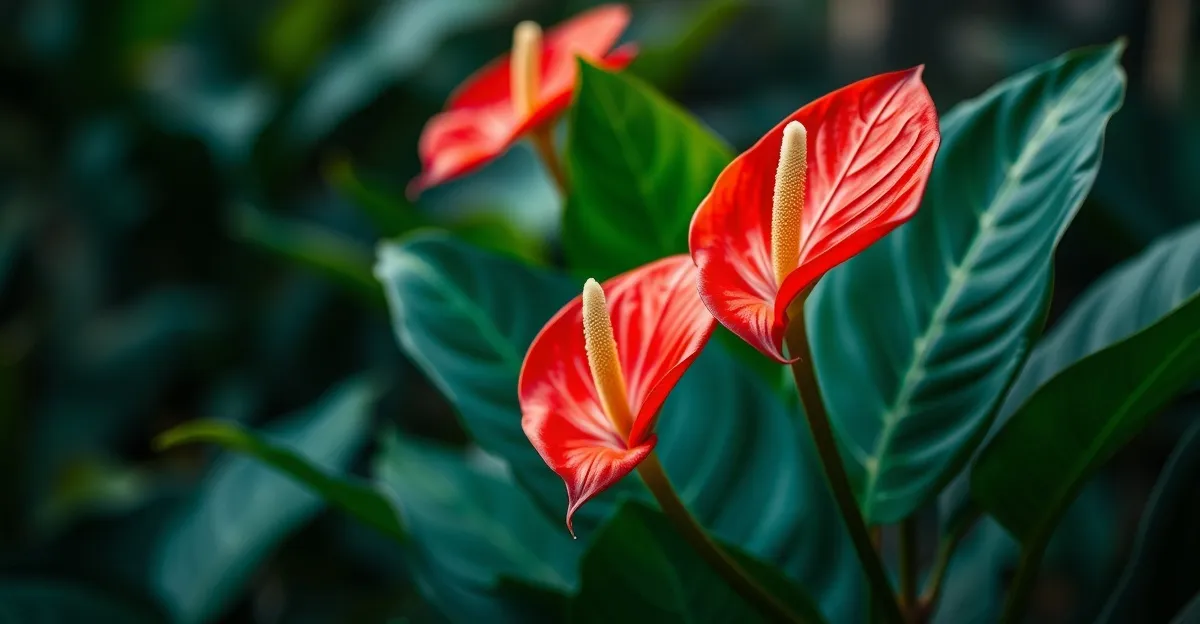
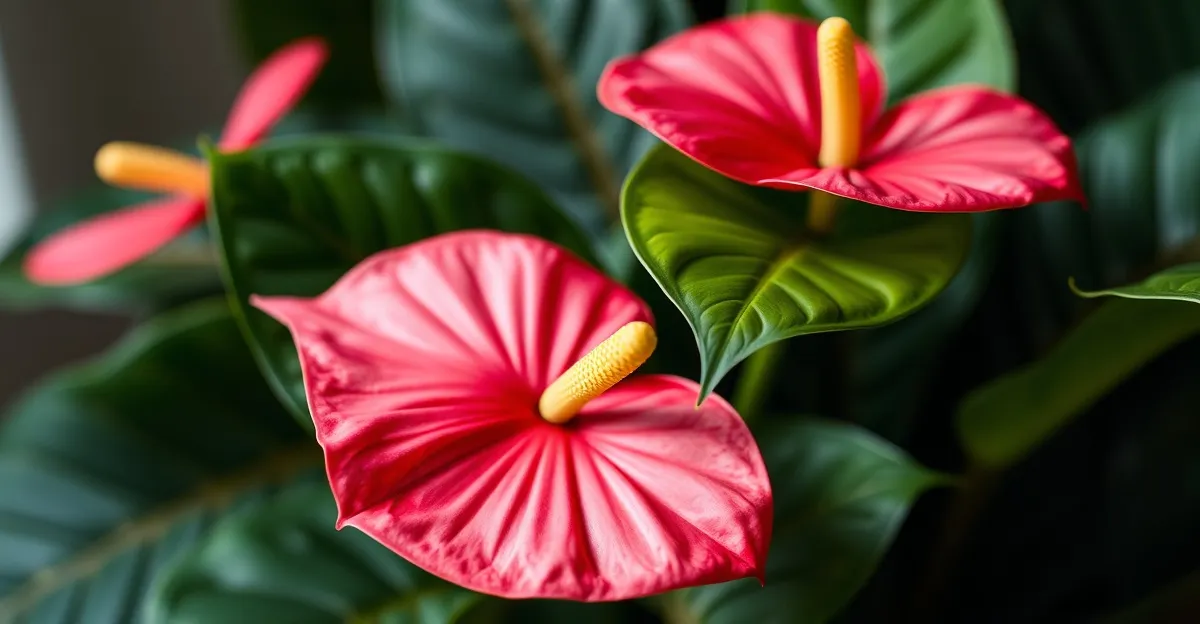
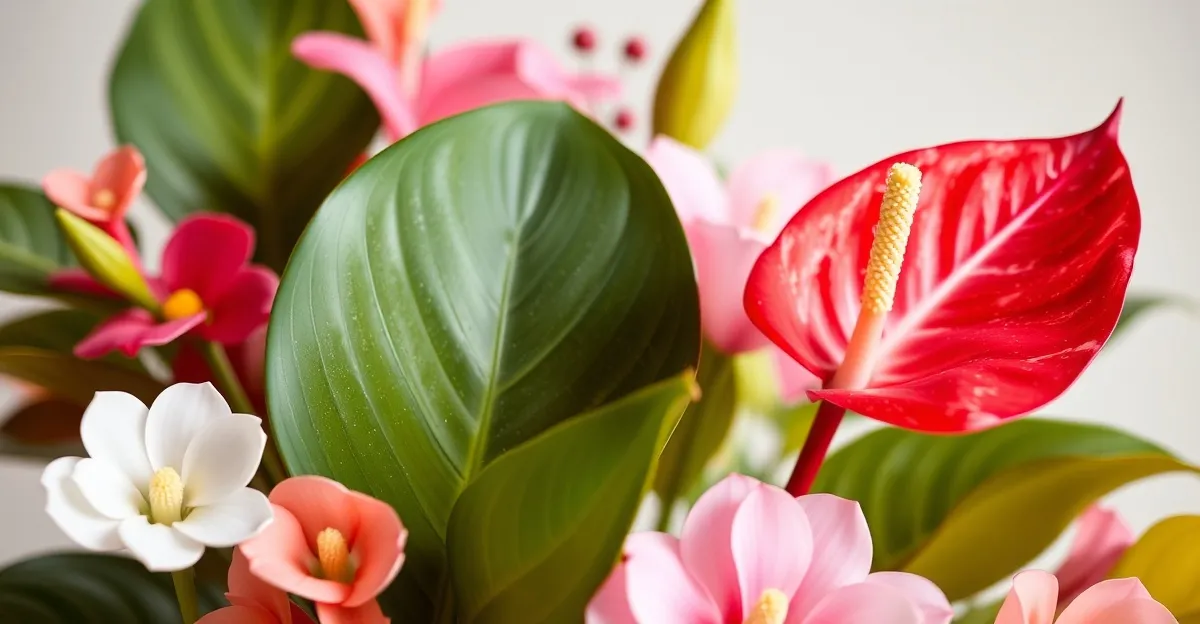
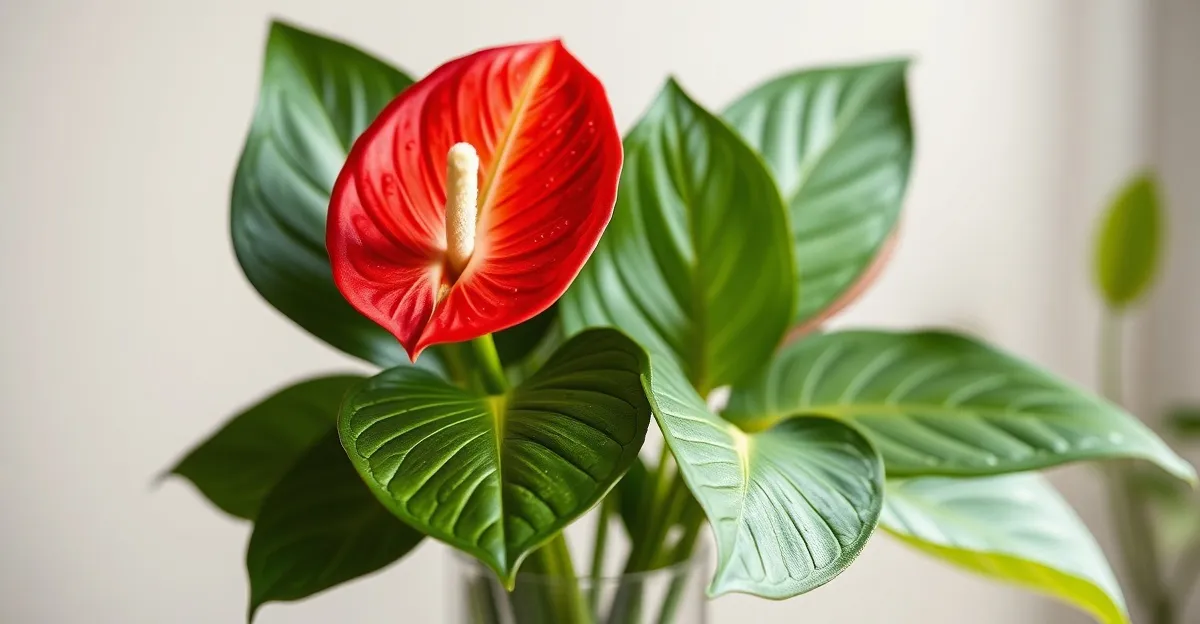
Anthurium has become a significant part of this decorative layer. Its glossy, architectural quality makes it ideal for large-scale event decoration—floral archways, stage backdrops, table centrepieces, and hanging installations. Deep red anthuriums create dramatic romantic settings. White and pale pink varieties are used for more delicate, ethereal aesthetics. Tropical-style Balinese weddings often combine anthurium with bird of paradise, heliconia, and local frangipani for lush, immersive floral environments.
Processional and Welcome Displays
In some Balinese wedding traditions, the path leading guests to the ceremony space is decorated with flowers—petals scattered, arrangements placed at intervals, flower-adorned structures framing the entrance. Anthurium is well-suited to this kind of display because it maintains its appearance for extended periods without wilting, even in Bali's heat. A welcome arch decorated with anthurium will look as good at the end of a five-hour ceremony as it did at the beginning.
Anthurium in Temple Ceremonies and Odalan
Odalan Celebrations
Every Balinese temple has its odalan—an anniversary celebration held every 210 days according to the Balinese calendar. Odalan involve multi-day preparations, elaborate offerings, gamelan music, dance performances, and gatherings of the entire village community. The temple and its surroundings are decorated with penjor bamboo poles, woven palm leaf decorations, and flowers.
In this festive, celebratory context, anthurium's bold colour and tropical energy fit naturally. Families and communities may incorporate anthurium into the flower arrangements that decorate the outer courtyards and reception areas of temple complexes during odalan. This is not ritual use in the strict sense—it is celebratory decoration—but the line between decoration and offering blends at the edges in Balinese ceremonial life.
Penjor and Entrance Decorations
The tall bamboo penjor poles that line the streets of Bali during Galungan—one of the most important Balinese Hindu celebrations, marking the victory of dharma over adharma—are decorated with woven palm leaf ornaments, fruit, and flowers. While the classical penjor typically uses traditional flowers and produce, contemporary penjor makers sometimes incorporate anthurium into the arrangement for its dramatic visual impact. This is more common in urban and tourist-facing areas of Bali where aesthetic innovation sits alongside traditional practice.
Anthurium in Balinese Spa and Hospitality Ritual
The Temple of the Guest
In Bali, hospitality has a sacred dimension. The concept of treating guests well is deeply embedded in both Balinese cultural values and the island's spiritual traditions—guests, like offerings, are presented with care and intention. The extraordinary attention to detail that characterises Balinese resort hospitality—the flower-scattered bath, the welcome offering at the villa door, the flower arrangement in the lobby—is an extension of this value rather than a modern marketing invention.
Anthurium is central to this hospitality aesthetic. Its long vase life means it can anchor an arrangement in a villa or hotel lobby for weeks without replacement. Its tropical boldness communicates the essence of Bali—lush, vibrant, alive. For guests arriving from colder climates, encountering a dramatic anthurium arrangement is often their first visceral encounter with tropical abundance.
Flower Baths and Spa Traditions
The Balinese flower bath—a deep soaking tub scattered with frangipani petals, rose petals, and tropical flowers—has become one of the iconic images of Bali spa culture. Anthurium features in more luxurious spa arrangements, where its glossy spathe floats on the surface of the water, adding architectural drama to the sensory experience.
This use of flowers in spa ritual has deep roots in Balinese healing traditions. Water blessed with flowers and aromatic plants is considered purifying in Balinese Hindu practice. The modern flower bath is a secular evolution of this tradition, but the cultural resonance remains.
Anthurium in Funerary and Mourning Contexts
What to Know Before Gifting
As with most flowers, anthurium's place in mourning contexts depends heavily on colour and presentation. Traditional Balinese Hindu funeral flowers—used at Ngaben cremation ceremonies and related rites—are typically white, yellow, or pale-coloured and follow ritual protocols. Vibrant red or tropical anthurium arrangements are not standard at these ceremonies.
However, anthurium may appear at the celebratory elements that surround some memorial practices in Bali, particularly in the post-cremation gatherings where community celebration of the departed soul takes place. The spiritual logic of Balinese Hinduism sees death as a transition to be celebrated as well as mourned—so the appropriate flowers shift depending on the specific moment within the ceremonial arc.
For more on when not to use anthurium in ceremonial or gifting contexts, when not to gift anthurium: cultural considerations covers this in depth.

The team
your florists
weekly subscription · Bali
We write about flowers because we love them. We deliver them because someone should — properly, weekly, across Bali.
— heyflowerPay once for 3, 6, or 12 months, no auto-renewal.
The Florist's Perspective on Ceremonial Anthurium
Working With Tradition and Innovation
The best Bali florists work at the intersection of traditional knowledge and contemporary aesthetic. They know which flowers belong in which ritual context, and they also know how to help clients create the spectacular ceremonial environments that modern Balinese celebrations demand. Anthurium sits firmly in the decorative and celebratory register—it is a statement flower, a welcome flower, a celebration flower.
When our team at heyflower.co works on ceremony arrangements, we always ask about the specific occasion and the family's traditions before we suggest anthurium. For a modern Hindu wedding with a contemporary aesthetic, anthurium may be perfect for the welcome arch and the reception tables. For a more traditional ceremony where the ritual core is central, we might keep anthurium in the outer spaces and let classical flowers hold the sacred centre.
For more ideas on pairing tropical blooms together for ceremonies and events, romantic flower delivery for dinners in Berawa offers good inspiration for tropical floral compositions in Bali contexts.
Frequently Asked Questions
Is anthurium used in traditional Balinese Hindu offerings?
Anthurium is not among the classical flowers used in the ritual core of Balinese Hindu offerings such as canang sari. It is used decoratively in the broader ceremonial context—for event decoration, welcome displays, and festive arrangements—rather than in the prescribed ritual offerings themselves.
Can I use anthurium for a Balinese wedding?
Yes, anthurium is widely used in modern Balinese wedding decoration, particularly for large-scale floral installations, stage backdrops, and table centrepieces. It is typically used in the decorative rather than the ritual layer of the ceremony.
What colours of anthurium are most auspicious for Balinese ceremonies?
In Balinese Hindu colour symbolism, white is associated with purity and the East, red with strength and the South, yellow with prosperity and the West. Matching your anthurium colour to the ceremonial intention and directional symbolism adds a layer of meaning to your decoration choices.
Are anthuriums used in the Galungan festival?
Anthurium may appear in contemporary penjor decorations during Galungan in some urban areas of Bali, though the classical penjor uses traditional elements. In festive community gathering spaces during Galungan, anthurium arrangements are certainly appropriate decorative choices.
Can a florist in Bali advise on ceremonially appropriate flower use?
Yes, and you should always ask. A Bali-based florist with knowledge of local ceremonial practice can advise on which flowers are suitable for which moment within a ceremony and how to compose arrangements that honour both traditional sensibilities and contemporary aesthetics.
Ceremony Flowers, Thoughtfully Arranged
At heyflower.co, we are passionate about flowers that serve the moment they are made for. Whether you are planning a Balinese wedding, a villa ceremony, a spa event, or a temple celebration, our team will craft arrangements that honour the occasion with tropical beauty and genuine cultural understanding.
Explore our arrangements and subscription options at heyflower.co. Flowers for every ceremony, every celebration, every sacred moment in Bali.
More on Anthurium