Can Anthurium Grow in Bali? A Florist's Perspective
Unlike many flowers that struggle in Bali's tropical climate, anthuriums are right at home here. A local florist's perspective on growing them in Bali.
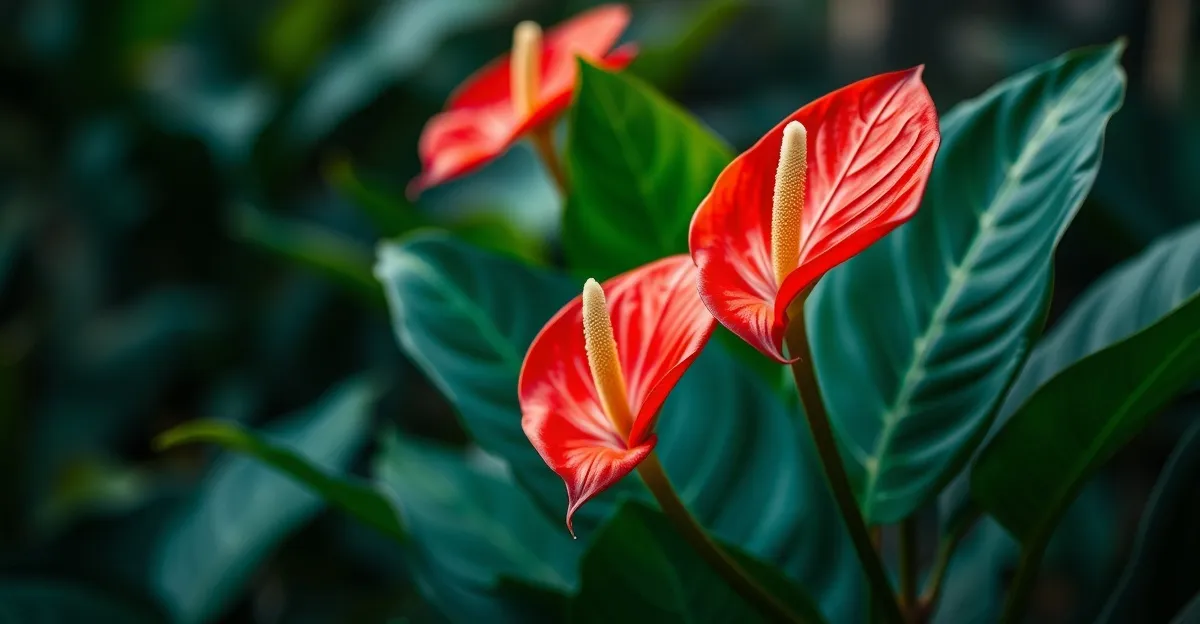
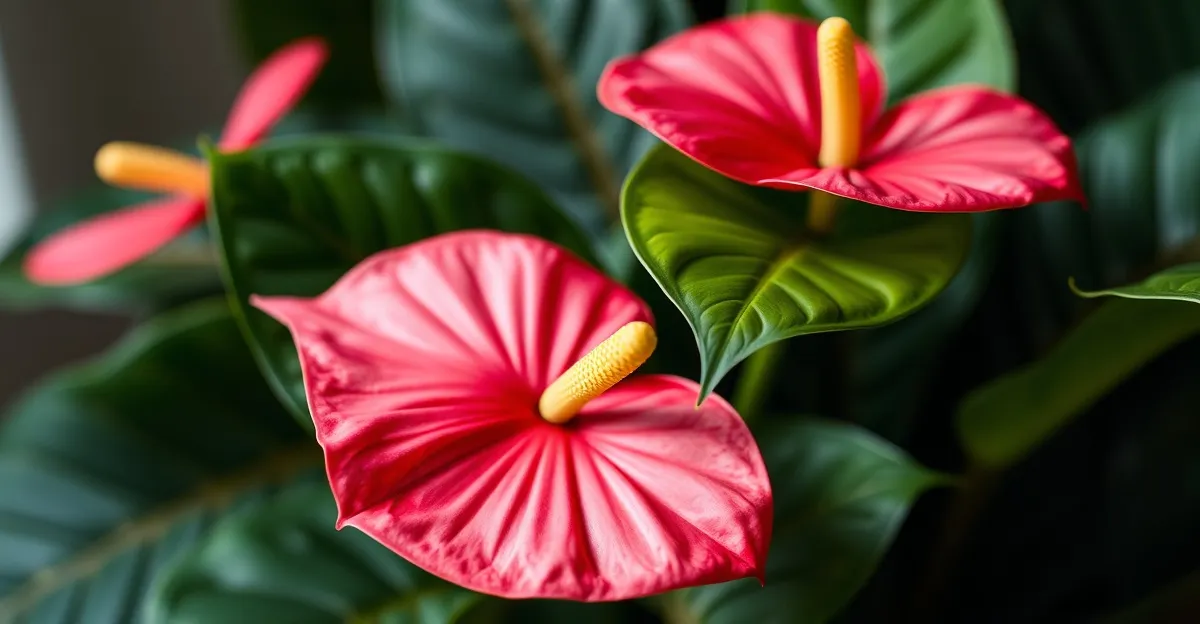
The short answer: yes, anthuriums grow beautifully in Bali. In fact, of all the common ornamental and cut flowers available in Bali's market, anthuriums are among the most naturally suited to the island's climate.
This is a genuinely different answer from the one you get when you ask about hydrangeas (which need highland conditions and careful management) or roses (which do grow in Bali but require more attention than in temperate climates). Anthuriums are tropical plants that evolved in conditions broadly similar to what they encounter in coastal Bali: warm temperatures, high humidity, no frost, and year-round warmth.
Understanding how to grow them well — and what the specific Bali conditions require — is the useful detail this guide covers.
Why Anthuriums Suit Bali
Anthuriums are native to tropical regions of Central and South America, particularly rainforest environments in Colombia, Venezuela, and surrounding areas. Their natural habitat features:
- Year-round temperatures of 22–30°C
- High humidity (80–90%)
- Filtered light under a forest canopy
- Excellent drainage — they often grow epiphytically (on trees or in forest debris) rather than in dense soil
- Consistent moisture without waterlogging
Sound familiar? Coastal Bali, particularly around Canggu and Seminyak, sits within 10–15% of these parameters on most measures. The temperature range is similar, the humidity is comparable, and year-round warmth without frost is exactly what anthuriums prefer.
The main difference is light intensity. Bali's direct sun is considerably stronger than filtered rainforest light, which means positioning matters — anthuriums need shade from direct sun while having access to good diffuse light.
Commercial Anthurium Growing in Bali
Commercial anthurium cultivation exists in Bali, primarily in the more temperate highland areas around Bedugul and in lowland farms that use shade houses to control light intensity. Bali's anthurium farms supply local florists with cut stems, and locally grown anthuriums are generally of excellent quality with higher water content than imported stems from Java or further afield.
The lowland farms use shade cloth to block 50–70% of direct sunlight while maintaining the warmth and humidity the plants prefer. This system works extremely well and allows year-round production.
For a home grower in Canggu, Seminyak, or Kerobokan, the shade house concept can be replicated on a small scale: a covered garden area, a veranda, or an indoor spot near a bright window all provide the filtered-light environment anthuriums need.
Growing Anthuriums Outdoors in Coastal Bali
Site Selection
The ideal outdoor position for anthuriums in coastal Bali:
- Morning light, afternoon shade: East-facing positions that receive gentle morning sun and are shaded from noon onward work well. The morning sun provides energy for growth; afternoon shade prevents scorching.
- Under a tree canopy: Bali's large trees create the understory conditions anthuriums evolved in. Planting anthuriums under mature trees is often the most natural and successful approach.
- Sheltered from heavy rain: Direct monsoon downpours can damage spathe surfaces. A covered overhang or positioned under a tree provides protection.
Soil Preparation
This is the most critical aspect of growing anthuriums in ground. They need excellent drainage — their roots rot rapidly in waterlogged conditions, particularly in Bali's clay-heavy soils.
For outdoor ground planting:
- Prepare planting holes 40–50 cm deep
- Fill with a mix of coarse orchid bark, perlite, and a small amount of compost (roughly equal parts)
- Avoid garden soil alone — Bali's coastal soils retain too much moisture
- Plant on raised mounds if your garden has any risk of standing water during monsoon
Watering
Outdoor anthuriums in Bali often require less supplementary watering than in drier climates. During monsoon season, natural rainfall may be entirely sufficient. During dry season (May–September):
- Water when the top 3–4 cm of soil feels dry
- Water thoroughly but allow full drainage before watering again
- Avoid overhead watering of established plants; direct water at the soil/root zone
Fertilising
In Bali's warm year-round growing conditions, anthuriums grow actively throughout the year with no dormant period. This means:
- Fertilise every six to eight weeks with a balanced slow-release fertiliser
- Switch to a higher-phosphorus fertiliser twice a year to encourage flowering
- Avoid high-nitrogen fertilisers which push leaf growth at the expense of spathes
Pests and Problems Outdoors
Scale insects: Small brown bumps on stems and leaf undersides. Common in Bali's humid conditions. Treat with neem oil spray (available from garden centres) or wipe clean with soapy water.
Mealybugs: White fluffy masses in leaf axils. Treat the same way as scale.
Root rot: The most serious problem and usually a sign of overwatering or poor drainage. Visible as wilting despite moist soil, yellowing leaves, or soft dark roots. Remove affected roots, let dry slightly, and repot or replant in fresh, well-draining medium.
Sunburn: Brown papery patches on spathes. Move to more shade.
Growing Anthuriums in Pots in Bali
Pot cultivation gives you maximum control over soil, drainage, and positioning — particularly valuable in the monsoon season when outdoor conditions can be extreme.
Pot Selection
- Size: approximately one-third larger than the root ball
- Multiple drainage holes are essential — one hole is not enough for Bali's monsoon rainfall
- Raise pots on feet or a stand to prevent standing water around the base
Potting Mix
The most successful Bali anthurium potting mix:
- 50% orchid bark (fir bark or coconut husk chips)
- 30% perlite
- 20% coarse compost
This mix drains rapidly, holds some moisture, and provides excellent aeration to the roots. It mimics the anthurium's natural growing substrate.
Avoid commercial potting soils designed for temperate climates — they retain too much moisture in Bali's heat and humidity.
Indoor Growing
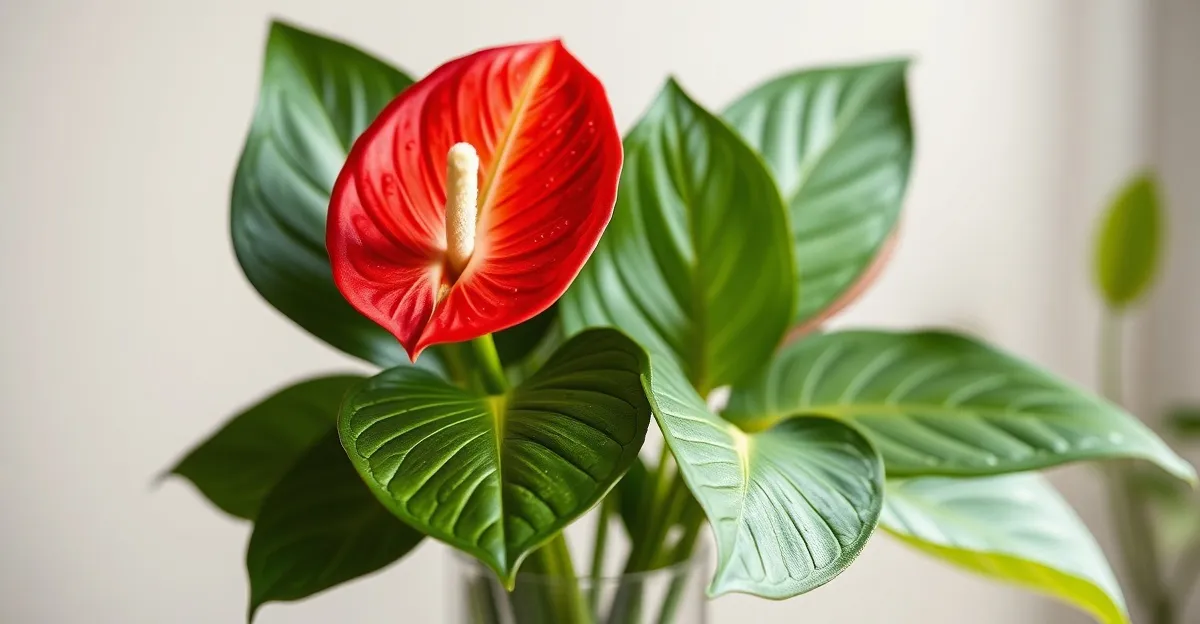
Anthuriums grow well indoors in Bali with:
- A bright window (not direct sun)
- Good air circulation — a stagnant, closed room increases humidity to problematic levels around the leaves
- Distance from strong AC vents which can desiccate the leaves
Indoor anthuriums in Bali's naturally warm and humid apartments and villas often perform better than in air-conditioned European homes where they are commonly sold as houseplants.

The team
your florists
weekly subscription · Bali
We write about flowers because we love them. We deliver them because someone should — properly, weekly, across Bali.
— heyflowerPay once for 3, 6, or 12 months, no auto-renewal.
When and How Anthuriums Flower in Bali
In Bali's year-round warmth, anthuriums can produce new spathes throughout the year rather than in distinct seasonal cycles. A healthy, well-established plant may produce three to six new spathes per year.
A new spathe emerges as a small, rolled structure from the centre of the plant and unfurls over approximately two weeks. The spathe is at its most vivid in the first few weeks and fades gradually over the following months as the flower ages.
Individual plants can flower almost continuously if growing conditions are optimal — one spathe fading while the next one begins to emerge.
Propagating Anthuriums in Bali
Bali's warmth makes propagation straightforward:
Division: The most reliable method. When the plant has produced multiple stems or offsets, carefully separate and pot up individual sections. Each needs at least one leaf and some roots to establish.
Stem cuttings: Cut a stem section with two to three nodes and plant in orchid bark/perlite mix. Keep warm and humid. Roots develop in three to five weeks in Bali's conditions.
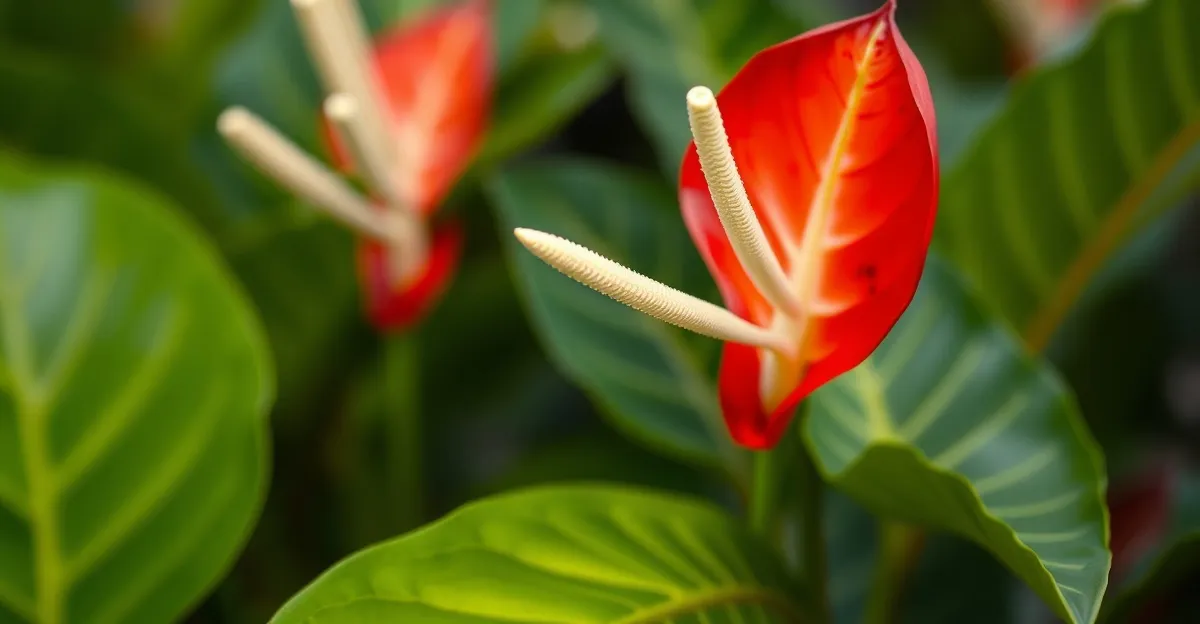
Seed (rare): Anthuriums produce berries from their spadix that contain seeds. Germination in warm conditions takes two to four weeks but plants take several years to reach flowering size.
For context on another tropical plant that thrives in Bali, can heliconia grow in Bali? A florist's perspective covers a close relative that is even more assertively suited to the island.
Where to Buy Anthurium Plants in Bali
Anthurium plants are available from:
- Garden centres in Denpasar, particularly along the Jl. Bypass Ngurah Rai garden strip
- Morning markets in Canggu and Kerobokan (potted ornamental anthuriums appear occasionally)
- Online marketplaces (Tokopedia/Shopee) with delivery from Java nurseries
Expect to pay Rp 80,000–200,000 for a small to medium potted anthurium. Named varieties with specific spathe colours or forms cost more.
Frequently Asked Questions
Can I grow anthuriums from a cut flower stem?
Not reliably — cut flower stems are usually treated to prevent rooting, and they have been out of water long enough that propagation success is uncertain. If you want to try, place the stem in moist orchid bark/perlite mix and keep warm and humid, but success rates are low.
Do anthuriums need repotting?
When roots start to emerge through drainage holes or the plant looks overcrowded, repot into a pot one size larger. In Bali's active growing conditions, this may be every one to two years for vigorous plants.
What is the best anthurium variety to grow in coastal Bali?
Anthurium andraeanum (the florist's anthurium) is the standard for cut flower production and grows well in Bali. For ornamental garden planting, larger-leafed species like A. crystallinum or A. clarinervium can be grown in shaded garden positions. For outdoor heat tolerance, standard A. andraeanum cultivars are most reliable.
Do anthuriums need full sun in Bali?
No — direct full sun damages spathes and causes bleaching and scorching. They need bright indirect light. Filtered sun or morning sun with afternoon shade is ideal for outdoor growing.
Are anthuriums toxic to pets?
Yes — all parts of the anthurium plant contain calcium oxalate crystals which cause irritation to the mouth and digestive system if ingested. Keep plants away from cats and dogs that might chew on leaves or spathes.
For regular fresh anthurium and tropical flower deliveries to your Bali home, heyflower.co delivers weekly and fortnightly across Canggu, Berawa, Pererenan, Seminyak, and Kerobokan.
More on Anthurium