How to Care for Heliconia in Bali's Humid Climate
Expert tips for keeping heliconia fresh as a cut flower and thriving as a garden plant in Bali's tropical heat and humidity.
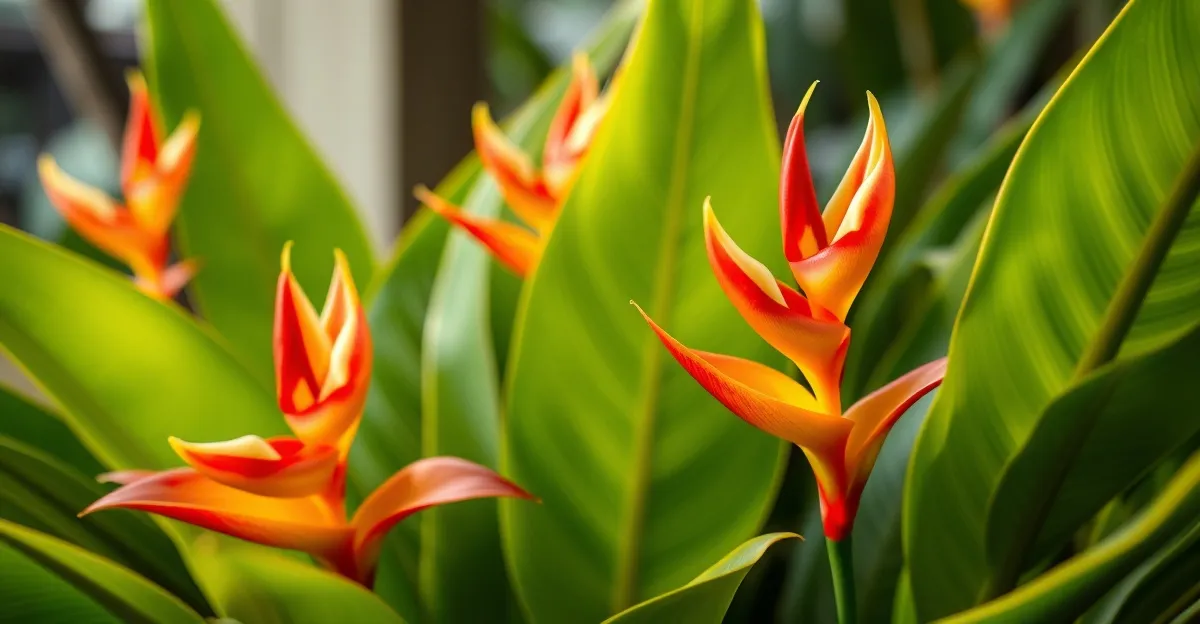
Heliconia is, in many ways, the perfect flower for Bali. Its natural habitat is tropical and subtropical rainforest—the kind of warm, humid, richly fertile environment that characterises much of the island. This means that caring for heliconia in Bali is generally a more forgiving exercise than in cooler climates, where the plant has to fight its environment simply to survive.
That said, Bali's climate also presents specific challenges that affect heliconia care, whether you are keeping cut stems in a vase or growing plants in your villa garden. Understanding these challenges—and knowing how to work with rather than against tropical conditions—will dramatically extend both the life of your cut heliconia and the health of your garden plants.
Cut Flower Care in Bali's Heat
The Core Challenge: Heat and Bacterial Growth
When you receive a heliconia bouquet or cut stems in Bali, the primary enemy is not dehydration—the humidity handles much of that. The real challenge is heat-accelerated bacterial growth in vase water. At Bali's ambient temperatures of 27°C to 33°C, bacteria multiply in vase water far faster than they would in a temperate climate. This bacterial build-up clogs the stem's vascular system, preventing water uptake and causing premature wilting.
The solution is more frequent water changes than you would need in cooler conditions. In a Balinese home or villa without air conditioning, change the vase water every day or every second day at most. Each time you change the water, recut the stems at a 45-degree angle—about two centimetres from the bottom—using sharp scissors or a floral knife. This reopens the vascular tissue and allows fresh water to flow.
The Right Vase and Water
Use a tall, sturdy vase for heliconia—the stems are long and the bracts heavy, and a tippy vase will end up on the floor. Fill with cool, fresh tap water. If you have flower food (a small packet that often comes with flower deliveries), dissolve it in the water. Flower food contains a gentle biocide, a small amount of sugar, and an acidifier that collectively slow bacterial growth and support the stem's water uptake.
Avoid warm water, which encourages bacterial growth from the start. In Bali's heat, the water in a vase will warm up quickly regardless—which is why changing it frequently matters more here than almost anywhere else.
Placement in the Home
Heliconia is dramatic and deserves a prominent position, but placement matters for longevity. The key rules in Bali:
Avoid direct sunlight. Bali's sun is intense enough to fade the bracts and heat the water in the vase to damaging temperatures within minutes. Bright, indirect light is ideal.
Avoid direct air conditioning flow. Air conditioning units in Bali villas and hotels create localised cold, dry airflow that dehydrates cut flowers. Place heliconia in an air-conditioned room—that is actually ideal for temperature control—but position the vase away from the direct flow of the unit.
Avoid proximity to fruit bowls. Ripening tropical fruit releases ethylene gas, which accelerates the ageing of cut flowers. In a Balinese kitchen where mangoes, bananas, and papayas are always ripening on the counter, keep your heliconia in a different room.
Reviving Wilting Cut Heliconia
If your heliconia starts to droop before you expect, try emergency rehydration. Fill a sink or bucket with cool water and fully submerge the entire stem and bract, leaving it submerged for one to two hours. Heliconia can absorb water directly through the bract surface in this way. Then recut the stem and place in fresh vase water.
This technique works particularly well for recently delivered heliconia that has been stressed by transport or handling. It is less effective for heliconia that has been wilting for more than a day.
How Long Does Cut Heliconia Last in Bali?
In Bali's heat, without any special care, cut heliconia might last five to seven days. With daily water changes, recutting, and proper placement, you can extend this to ten to fourteen days for robust varieties. The pendant hanging varieties (Heliconia rostrata) tend to last a little longer than the smaller parrot beak types when kept well.
Compared to more delicate flowers, this is excellent longevity—one of the reasons heliconia is so popular for villa and hotel displays where flowers need to look good for extended periods without daily replacement.
Growing Heliconia in a Bali Garden
Ideal Growing Conditions
If you have a garden at your villa or home in Bali, heliconia is an outstanding choice for a permanent planting. Its needs align almost exactly with what Bali's climate naturally provides:
Light: Heliconia prefers bright, indirect light to partial shade. It can tolerate full sun if watered adequately, but excessive direct midday sun may scorch the leaves in exposed positions. Under the dappled light of taller trees is often ideal.
Water: Heliconia loves moisture but not waterlogged soil. In Bali's wet season (roughly October to April), natural rainfall usually provides sufficient moisture in well-draining garden beds. In the dry season, regular watering two to three times per week is needed for established plants. Young plants need more frequent watering until their root systems are established.
Soil: Bali's volcanic soil is generally well-draining and rich in nutrients—ideal for heliconia. If you are planting in a raised bed or container, use a rich, organic potting mix with good drainage. Adding compost or well-rotted manure improves performance significantly.
Temperature: Heliconia is happiest between 18°C and 35°C. Bali's temperature range, which rarely drops below 22°C at sea level, is essentially perfect. Plants in the cooler highlands around Bedugul (where temperatures can drop to 15°C at night) may grow more slowly and bloom less reliably.
Planting and Spacing
Heliconia spreads by rhizome—underground stems that produce new shoots at a distance from the parent plant. This means it can slowly colonise a garden bed if not managed, which is either a feature or a problem depending on how you look at it. Space plants 90 to 150 centimetres apart depending on the variety, and be prepared to divide and remove outer shoots every few years to maintain the size and shape of your planting.
Plant rhizomes horizontally, about 10 to 15 centimetres deep. In Bali's climate, plants typically establish quickly and may produce their first blooms within one growing season.
Fertilising in Bali's Volcanic Soil
Bali's volcanic soil is naturally mineral-rich, but heliconia is a heavy feeder and benefits from additional fertilisation, particularly in well-established plantings that have been in the ground for several years. Apply a balanced slow-release fertiliser at the beginning of the wet season and again at the beginning of the dry season. Alternatively, a liquid fertiliser applied every four to six weeks during the growing season will produce excellent results.
Avoid over-fertilising with high-nitrogen products, which promote lush green leaf growth at the expense of flowering. A fertiliser with balanced or slightly higher phosphorus content encourages robust bloom production.
Pests and Diseases in the Tropics
Bali's humidity creates conditions that some fungal diseases thrive in. The most common problem for heliconia in tropical gardens is fungal leaf spot, which appears as brown or dark spots on the leaves and is caused by excess moisture sitting on leaf surfaces. Improve air circulation by not crowding plants, and avoid overhead watering—water at the base of the plant rather than onto the foliage.
Insects are generally not a major problem for heliconia in Bali—its tough leaves and bracts deter most common pests. Caterpillar damage occasionally appears on young leaves, but usually does not significantly harm established plants. If you are experiencing persistent pest problems, a neem oil spray applied to affected areas is an effective, low-impact treatment.
Harvesting Heliconia for the Vase
If you are growing heliconia in your garden to cut for the house, harvest stems in the early morning when the plant is best hydrated. Cut at the base of the stem with sharp, clean secateurs. Immediately place cut stems in a bucket of water and bring them inside.
To condition the cut stems for vase life, recut at an angle under water and place in a tall vase of fresh cool water for several hours before arranging. This conditioning period significantly extends vase life for home-grown heliconia.
For inspiration on seasonal gifting with heliconia and other tropical blooms, best occasions to gift a heliconia bouquet is a helpful companion guide, as is birthday flower delivery in Pererenan: curated ideas for occasion-specific tropical arrangements across Bali.

The team
your florists
weekly subscription · Bali
We write about flowers because we love them. We deliver them because someone should — properly, weekly, across Bali.
— heyflowerPay once for 3, 6, or 12 months, no auto-renewal.
Frequently Asked Questions
How often should I change the water for cut heliconia in Bali?
In Bali's heat, change the vase water every day or every second day. Each water change should be accompanied by recutting the stem ends at a 45-degree angle to maintain good water uptake.
Why is my heliconia wilting so quickly after delivery?
Rapid wilting usually indicates bacterial build-up in the vase water or stem damage during transport. Change the water immediately, recut the stems, and try submerging the entire stem in cool water for an hour to rehydrate. Ensure the vase is in a cool, indirectly lit position away from ripening fruit.
Can heliconia grow in a pot on a villa balcony in Bali?
Yes, smaller heliconia varieties such as Heliconia psittacorum grow reasonably well in large containers. Use a pot at least 40 centimetres in diameter with good drainage holes, rich potting mix, and ensure it is watered regularly in the dry season. Avoid small pots, which will restrict growth and reduce flowering.
Does heliconia need direct sunlight to bloom in Bali?
No—heliconia produces good blooms in bright indirect light or partial shade in Bali. Full sun positions are workable but require more frequent watering to prevent heat stress.
How long does heliconia take to bloom from planting in a Bali garden?
In Bali's warm, fertile conditions, heliconia planted from rhizomes typically produces its first blooms within six to twelve months. Established plants bloom more reliably and prolifically year after year.
Fresh Heliconia, Delivered Across Bali
At heyflower.co, we work directly with local Balinese heliconia growers to ensure every arrangement arrives at its freshest. Our delivery team handles stems with care from cutting to your door—so all you need to do is follow the simple care tips above.
Explore our tropical arrangements and subscribe for regular fresh flower deliveries at heyflower.co.
More on Heliconia