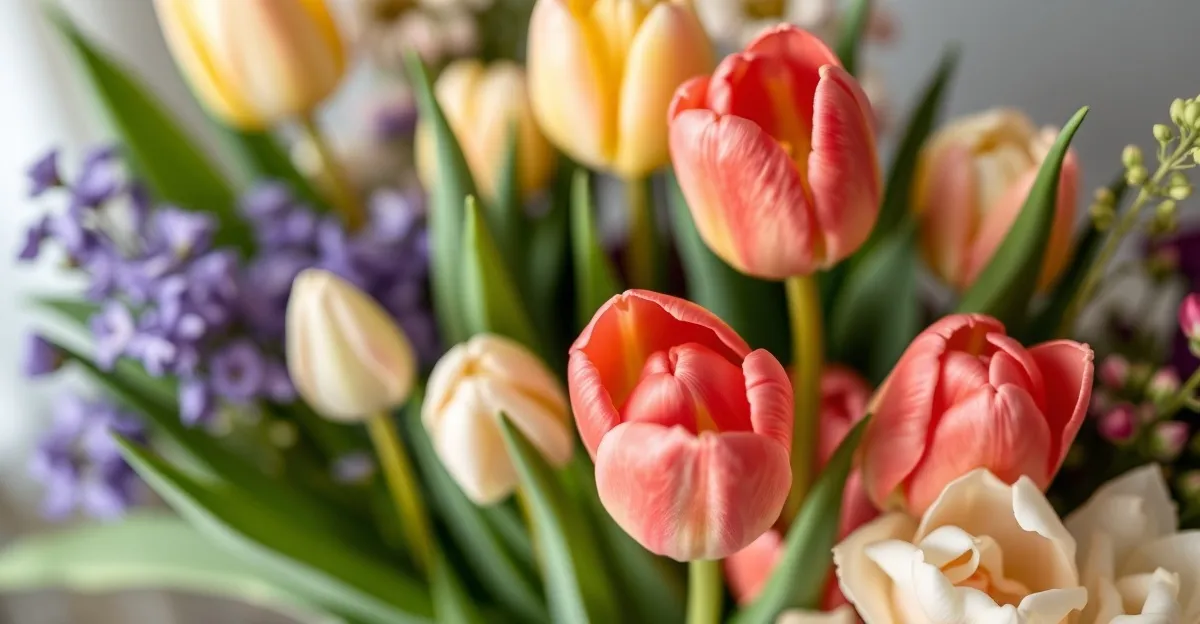
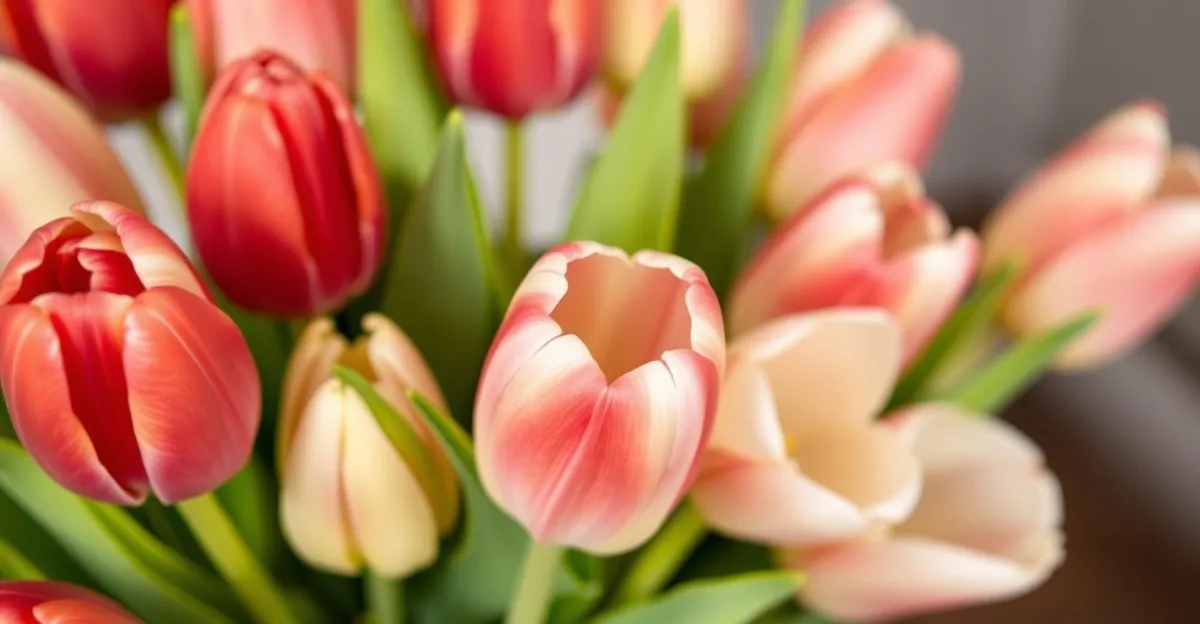
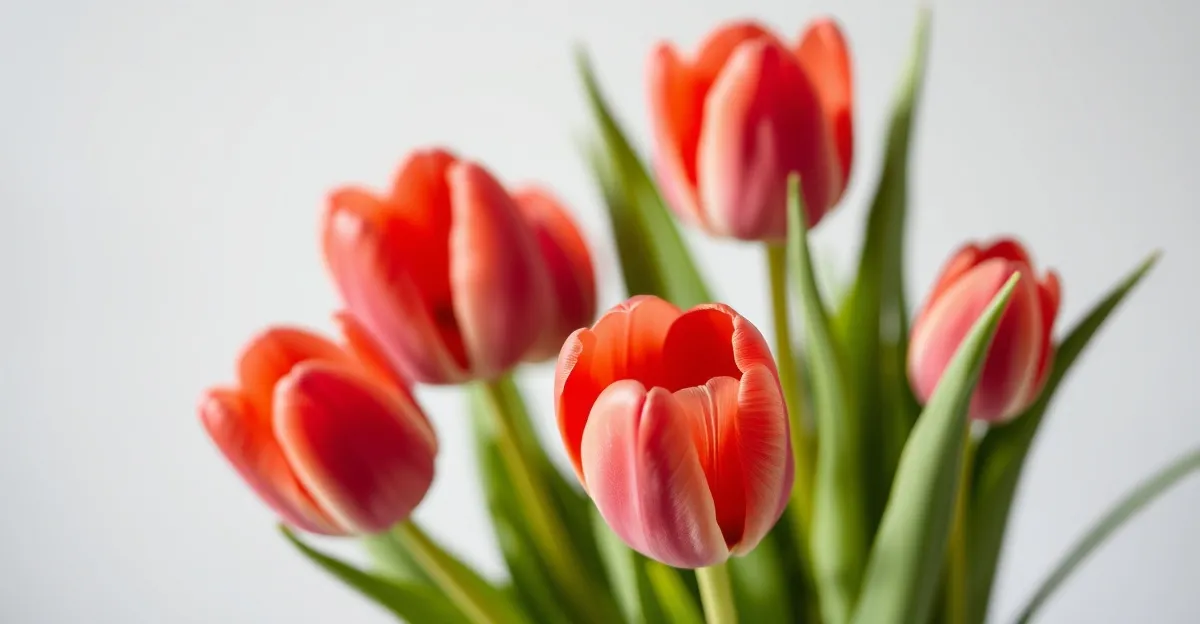
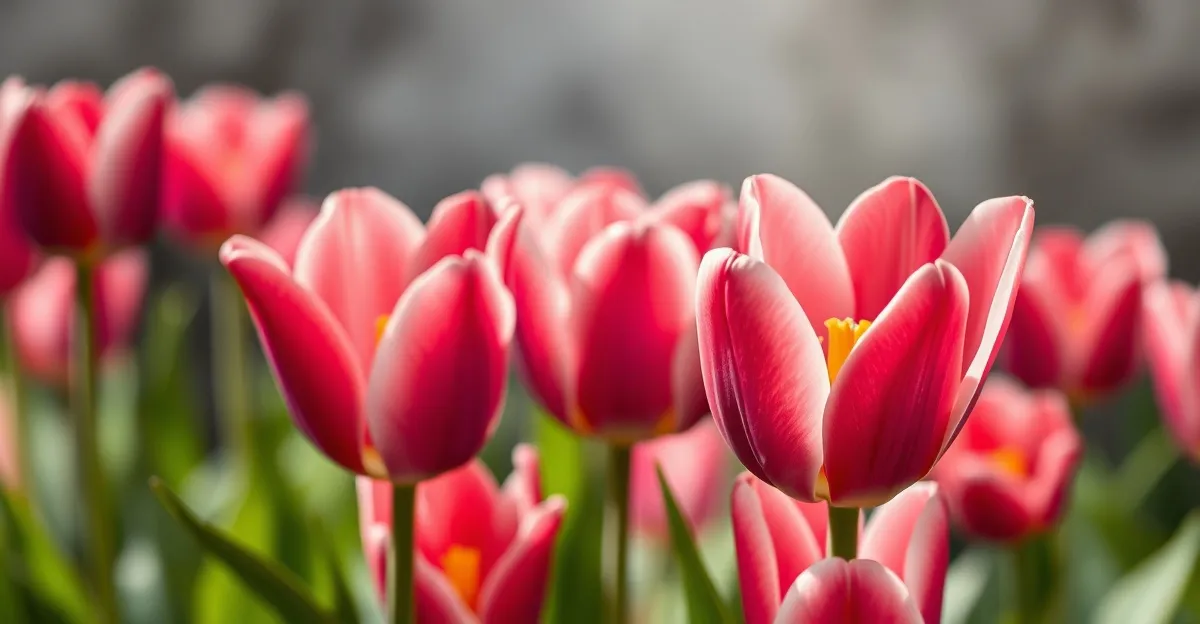
How to Care for Tulip in Bali's Humid Climate
Tulips are delicate in Bali's heat. Here are expert care tips to keep your tulip bouquet fresh and beautiful for as long as possible in a tropical climate.
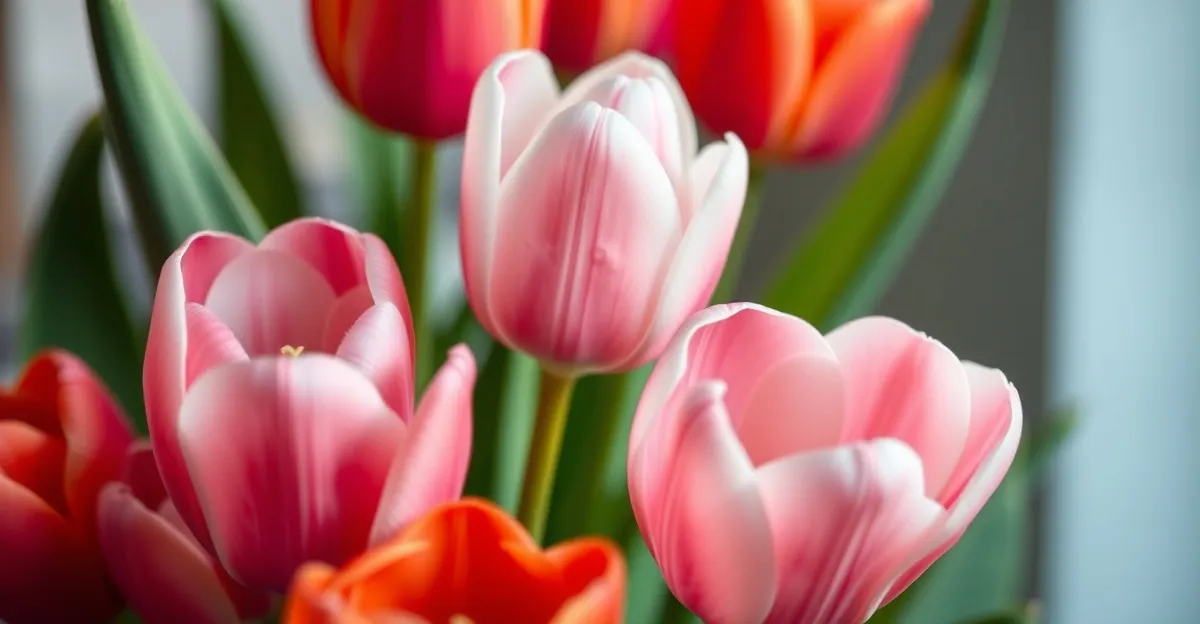
Tulips and Bali are an interesting combination. The flower is built for cold springs, for the kind of temperate light you get in the Netherlands or Turkey in April, for soil that still carries a memory of winter. Bali offers none of those things. What it offers instead is warmth, humidity, and an intensity of light that is very different from anything a tulip evolved to handle.
And yet, tulips in Bali are beautiful in a way that feels almost contrary. Placed in a clean vase in a white-walled villa in Canggu, or standing on a dressing table in a guesthouse in Seminyak, they carry a kind of northern elegance that contrasts delightfully with the tropical setting. The challenge is keeping them that way.
With the right care, you can get five to seven days of genuinely beautiful life from tulips in Bali's climate. Without it, three days. Here's how to be in the first category.
Understanding Why Tulips Struggle in Tropical Heat
Tulips are cold-climate flowers through and through. Their bulbs require a cold dormancy period to regenerate. Their blooms are designed to open gradually in temperatures of 10 to 18 degrees Celsius — not the 28 to 33 degrees of coastal Bali.
In heat, tulips do a few problematic things:
They open too fast. A tulip that might spend three to four days gradually unfurling in a cool room will blast open within 24 hours in direct Bali heat. Once fully open, the petals quickly start to thin and drop.
They drink unevenly. Tulip stems continue to grow after being cut — sometimes by several centimetres over the first few days. In heat, this growth is accelerated and can cause stems to bend dramatically.
They wilt from the stem, not the head. Tulips often droop at the neck (the junction between stem and bloom) before the bloom itself looks obviously faded. This is usually a water uptake problem rather than the flower being spent.
Understanding these tendencies helps you respond to them rather than being caught off guard.
The Arrival Protocol
What you do in the first hour after tulips arrive is disproportionately important for their total vase life. This is especially true in Bali, where flowers have often been transported in warm conditions.
Open the packaging immediately. Don't leave tulips wrapped in paper or cellophane — the warmth trapped inside packaging is the enemy. Get them into water as fast as possible.
Cut the stems cleanly. Use a sharp knife or scissors to cut two to three centimetres off the bottom of each stem. Cut straight across rather than at an angle — tulips actually absorb water more efficiently through a straight cut because the cut surface is perpendicular to the vascular bundles running up the stem. Some florists recommend a diagonal cut for most flowers, but for tulips, straight is better.
Remove the lower leaves. Any leaves that would be submerged in vase water should be removed. Submerged leaves decompose rapidly, clouding the water and accelerating bacterial growth.
Use cool water. Not ice-cold (which can shock the stems), but noticeably cooler than room temperature. If you have flower food, add it now.
Give them a long drink before arranging. Two to three hours in a vase of cool water before arranging makes a significant difference. If you can give them a longer drink overnight in a cool room or even in the fridge (without fruit), even better.
The Wrapped Stem Trick
One of the best tricks for keeping tulips upright in heat is the wrapped stem technique. Take a sheet of newspaper or thick brown paper and wrap it around the entire bundle of tulips from stem to just below the bloom heads, creating a tight cylinder. Secure with tape or string. Place the wrapped bundle in a deep vase of cool water for two hours.
The wrapping holds the stems upright and creates a kind of cool microclimate around the flowers. This technique straightens drooping stems and revives tulips that have started to wilt far more effectively than simply cutting and rewatering.
Placement in Your Bali Home or Villa
Where you put your tulips matters as much as how you prepare them.
The cool corner rule: Find the coolest spot in your space that still receives good indirect light. In most Bali villas and apartments, this is the interior of a room away from east or west windows, or a spot that gets morning light but is shaded by afternoon.
No direct sun: This bears repeating. A sunny windowsill in Bali can reach 40 degrees. Tulips in direct sun will open completely and start dropping petals within a day. Indirect light only.
Air conditioning: friend but also foe: A cool air-conditioned room extends vase life significantly, but an air conditioning vent blowing directly onto flowers desiccates the petals and causes brown edging. Keep flowers in the AC room but not in the stream of the vent.
Away from heat sources: Kitchen benches, window ledges in afternoon sun, electronic equipment. Keep tulips cool.
Away from fruit: Ripening fruit releases ethylene gas, which accelerates flower aging dramatically. Keep your tulip vase well away from the fruit bowl.
Daily Water Care
Tulips benefit from daily water changes more than almost any other cut flower. The straight cut on their stems releases more starch into the water, which feeds bacteria more rapidly than the diagonal cuts made in other flowers.
Daily water change: Empty the vase, rinse it, and refill with fresh cool water. When you do this, make another small cut from the bottom of each stem — a few millimetres is enough.
Vase hygiene: Any sliminess on the inside of the vase is a sign of bacterial buildup. Scrub the vase with washing-up liquid and rinse thoroughly before refilling. Bacteria in the vase accelerate petal drop dramatically.
Water depth: Keep tulips in enough water to cover at least a third of the stem length. They're thirsty flowers, particularly in heat, and a shallow vase will leave them struggling within hours.
The Fridge Overnight Method
This is the single most effective technique for extending tulip life in Bali's climate.
Each evening, move your tulip vase into the fridge overnight. Not the freezer — the main fridge compartment. Remove any fruit first (ethylene). Place the vase on a shelf and leave overnight. In the morning, take it back out to enjoy during the day.
This overnight cooling slows transpiration, halts the rapid opening process, and essentially gives the flowers a rest from the heat. Tulips that receive this treatment every night consistently last two to three days longer than those kept at room temperature. The difference between a three-day bouquet and a six-day bouquet is almost always this kind of intentional management.

The team
your florists
weekly subscription · Bali
We write about flowers because we love them. We deliver them because someone should — properly, weekly, across Bali.
— heyflowerPay once for 3, 6, or 12 months, no auto-renewal.
Reviving Drooping Tulips
Tulips that have begun to droop — often at the neck where stem meets bloom — can frequently be revived.
Method 1 — Deep drink: Fill a tall container (a jug, a bucket, even a bath) with cool water and submerge the entire stem, with the blooms just above the waterline. Leave for one to two hours. The stems will rehydrate and often straighten dramatically.
Method 2 — Re-cut and wrap: Make a fresh cut on the stems, wrap as described above, and place in cool water for several hours.
Method 3 — Pin method: This is an old florist's trick. Take a pin and pierce the stem just below the bloom head. Some tulip varieties have an air bubble at the neck that prevents water uptake. The pin releases the blockage. Not always necessary, but worth trying if the drooping is specifically at the neck.
If you'd like fresh tulips delivered on a regular basis without the guesswork, heyflower.co delivers weekly across Canggu, Berawa, Pererenan, Seminyak, and Kerobokan every Monday. We source the best available quality and pack our arrangements to survive Bali's journey conditions.
Frequently Asked Questions
How long do tulips last in Bali?
With good care — cool placement, daily water changes, overnight refrigeration — tulips typically last five to seven days in Bali. Without these measures, in warm conditions or direct sun, expect three days or fewer. The difference between minimal care and good care is dramatic with tulips.
Should I cut tulip stems straight or at an angle?
Straight across for tulips. Unlike most cut flowers that benefit from a diagonal cut (which increases surface area), tulips absorb water most efficiently through a flat cut perpendicular to the stem's vascular bundles. Re-cut every day or two to maintain an open, clean uptake surface.
Why do my tulips keep drooping in Bali's heat?
Drooping usually indicates inadequate water uptake, often caused by bacterial blockage in the stem or insufficient water in the vase. Re-cut the stems, change the water, and try the deep-soak method — submerging the entire stem in cool water for an hour or two. If the drooping is specifically at the neck (the point where stem meets bloom), try the pin method described above.
Can I put tulips outside in Bali?
Not recommended. Outdoor temperatures and direct sun in Bali will significantly shorten tulip life. If you want flowers visible from outside — on a table near an open terrace, for instance — a position that gets early morning light but is shaded by 9 or 10am can work. Full outdoor exposure is too much.
Do tulips close again at night?
Yes, and this is actually a sign of healthy, living flowers, not a problem. Tulips are thermotropic — they open in warmth and close in cool or darkness. Flowers that close up overnight and reopen in the morning are doing exactly what they're designed to do. If you use the overnight fridge method, you'll see your tulips fully closed in the morning and opening again as they warm up during the day. This rhythmic opening and closing can extend petal life significantly by reducing the stress on petals during the nighttime hours.
More on Tulip