How to Care for Lotus in Bali's Humid Climate
A practical guide to caring for lotus flowers in Bali — both as cut flowers in a vase and as aquatic plants in a garden pond or container water feature.
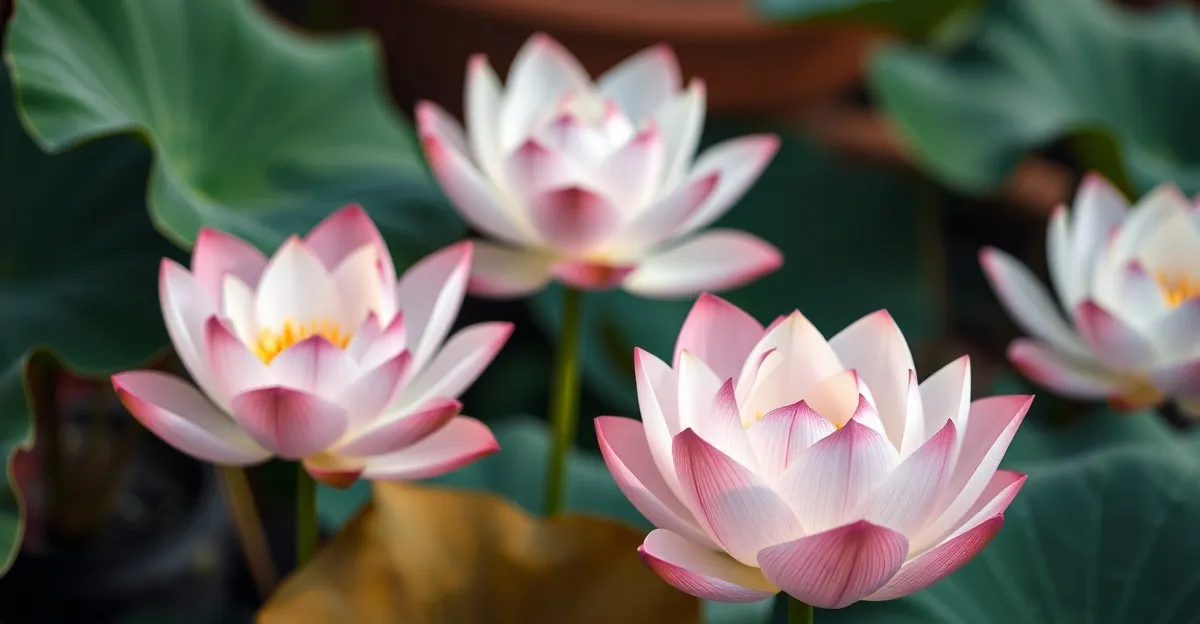
The lotus is one of the few flowers that actually prefers conditions close to what Bali offers. Its natural habitat is tropical and subtropical ponds, shallow lakes, and slow-moving waterways across Asia — exactly the warm, wet environment that makes our island what it is. In the right setting, growing lotus in Bali is not a challenge but a joy. However, caring for lotus cut flowers is a different story — the same delicacy that makes the bloom so ethereally beautiful also means it has a shorter vase life than more robust tropical flowers.
This guide covers both sides of lotus care in Bali: how to maximise the life of cut lotus in your home or villa, and how to grow lotus successfully as an aquatic garden plant.
Cut Lotus Care in Bali
Cut lotus flowers are notably more short-lived than many other flowers in a vase. In Bali's warm climate, expect three to five days for a single bloom, with buds extending that timeline if the stem carries multiple buds that open progressively. This brevity is part of the lotus's spiritual character — impermanence is a core part of its meaning — but with good care you can maximise every day of its presence.
Buying the Best Stems
The most important care decision happens before you even get the flowers home: choosing good quality stems. Look for lotus buds at the point where the outer petals are just beginning to separate and show colour. A bud that is very tightly closed may not open fully in a vase, particularly in an air-conditioned environment. A bud that is already fully open will have a very short remaining life.
Check that the stems are firm and not slimy, and that the cut ends look fresh rather than brown and dried. Lotus stems hollow out easily — a stem with any crushing damage at the cut end will struggle to uptake water effectively.
Stem Preparation
Lotus stems are hollow and relatively fragile compared to the thick, woody stems of flowers like bird of paradise. Cut the stem at a 45-degree angle using a very sharp, clean knife — avoid scissors, which can crush the hollow stem and restrict water uptake. Make the cut under running water or immediately plunge the cut end into water to prevent air from entering the hollow stem.
Remove all leaves from below the waterline. Lotus leaves are large and beautiful but decompose quickly in warm water, generating bacteria that will shorten the bloom's life.
Vase Water and Environment
Fill a clean vase with room temperature water. Lotus does not need the deep water that some flowers require — the stem will uptake water from whatever depth it is placed in. Change the water daily in Bali's heat, rinsing the vase each time.
Placement matters enormously for lotus. The flower is sensitive to extremes: avoid direct sun, which will bleach and wilt the delicate petals within hours; avoid air conditioning blowing directly on the flowers, which will cause the petals to dry out and close; avoid very cold, draughty spaces.
A warm, shaded, humid spot — the kind of environment you might find in a naturally ventilated tropical home — actually suits cut lotus well. Unlike many flowers that benefit from cooler conditions, lotus is comfortable at room temperature in a tropical setting.
Encouraging Closed Buds to Open
Lotus buds that arrive tightly closed can be encouraged to open more reliably by placing the vase in a warm, brightly lit (but not direct sun) position. The flower responds to light and warmth — in the wild, lotus blooms open in the morning and close in the afternoon with remarkable precision in response to light levels.
If you have a lotus bud that is refusing to open in an air-conditioned room, try moving it to a warmer, brighter position during the daytime hours. This often encourages the opening response.
What to Expect Day by Day
Day 1: Bud opening, revealing the inner petals. The flower may open in the morning and close slightly in the evening.
Days 2–3: The flower opens more fully each morning. The colour is most vivid and the bloom at its most beautiful.
Day 4–5: The outer petals may begin to soften and fall away. The seed pod at the centre becomes visible as the petals separate further. This is actually a beautiful stage — the architectural seed pod is sculptural and interesting.
Days 5–7: Individual petals fall. The seed pod remains and continues to be decorative.
After the petals have fully fallen, the remaining seed pod can be kept in the arrangement — dried lotus pods are beautiful decorative objects that last for months or years.
Growing Lotus as a Garden Plant in Bali
This is where Bali's climate is genuinely ideal for lotus culture. The plant thrives in warm, still, shallow water in full sun — conditions that Bali's lowland areas provide generously for much of the year.
Choosing the Right Container or Pond
Lotus does not need a large pond. In fact, many Balinese homes and villas grow lotus successfully in large glazed ceramic pots, old stone troughs, or purpose-built concrete tanks. The container should be:
- At least 40 to 50 centimetres in diameter — lotus is a vigorous grower and needs space to spread.
- At least 30 to 40 centimetres deep — the soil layer needs depth, and there should be 20 to 30 centimetres of water above the soil.
- Non-porous — lotus prefers still, warm water that is not constantly draining away. Ceramic, concrete, or well-sealed containers are ideal.
If you are incorporating lotus into a garden pond, the same principles apply. Lotus can be planted in weighted containers within the pond or directly in soil at the pond bottom if the depth is appropriate.
Soil and Planting
Lotus grows in heavy clay or loam soil, not in potting mix. Do not use standard potting mix or heavily composted soil — these float and cloud the water continuously. Heavy garden clay or purpose-made aquatic plant soil (available from garden centres in Denpasar) works best.
Fill the container about two thirds with soil. Plant the lotus rhizome (the horizontal underground stem) horizontally in the top layer of soil, barely covered, with the growing tip pointing slightly upward. Fill carefully with water — do not pour directly onto the soil as this will cloud the water. Add water slowly from the side or pour onto a plate to break the force.
Sunlight and Placement
Full sun is essential. Lotus in shade will produce leaves but rarely flowers. Position your container or pond in a spot that receives at least six to eight hours of direct sun daily. In Bali's tropical latitude, this is most easily achieved on open terraces, in courtyard centres, or in garden beds away from tree canopy.
Water Management in Bali
Bali's wet season (November to March) can cause lotus containers to overflow with rainfall. This is generally fine — overflow is better than flooding-induced root rot. Keep the water level at the right depth: the rhizome should be submerged in soil with 15 to 25 centimetres of clear water above the soil level.
During the dry season, topping up water regularly is important. Lotus in direct sun will lose water to evaporation quickly. Check the water level every few days in the height of the dry season.
Fertilising Lotus in Bali
Lotus is a hungry plant and benefits from regular feeding during the growing season. Purpose-made aquatic plant fertiliser tablets, available at garden centres, are pushed directly into the soil around the rhizome — they release nutrients slowly without clouding the water. In Bali's year-round growing climate, feeding every two to three months keeps lotus plants flowering well.
Pest and Disease Considerations
In Bali, the main lotus pests are aphids (which attack new growth above the water), and occasionally caterpillars that feed on leaves. Neem oil spray is effective and safe for aquatic environments when used carefully. Avoid chemical insecticides in lotus containers as they will harm any beneficial insects and fish that may share the water.
Fungal issues are uncommon with lotus in open, well-sunlit conditions. If leaves develop brown patches or the rhizome feels soft, check drainage and reduce shading.
For context on how aquatic plants and the lotus tradition fit into Bali's broader horticultural landscape, the piece on can frangipani grow in Bali? A florist's perspective offers a useful parallel look at another iconic Bali flower in its growing context.

The team
your florists
weekly subscription · Bali
We write about flowers because we love them. We deliver them because someone should — properly, weekly, across Bali.
— heyflowerPay once for 3, 6, or 12 months, no auto-renewal.
Frequently Asked Questions
How long do cut lotus flowers last in Bali?
Fresh cut lotus typically lasts three to five days per bloom in Bali's tropical climate. Stems with multiple buds will bloom successively, extending the overall vase life. With good care in a shaded, warm environment, you can get the most from every bud.
Can I grow lotus in a pot on my Bali villa terrace?
Yes. A large ceramic or glazed pot (at least 50 centimetres diameter) filled with heavy clay soil and positioned in full sun on a terrace is an excellent growing environment for lotus. Bali's heat and sunlight are ideal, provided the container retains water well and is not in heavy shade.
Why won't my lotus bud open in an air-conditioned room?
Lotus responds to light and warmth as cues to open. Air-conditioned rooms with cooler temperatures and lower light levels can prevent buds from opening. Move your lotus to a warmer, brighter (but not direct sun) position during the day to encourage opening.
Does lotus need any special water treatment in Bali?
No special treatment is needed. Fresh, clean tap water is fine. In containers, avoid using water with heavy chlorination immediately after treatment — let it stand for a few hours before using, or use collected rainwater. Change the water in the container periodically to prevent stagnation and maintain clarity.
What are the best lotus varieties for growing in Bali?
Tropical lotus varieties suited to warm year-round temperatures perform best in Bali's lowlands. Look for varieties labelled as tropical or heat-tolerant at Bali's specialist aquatic plant nurseries. Nelumbo nucifera (the sacred lotus) and its many cultivated varieties are generally well-adapted to Bali's conditions.
From sacred offering to elegant home decoration, the lotus is one of Bali's most meaningful flowers. heyflower.co sources fresh lotus and tropical blooms from local Balinese growers and delivers beautifully across the island. Explore our subscription plans for regular deliveries of the island's finest seasonal flowers.
More on Lotus