How to Preserve a Lotus Bouquet After the Event
Step-by-step guide to preserving your lotus bouquet after a wedding, ceremony, or celebration in Bali — so the memory lasts long after the petals fade.
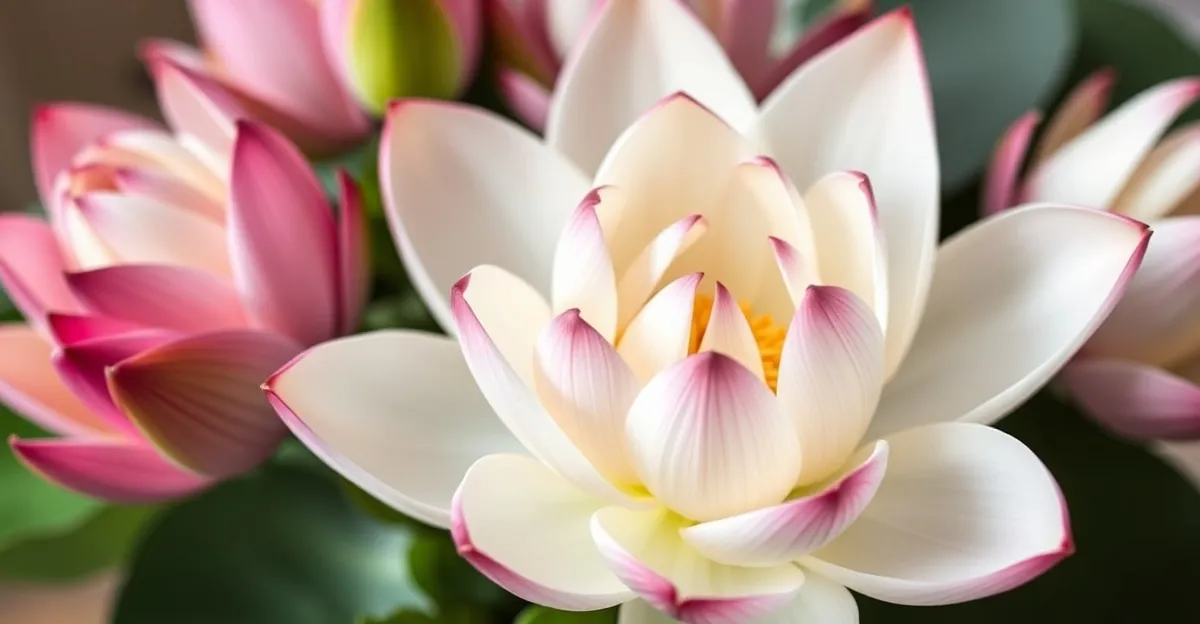
There is something quietly heartbreaking about watching a lotus bouquet begin to close up the morning after a special event. Whether it was a Balinese ceremony, a garden wedding in Ubud, or a milestone birthday celebration, that bouquet carried meaning far beyond its petals. The good news is that with the right techniques — applied quickly and gently — you can preserve a lotus arrangement so that it continues to tell its story for months or even years to come.
This guide walks you through everything: from immediate post-event care to long-term drying and display methods suited to Bali's tropical climate. The humidity here makes preservation a slightly different challenge than in cooler climates, but with a few adjustments it is absolutely achievable.
Act Quickly: The First 24 Hours Matter Most
The window between the end of an event and the start of preservation is narrower than most people realise. Lotus blooms are particularly responsive to temperature and light — they open in warmth and close in cool or darkness. This behaviour, while beautiful at the event, means the petals are already in motion the moment the celebration ends.
Rehydrate Before You Preserve
If your bouquet has been out of water for several hours, give it a fresh cut (about 2 cm from the base of each stem, cut at a 45-degree angle) and place it in clean room-temperature water for at least four hours before attempting any preservation method. Trying to dry or press already-wilted stems leads to poor results — rehydration firms up the petals and gives you a more vivid final product.
Choose the Right Moment to Begin
Lotus petals preserve best when they are at their peak of openness — not fully closed, not over-opened to the point of dropping. Aim to begin the drying process when the bloom is roughly three-quarters open. In Bali's heat, this often means working in the early morning before the day warms up.
Air Drying: The Simplest Method
Air drying is the most accessible preservation technique and works surprisingly well for lotus in Bali's low-humidity mountain or evening air. It does require a space with good airflow and low moisture — a challenge in coastal areas like Seminyak or Canggu, but very manageable in Ubud or during Bali's dry season (April through October).
How to Air Dry Lotus Blooms
- Remove any damaged or browning outer petals gently.
- Tie the stems loosely together with twine — avoid rubber bands, which can cut into stems.
- Hang the bouquet upside down in a cool, well-ventilated spot away from direct sunlight. Direct sun bleaches the natural pinks and whites quickly.
- Leave undisturbed for 14–21 days. Check weekly for mould, especially during the wet season.
- Once fully dry, the blooms will feel papery but retain their shape beautifully.
Lotus dried this way holds its soft peachy-pink or ivory tones well. The seed pods — that distinctive lotus feature — dry into sculptural, architecturally beautiful forms that look stunning in a vase on their own.
Bali Dry Season Advantage
If your event falls between May and September, air drying is your easiest path. The lower humidity during these months means less risk of mould and faster drying times. Wet season preservation (November to March) is still possible but requires the use of a dehumidifier or a well air-conditioned room.
Silica Gel Drying: The Premium Method
Silica gel is the florist's preferred method for preserving blooms with complex petal structures — and lotus falls firmly into that category. The results are stunning: colours remain vibrant, petals hold their natural curve, and the finished bloom looks almost fresh. You can find silica gel crystals at most craft or gardening stores in Denpasar or order online for delivery to Bali.
Step-by-Step Silica Gel Process
- Pour a 5 cm layer of silica gel into an airtight container.
- Trim the lotus stem to about 3 cm.
- Place the bloom face-up in the silica gel.
- Very gently pour more silica gel around and between the petals — use a small spoon to work it into every crevice without disturbing the shape.
- Cover the top of the bloom completely.
- Seal the container tightly and leave for 5–7 days.
- Remove carefully by tipping the container sideways and letting the silica fall away. Use a soft brush to remove any remaining crystals from the petals.
The silica gel method is ideal for bouquets you intend to display under glass or in a shadow box. Colours retain about 80% of their original vibrancy, and the structural integrity is excellent.
Pressing: Flat but Timeless
Pressed lotus petals make extraordinary keepsakes — perfect for framing, incorporating into handmade paper, or creating botanical prints. Given the lotus petal's gentle curved shape, pressing individual petals rather than the whole bloom tends to yield the best results.
How to Press Lotus Petals
- Separate the petals carefully from the base of the bloom.
- Lay them flat between two sheets of blotting paper or plain newsprint.
- Place inside a heavy book or flower press with additional books stacked on top.
- Change the blotting paper after the first 48 hours to remove moisture.
- Leave pressed for 3–4 weeks before removing.
Pressed petals can then be arranged and framed under UV-protective glass to prevent fading. They make beautiful, personal artworks and meaningful gifts — especially when the original bouquet was part of a Balinese ceremony or a significant personal milestone.
Resin Casting: A Modern Keepsake
Resin art has become increasingly popular in Bali's creative community, and casting lotus petals or small blooms in clear resin produces truly spectacular results. The process requires some practice, but beginner resin kits are now widely available in craft shops around Kerobokan and online.
What You Can Create
- Resin coasters featuring pressed petals
- Small pendant jewellery with single petals
- Paperweights with a full small bloom suspended inside
- Decorative trays with petal arrangements set beneath the surface
The key with resin is to use fully dried petals — any residual moisture causes bubbling and cloudiness in the final piece. Allow pressed petals to dry for at least three weeks before embedding them in resin.

The team
your florists
weekly subscription · Bali
We write about flowers because we love them. We deliver them because someone should — properly, weekly, across Bali.
— heyflowerPay once for 3, 6, or 12 months, no auto-renewal.
Displaying Your Preserved Bouquet
Once preserved, how you display your lotus arrangement matters as much as the preservation technique itself.
Display Tips for Bali Homes and Villas
- Avoid direct sunlight: Even well-preserved blooms fade in strong tropical sun. Keep displays in bright but indirect light.
- Control humidity: Air conditioning is your friend. Coastal areas like Seminyak or Canggu can see interior humidity above 70% in the wet season — this will slowly deteriorate even well-dried blooms.
- Use a glass dome or shadow box: These protect from dust, insects, and humidity fluctuations while creating an elegant display.
- Label the date: A small card tucked into the base of a shadow box with the event date and occasion transforms the arrangement into a proper keepsake.
If you were gifted a lotus bouquet from heyflower.co for a special celebration and want to preserve it, these methods work beautifully with our arrangements. Our stems are conditioned and hydrated on the morning of delivery, which means you start the preservation process from a position of strength.
Frequently Asked Questions
How long does a preserved lotus bouquet last?
With proper technique, a silica-dried or air-dried lotus bouquet can last several years. Silica-preserved blooms typically hold their shape and colour for 2–3 years when kept away from direct sunlight and humidity. Air-dried arrangements can last 1–2 years. Resin-encased petals are essentially permanent.
Can I preserve a lotus bouquet during Bali's wet season?
Yes, but you need to work harder against humidity. Use silica gel rather than air drying, work in an air-conditioned room, and seal your silica container carefully. A small dehumidifier in the room where you're drying flowers also helps significantly during November to March.
What if some petals are already wilting when I start?
Remove any severely wilted or brown petals before beginning — they will not improve during preservation and can introduce moisture and mould to the rest of the arrangement. Focus on preserving the healthiest blooms and petals from the bouquet rather than trying to save everything.
Do I need special equipment to preserve lotus flowers?
Air drying requires nothing special beyond twine and a suitable space. Silica gel drying needs an airtight container and silica crystals (readily available in Bali). Pressing needs blotting paper and heavy books. Resin casting requires a kit, but these are increasingly easy to find in Bali's craft community.
Will the lotus seed pods preserve well?
Beautifully, yes. Lotus seed pods are almost perfectly designed for preservation — their sturdy, geometric structure dries to a rich dark brown and holds its form indefinitely. Simply cut the pod on its long stem, tie in a bunch, and hang upside down to air dry for 2–3 weeks. They make striking standalone arrangements and are popular in Balinese-inspired interior decor.
Every lotus bouquet from heyflower.co is crafted with preservation potential in mind — meaning our stems are fully hydrated, our blooms are at peak freshness, and our arrangements are designed to be as stunning as keepsakes as they are at the moment of gifting. If you love having beautiful flowers in your life long after a single bouquet fades, explore our flower subscriptions at heyflower.co and enjoy fresh Bali blooms delivered to your door every week or fortnight.
If you are planning an event and would like flowers that double as lasting mementos, you might also enjoy our guide on lotus meaning and symbolism: a full gifting guide and lotus in Balinese ceremonies: traditional uses in Bali for deeper context on why this bloom holds such a special place in Bali's floral culture.
More on Lotus