Lotus in Balinese Ceremonies: Traditional Uses in Bali
Explore how the lotus flower is woven into Balinese Hindu ceremonies, temple offerings, and sacred rituals — and what it means in the island's living spiritual tradition.
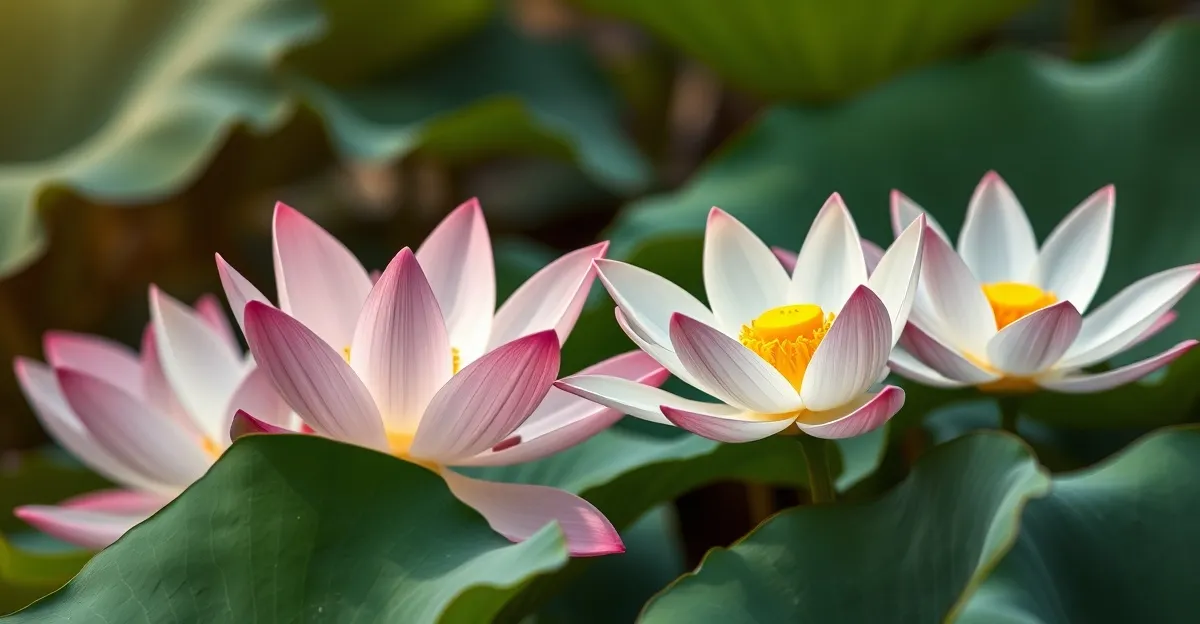
In Bali, the lotus does not simply grow in ponds. It presides over them. Visit any temple water feature, any royal garden, any community bathing place, and you will find lotus blooms floating with an unhurried grace that seems entirely intentional — as if they have been placed there by invisible hands performing a ceremony that never quite ends. For the Balinese, that intuition is not far from the truth.
The lotus is inseparable from Balinese Hindu spiritual life. It appears in temple carvings, is woven into daily canang sari offerings, features in the names of deities and sacred texts, and sits at the very centre of some of the island's most important rituals. Understanding how and why this flower is used throughout Balinese ceremony reveals something profound about how this culture relates to the natural world — and to the divine.
The Lotus as a Sacred Symbol in Balinese Hinduism
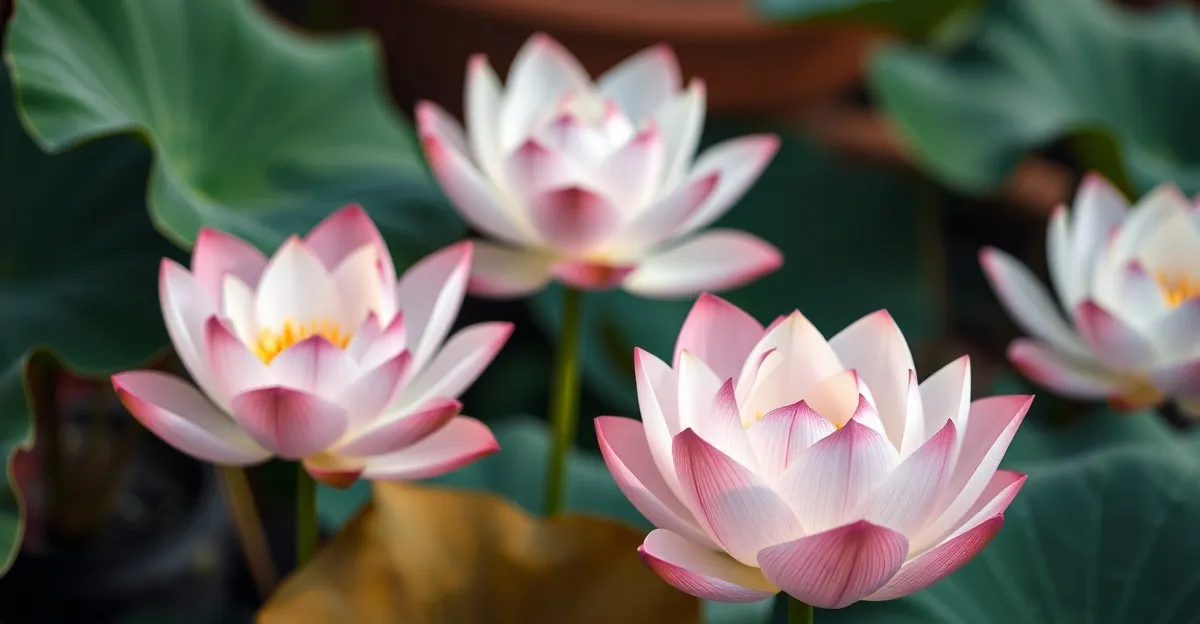
Balinese Hinduism — a distinctive blend of Hindu, Buddhist, and animist traditions unique to the island — places enormous symbolic weight on the lotus. The flower's biology mirrors the spiritual journey the tradition describes: roots in mud (the material world), stem rising through water (the realm of emotion and purification), bloom opening above the surface into pure air and light (enlightenment, transcendence).
The Padmasana Throne
Perhaps the most visible use of lotus symbolism in Bali is the padmasana, the high stone throne that stands at the kaja-kangin (mountain-facing, sunrise) corner of virtually every Balinese Hindu temple and compound. The name itself means "lotus seat" in Sanskrit — padma being lotus, asana being seat or throne.
The padmasana is the seat of Acintya, the unknowable supreme deity at the apex of the Balinese Hindu pantheon. The throne is carved in the shape of a lotus, with petals forming the base. Offerings are placed here daily, and during temple festivals the padmasana receives the most elaborate and precious of the ritual preparations.
Saraswati and the Sacred Blooms
Dewi Saraswati, the goddess of knowledge, art, and learning, is depicted in Balinese iconography seated upon a lotus throne and often holding lotus blooms in her hands. The Saraswati festival — celebrated on the final day of the 210-day Pawukon calendar cycle — involves special offerings placed on books, lontar palm manuscripts, and educational materials, many of which incorporate lotus petals and motifs.
On Saraswati day, you will see white lotus petals scattered across school desks, temple shrines, and the writing implements of students and artists throughout Bali. It is one of the most visually striking demonstrations of how thoroughly the lotus is woven into everyday spiritual life here.
Lotus in Daily Offerings: The Canang Sari
The canang sari is Bali's most ubiquitous ritual object — a small palm-leaf tray filled with flowers, incense, and symbolic foods, placed at the base of shrines, doorways, crossroads, and sacred trees across the island multiple times each day. The lotus features in these offerings in two distinct ways.
Petals as Offering Material
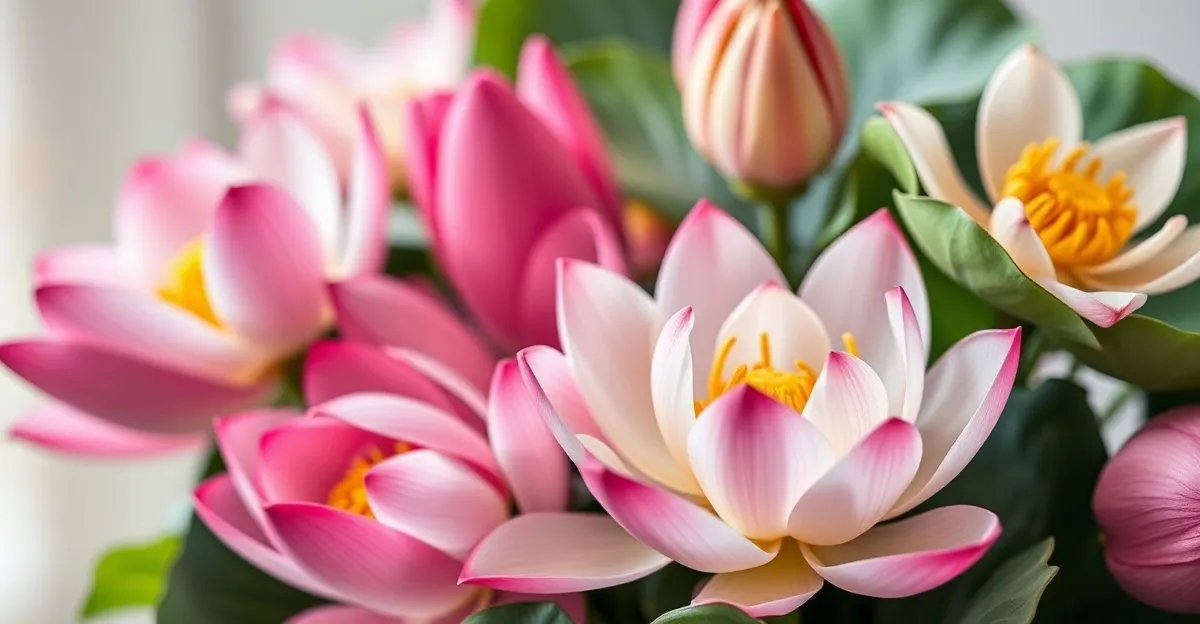
Fresh lotus petals — particularly white and pink varieties — are among the most prized materials for canang sari. White petals are placed in the section of the offering that faces east (the direction of Iswara, one of the directional gods), while other directions receive different coloured flowers. A lotus petal placed in a canang sari carries specific spiritual weight: it is not merely decorative but communicates a particular prayer and intent to the divine.
In the flower markets of Gianyar and Denpasar, lotus petals are sold by the bag every morning alongside marigolds, frangipani, and rangrang flowers — staple ingredients of the daily offering economy that underpins Balinese spiritual life.
Lotus Leaf Bowls
Beyond the petals, the broad, water-repellent leaves of the lotus plant are used in some temple preparations as natural bowls or wrappings for sacred foods and ritual liquids. The lotus leaf's hydrophobic surface — on which water beads and rolls like mercury — has long been associated with purity and non-attachment in both Hindu and Buddhist traditions, a quality reflected in its ceremonial use.
Major Ceremonies and the Lotus
Odalan: Temple Anniversary Festivals
Every Balinese temple has its own odalan, or anniversary festival, which recurs every 210 days on the Pawukon calendar. During odalan, the temple transforms: elaborate offerings are stacked high, gamelan orchestras play through the night, and the community gathers in full traditional dress for prayers, processions, and ritual performances.
Lotus flowers feature prominently in the most elevated offerings during odalan — the gebogan (towering fruit and flower offerings carried on the head) and the sesajen (complex tiered arrangements placed directly at the shrine). The lotus here signals that the offering is worthy of the highest deities and that the petitioner approaches with sincerity and purity.
Melasti Purification Ceremony
Held a few days before Nyepi (the Balinese New Year and Day of Silence), Melasti is a purification ritual in which sacred objects from temples are carried in procession to the sea or to major rivers and springs for cleansing. The procession is one of Bali's most spectacular ceremonial sights, with thousands of worshippers in white and gold, carrying palanquins draped in flowers.
Lotus is among the flowers used in the offerings accompanying the sacred objects during Melasti. The symbolism is apt: water purification and lotus are deeply linked in the tradition, as the bloom that rises clean from murky water represents exactly the purification that Melasti is meant to achieve.
Ngaben: The Cremation Ceremony
Ngaben, the Balinese cremation ceremony, is one of the most important rituals in the entire lifecycle — a joyous release of the soul from its physical form so it can proceed toward reincarnation or moksha (liberation). The ceremony involves extraordinary flower use, and lotus holds a specific place within it.
Lotus motifs appear on the wadah (cremation tower) and the lembu (sacred bull or other animal sarcophagus) in which the body is carried and cremated. The lotus imagery on these structures signifies the soul's spiritual journey — the departure from the material realm (mud and water) and the opening into the spiritual realm (the bloom above the surface).
Lotus in Sacred Architecture
You cannot spend time in a Balinese temple without noticing how thoroughly lotus imagery is carved into the stone. Temple gates, shrine pedestals, and decorative panels throughout Bali's thousands of temples feature intricate lotus carvings — often with remarkable naturalistic detail given they were carved by hand from volcanic andesite stone.
The Padma Symbol in Kaja Orientation
In Balinese sacred architecture, kaja (towards the mountain, towards Gunung Agung) is the most sacred direction. The lotus — which reaches upward from water toward light — is the architectural symbol most associated with this upward, sacred orientation. Buildings and shrines aligned along the kaja axis frequently feature lotus ornamentation as a spiritual signifier of their elevated status.

The team
your florists
weekly subscription · Bali
We write about flowers because we love them. We deliver them because someone should — properly, weekly, across Bali.
— heyflowerPay once for 3, 6, or 12 months, no auto-renewal.
Sourcing Lotus for Ceremony in Bali Today
Despite rapid development and changing land use patterns across the island, lotus cultivation remains active in Bali, particularly around the lake regions of Bedugul and in the rice paddies and ornamental gardens of Gianyar and Tabanan regencies. Ceremonial-grade lotus — with full blooms and long stems suitable for elevated offerings — is still grown locally and sold fresh each morning at the large flower markets.
For residents, expats, and visitors who wish to honour Balinese traditions with locally sourced, ceremonially appropriate lotus arrangements, flower delivery in Sanur: a complete local guide and flower delivery in Tabanan: a complete local guide offer helpful orientation on where and how to source fresh blooms with ceremony-ready quality.
Frequently Asked Questions
What colour of lotus is most sacred in Balinese ceremonies?
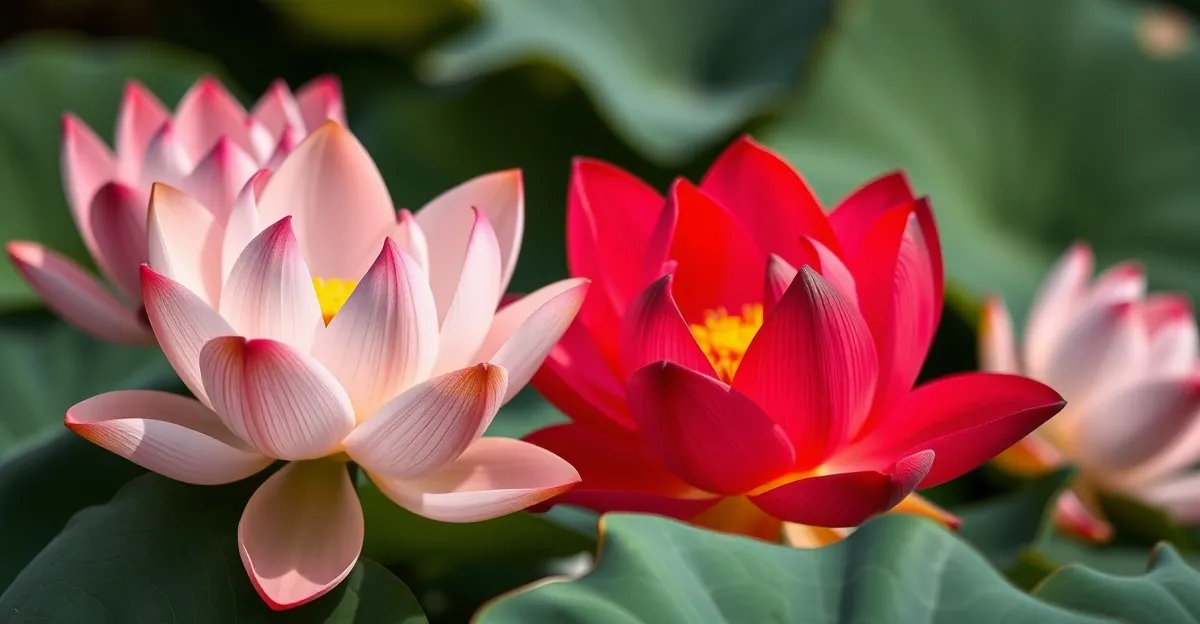
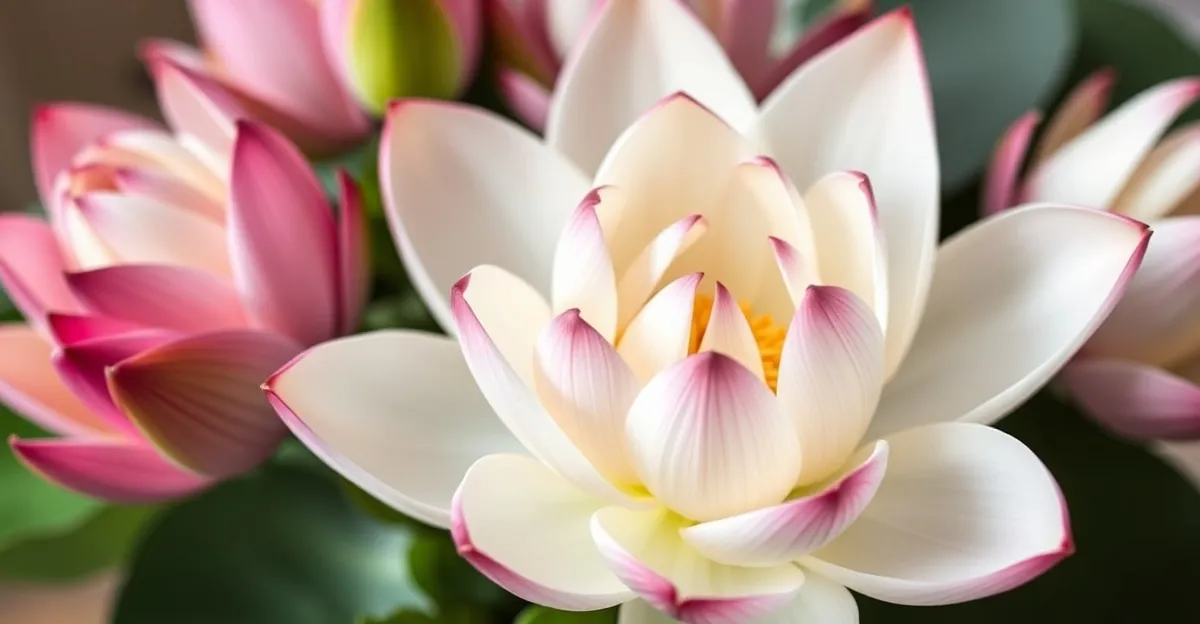
White lotus (padma putih) holds the highest ceremonial status in Balinese Hinduism, associated with purity, Iswara (the eastern directional deity), and the supreme divine. Pink lotus is also widely used and deeply meaningful. Red lotus appears less frequently in ceremony but carries associations with vitality and the south-facing sacred direction.
Can non-Balinese people participate in ceremonies involving lotus offerings?
Many Balinese ceremonies are open to respectful observers, and some — particularly those in public spaces like temple forecourts — welcome participation from those who approach with sincerity. It is always appropriate to ask local guidance about specific ceremonies. Wearing a sarong and sash (readily borrowed at most temples) is a baseline form of respect expected of all visitors.
Is it disrespectful to use lotus flowers decoratively if you are not Balinese?
Not at all. The lotus is a flower of beauty and meaning that transcends any single tradition. Many Balinese florists and villa decorators work with lotus in purely aesthetic contexts. What matters is approaching the flower with some awareness of its significance — which this article is designed to help with.
Why do lotus flowers close at night in Bali?
Lotus blooms are thermo-responsive: they open in warmth and sunlight, and close when temperatures drop or light dims. This behaviour mirrors the spiritual metaphor embedded in the flower — the awakening of consciousness in the presence of light. It is one reason the lotus has been used as a spiritual symbol across so many cultures and traditions.
How is lotus different from waterlily in Balinese ceremony?
While both grow in water and are visually similar to the uninitiated eye, the true lotus (Nelumbo nucifera) and the waterlily (Nymphaea) are botanically distinct families. In Balinese ceremony, it is specifically the Nelumbo lotus — with its distinctive raised seed pod — that carries sacred significance. Waterlilies are beautiful and are used in some offerings, but the lotus carries the deeper ceremonial weight.
The lotus in Bali is not merely a flower — it is a living philosophical text, a daily act of devotion, and a bridge between the material and the sacred. At heyflower.co, we source lotus from trusted Balinese growers and work with its ceremonial heritage with deep respect. Whether you are marking a personal milestone, decorating a villa with local meaning, or simply wanting beauty with depth, explore our collections at heyflower.co and bring a little of Bali's sacred bloom into your everyday.
For more on the deeper meanings carried by this extraordinary flower, read our companion piece lotus meaning and symbolism: a full gifting guide.
More on Lotus