How to Care for Lily in Bali's Humid Climate
Lilies aren't native to Bali's lowland heat, but with the right care they can stay beautiful for over a week. A practical guide for Canggu villa owners.
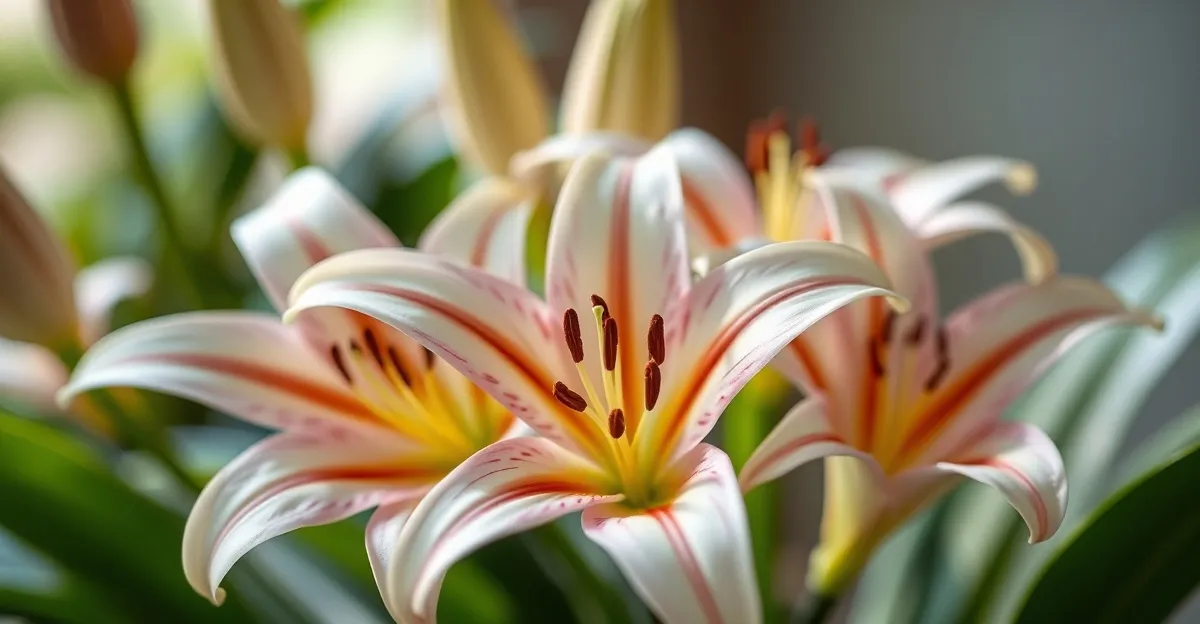
Lilies are not Bali's natural habitat. They come from temperate and cooler-climate regions — the highlands of China and Japan, the mountains of Europe and North America, the cool volcanic slopes of highland Java. The variety most commonly available as cut flowers in Bali — Oriental lily hybrids — are bred for warm-season flowering but still prefer temperatures below 28°C to stay at their best.
In Canggu, Seminyak, and Bali's coastal areas, where temperatures routinely hit 30–33°C, you're working against the lily's preferences. But working against a preference isn't the same as failing — with a few specific care adjustments for Bali's conditions, cut lilies can genuinely last seven to ten days in a home environment. Here's what actually makes the difference.
Understanding Why Bali Is Challenging for Lilies
Heat Accelerates Everything
The primary issue is temperature. Lily blooms are most beautiful when opening gradually over three to five days. Heat accelerates this process — blooms that might unfurl over a week in a London flat can go from bud to fully open in two to three days in Bali's coastal heat. More problematically, the same heat that accelerates opening also accelerates the final decline: petals drop faster and earlier.
Warm temperatures also accelerate bacterial growth in vase water and ethylene gas production in the blooms — both of which hasten decline. Managing temperature is therefore the single highest-impact thing you can do for lily longevity in Bali.
Humidity: The Double Effect
Bali's humidity (70–90% relative humidity in coastal areas) slows petal desiccation — a genuine benefit for cut flowers. This is why tropical flowers like orchids and anthuriums do well in Bali even without daily water changes. For lilies, the humidity helps prevent the petals from going dry and papery at the edges.
However, high humidity also accelerates mold development on spent blooms and on vase water. This creates the typical Bali cut flower challenge: you gain longevity on one end (less drying) but need active management on the other (bacterial control in water).
Pollen: The Bali-Specific Risk
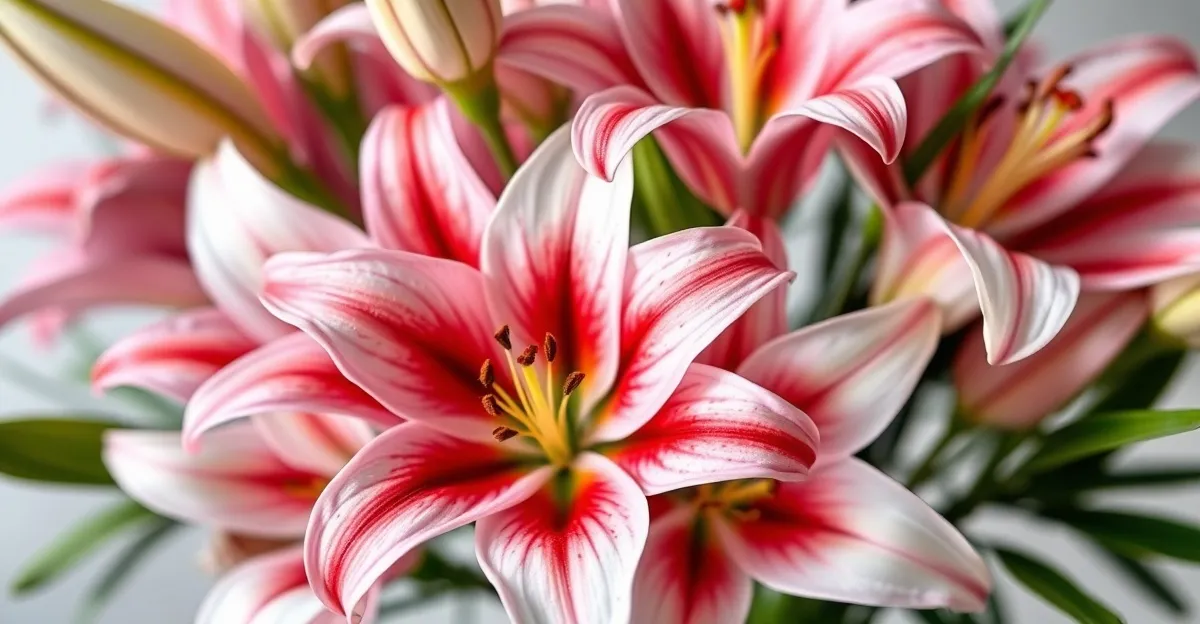
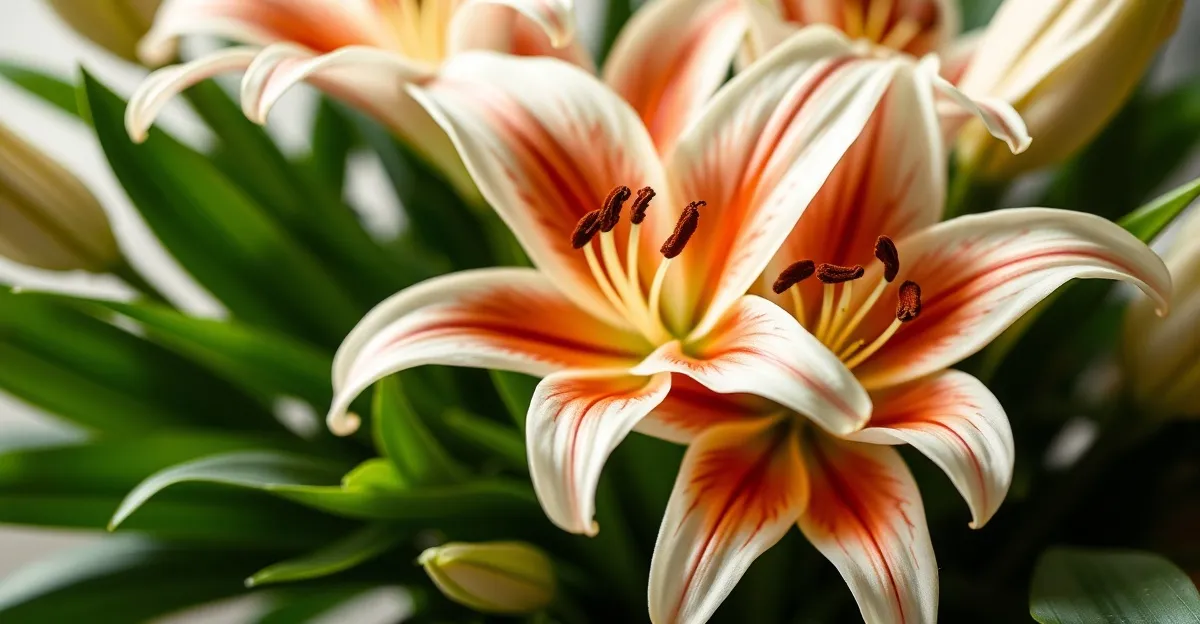
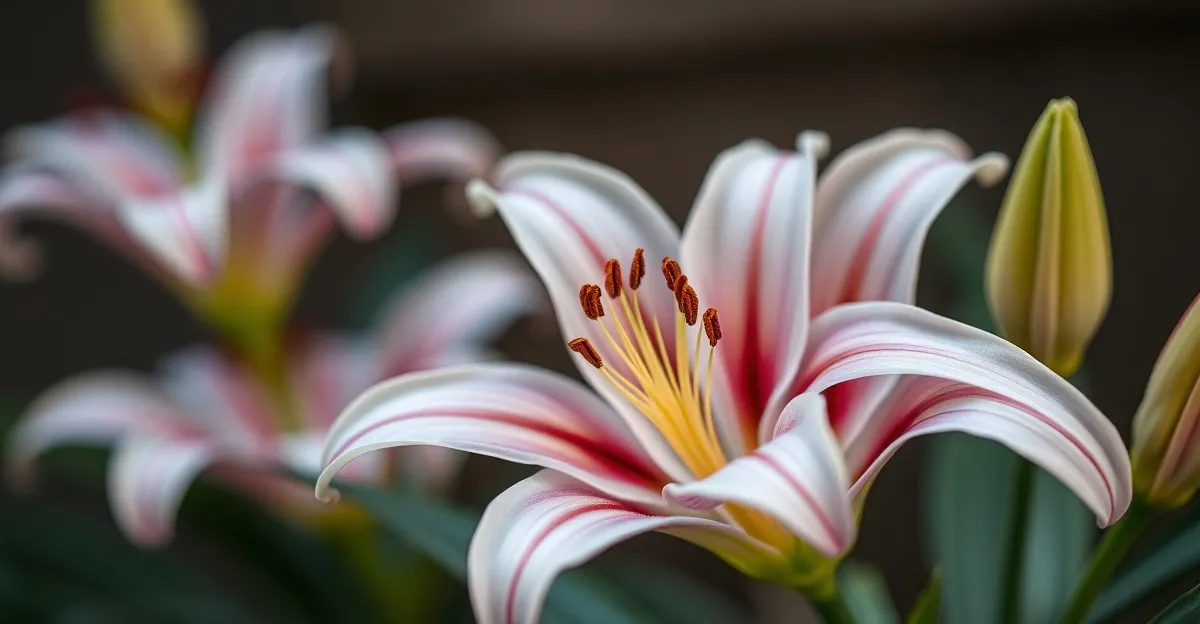
Oriental lily pollen is notorious for staining — the orange-red pollen from lily anthers will permanently mark fabric, upholstery, and surfaces. In Bali's villa environment, where natural fabrics (linen, cotton, rattan) and light-colored surfaces are typical, pollen staining is a real concern. Remove anthers proactively — this also extends the bloom's vase life.
Step-by-Step Care for Cut Lilies in Bali
On Arrival: The First Steps Matter Most
Whether you've received lilies as a delivery or picked them up from a florist, the first few hours of care set the trajectory for the rest of the vase life.
Step 1: Unwrap immediately. Lilies in cellophane or plastic wrap are trapped with their own ethylene output, which accelerates aging. Remove all packaging as soon as you're home.
Step 2: Trim stems at a 45-degree angle. Cut approximately 2–3 cm from the bottom of each stem with a clean, sharp knife or scissors. The angled cut maximises the surface area for water uptake. Avoid crushing the stem (which blocks vascular tissue) — use a sharp clean blade, not scissors that will squeeze the stem.
Step 3: Remove lower leaves. Any leaves that will sit below the waterline in the vase should be removed. They decompose quickly in water and significantly accelerate bacterial growth. In Bali's warm conditions, this happens faster than in cooler climates — strip all leaves that would touch the water.
Step 4: Remove anthers. As soon as individual blooms begin to open, snap off the anthers (the pollen-bearing tips of the stamens). This prevents pollen from dropping onto petals (which causes spotting), prevents staining on surrounding surfaces, and — importantly — extends vase life because the flower doesn't expend energy on pollen once it's been removed.
Step 5: Fresh, clean vase and water. Use a clean vase (bacteria from previous flowers can linger in residues). Fill with fresh water, ideally filtered. Add flower food if available; a small pinch of sugar and one drop of household bleach in 500ml of water is a reasonable substitute.
Ongoing Care in Bali's Climate
Change water every two days. In Bali's warmth, bacterial buildup happens faster than in temperate climates. Two-day water changes prevent the cloudy, malodorous water that blocks vascular tissue and dramatically shortens vase life. When you change the water, rinse the vase and re-cut stems slightly.
Keep in air conditioning. This is the single biggest factor. Lilies in an air-conditioned room at 22–24°C will last at least twice as long as lilies in an open-air tropical space. If air conditioning is available for any significant portion of the arrangement's life, use it.
Position away from direct sunlight. Bright indirect light is ideal. Direct tropical sunlight through a window heats the vase water, stresses the blooms, and significantly shortens vase life.
Keep away from fans of ethylene sources. Ethylene gas — released by ripening fruit, certain houseplants, and by flowers themselves as they age — accelerates decline. Keep your lily vase well away from the fruit bowl. If some blooms are more advanced than others, remove spent blooms promptly to reduce ethylene exposure for the fresher ones.
Remove spent blooms promptly. As individual flowers on a multi-blossom stem finish their cycle, remove them cleanly. They release ethylene as they decay and can introduce mold to adjacent healthy blooms.
Managing Lily Fragrance in Bali's Heat
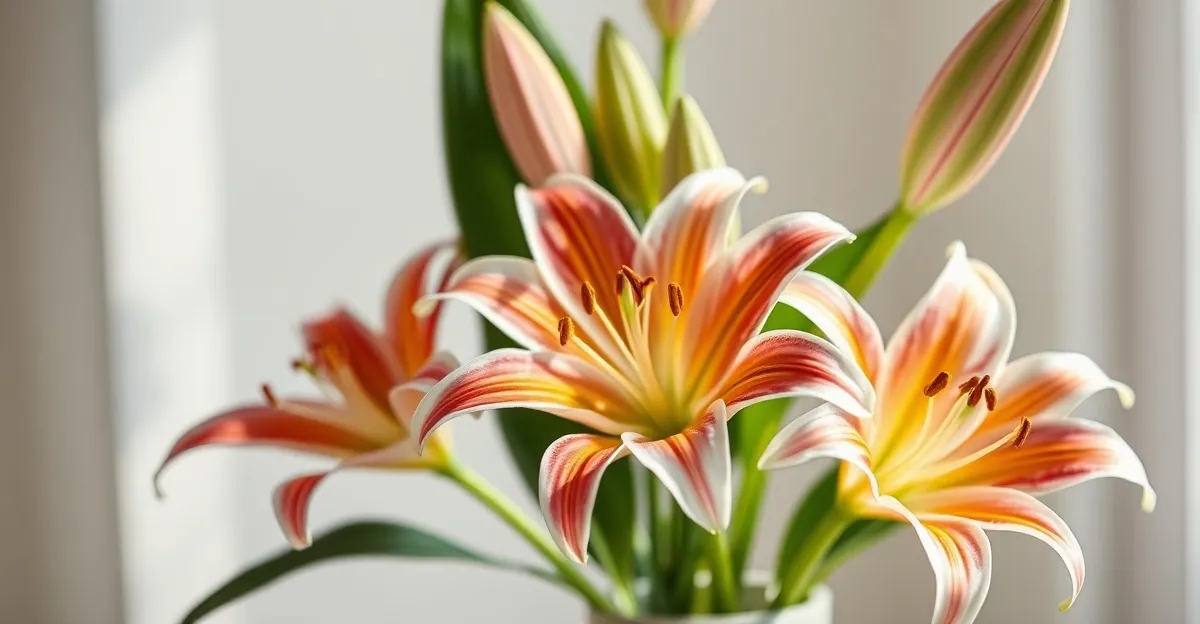
Oriental lilies are intensely fragrant — one of their most valued qualities. In Bali's warmth, that fragrance intensifies. One lily stem in a small, enclosed bedroom can be overwhelming. In large, open-plan villa spaces or on a covered terrace with air movement, a few stems fill the space beautifully.
Consider placement:
- Open living areas: two to four stems, fragrance dissipates pleasantly
- Bedrooms: one stem maximum, away from the sleeping area
- Dining tables: position to the side rather than between guests — the fragrance at close range during a meal can compete with food
- Entry hallways: excellent, fragrance creates a welcoming impression without concentrating around people
For guests who are sensitive to strong fragrance, ask in advance. Lily fragrance is one of the more common floral sensitivities.
Realistic Vase Life Expectations by Setting
These are realistic estimates based on Bali's coastal climate conditions:
- Air-conditioned villa, away from sun: 8–12 days
- Open-plan villa with fans, covered terrace: 5–7 days
- Open outdoor area, tropical temperatures: 3–5 days
- Direct sun outdoors: 2–3 days
The difference between the best and worst case is significant. Air conditioning is genuinely the biggest variable.

The team
your florists
weekly subscription · Bali
We write about flowers because we love them. We deliver them because someone should — properly, weekly, across Bali.
— heyflowerPay once for 3, 6, or 12 months, no auto-renewal.
Growing Lilies in Bali: A Florist's Honest View
Can you grow lily plants in Bali for cut flowers at home? Yes — in pots with air conditioning, or in the cooler highland areas near Bedugul and Kintamani. In a standard Canggu garden at sea level, lilies will grow but bloom seasons are compressed and plants are less productive than in cooler environments.
For most Canggu residents wanting regular fresh lilies, purchasing from a florist who sources from highland growers is more practical than attempting to grow your own. Weekly deliveries of fresh lily stems represent better value than the effort and marginal results of lowland lily cultivation.
For occasions and arrangements where lilies are just one component of a broader tropical arrangement, our guide to best occasions to gift a lily bouquet covers how to think about using them most effectively.
Frequently Asked Questions
How do I remove lily pollen if it gets on fabric?
Don't rub or dab — this drives the pollen deeper into the fabric. Instead, allow the pollen to dry completely, then use sticky tape to lift it off the surface, or blow it away with a gentle puff of breath or compressed air. If any residue remains, a commercial stain remover specifically designed for tannin or pigment stains can help. Act before washing, as water can set lily pollen stains.
Should I add flower food to lily vase water in Bali?
Yes, if available. Commercial flower food contains three things: carbohydrates for the bloom, an acidifier (lowering pH to improve water uptake), and an antibacterial agent. In Bali's warmth, the antibacterial component is particularly valuable. A basic substitute: a small pinch of sugar and one drop of household bleach per 500ml of fresh water.
Why do lily blooms drop petals quickly in Bali?
Rapid petal drop is usually caused by one of three things: heat (accelerates the bloom's lifecycle), ethylene exposure (from fruit, other aging flowers, or vehicle exhaust near open windows), or inadequate water (blocked stems reduce water uptake). Address all three: cool the environment, remove ethylene sources, and ensure stems are cleanly cut and water is changed regularly.
Can I refrigerate lilies overnight to slow down opening?
Yes. Lightly refrigerating lily buds — in the warmer section of a fridge, around 8–12°C, not directly under the cold air stream — slows the opening process and can extend vase life by a day or two. Remove them from the fridge each day so they can continue gradually opening. This is a useful technique for managing the pace of blooming before a specific event.
Are there lily varieties that hold better in tropical conditions?
Asiatic lily hybrids are slightly more heat-tolerant than Oriental lilies, though they lack the intense fragrance. For outdoor events in tropical conditions, Asiatic lilies are a more practical choice. Oriental lilies are more fragrant and visually spectacular but need cooler conditions to last well. Ask your florist which variety they're stocking and for what purpose.
At heyflower.co, we source fresh lily stems from trusted highland growers and deliver them at peak condition to Canggu, Berawa, Pererenan, Seminyak, and Kerobokan. Explore our arrangements and weekly subscription options at heyflower.co.
More on Lily