How to Care for Ginger Flower in Bali's Humid Climate
Expert care tips for keeping ginger flower fresh as a cut bloom and thriving as a garden plant in Bali's tropical heat and high humidity.
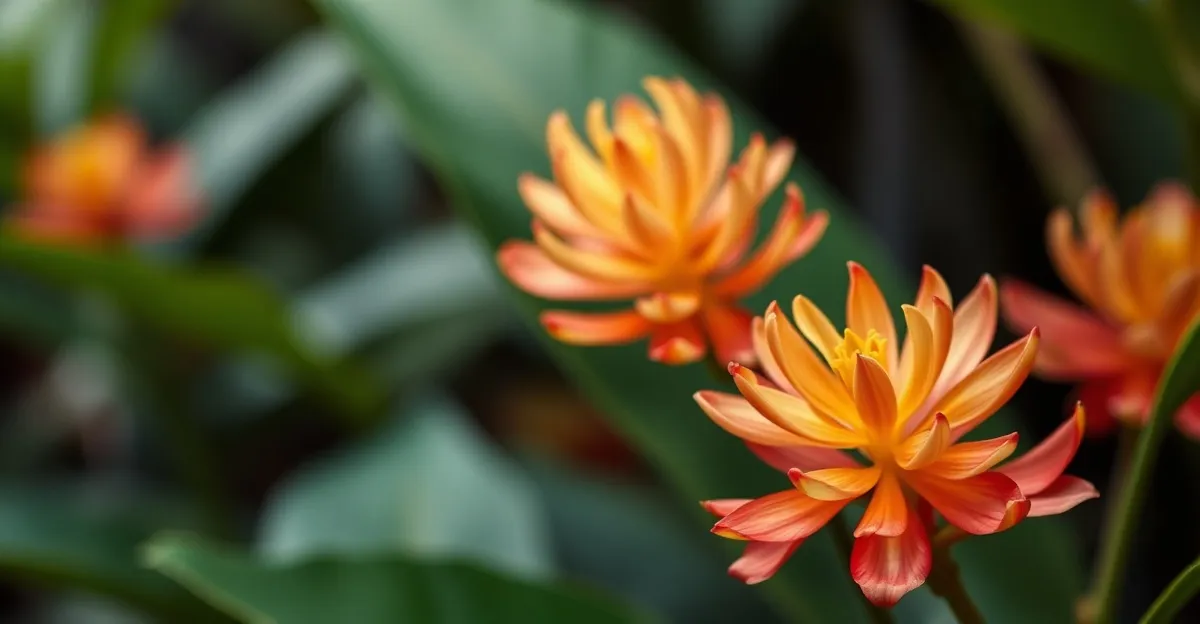
Ginger flower is, in many respects, one of the most naturally well-adapted flowers you can keep in Bali. The ginger family evolved in tropical and subtropical environments across Asia, and the climate of Bali—warm, humid, with rich volcanic soil and abundant rainfall—aligns closely with the conditions in which various ginger species evolved. This means that caring for ginger flower in Bali, whether as a cut flower in a vase or as a living plant in your garden, starts from a position of natural advantage.
That said, Bali's specific conditions do create particular challenges and opportunities that are worth understanding. This guide covers both cut flower care and garden cultivation for the main ginger flower varieties available in Bali.
Cut Flower Care: Keeping Ginger Flower Fresh
The Key Challenge: Heat and Water Quality
In Bali's ambient temperatures of 27°C to 33°C, the primary enemy of cut ginger flower—as with almost all cut flowers in tropical conditions—is bacterial growth in vase water. Bacteria colonise vase water rapidly in the warmth, clogging the stems and cutting off the flower's water supply. Managing this is the single most important aspect of ginger flower care in Bali.
The solution is simple in principle: change the vase water frequently and recut the stems each time. In practice, this means:
Water changes every one to two days. In Bali's heat, this frequency is genuinely necessary to slow bacterial build-up. If you change the water every day, your ginger flower will last noticeably longer than if you change it every three days.
Stem recutting with each water change. Use sharp scissors or a floral knife. Cut at a 45-degree angle, two centimetres from the bottom of each stem, either while the stem is submerged in a basin of water or immediately before placing in the fresh vase water. This prevents air from entering the cut and maintains good water uptake.
Clean vases. Rinse your vase with a mild bleach solution before each refill to eliminate the bacterial residue that accumulates on vase walls. A clean vase starts the bacterial clock from zero with each water change.
The Right Environment
Light: Ginger flower—whether the bold torch ginger or the more delicate white ginger lily—should be kept in bright, indirect light. Bali's direct sunlight is intense enough to fade and damage the flower heads rapidly. A position near a window with filtered light, or in a well-lit interior, is ideal.
Temperature: If you have air conditioning in your villa or home, keeping the ginger flower in an air-conditioned room is excellent for longevity—Bali's heat is the primary accelerant of deterioration. Position the vase away from direct airflow, which causes dehydration.
Fruit proximity: Keep ginger flower away from bowls of ripening tropical fruit. Ripening mango, banana, and papaya release ethylene gas, which dramatically accelerates flower aging. This is particularly relevant in Balinese kitchens where tropical fruit is always present.
Conditioning Fresh Ginger Flower
If you have received ginger flower that has been out of water for any period—during transport, at an event—rehydration conditioning makes a significant difference to subsequent vase life. Submerge the entire flower head and stem in a cool water-filled bathtub or large basin for one to two hours. The flower tissue can absorb water directly through its surface during this immersion, which rapidly restores hydration that has been lost.
After immersion, recut the stem ends and place in a fresh vase with cool water and flower food. The arrangement should perk up noticeably within hours.
How Long Does Cut Ginger Flower Last in Bali?
With good care in Bali's climate:
- Torch ginger: Ten to sixteen days. Its waxy, dense flower head is highly resistant to heat and bacterial damage, making it one of the most durable tropical cut flowers available.
- White ginger lily: Seven to ten days. More delicate than torch ginger, it is sensitive to ethylene and requires more careful placement.
- Beehive ginger: Eight to fourteen days. The structured bract arrangement is robust, though the bracts may begin to brown at the edges earlier than the central structure declines.
Without specific care—just stems in unchanged water—expect these lifespans to be roughly halved in Bali's ambient temperature.
Garden Cultivation in Bali
Ideal Conditions for Ginger Flower in the Ground
Growing ginger flower in a Bali garden is a deeply rewarding experience. Once established, most ornamental ginger varieties are low-maintenance and generous with their blooms. Key requirements:
Soil: Bali's volcanic soil is naturally suited to ginger flower cultivation—well-draining, mineral-rich, and slightly acidic. Add organic matter (compost or well-rotted manure) to new planting areas to boost early growth.
Light: Ginger flower does best in partial shade or filtered light. In Bali, the dappled light under larger trees or the filtered light of a south-facing garden bed works beautifully. Full sun positions are workable but require more consistent watering.
Water: Ginger plants love moisture but need drainage. In Bali's wet season, natural rainfall is sufficient for established plants. In the dry season (May to September), water established plants two to three times per week. Young plants need more frequent watering until established.
Temperature: Bali's temperature range is ideal for almost all ornamental ginger varieties. Even the highland areas of Bedugul, where temperatures can drop to 15°C at night, are within the range of cold-tolerant ginger varieties.
Planting and Establishment
Most ornamental ginger varieties in Bali are planted from rhizome divisions. Local nurseries across the island stock a good range of varieties, and you can often source rhizomes from fellow gardeners whose established ginger plantings need division.
Plant rhizomes horizontally, 8 to 12 centimetres deep, in a prepared garden bed. Space plants 60 to 90 centimetres apart depending on the variety—larger torch ginger varieties need more space than compact ornamental types. In Bali's warm soil, expect rhizomes to establish quickly and produce their first shoots within two to four weeks.
First flowering typically occurs in the second year of growth for torch ginger and sooner for smaller, faster-maturing varieties.
Torch Ginger Growing Tips
Torch ginger is a large, vigorous plant that can reach two to four metres in height in Bali's conditions. Give it space—both laterally and vertically. The flower stems emerge separately from the main leaf clumps on stalks that rise directly from the ground, so planting too close to walls or structures can obstruct this distinctive growth habit.
Torch ginger responds well to feeding. Apply a balanced fertiliser at the beginning of the wet season and again in the dry season. Keep the planting area free of competing weeds, particularly in the first year of establishment.
Harvesting for the Vase
For the best vase life when harvesting home-grown ginger flower, cut in the early morning when the plant is at maximum hydration. Choose flower heads that are just beginning to open—fully open heads are past peak and will not last as long. Use clean, sharp secateurs and immediately place cut stems in a bucket of water.
Condition harvested stems by placing them in a bucket of cool water in a shaded spot for several hours before bringing inside and arranging.
Managing Pests and Disease in Bali's Humidity
Bali's high humidity creates ideal conditions for some fungal diseases, but ornamental gingers are generally hardy in this regard. The main issues to watch for:
Rhizome rot: Occurs in waterlogged soil. Ensure good drainage in your planting area. If a plant shows signs of yellowing and collapse in wet conditions, check the rhizome for soft, discoloured tissue—remove affected portions and improve drainage before replanting.
Leaf spot: Fungal spots on leaves are common in very humid conditions. Improve air circulation by not crowding plants, and avoid overhead watering. Generally cosmetic rather than life-threatening.
Aphids and thrips: Occasionally affect young growth. A neem oil spray applied to affected areas is an effective, low-impact treatment.
For more on keeping tropical flowers looking their best across a range of varieties in Bali, how to care for heliconia in Bali's humid climate covers parallel care principles that apply to many tropical cut flowers.

The team
your florists
weekly subscription · Bali
We write about flowers because we love them. We deliver them because someone should — properly, weekly, across Bali.
— heyflowerPay once for 3, 6, or 12 months, no auto-renewal.
Frequently Asked Questions
How often should I change the water for cut ginger flower in Bali?
Change the vase water every one to two days in Bali's tropical heat. Recut the stems with each water change to maintain good water uptake.
My torch ginger head is browning at the tips—is this normal?
Some browning at the very tips of the bracts is normal and cosmetic. It does not indicate a dying flower. Browning that spreads rapidly throughout the head, or softening of the bracts, indicates water quality issues or heat stress—change the water and recut the stems.
Can ginger flower grow in a pot in Bali?
Yes, compact varieties like Hedychium (ginger lily) and smaller Zingiber varieties grow well in large pots. Torch ginger can be potted but needs a very large container—at least 50 centimetres in diameter—and will be smaller than garden-grown specimens. Use a rich, well-draining potting mix and water regularly.
Does torch ginger need to be in shade to grow in Bali?
Torch ginger tolerates partial sun to partial shade in Bali. Full sun is workable if watered consistently. The dappled light of a garden with taller trees is ideal—mimicking the forest edge environment where torch ginger naturally grows.
How do I know when to harvest torch ginger for the vase?
Harvest torch ginger when the flower head is about half to two-thirds open. Fully opened heads are past peak and will not last as long. Early morning harvesting, when the plant is best hydrated, produces the longest-lasting cut flowers.
Beautiful Ginger Flower, Delivered Fresh
At heyflower.co, we work with Bali's finest local growers to source torch ginger and other ornamental ginger varieties at peak freshness. Our deliveries across the island include care instructions with every arrangement.
Explore our tropical collection and subscribe for regular fresh flower deliveries at heyflower.co.
More on Ginger flower