Ginger flower in wedding bouquets: ideas, meanings, and pairings
Torch ginger is a bold, locally grown choice for Bali weddings. Here's how to use it in bouquets and arrangements, from ceremony to reception styling.
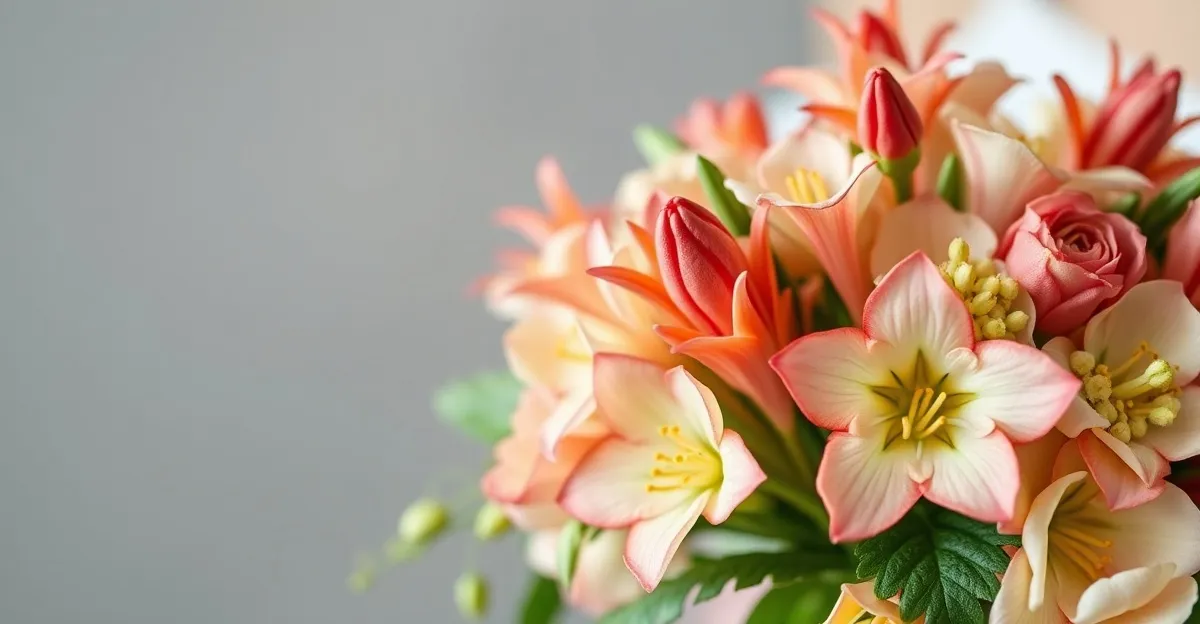
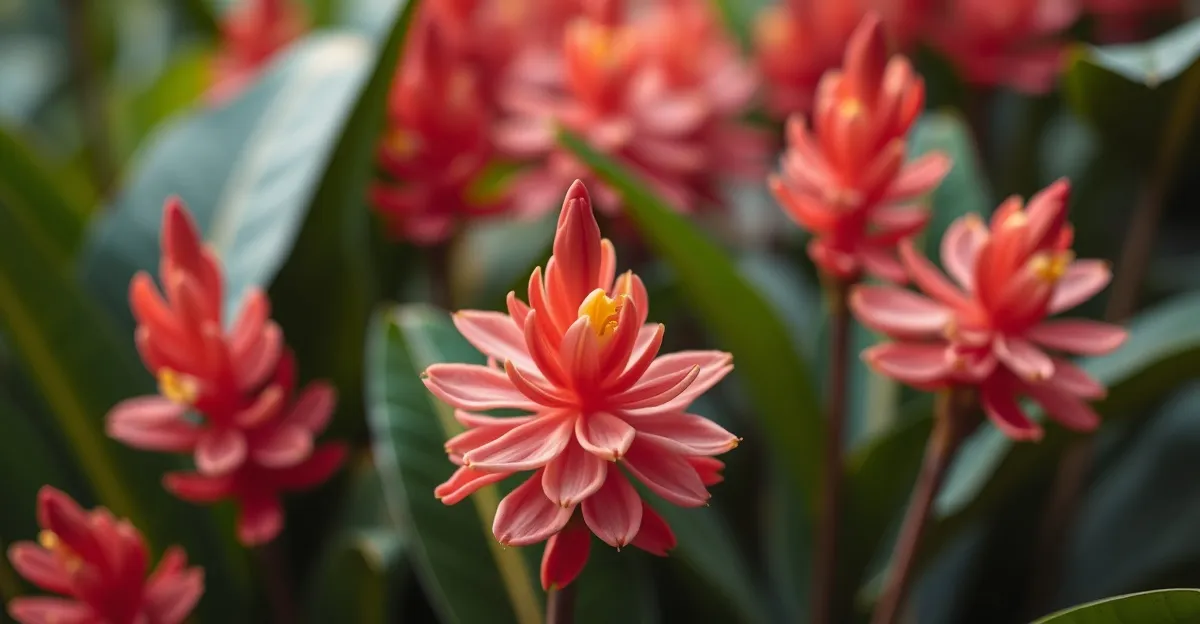
Torch ginger (Etlingera elatior) in a wedding bouquet is a statement. It says: we're in Bali, we're using what grows here, and we're not afraid of something dramatic and genuinely tropical. It's not for every couple or every aesthetic, but for those who want their florals to be unmistakably of this island, it's one of the most striking choices available.
Here's how to work with torch ginger in a Bali wedding context — what it means, how to use it in bouquets and arrangements, and what to pair it with.
The Symbolism of Torch Ginger in Weddings
Flower symbolism in Balinese and Indonesian culture is layered and sometimes specific to region. Torch ginger (kecombrang in Balinese and some regional Indonesian languages) occupies an interesting position: it's simultaneously a culinary ingredient, a ceremonial plant, and an ornamental flower.
In the context of weddings, its symbolism draws from several strands:
Strength and endurance: The tall, upright stem and dense, structured head suggest resilience. A marriage, like a torch ginger plant, takes time to establish but becomes deeply rooted and long-lasting. Several Balinese couples I've worked with have specifically chosen it for this symbolic dimension.
Fertility and abundance: The ginger family (Zingiberales) is widely associated with fertility across Southeast Asian cultures. The flower's prolific production — a mature plant generates dozens of flower heads annually — reinforces this symbolism.
Local identity: For couples who have a genuine connection to Bali — who live here, met here, or whose families are rooted in the island — choosing torch ginger over imported roses or peonies is a way of saying this celebration belongs to this place.
Romance in the Indonesian context: The bunga kecombrang appears in some Javanese and Balinese wedding traditions, woven into ceremonial offerings and decorative garlands. Its presence at a wedding carries the weight of that older connection.
Bridal Bouquet Styles That Work
Torch ginger doesn't fit every bouquet style. Its scale, weight, and architectural quality make it most suited to specific formats.
The statement tropical bouquet: A single large torch ginger head at the center, surrounded by white anthurium, orchid sprays, and tropical foliage (monstera, palm, fern). This is the most common approach and works beautifully for outdoor ceremonies, beach weddings, or villa celebrations. The result is bold and photogenic.
The cascading tropical arrangement: For a more dramatic bridal bouquet, two or three torch ginger heads at different heights, with heliconia and large tropical leaves cascading downward. This requires a skilled florist and a bride comfortable holding something substantial — these bouquets weigh more than delicate garden arrangements.
The arm sheaf: Rather than a hand-held round bouquet, some brides carry an arm sheaf — a loose bundle held in the crook of the arm, like a stack of long-stemmed flowers. Torch ginger is excellent in this format. The long stems create beautiful lines, and the flower heads sit at varied heights without needing to be arranged in a formal dome.
Mixed cultural ceremony: For couples having both a Balinese ceremony and a Western-style celebration, the bouquet can shift between the two. For the Balinese ceremony, a more traditional offering-based approach may be appropriate; for the garden reception, the torch ginger arm sheaf or tropical bouquet works well.
Ceremony and Reception Styling
Beyond the bouquet, torch ginger has multiple roles in Bali wedding styling.
Ceremony arch or gateway: A bamboo or floral arch framing the ceremony space can incorporate torch ginger stems as the anchor element. At the sides and upper corners, the tall red heads create strong visual framing. White orchids and tropical greenery fill in the composition.
Aisle markers: Tall vases or bamboo tubes at the aisle edges, each with one or two torch ginger stems, are striking and simple. They define the aisle clearly and create a rhythmic visual pattern as guests walk through.
Reception table centerpieces: Long torch ginger stems in tall, narrow vases are elegant centerpiece options for long tables. For round tables, a lower arrangement with ginger as the hero bloom and shorter companions (orchids, anthurium) works well. The height of the standard ginger stem can be a problem for table conversation — cut stems shorter or use side-angled cuts to bring the head to a lower position without losing the impact.
Welcome arrangement: A very large statement arrangement at the entrance to the ceremony or reception space — 1.5 to 2 metres tall in a substantial vessel — anchors the space and sets the visual tone. Torch ginger is ideal for this because of its natural height.
For more general ideas on pairing it with other blooms, see pairing ginger flower with other blooms: a florist's guide.
Which Ginger Variety for Weddings
The deep red form is the most dramatic and works well at outdoor tropical venues and beach locations. The pink form (E. elatior rosea) is softer and suits white-palette weddings or ceremonies in shaded garden spaces. For a more neutral backdrop (like a white Uluwatu cliff wedding), the pink form tends to look more refined.
If you're working toward a specific color palette, communicate clearly with your florist about which variety you want — they're different plants and need to be sourced or grown specifically.
For the color symbolism attached to each variety, see ginger flower colors and what each one symbolises.

The team
your florists
weekly subscription · Bali
We write about flowers because we love them. We deliver them because someone should — properly, weekly, across Bali.
— heyflowerPay once for 3, 6, or 12 months, no auto-renewal.
Practical Wedding Planning Considerations
Seasonal availability: Torch ginger flowers more abundantly during the wet season (November–April) in Bali. Dry season weddings (June–October) can still access good quality stems, but availability may be slightly more constrained and advance notice to your florist is important.
Freshness timing: For weddings, ginger stems should be cut or received no more than 3 days before the event. They need 4–6 hours of deep conditioning in water before arrangement. Built this into your florist's preparation timeline.
Scent: Torch ginger has minimal fragrance. This is actually an advantage for wedding contexts — you don't need to worry about competing with perfumes, food aromas, or incense. The lack of scent makes it safe in all environments.
Weight in bouquets: A large torch ginger head on a full stem is heavier than most wedding flowers. For hand-tied bouquets, your florist should account for this in the binding and the bride should do a practice hold before the wedding day. The arm sheaf format distributes weight more comfortably.
Sustainability: Using locally grown torch ginger for a Bali wedding is one of the most environmentally considered choices you can make. No air freight, minimal cold chain, and a plant that grows naturally in the local ecosystem. For couples who care about this dimension, it's a genuine selling point.
FAQ
Can torch ginger be used in a bridal headpiece or hair arrangement? The full flower head is too large and heavy for a hair arrangement. However, small cultivar flowers or the inner bud stage of the kecombrang variety can be used. Alternatively, single bracts can be detached and used flat in elaborate updo arrangements. Work with an experienced florist for this application.
What color dress works best with torch ginger? White is the classic answer — the deep red or pink ginger pops vividly against a white dress. For a more harmonious look, deep coral or rust-toned dresses work beautifully with red ginger. Pale pink dresses with pink ginger creates an elegant monochromatic effect.
How far in advance should I book torch ginger for a wedding? For large volumes (a full ceremony and reception styling), 2–3 months advance notice to your florist is appropriate, particularly for dry-season weddings when supply is tighter. For small orders (bouquet plus minimal décor), 2–4 weeks is usually sufficient.
Does torch ginger wilt during long ceremonies? Properly conditioned stems hold up very well at Bali temperatures for 6–8 hours without water. The waxy bracts retain moisture well. For outdoor ceremonies in direct sun, a small water pick in the bouquet stem can provide insurance, but most bouquets handle a full ceremony day without issue.
Can I combine torch ginger with locally grown Balinese ceremony flowers? Yes. Frangipani, marigold (used in Balinese offerings), and hibiscus all grow locally and can be combined with torch ginger for a celebration that uses wholly Balinese materials. This kind of locally-rooted floristry is increasingly popular for weddings seeking genuine connection to place.
Torch ginger in a wedding bouquet is a commitment to place and to tropical beauty on its own terms. It doesn't apologize for being large, bold, and unmistakably from this part of the world. For Bali weddings specifically, that quality is an asset.
Ready to bring fresh flowers to your Bali home or event? Explore our weekly flower subscription and get handpicked blooms delivered to your door every week.
More on Ginger flower