Ginger flower vase life in the tropics: how long do they last?
Torch ginger lasts surprisingly well in Bali's heat — if you know how to care for it. Here's what to expect and how to extend the vase life of your stems.
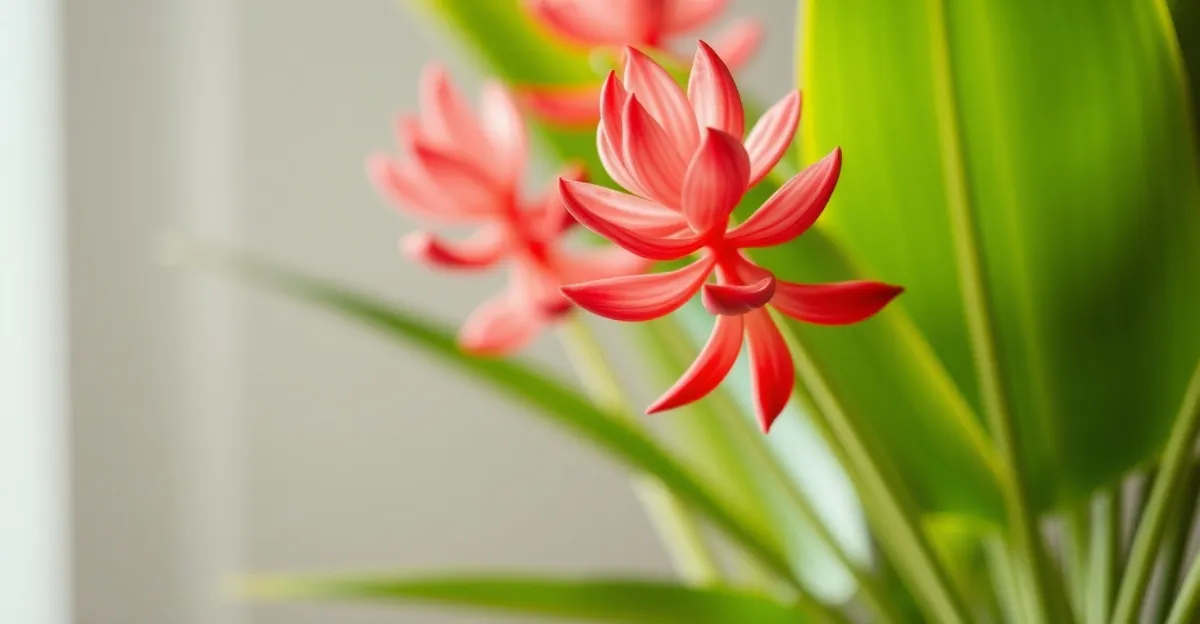
One of the most common questions about torch ginger (Etlingera elatior) is how long it actually lasts once cut. The answer surprises most people. In Bali's tropical climate — where most cut flowers are lucky to make it past a week — torch ginger holds up remarkably well. With basic care, a freshly cut stem can last 10–14 days. With a bit more attention, some stems go three weeks before showing real decline.
Here's what affects that lifespan, how to get the most from your ginger flowers, and what to watch for as they age.
Why Torch Ginger Lasts Longer Than Most Tropical Flowers
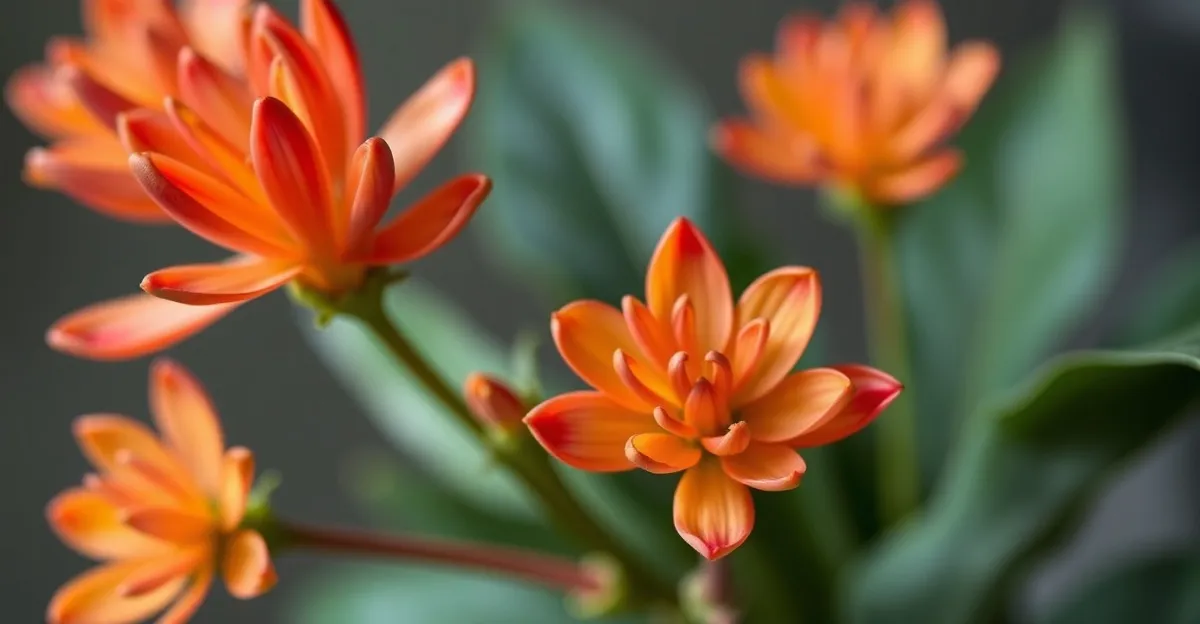
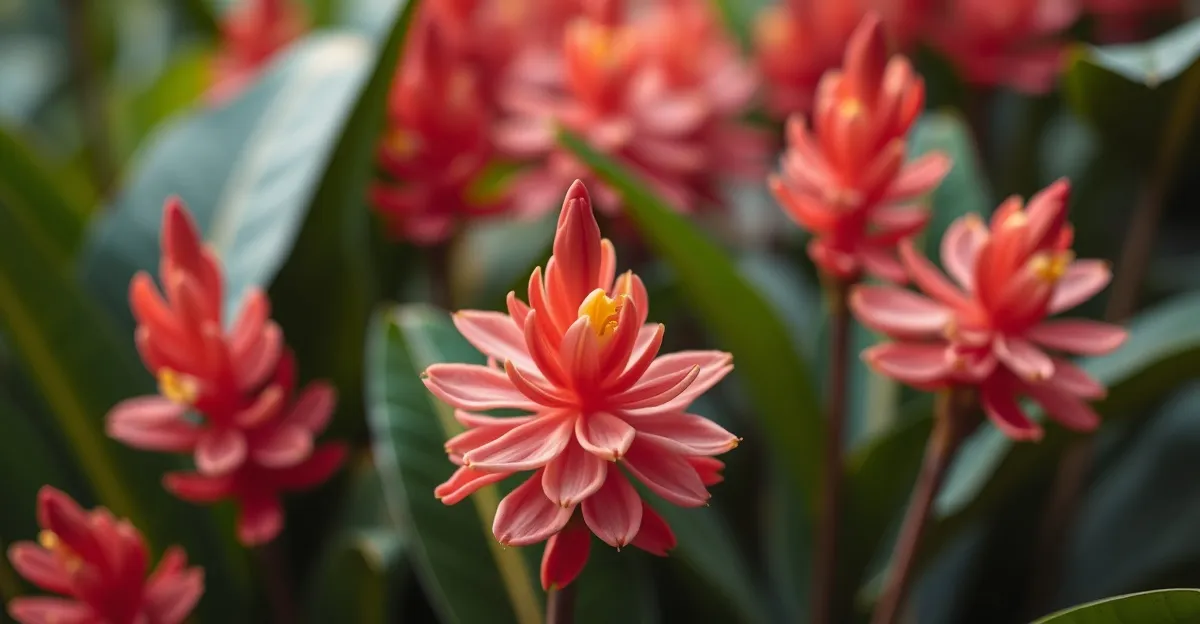
The longevity of torch ginger comes down to its structure. The flower head isn't a true flower in the botanical sense — it's a densely packed collection of bracts (modified leaves) with tiny true flowers nestled inside. Those bracts are waxy and firm, which means they lose moisture far more slowly than the petals of a rose or the florets of a lily.
The stem shares this quality. Torch ginger grows on thick, fibrous stems that are designed by the plant for long-distance water transport — these are stems that travel two metres from the ground to the flower head. That vascular capacity carries over to cut-stem performance: they absorb water efficiently and maintain turgidity longer than most flowers.
In Bali's climate (28–33°C year-round, with high humidity, particularly between November and April), this matters. Most cut flowers struggle in this environment. The combination of heat and humidity accelerates bacterial growth in vase water, shortens cell life, and causes wilting. Torch ginger is genuinely adapted to these conditions.
What to Expect Week by Week
Days 1–4: The stem is fully turgid, the bracts are tight and glossy, and the color is at its most saturated. This is peak beauty. The innermost true flowers (tiny white or cream petals tucked between the bracts) may begin to emerge on some stems.
Days 5–8: The bracts remain intact and the color holds, but you may notice slight loosening of the outer layers and the first signs of the small true flowers emerging more fully. The stem tip may begin to show minor softening. Water should still be absorbed daily.
Days 9–12: The outer bracts may begin to show slight browning at the edges, particularly if the arrangement is in a warm or windy spot. The overall form is still recognizable and attractive. Inner flowers continue to develop.
Days 13–21: With good care (clean water, cool placement, regular stem re-cutting), many stems remain presentable through this period. The bracts will have opened somewhat and the color becomes less intense but still warm and interesting.
Beyond 21 days: Decline accelerates. The stem end may become slimy, water darkens, and the bracts curl or spot. This is when to replace.
The Biggest Threats to Vase Life in Bali
Heat: Bali's temperatures are consistent enough that seasonal variation matters less than placement. An arrangement near a window in direct afternoon sun, or in a room without airflow, will deteriorate significantly faster than one placed on a shaded side table. If your villa has AC, ginger flowers will last noticeably longer in a cooled room.
Dirty vase water: Bacterial growth in warm water is the primary reason cut flowers fail prematurely. In Bali's heat, vase water turns cloudy within 2–3 days. Change it daily, or at minimum every two days. A clean vase matters as much as the fresh water.
Shallow water: Torch ginger stems are thick and absorb water volume quickly. Use a tall vase with at least 15–20cm of water, and check daily — these stems drink more than you'd expect.
Ethylene exposure: Ethylene gas, produced by ripening fruit, accelerates flower decline. Keep your ginger flowers away from fruit bowls or banana bunches. In a Bali kitchen with mangoes, papaya, or rambutan sitting out, this is a real factor.
Air conditioning vents: Directly cold, dry air dries out the bracts faster than ambient heat. Keep arrangements away from direct air conditioning flow.
How to Condition Ginger Flower on Arrival
If you receive fresh-cut ginger flowers — whether from a market, a garden, or a flower delivery — a few steps on day one make a significant difference to longevity.
-
Re-cut the stems: Use a sharp knife or clean pruning shears to make a fresh diagonal cut, removing 2–3cm from the base. Diagonal cuts increase the surface area for water uptake.
-
Deep conditioning: Place the freshly cut stems in a tall bucket or container with at least 30cm of clean water for 4–6 hours before arranging. This allows the stem to fully rehydrate.
-
Strip lower leaves: Remove any leaves that would sit below the waterline. Submerged foliage rots quickly and introduces bacteria into the water.
-
Cool location for conditioning: If possible, condition in the coolest room in your home. Some Bali villa kitchens have cool stone floors — placing the bucket there works well.
Maximising Vase Life: Practical Tips
Change the water every 1–2 days: In Bali's heat, daily water changes are ideal. Always use clean, room-temperature water.
Re-cut stems every 3–4 days: A fresh diagonal cut at the base re-opens the water channels as the previous cut end begins to seal over.
Add a small amount of fresh lemon juice or diluted bleach: A teaspoon of lemon juice or a few drops of diluted bleach in the vase water inhibits bacterial growth. Commercial flower food works too, but it's rarely necessary for ginger.
Keep in filtered light, not direct sun: The bracts hold color better out of strong sun. East-facing spots that get morning light but shade in the afternoon are ideal in most Bali villas.
Don't crowd the vase: Ginger flowers need airflow around the head. Packing too many stems together traps moisture and promotes mold on the outer bracts.
For context on how ginger flowers compare to other tropical blooms in the heat, the guide to can ginger flower grow in Bali? A florist's perspective covers the plant's overall relationship with the island's climate.

The team
your florists
weekly subscription · Bali
We write about flowers because we love them. We deliver them because someone should — properly, weekly, across Bali.
— heyflowerPay once for 3, 6, or 12 months, no auto-renewal.
When They're Past Their Best
Ginger flowers age gracefully compared to many blooms. Rather than collapsing or browning dramatically, they tend to slowly open and soften. Some people find the late-stage appearance — the inner true flowers fully visible, the bracts loosened into a more open form — more interesting than the tight initial head.
When the stem end becomes slimy, water smells bad, or bracts begin to spot with black or brown, it's time to replace. The cut stem can go into a garden compost pile; the bracts can even be used decoratively once dried, as they retain some structure even when dry.
If you're receiving flowers weekly through a subscription service, the rhythm naturally handles replacement: new stems arrive as old ones reach their end. For ideas on how to keep arrangements fresh on rotation, see our guide to flower arrangement ideas for your living room.
FAQ
Do torch ginger flowers last longer than roses in Bali? Generally yes. A well-conditioned torch ginger stem typically outlasts a garden rose in Bali's heat by 3–5 days. Spray roses with smaller heads are more comparable, but torch ginger still tends to lead on longevity.
Should I keep ginger flowers in or out of air conditioning? In a cooled room, yes — they'll last longer. But avoid direct airflow from the AC unit, which dries out the bracts. A naturally ventilated cool room is ideal; AC-cooled is second best; a hot outdoor area is worst.
Can I cut stems from a ginger plant in my garden? Absolutely. If you have Etlingera elatior growing in your garden (it's very common in Bali), cut stems early in the morning when temperatures are lowest. Make the cut close to the base of the stem. Condition immediately in deep water before arranging.
Why is my ginger flower head turning brown quickly? The most common causes are direct sun exposure, very dry air (often from AC), or vase water that hasn't been changed. Check all three. Also consider whether the stem was already several days old when purchased — freshness at the point of cutting makes a large difference to final vase life.
Can ginger flowers be dried or preserved? The bracts can be air-dried with some success, and they retain their form reasonably well. Color fades significantly — the deep reds become rust-brown, the pinks become tan. They won't look like fresh flowers, but as dried specimens they have some texture and interest.
Torch ginger is genuinely one of the most rewarding cut flowers to work with in Bali. Its longevity, combined with its dramatic visual presence, makes it a reliable anchor for home arrangements, event styling, and regular flower subscriptions.
Ready to bring fresh flowers to your Bali home or event? Explore our weekly flower subscription and get handpicked blooms delivered to your door every week.
More on Ginger flower