How to care for gerbera in Bali's humid climate
Keep gerbera daisies fresh longer in Bali's heat — practical care tips from a Canggu florist on avoiding the drooping head problem and getting maximum vase life.
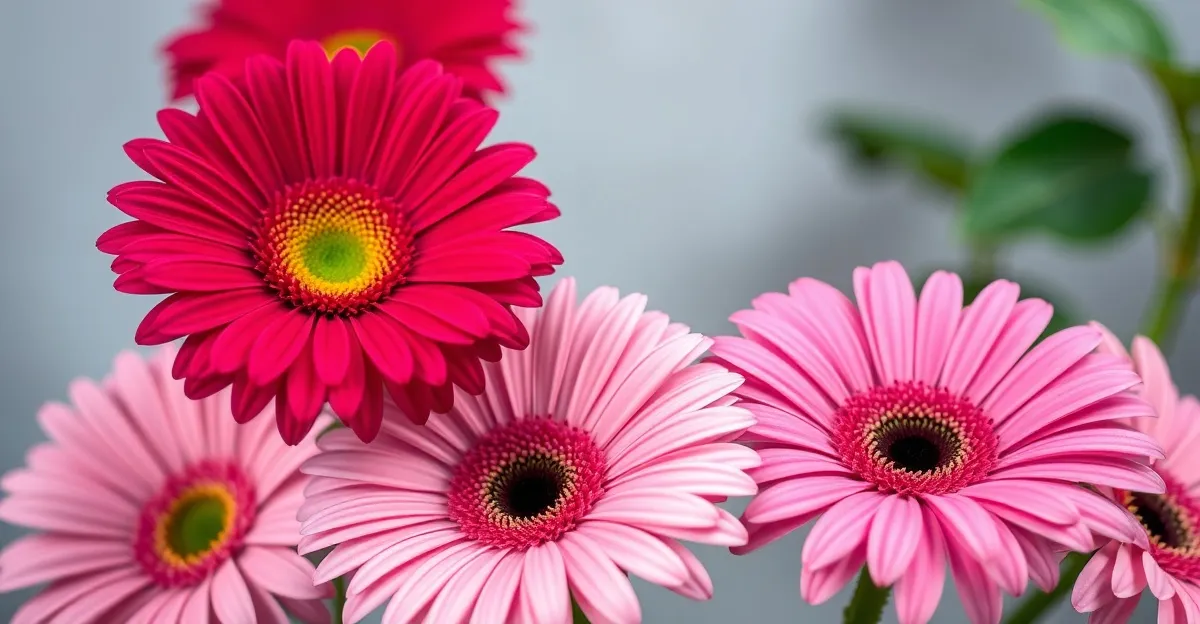
Gerbera daisies in Bali are a beautiful but slightly demanding flower. They can look magnificent — those bold, clean heads on their tall stems — or they can droop dramatically within two days. The difference is almost entirely about care practices. Get it right and you can reliably achieve seven to ten days. Get it wrong and you will be wondering why your cheerful flowers look defeated by Wednesday.
Here is what actually makes the difference.
Understanding why gerberas droop
Gerbera drooping — the head bending forward on its stem — is the most common problem with this flower. It is so common that "gerbera droop" is practically a technical term among florists.
The cause is almost always one of two things: insufficient water uptake through the stem, or bacterial contamination in the vase water blocking the water-conducting stem tissue.
Gerbera stems are unusually susceptible to bacterial blockage because they have hollow sections that bacteria colonise quickly. In Bali's warm temperatures — where bacteria in vase water multiply extremely rapidly — this blockage can happen within 24 to 48 hours of placing flowers in the vase if the water is not managed.
The second factor is physical: gerbera heads are heavy relative to their stems. When stem pressure is reduced by anything impeding water movement, the head droops under its own weight. What looks like a flower "giving up" is actually a plumbing problem.
The key care practices
Use shallow water
This is counterintuitive but important. Gerberas do best in relatively shallow water — approximately five centimetres is ideal rather than a vase filled deeply. The reason is that the hollow stem sections submerged in deeper water are more prone to bacterial rot. Shallow water, changed frequently, keeps the lower stem section healthier.
This means you need to check water levels more regularly than with other flowers.
Change water every day or two
In Bali's temperatures, vase water for gerberas should be changed every one to two days. This is more frequent than for other cut flowers. Each time you change the water, rinse the vase thoroughly and recut stems by 1–2cm.
This sounds like a lot of effort but the actual time is about three minutes. The payoff is significantly longer flower life.
Recut stems properly
Use a sharp, clean blade — ideally a knife rather than scissors, as scissors can crush the hollow stem tissue rather than cutting cleanly. Cut at a 45-degree angle to maximise water intake surface.
After cutting, immediately place the stem in water — ideally while holding under running water or in a bucket. Gerbera stems absorb air quickly when cut and exposed to atmosphere, which can create air locks that impede water movement.
Keep stems short
In a vase, keeping gerbera stems relatively short reduces the hydraulic work the stem needs to do to get water to the head. A stem of 25–30cm in a vase rather than the full original stem length means the flower can stay hydrated more easily.
This can feel like it is sacrificing the visual elegance of the long stem, but a short stem with an upright head is significantly more attractive than a long stem with a drooping head.
Choose the right vase
A tall, narrow vase that supports the stems works better for gerberas than a wide, low bowl where stems flop without support. The vase walls provide physical support for the stems, reducing strain on the connection between stem and head.
Glass vases let you monitor water clarity easily, which is practically useful.
Keep out of direct sun and heat
Gerberas in direct Bali sun deteriorate rapidly. Morning light in a shaded spot is fine; afternoon direct sun is not. Keep them away from windowsills that get afternoon exposure and away from any direct heat source.
Air-conditioned spaces extend gerbera life significantly. A room that stays below 25°C will give you meaningfully longer vase life than an ambient-temperature Bali space.
The flower food question
Flower food sachets that contain a biocide are particularly valuable for gerberas because the biocide addresses the bacterial blockage problem that causes drooping. If your gerberas come with flower food, use it.
Homemade version: a few drops of household bleach per litre of water (no more than half a teaspoon per litre) provides enough biocide action to make a meaningful difference. Add with the water change.
Reviving drooping gerberas
If your gerberas have begun to droop, you can often revive them.
Recut the stems significantly — cut off 3–5cm to get past any blocked section. Do this under running water or in a bucket.
Warm water trick: Place the recut stems in warm (not hot — around 35°C) water for one hour. The warm water is absorbed more easily than cold and can help a dehydrated flower rehydrate quickly.
Cold overnight: After the warm soak, move to cool water overnight in a cool room. This combination often revives a flower that looked nearly finished.
Revival works best with flowers that are still relatively fresh — you are unclogging the plumbing rather than reversing ageing. Very old flowers will not revive regardless of technique.

The team
your florists
weekly subscription · Bali
We write about flowers because we love them. We deliver them because someone should — properly, weekly, across Bali.
— heyflowerPay once for 3, 6, or 12 months, no auto-renewal.
Outdoor use in Bali
For outdoor events — a terrace dinner, a villa party, a celebration in the garden — gerberas are workable but require some planning. They will look beautiful for four to six hours in outdoor Bali conditions. Shade helps significantly; avoid placing centrepiece arrangements in full sun.
For outdoor use, recut stems the morning of the event and give them a few hours in fresh water before arranging. Keep arrangements in water-filled vessels rather than dry foam if possible.
Comparing gerberas to other Bali flowers for care
Gerberas need more active care attention than chrysanthemums or carnations in Bali. If you want the most low-maintenance cut flower experience, chrysanthemums are hardier and more forgiving of brief care lapses.
The trade-off is that gerberas' visual impact — those bold, graphic heads — is quite different and worth the extra attention for many occasions and spaces. For a bedroom arrangement against white walls, for a yoga studio, for a child's room, gerberas are visually perfect in ways that chrysanthemums are not.
For care advice on other Bali-friendly flowers, our guide to how to care for chrysanthemum in Bali's humid climate covers the same principles with chrysanthemum-specific details.
Frequently Asked Questions
Why do my gerberas droop so quickly in Bali?
Almost always bacterial blockage in the stem, amplified by Bali's warm temperatures. Daily water changes, clean vases, and using flower food with a biocide component all address this directly.
Can I cut gerbera stems shorter to help them?
Yes — shorter stems reduce the hydraulic distance water needs to travel and mean the flower can stay upright more easily. Cut to 20–25cm in the vase if drooping is a problem.
Should I use tap water or filtered water for gerberas?
Both work. More important than water source is water freshness — change daily or every two days. If your tap water has high mineral content, filtered water is marginally better.
How do I know if my gerberas are past revival?
If the stem base has become slimy or the petals are showing significant browning at the edges, the flower is past the point of revival. Fresh drooping (stem still firm, petals bright) can often be rescued with the recut-and-warm-water method.
Are gerberas in Bali more expensive than in their home climate?
As a primarily imported flower in Bali (some are grown locally in the highlands), gerberas are moderately priced — typically Rp 5,000–8,000 per stem at wholesale, or included in bouquet arrangements. They are not the cheapest Bali flower but represent good value for their visual impact.
Beautiful flowers are worth caring for. At heyflower.co, every gerbera and seasonal bloom we deliver to Canggu, Berawa, Pererenan, Seminyak, and Kerobokan is properly conditioned before it arrives at your door — so you start with the best possible advantage.
More on Gerbera